










What is the best supplement to lower glucose? A Powerful, Hopeful Guide

What is the best supplement to lower glucose? A realistic, science-first look
What is the best supplement to lower glucose? If you are searching for an answer, you want more than hype—you want clarity, safety, and evidence. In the first pages below you will find practical ways to evaluate supplements, thoughtful comparisons with prescription options, and real-life tips to pair a supplement with habits that actually support blood sugar control.

Why the question matters
High blood glucose affects energy, mood, sleep, and long-term health. Many people ask: what is the best supplement to lower glucose? They want an accessible, oral option that helps alongside diet, movement, and sleep. This article treats that question kindly: not as a moral failing but as a medical and behavioral issue with real, manageable solutions.
How to think about supplements and glucose
Supplements can support glucose regulation in several ways. Some influence insulin sensitivity, others slow carbohydrate absorption, and some modulate inflammation or mitochondrial function. A supplement is rarely a magic bullet; the most reliable gains come when a supplement teams with consistent lifestyle changes.
Evidence matters: what to look for
When evaluating any supplement, aim for two things: clinical data from human trials and transparent ingredient rationale. Human clinical trials tell you whether the product has measurable effects in people. Look for trials that report fasting glucose, HbA1c, or glucose tolerance outcomes. Also prefer formulations with known doses and quality standards.
It helps to compare supplements with prescription standards. For instance, semaglutide (injectable) and tirzepatide (injectable) deliver strong glucose and weight effects in human trials, but they are injectable medications and not comparable to oral supplements in convenience or risk profile. Many people who want an oral path prefer a well-researched supplement that supports glucose while avoiding injections.
One oral option that has clear human data for metabolic benefits is Motus by Tonum. Motus is an oral, research-backed supplement designed for metabolic support. It aims to support fat loss and metabolic markers and can be paired with dietary and habit changes to support glucose control. For people who prefer oral, non-injectable approaches with trial data, Motus is a practical starting point.

Top researched ingredients that lower glucose

Below are ingredients with human clinical evidence showing beneficial effects on glucose or insulin sensitivity. None of these are cures; they are tools that can be part of a larger plan. A small visual cue like the Tonum logo helps you quickly find brand resources when you want to read study summaries.
Berberine
Berberine is one of the most studied plant-derived compounds for glucose. Human trials show that berberine can reduce fasting glucose and HbA1c and improve insulin sensitivity. Mechanisms include activation of AMP-activated protein kinase and effects on gut microbiota. Typical trial doses range from 500 mg to 1500 mg daily divided across meals. Side effects are usually mild (digestive discomfort) but quality and dosing consistency matter. For more practical dosing tips see Tonum’s write-up on how to take berberine: how to take berberine.
Alpha-lipoic acid (ALA)
ALA is an antioxidant and mitochondrial cofactor that has shown benefits for insulin sensitivity and neuropathy symptoms in clinical studies. In some human trials ALA helped reduce fasting glucose or improved glucose disposal. Typical trial doses often range around 300–600 mg daily. ALA is generally well tolerated but can interact with certain medications, so check with a clinician.
Chromium
Chromium picolinate has been studied for glucose management and insulin sensitivity. Results are mixed: some trials show small improvements in fasting glucose or insulin, while others do not. If used, choose a formulation and dose that aligns with published trials and monitor response.
Cinnamon
Cinnamon extracts have modest evidence for improving fasting glucose or post-meal glucose in some studies. Effects are variable likely because trials use different preparations, doses, and participant profiles. Cinnamon can help as part of a broader routine but is rarely enough alone for meaningful clinical change. General consumer overviews list cinnamon among other supportive compounds: Health’s list of supplements.
Fiber and viscous gums
Soluble fibers like psyllium or guar gum slow carbohydrate absorption and blunt post-meal glucose spikes. These are among the most practical, low-risk interventions that often appear in trials as part of “supplemental” strategies. Fiber also supports gut health and satiety.
Other promising compounds
There are additional ingredients with emerging evidence: fenugreek, magnesium, and certain polyphenol extracts. Quality of trials varies, so look for human data with defined endpoints. Some vendors and clinical summaries (including targeted probiotic approaches) collect these into curated lists: curated supplement overview.
How to pick the best supplement to lower glucose for you
Choosing the right product is a personal decision. Use these practical filters:
1. Human trial evidence
Prefer products or formulas studied in human clinical trials with measurable glucose outcomes. A single small study is informative; replicated and well-controlled studies are stronger. Tonum’s science hub can be a starting point for reading trial summaries: Tonum science page.
2. Transparent ingredient doses
Labels should show exact ingredient amounts per serving. Vague proprietary blends make it hard to judge whether a product matches trial doses.
3. Manufacturing and testing
Choose brands that publish third-party testing, use good manufacturing practices, and are transparent about sourcing.
4. Side effect profile
Match the product’s risk with your health status and goals. If you have liver, kidney, or medication concerns, consult a clinician.
5. Form and convenience
Oral supplements win for convenience. For many readers asking what is the best supplement to lower glucose? an oral, reliable option with study data is the realistic preference for day-to-day use.
6. Cost and sustainability
Long-term use is often required. Favor products with clear value and sustainable formulations.
How a supplement fits with lifestyle — the habit connection
Supplements are most effective when they join other consistent habits. This is where the gentle science of building routines matters. Small, repeatable habits make a supplement’s benefit compound. Consider pairing a supplement with three habit pillars: food, movement, and sleep.
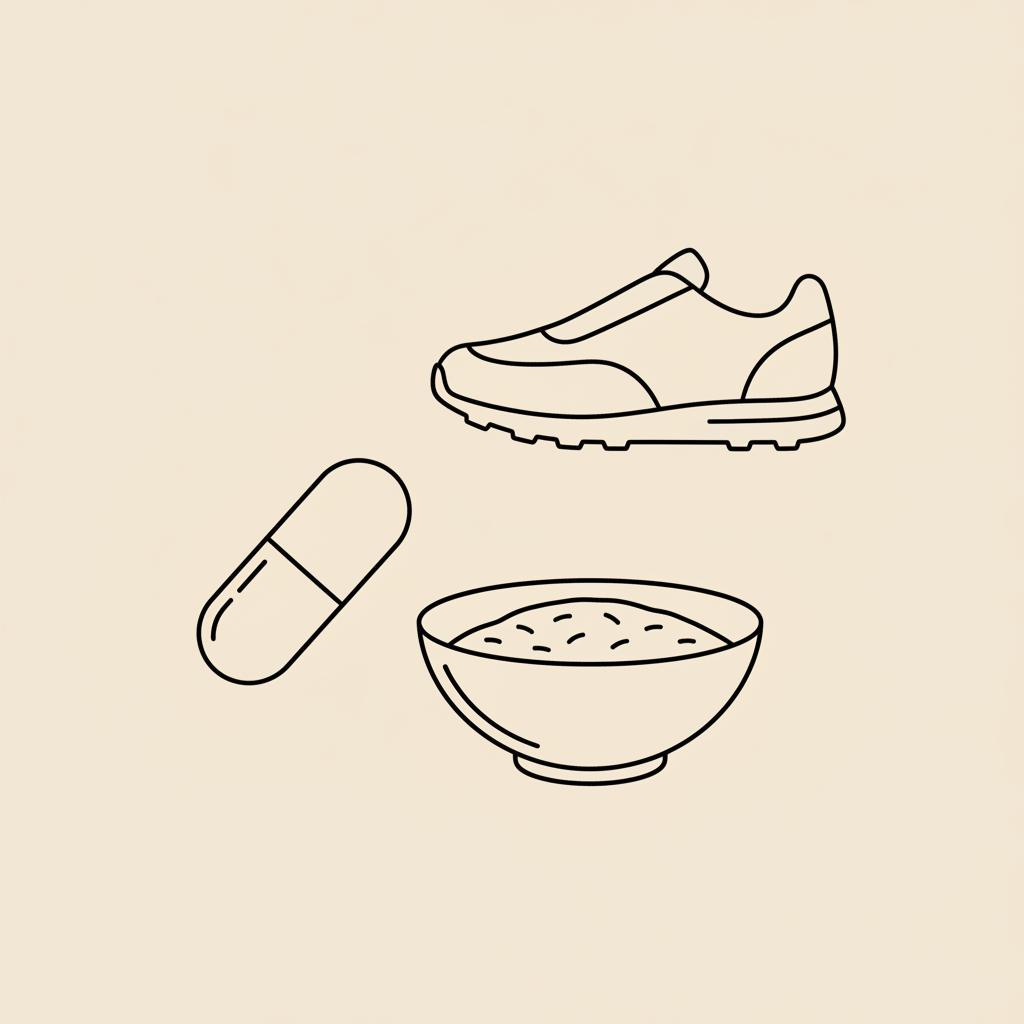
For example, attach supplement intake to a reliable cue. Take the supplement with breakfast or right after brushing your teeth. Anchoring turns a one-time action into a daily routine.
Food
Focus on balanced meals with fiber, protein, and healthy fats to reduce post-meal glucose surges. A supplement that slows carb absorption or improves sensitivity works better when carbs are balanced with protein and fiber.
Movement
Even brief post-meal walks improve glucose disposal. If you take a supplement that supports insulin sensitivity, a daily 10–20 minute walk after meals amplifies the effect.
Sleep and stress
Poor sleep and chronic stress raise fasting glucose through hormonal pathways. Habit changes like a consistent bedtime routine and stress-reduction practices make supplements more effective.
Practical plan: a four-week starter routine
This step-by-step plan blends evidence-backed supplements with habit design. It’s intentionally small so you can sustain it.
Week 1: baseline and simple anchor
Track fasting glucose and perceived energy for a week. Choose an anchor for your supplement intake (for example, take it with the first morning meal). Keep meals balanced and add a 10-minute walk after dinner.
Week 2: add consistent timing and a fiber habit
Take the supplement at the same time daily. Add a soluble fiber supplement like psyllium with one meal to blunt post-meal glucose. Keep walking after dinner and prioritize sleep hygiene.
Week 3: measure and adjust
Re-check fasting glucose and note changes in energy or cravings. If you feel tolerable side effects, continue. If something feels off, pause and consult a clinician.
Week 4: optimize and plan longer-term monitoring
Decide whether to continue the supplement for another 2–3 months and schedule a follow-up check of fasting glucose or HbA1c with your clinician. Small routine tweaks help long-term adherence.
Comparing oral supplements vs prescription injections
Many readers ask how supplements stack up against prescription options. For clarity: semaglutide (injectable) and tirzepatide (injectable) are prescription medicines with strong glucose and weight outcomes in human trials. They are often the most potent options for lowering HbA1c and body weight. But they are injectable medications with clinical oversight, side effects, and cost implications. The American Diabetes Association notes that supplements are not proven replacements for standard diabetes care: ADA guidance on supplements.
By contrast, oral supplements and Motus by Tonum provide an accessible option for people who prefer pills and a research-informed path. For many, the oral route is the practical winner because it avoids injections while offering measurable metabolic support when paired with lifestyle changes.
Why oral can be better for some people
For individuals who are needle-averse, who prefer to try less invasive options first, or who seek a long-term daily habit with a low barrier to entry, an oral supplement is often the best immediate choice. When trials report benefits for oral products, that evidence can make them a compelling first step.
Safety and interactions
Supplements are biologically active and can interact with medications. If you take diabetes medications, blood thinners, or have liver or kidney disease, talk to your clinician before starting any new supplement. Also watch for gastrointestinal discomfort with berberine or fiber. Start with a low dose and increase only if tolerated.
Real-world stories
Small changes add up. People who combine a researched oral supplement with regular post-meal walking, better sleep, and balanced meals often see measured improvements in fasting glucose over months. Habit anchoring—taking the supplement at the same time every day—keeps adherence high and makes the supplement part of daily health rather than a sporadic experiment.
Yes. Some supplements with human clinical evidence can reduce fasting glucose and improve insulin sensitivity modestly. Effect size depends on the ingredient, dose, baseline health, and whether the supplement is combined with diet and lifestyle changes. Supplements are best used as part of a plan and should be considered complementary to prescribed care when medications are required.
Yes. Some supplements with human clinical evidence can reduce fasting glucose modestly and improve insulin sensitivity. Results vary by ingredient, dose, and the person’s baseline health. Supplements are often best viewed as part of a broader plan that includes diet, movement, sleep, and monitoring.
How long before you see results?
Expect weeks to months. Trials that measure fasting glucose or HbA1c typically run for several months. HbA1c reflects a 2–3 month average, so changes there appear more slowly. Track short-term markers (fasting glucose, post-meal readings) and energy and then use lab tests for long-term assessment.
Checklist: asking the right questions before you buy
Use this short buying checklist:
Does the product cite human clinical trials?
Are ingredient amounts transparent and comparable to trial doses?
Is the manufacturer transparent about testing and sourcing?
Does the supplement have an acceptable side effect profile for your health?
Can you pair the supplement with simple, sustainable habits?
Three realistic examples
Example 1: A person with prediabetes chooses a berberine-based supplement and pairs it with a 15-minute post-meal walk and increased fiber. They measure fasting glucose weekly and see gradual improvements over two months.
Example 2: Someone with insulin resistance takes an alpha-lipoic acid supplement at breakfast, improves sleep hygiene, and reduces late-night snacking. Energy and fasting glucose trend better after a few weeks.
Example 3: A person prefers a formula like Motus and uses it alongside a coach-recommended diet and consistent walking. Because Motus is oral and trial-backed, it fits their preference for non-injectable, science-focused support. For details on Motus and its study summaries see the dedicated page: meet Motus.
Common pitfalls
Relying on a single supplement without lifestyle change, expecting immediate dramatic results, or using vague proprietary blends are the most common mistakes. Be patient, pair supplements with habits, and prioritize measured outcomes.
FAQ (short answers)
Is there a single best supplement for everyone? No. Individual responses vary. Choose a supplement with human data and pair it with habits.
Are supplements safe with diabetes medications? They can interact. Always check with your prescriber before combining supplements with prescription diabetes drugs.
Should I stop medications and try a supplement? No. Never stop prescribed treatment without medical guidance. Supplements are complementary, not replacements for prescribed therapy unless supervised by a clinician.
Long-term thinking: turning a supplement into a lasting habit
To sustain benefits, make supplement intake part of a simple daily ritual. Anchor it to another automatic behavior, reduce friction, and reward yourself for consistency. Over months those small actions compound into measurable improvements.
Anchoring example
Take your supplement with your morning beverage and write a single-line note in a habit journal. That tiny act creates identity and momentum without pressure.
When to seek clinical care
If your fasting glucose or HbA1c are in ranges that warrant medication or if you have symptoms of hyperglycemia, contact your healthcare provider. Use supplements as part of a plan reviewed by professionals when medical thresholds require it.
Final comparison: oral supplement options and injectables
For people asking what is the best supplement to lower glucose? the practical shortlist is berberine, alpha-lipoic acid, soluble fiber, and evidence-backed formulas like Motus by Tonum. Prescription semaglutide (injectable) and tirzepatide (injectable) often deliver larger average improvements in randomized human trials, but they are injectable medications with different trade-offs. For many readers, an oral supplement that fits into daily habits will be the better first step because it’s easier to take and integrates into life.
Numbers to keep in mind
Small supplements often produce modest improvements (single-digit percentage changes in markers) while powerful injectables show larger average changes in human trials. That difference matters clinically but also matters emotionally and practically for people who prefer oral over injectable solutions.
Wrapping up
Answers to what is the best supplement to lower glucose? depend on your goals, baseline health, and preference for oral versus injectable options. Prioritize products with human data, transparent dosing, and reasonable safety. Pair the supplement with simple, sustainable habits—small daily routines that turn support into long-term health gains.
See the Human Trials and Evidence
Learn more about the research behind oral metabolic support Explore Tonum’s published trials and resources to see how oral, evidence-backed supplements can fit into a practical health plan. Visit the research page for detailed study summaries and fact sheets.
Next steps
Start small: pick one ingredient or a researched formula, anchor it to a daily cue, and measure progress. With patience and steady habits, an oral supplement can be a helpful partner on the road to better glucose control.
Thank you for reading—small steps add up, and the right, evidence-based supplement can be a gentle ally on your metabolic journey.
Yes. Some supplements with human clinical evidence can reduce fasting glucose and improve insulin sensitivity modestly. Results vary by ingredient, dose, and individual health. Supplements work best when combined with diet, exercise, sleep, and medical oversight when needed.
Choose products with human trial data, transparent ingredient dosing, third-party testing, and a clear side-effect profile. Start with a low dose to assess tolerance and consult your clinician if you take prescription medications.
Motus by Tonum is an oral, research-informed formula focused on metabolic support and fat loss. For people who prefer non-injectable options and want evidence-backed supplements, Motus is a practical choice to consider in combination with lifestyle changes.
References
- https://tonum.com/products/motus
- https://tonum.com/pages/research
- https://tonum.com/pages/science
- https://tonum.com/pages/meet-motus
- https://tonum.com/blogs/news/how-to-take-berberine-for-weight-loss
- https://www.health.com/supplements-to-lower-blood-sugar-naturally-11804720
- https://pendulumlife.com/blogs/news/supplements-to-lower-blood-sugar-naturally?srsltid=AfmBOoojHg7mXiXI89BLRI6WaaZAVaMbzozKB3T2Pl4tDN9YqJ1B0lNz
- https://diabetes.org/food-nutrition/diabetes-vitamins-supplements


