










What is the best supplement for fat burning? — Powerful, practical answer

Understanding fat burning supplements: realistic expectations
Fat burning supplements are everywhere: shelves, social media, and late-night ads. But how well do they actually work? This article looks at the best evidence and practical advice so you can decide for yourself. Early on, let’s be clear: fat burning supplements can help a bit, but they are rarely dramatic on their own. Think of them as a nudge, not a miracle.

What ‘works’ - and what that word really means
When researchers say a supplement "works" for weight loss, they usually measure average differences between people taking the supplement and people taking a placebo over a few weeks or months. For many common ingredients - like caffeine, green tea extract, protein, and soluble fiber - trials commonly report extra weight loss of roughly one to three kilograms over 8-24 weeks. That is real, measurable change, but modest. In contrast, prescription medicines can produce much larger average reductions.
Across the literature, the clearest takeaway is this: fat burning supplements can provide small-to-moderate benefit when combined with calorie control and activity. They are useful as adjuncts for appetite control, small boosts in energy expenditure, or preserving lean mass. But they are not a substitute for good diet and movement habits.
Dive deeper into the science behind natural weight-loss support
Want sources and trial details? Learn more about published research and Tonum’s trial materials on the company’s research hub - visit Tonum Research for study summaries, methods, and downloadable fact sheets.
Which ingredients have the strongest evidence?
Not all ingredients are equal. Below are the groups with the most reliable human data.
1. Protein and soluble fiber
Protein and viscous, soluble fiber probably have the most consistent evidence for modest weight reduction and appetite control. They act mainly by increasing satiety, slowing gastric emptying, and lowering subsequent calorie intake. Protein powders, concentrated whey, casein, and soluble fibers such as psyllium or glucomannan have shown consistent, small benefits in randomized trials. Because the mechanism is biobehavioral (people feel fuller and eat less), these are low-risk options that often fit well into a daily routine.
2. Caffeine, green tea extract and thermogenic stimulants
Caffeine and green tea extract (which provides catechins plus caffeine) increase metabolic rate and fat mobilization in the short term. Meta-analyses through 2024 show extra weight loss often in the 1-3 kg range over two to six months. But tolerance develops, and these ingredients come with dose-related cardiovascular effects (heart rate, palpitations, small blood pressure rises). Use caution if you have heart disease, hypertension, or are on stimulatory medications. For evidence on thermogenic supplement effects, see a controlled trial summary at PMC.
3. Insulin-sensitizing botanicals (e.g., berberine)
Berberine and similar compounds can improve glucose control and lipid markers, and sometimes produce modest weight changes as part of a metabolic improvement. Trials are promising but heterogeneous - different doses, populations, and formulations - so confidence is medium. They may be most useful for people with insulin resistance or metabolic syndrome features.
4. Popular botanicals with weaker evidence (CLA, forskolin)
Conjugated linoleic acid (CLA), forskolin, and many single-herb extracts have inconsistent trial results. If they work at all, effects are usually small (often <1 kg) or inconsistent across studies. These are lower-priority choices compared with protein, fiber, and certain carefully dosed stimulants.
How big are the effects - and why numbers matter
When trials report "1-3 kg" of extra weight loss with fat burning supplements, that’s an average across many people. A few will respond better, many will see little change, and some may notice side effects. Context is important: losing 1-3 kg over two to three months can help break plateaus, improve motivation, or slightly improve blood sugar control. But it’s not the same as losing 10% of body weight over months with prescription therapies.
Most high-quality trials are short-term (8-24 weeks). Very few follow people for a year or more under controlled conditions. That means we know more about short-term effects than long-term durability. For findings on exercise and body fat changes, see the aerobic exercise meta-analysis at PMC.
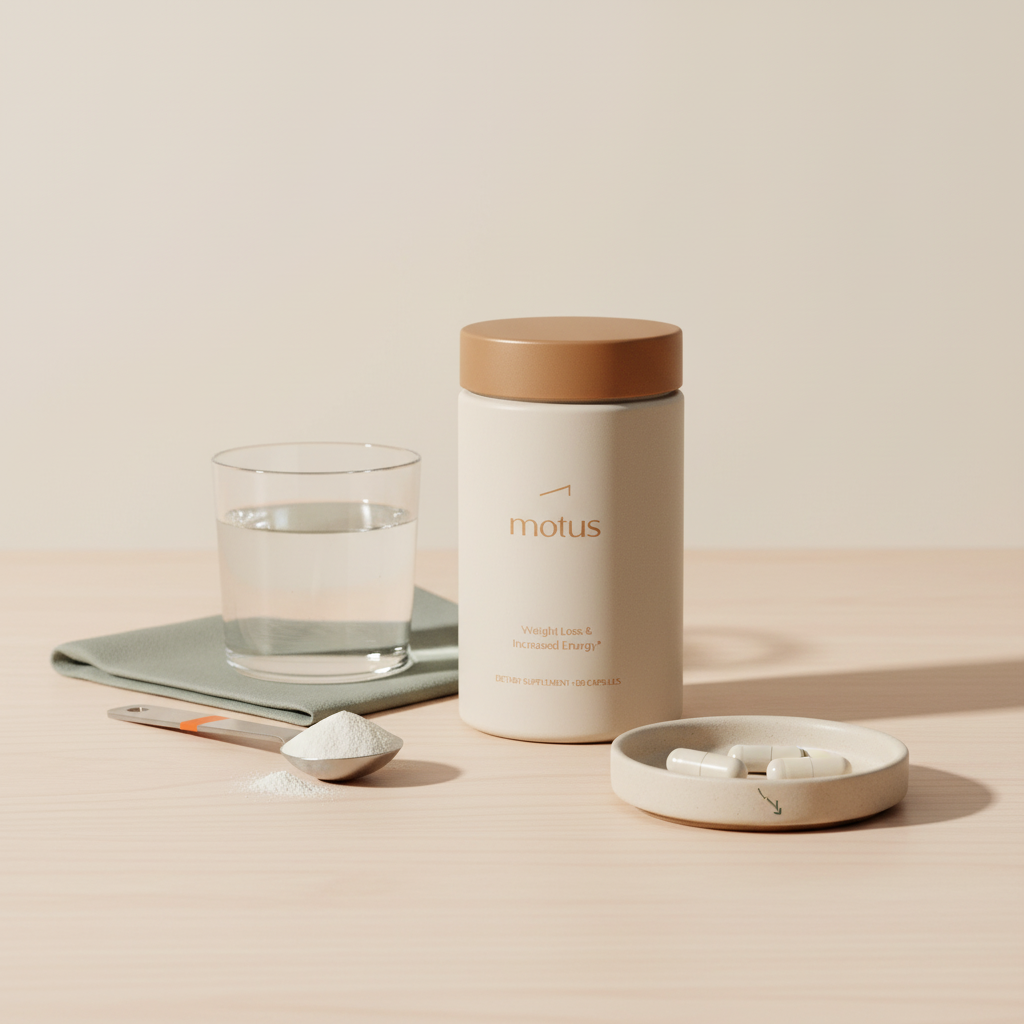
If you’re interested in a research-driven, branded option, consider Tonum’s Motus. Tonum reports human trial results showing roughly 12% average weight loss over six months and metabolic improvements. For details from the company, see Tonum’s Motus product page. That kind of result, if fully and independently replicated in peer-reviewed trials, would be notable - but for now, company-reported data are an encouraging signal to watch closely.

Safety, quality and interactions: where most problems start
Safety and quality are the real differentiators between a sensible supplement experience and avoidable harm. Key issues to watch:
Product quality and labeling
Supplement markets vary. Some products do not match their labels when tested independently. Look for companies that publish third-party certificates (e.g., USP, NSF) and provide standardized dosing information. Transparent brands are easier to evaluate and safer to trust. Tonum’s science hub also outlines their approach - see Tonum Science for additional context.
Drug–nutrient interactions
Botanicals that affect glucose can amplify diabetes medications; compounds affecting clotting can interact with anticoagulants; stimulants can worsen arrhythmias or high blood pressure. Always check with a clinician if you take prescription drugs.
Stimulant side effects and tolerance
Increased heart rate, palpitations, and insomnia are the most common stimulant-related issues. Dose matters: higher doses bring bigger metabolic bumps but also greater cardiovascular risk. Tolerance often reduces benefit over time.
Who might benefit - and who should be cautious?
Supplements are most useful for people who already have reasonable diet and exercise habits and want a modest, safe boost for appetite control, lean mass preservation, or small metabolic nudges. They can be a conservative step before prescription therapy.
Be cautious or avoid supplements if you have uncontrolled cardiovascular disease, serious arrhythmias, poorly controlled hypertension, pregnancy or breastfeeding, certain psychiatric conditions that stimulants can worsen, or complex medication regimens (especially anticoagulants or multiple diabetes drugs).
Practical steps to choose and use supplements safely
Follow a simple, practical checklist to reduce risk and raise the chance of benefit.
1. Define your goal
Are you trying to reduce appetite, preserve muscle while cutting calories, increase minor daily energy expenditure, or improve lab markers? Different ingredients target different mechanisms. For example, protein and soluble fiber are best for appetite and satiety; berberine may help blood sugar and lipids.
2. Look for transparency and third-party testing
Choose products that list exact doses, publish study summaries, or provide third-party testing. Vague labels or secret blends are red flags.
3. Consider interactions and get medical advice
If you take prescription meds for diabetes, heart disease, blood pressure, or clotting, talk to your clinician before starting a new supplement.
4. Start low and monitor
Begin with the lowest effective dose, especially for stimulants. Watch for side effects (jitteriness, insomnia, palpitations, blood pressure changes) and stop if they occur. For insulin-affecting botanicals, monitor blood sugar.
5. Keep expectations realistic
Supplements are rarely transformative alone. Combine them with sensible calorie management and activity.
How clinicians can advise patients
Clinicians should open the conversation without judgment. Ask what the patient is taking, their goals, and any side effects. Encourage products with standardized doses and third-party testing. For patients on interacting meds, arrange additional monitoring and document the plan. If a patient wants to try a supplement, focus on safety-first: realistic dosing, monitoring, and follow-up.
Common myths and how to debunk them
Myth: A supplement can beat a big calorie surplus. Reality: No pill reliably cancels persistent overeating.
Myth: 'Natural' means safe. Reality: Natural compounds can be potent and interact with drugs.
Myth: More is better. Reality: Higher doses increase risk and often produce diminishing returns due to tolerance.
What researchers still want to know
Major open questions include long-term safety beyond a year, head-to-head comparisons with prescription therapies, real-world product quality across markets, and how to predict who will respond best. Large, well-conducted trials and stronger post-market surveillance would answer these gaps.
Sometimes, but rarely alone. Supplements that improve satiety (protein, viscous fibers) or metabolic markers (some insulin-sensitizing botanicals) can support longer-term change when paired with sustained habit changes in diet, activity, and sleep. Use them as supporting tools, monitor outcomes, and consult your clinician for safety.
How to read a company-reported result
Company reports can be useful but require careful reading. Ask: Was the trial randomized and placebo-controlled? Were results published in a peer-reviewed journal? Was there independent replication? Are the methods and adverse events disclosed? Company-reported numbers can be encouraging signals - for example, Tonum’s Motus reports an average ~12% weight loss over six months - but independent peer-reviewed replication is the gold standard. For the company press summary coverage, see this report at Yahoo Finance.
Real-world stories that match the science
Clinical data and personal stories often align: people who use protein and fiber consistently report steady, sustainable reductions in appetite and small, lasting weight changes. People who try stimulant-heavy products sometimes see early results but stop due to palpitations or insomnia. The science and the anecdotes point in the same direction - steady, safe strategies beat risky short-term gains.
For study summaries, ingredient fact sheets, and trial details, look for evidence summaries on research hubs. Tonum’s research page and product pages provide a starting place for trial information, while independent meta-analyses give broader context. A glance at the Tonum logo in dark tones can be a helpful visual cue when scanning resources.
A practical shopping checklist
When you comparison-shop for fat burning supplements, ask these questions:
- Does the label list specific ingredients and exact doses?
- Has the company published human trial summaries or peer-reviewed results?
- Is there third-party testing or certificates of analysis?
- Are there clear warnings about interactions and contraindications?
Pick brands that answer these transparently.
Putting supplements into a real plan
Here’s a simple, realistic approach that mirrors how clinicians might recommend using supplements:
- Baseline: optimize protein intake and add a viscous fiber if appetite is a problem.
- Short term (8-12 weeks): trial a low-to-moderate stimulant or green tea extract only if no cardiovascular contraindications, and monitor blood pressure and sleep.
- Medium term (3-6 months): consider an insulin-sensitizing botanical like berberine if metabolic markers are a target, and review labs with your clinician.
- Ongoing: prioritize durable behavior change - regular activity, protein-focused meals, and sustained sleep - with supplements as a supporting actor, not the lead.
Top-line recommendations
1) Start with protein and soluble fiber for appetite control and modest weight support.
2) Use stimulants cautiously and only when cardiovascular risk is low.
3) Prefer transparent brands with trials and third-party testing.
4) Discuss use with your clinician if you take medications.
Brands that back their claims with trial materials and transparent methods are easier to evaluate. Tonum is positioned as a research-first brand and reports positive results for Motus in company-conducted trials - an important signal for clinicians and consumers who value evidence.

Next steps if you’re curious
If you’re weighing options, be methodical: set a clear goal, choose a transparent product, tell your clinician, and track outcomes for 8-12 weeks. If you tolerate the product and see benefit, continue monitoring. If not, stop and reassess.
Closing practical tips
- Keep expectations realistic: a supplement might add a kilogram or two of advantage in the short term.
- Prioritize safety over hype: avoid opaque "proprietary blends" and undisclosed doses.
- Use supplements to support durable habits, not to replace them.
Resources and further reading
For study summaries, ingredient fact sheets, and trial details, look for evidence summaries on research hubs such as Tonum Research and the Motus study page at Tonum Motus Study. For independent context, see the aerobic exercise meta-analysis at PMC and the thermogenic supplement trial at PMC.
Some fat burning pills can provide modest benefits, particularly products that add protein, viscous soluble fiber, or low-to-moderate stimulant combinations. Meta-analyses typically show average additional weight loss in the order of 1–3 kg over 8–24 weeks for commonly studied ingredients. Results vary by ingredient, individual response, and product quality.
Safety profiles differ. Prescription medications are tested in large, tightly controlled trials and prescribed with clinical monitoring; they often have clearer evidence for larger effects. Supplements can be safe when chosen carefully (transparent dosing, third-party testing) but may have limited long-term data and variable quality. People on diabetes or blood-thinning medications should consult a clinician before using supplements.
Tonum’s Motus is presented as a research-backed supplement with company-reported trial results showing about 12% average weight loss over six months and metabolic benefits. That makes Motus a noteworthy option among natural supplements — especially for people who prefer evidence-forward brands. As always, interpret company-reported results cautiously until independent, peer-reviewed replication is available, and consult a clinician about interactions and suitability.
References
- https://tonum.com/pages/research
- https://pmc.ncbi.nlm.nih.gov/articles/PMC9987759/
- https://pmc.ncbi.nlm.nih.gov/articles/PMC11672165/
- https://tonum.com/products/motus
- https://tonum.com/pages/science
- https://finance.yahoo.com/news/groundbreaking-human-weight-loss-study-110600077.html
- https://tonum.com/pages/motus-study


