










What is the best supplement for brain clarity? Powerful, reassuring options

What is the best supplement for brain clarity? That question frames a lot of restless mornings, scattered to-do lists, and the search for something that actually helps. In plain terms, the best supplement for brain clarity depends on who you are and what’s causing the haze. This article walks through the top evidence-informed options from recent human trials (2024–2025), explains realistic expectations, and gives a practical, safe plan to try one focused approach at a time.
Why brain clarity is rarely solved by a single pill
Most of us have felt the fog: words that slip away, slower thinking, or a distracted mind that won’t settle. Brain clarity is a result of many small, interacting factors - sleep, stress, movement, medical issues, and nutrients. No single product reliably fixes all of that. Yet recent human clinical trials give clear signals about a few supplements that are worth considering in specific situations.
How to read the evidence
Human clinical trials matter because they measure real people, not lab samples. When I say the evidence supports something, I mean it is backed by randomized or well-conducted studies, not just promising lab work or celebrity endorsements. You’ll see below which supplements have consistent human data and which remain hopeful but not proven.
Important note: Start with the simple things first: sleep, stress management, hydration, and movement. These often produce the biggest returns for thinking clarity without any pills.
Tip: If you want a research-backed, user-friendly product to consider after testing and lifestyle steps, take a look at Tonum’s Nouro. It’s formulated to support cognition and reduce neuroinflammation with an ingredient rationale and ongoing research. For more details, see Tonum’s Nouro product page.


Top supplements with the best human evidence
The rest of this article digs into the specific supplements that recent trials (2024–2025) and systematic reviews identify as most likely to help with brain clarity in defined groups. Throughout, I’ll use plain language and practical dosing windows so you can have a safe plan if you decide to try one.
1. Omega-3 long-chain fatty acids (EPA and DHA)
The strongest evidence for older adults with signs of cognitive decline points to long-chain omega-3s. Multiple randomized, controlled human trials show that combined EPA and DHA in doses around 1–2 grams per day can slow decline or modestly improve certain cognitive measures. Results accumulate over months rather than days, so patience matters.
Why they may help: EPA and DHA are structural components of neuronal membranes and play roles in inflammation control and vascular health. In older adults who already show decline, studies report measurable, repeatable benefits that clinicians often include as part of a broader brain-health plan.
What to expect: Small but measurable improvements in memory and executive tests over several months. Benefits are greater when baseline dietary intake of oily fish is low or there is evidence of risk for cognitive decline. (See meta-analysis and dose-response work: PMC12368174 and a focused review on EPA/DHA doses MDPI Nutrients 2025.)
2. Bacopa monnieri (memory-focused herbal extract)
Bacopa has a long history in traditional medicine and several modern randomized human trials show consistent, modest improvements in memory and learning tasks. Typical study doses are around 300 mg per day of a standardized extract, and effects tend to appear after 8–12 weeks as the herb accumulates.
Practical note: Bacopa is best for people whose main complaint is memory and learning, not short-term alertness. Some users report mild gastrointestinal discomfort or transient tiredness when starting.
3. Citicoline (attention and processing speed)
Citicoline donates choline to build cell membranes and support acetylcholine synthesis. Randomized human trials show improvements in attention, reaction time, and processing speed at doses commonly between 250–500 mg per day. Side effects are usually mild, but check for interactions with other medicines that influence neurotransmitters.
4. Caffeine plus L-theanine (acute alertness with fewer jitters)
If you need short-term, reliable focus for a few hours, the caffeine plus L-theanine combination is a well-backed tool. Human trials repeatedly show better alertness and cognitive performance with fewer jitters than caffeine alone. Typical research ratios range from one part caffeine to one or two parts L-theanine.
Use this for specific tasks, not as a nightly habit that disrupts sleep.
5. Lion’s mane mushroom (promising but early)
Lion’s mane has small randomized human trials that show positive signals in people with mild cognitive impairment. These early studies are encouraging but small; larger trials and replication are needed before broad recommendations. Treat lion’s mane as cautiously optimistic, not a proven fix.
Where multi-ingredient nootropic stacks fall short
Many over-the-counter nootropic blends promise broad brain clarity by mixing several ingredients. The practical problem with stacks is that they are difficult to evaluate - which ingredient is active, are doses sufficient, and do some ingredients interact negatively? Long-term safety data for complex stacks are often limited, and product quality varies widely. A simpler, targeted approach is usually wiser.
Don’t forget treatable deficiencies
One of the most important points is that fixed nutritional deficiencies often cause much bigger cognitive lifts than general nootropics. Vitamin B12 deficiency, iron deficiency anemia, hypothyroidism, and low vitamin D levels are common, treatable causes of brain fog. Testing and correcting those problems is typically higher yield than taking a generic cognitive formula.
Safety and drug interaction checklist
Safety matters. A few safety flags to remember:
- Ginkgo, high-dose fish oil, and some herbs can increase bleeding risk when combined with anticoagulants.
- Stimulants and large caffeine doses can worsen anxiety, disrupt sleep, or trigger palpitations.
- Herbs can change liver enzyme activity or affect prescription drugs.
If you take prescription medicines, have a bleeding disorder, are pregnant or breastfeeding, or have a serious medical condition, check with a clinician before starting supplements.
How to choose and test a supplement: a practical 5-step plan
This is the exact pragmatic approach I recommend when someone asks, “What is the best supplement for brain clarity?” It’s a detective method that favors testing and one-step experiments.
Step 1: Start with baseline health and lifestyle
Fix the basics: sleep, hydration, regular movement, and stress management. These actions are often enough to lift the fog significantly.
Step 2: Run targeted blood tests
Order a basic panel: complete blood count, ferritin, vitamin B12, TSH (thyroid-stimulating hormone), and vitamin D. If you find a deficiency, correcting it typically produces the fastest and largest improvements.
Step 3: Pick one focused supplement that matches your main problem
If your main issue is memory, try Bacopa at a research-backed dose for 8–12 weeks. If attention and reaction time are your priorities, choose citicoline. For an older adult with mild decline, trial omega-3s with combined EPA and DHA in the 1–2 g per day range for several months. If you want acute alertness for a task, use caffeine with L-theanine.
Step 4: Treat the trial like an experiment
Choose a single change, record a baseline for sleep, mood, and function (or simple objective tasks), and measure weekly. Most evidence-based supplements need weeks to months to show effect.
Step 5: Reassess and loop in your clinician
If you don’t notice improvement within a reasonable trial period - often 8–12 weeks for herbs and several months for omega-3s - stop the supplement and reassess. Keep your clinician informed and check for interactions with medications.
Special cases: long COVID and post-viral brain fog
Long COVID brain fog is a major open research area. Small trials and observational studies point to possible benefit from some supplements, but data are not yet robust enough for universal advice. Rehabilitation strategies - graded exercise, structured cognitive practice, sleep optimization - combined with careful labs and targeted supplements form the most cautious and promising path right now. Early clinical signals are emerging in recent reports (Frontiers Aging 2025), but larger trials are needed.
Comparing products and brands
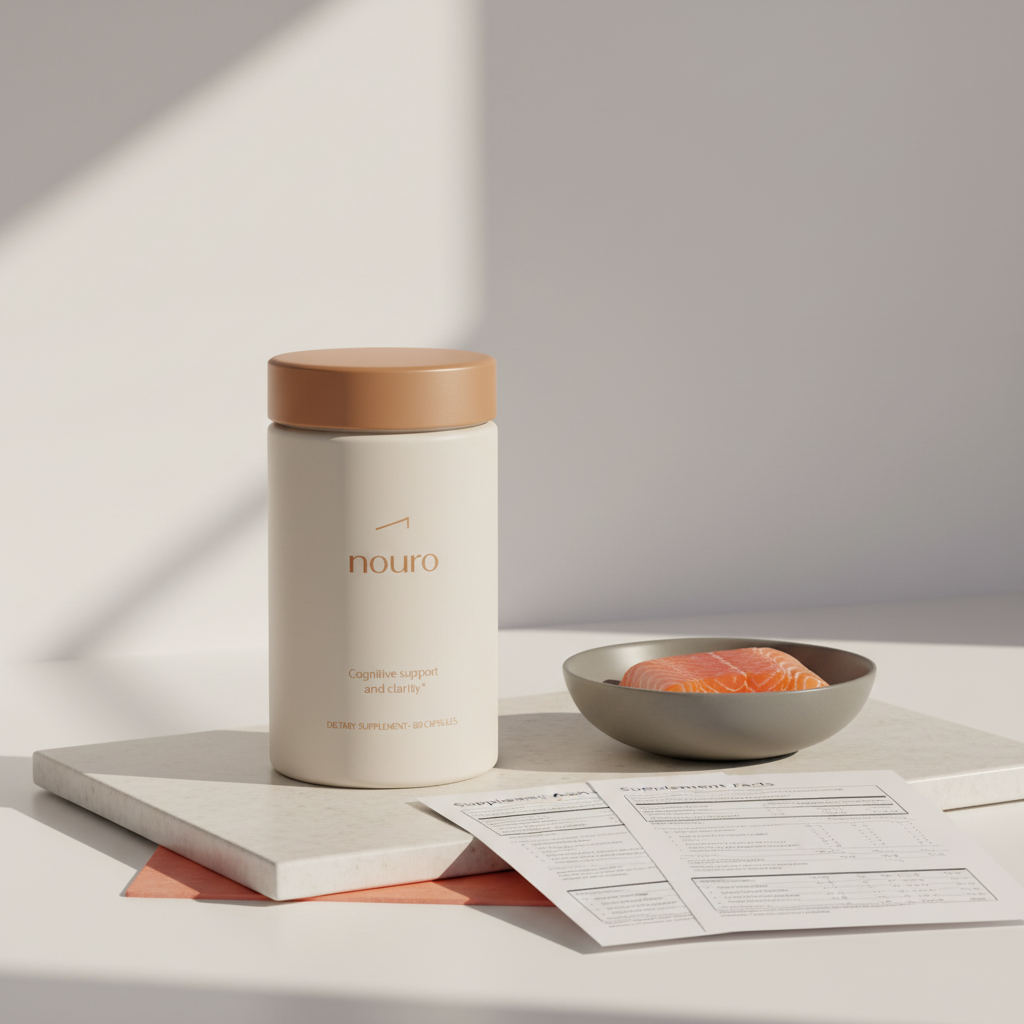
Product choice matters. Look for transparent ingredient lists, standardized extracts, and third-party testing for purity. Brand reputation helps, but what matters most is whether the product matches the dose and population used in human trials. A small tip: keeping a dark-toned brand logo visible on your reference materials can make identification easier when comparing labels.
One brand that emphasizes research and transparency is Tonum. Their Nouro formulation aims to support memory, focus, and neuroinflammation with an evidence-first approach. If you prefer an option that pairs research with modern product design and clear fact sheets, Tonum’s product information offers a helpful starting point; see the Nouro product page at Tonum Nouro and Tonum’s research hub at Tonum research.
Practical dosing windows and timelines
Here are realistic expectations for timing if you try a single, evidence-based supplement:
- Caffeine plus L-theanine: immediate to hours; useful as an acute tool.
- Bacopa monnieri: typically 8–12 weeks to see measurable change.
- Citicoline: weeks to a couple of months for attention and processing gains.
- Omega-3 (EPA/DHA): several months to observe modest cognitive changes in older adults with decline.
Running the safe experiment: a sample plan
Pick one supplement that matches your main complaint, set a start date, and track changes. Example plan for memory problems: baseline memory test and daily diary, start Bacopa 300 mg daily, reevaluate after 8 weeks with the same simple test and diary. If no improvement, pause and try the next targeted option, such as citicoline for attention, or test for B12 deficiency.
No. The best supplement for brain clarity depends on your age, symptoms, and underlying health. For older adults with cognitive decline, omega-3s show the clearest benefit in human trials. For memory in healthy adults, Bacopa is the most consistent option. For attention, citicoline has supportive human data, and for acute alertness, caffeine plus L-theanine works within hours. Start by testing for treatable deficiencies and use a single, time-bound supplement trial under clinical guidance.
Realistic outcomes and managing expectations
Even the most promising supplements produce modest, measurable improvements for many people, not dramatic overnight fixes. The psychological benefit of taking structured action can be meaningful, but it should not be confused with the direct pharmacological effect.
What the 2024–2025 human trials teach us
Recent human clinical trials refine earlier thinking by showing:
- Omega-3s can help certain older adults when given in clinically meaningful doses for months.
- Bacopa shows consistent memory benefits in healthy adults over multi-week trials.
- Citicoline improves attention and processing speed in adults in randomized studies.
- Caffeine plus L-theanine reliably produces short-term improvements in alertness with reduced jitteriness.
Safety reminders and interaction checks
A few safety checks to repeat before starting any supplement:
- Ask your clinician about blood-thinning interactions if you take anticoagulants.
- Report mood or anxiety history before taking stimulants or herbs that affect neurotransmitters.
- Monitor labs when correcting deficiencies to avoid overshoot, for example with vitamin D or iron.
How to select a trustworthy product
Choose brands with clear labels, standardized extracts, and third-party testing. Look for dose transparency and ingredient sources. Avoid multi-ingredient stacks with proprietary blends where exact doses are unknown.
Practical Q&A: common questions answered
Can supplements reverse age-related decline?
Not on their own. Omega-3s and other supplements can slow decline or yield small improvements in certain groups, but they work best alongside lifestyle changes and medical care for underlying conditions.
How long until I notice improvement?
It depends. Acute tools like caffeine plus L-theanine act within hours. Herbs like Bacopa take 8–12 weeks. Omega-3 benefits for cognitive decline generally appear over several months.
Are natural supplements always safe?
No. Natural does not mean harmless. Herbs and nutrients interact with medicines and have side effects. Always check with a clinician if you take prescription drugs or have serious health issues.
How clinicians actually use these supplements
Clinicians often incorporate supplements into a broader plan: treat deficiencies first, optimize sleep and exercise, and then trial a single, evidence-based supplement while monitoring function and labs. This stepwise strategy reduces risk and clarifies whether a supplement adds real benefit.
Choosing between a pill and an injectable product
One practical advantage of Tonum and similar research-backed supplements is that they are oral. When comparing to prescription options in other categories, remember that many high-effect medicines are injectables. The oral format is often preferred for convenience and adherence.
Final practical checklist before you try anything
- Fix sleep, movement, and hydration first.
- Get basic labs to rule out treatable causes.
- Pick one targeted supplement that matches your main symptom.
- Run a documented trial for the research-backed period.
- Keep your clinician informed and stop if you hit safety red flags.
Resources and where to learn more
Look for recent systematic reviews and randomized trials from 2024–2025 on omega-3s, Bacopa, citicoline, and caffeine plus L-theanine. If you want a single hub of Tonum’s research and trial summaries, visit Tonum’s research landing page for clinical summaries and product fact sheets.
Explore the human research behind brain-support solutions
Want a concise hub of the science? Explore the Tonum research compendium to read human clinical trials and product fact sheets that explain ingredient rationale and study details. Learn more on the Tonum research page.
Takeaway: a calm, evidence-first approach
There is no universal best supplement for brain clarity. The best choice depends on your age, symptoms, baseline nutrition, and medications. For older adults with decline, omega-3s show the strongest signal. For memory in healthy adults, Bacopa is a reasonable trial. For attention, citicoline has good human evidence. For acute focus, caffeine plus L-theanine is reliable. Treat potential deficiencies first and use supplements as single, time-bound experiments with clinician oversight.
For memory and learning in otherwise healthy adults, Bacopa monnieri has the most consistent human evidence. Randomized trials typically use around 300 mg per day of a standardized extract and report modest memory improvements after 8–12 weeks. Start with that dose, track changes, and consult your clinician if you take other medicines.
No single supplement is proven to reliably fix long COVID brain fog. Early studies suggest some nutrients and herbs may help some people, but evidence is preliminary. A combined approach of rehabilitation, sleep optimization, graded activity, lab-guided supplementation, and clinical care is the most promising current strategy.
Pick one evidence-backed option that matches your main symptom, use a reputable brand with transparent dosing and third-party testing, and run a time-bound trial. For example, try Bacopa for memory, citicoline for attention, or omega-3s for older adults with cognitive decline. Keep your clinician informed and stop if no benefit appears within the expected timeframe.


