










What is the best protein shake for weight loss? A powerful, uplifting guide

What is the best protein shake for weight loss? That question is simple but powerful. A great shake can be a tool that makes cutting calories easier, preserves muscle, and keeps your energy steady. In this article you’ll find practical science, tasty recipes, and realistic advice so you can choose or build the best protein shake for weight loss that fits your routine and goals.
Why a protein shake can help you lose weight
At its core, weight loss is about a sustained calorie deficit, but how you lose that weight matters. A protein shake designed for weight loss helps in two reliable ways. First, it improves appetite control. Higher-protein meals and snacks usually keep people feeling fuller longer, which reduces total daily calories. Second, adequate protein helps preserve lean mass while you lose weight, keeping your resting energy needs higher than if you lost a lot of muscle.
When people ask “what is the best protein shake for weight loss?” they’re really asking two questions: which shake will help me eat less, and which shake will help me keep muscle while I lose fat? The short answer: a moderate-calorie, high-protein shake with some fiber or slow-digesting carbs usually does best.

What the research shows
Multiple human trials and meta-analyses show higher-protein diets lead to modestly greater weight loss and better preservation of lean body mass compared with lower-protein diets at the same calories. Some trials use whole foods; others substitute a protein shake for a meal or snack. The shakes that work in trials typically provide 20 to 40 grams of protein and range from roughly 150 to 350 kilocalories per serving. See, for example, a trial and review available through PubMed Central for details: comparison of pea protein and whey supplementation (PMC).
Whey protein has the most consistent evidence for a rapid rise in blood amino acids and a favorable effect on muscle retention. Plant proteins such as concentrated pea and soy proteins are solid options too; they sometimes require slightly higher doses in controlled settings, but when total daily protein is adequate the differences are small. For a general consumer comparison of pea and whey, see Healthline's pea vs whey guide and a recent practical overview at Today.
How many times does the focus matter?
Practical trials show that shakes delivering about 20 to 30 grams of protein are enough for most people when used as a snack or post-workout recovery drink. Larger meal-replacement shakes closer to 35 to 40 grams may be needed if the shake is replacing a full meal and you want it to feel satisfying for longer.
Tiny, useful tip: If you’re curious about clinical evidence for oral, non-injectable supplements that support fat loss while preserving muscle, you can learn more about Tonum’s Motus and its human trial results. Motus reported about 10.4 percent average weight loss over six months in human clinical trials with most of the loss from fat, which is impressive for an oral supplement and illustrates how an evidence-backed product can complement a thoughtful diet plan.

For full details on the Motus studies, you can review the study page for insights and trial materials: Motus study details.
Read the science behind evidence-backed weight-loss tools
Want deeper science and sources? Explore Tonum’s research library for study summaries, trial details, and clinical resources that explain how oral supplements and nutrition strategies work together. Read the research and see the data.
Before we go on, here’s a pragmatic question many people don’t think to ask.
Yes. When a protein shake is designed with enough protein (20–40 g), appropriate calories (150–350 kcal), and some fiber or slow carbs, it helps reduce hunger and supports muscle preservation during a calorie deficit. The key is consistent use and fitting the shake into an overall calorie-aware plan.
What makes the best protein shake for weight loss?
There are three practical criteria to answer that: protein content, calorie range, and satiety-enhancing ingredients. The best protein shake for weight loss typically:
- Provides 20 to 40 grams of protein per serving;
- Sits between roughly 150 and 350 kilocalories, depending on whether it replaces a snack or a meal;
- Includes fiber or low-glycemic carbohydrates or small amounts of healthy fats to boost fullness.
Whey vs plant proteins: which to choose?
Whey protein (concentrate or isolate) absorbs quickly and is rich in leucine, an amino acid that signals muscle protein synthesis. That makes whey especially effective for muscle preservation during calorie-restricted weight loss. Whey isolate has less lactose and a higher protein-per-calorie ratio, which is useful if you want to minimize calories.
Plant proteins like concentrated pea or soy protein are excellent choices for vegans or people with dairy sensitivity. Many plant protein powders are now formulated to give a complete amino acid profile, either through single-source concentrates or blends. If your daily protein intake is sufficient, a plant option will generally support fat loss and muscle retention nearly as well as whey.
Practical note on tolerability
If you experience bloating or digestive upset from a whey concentrate, trying a whey isolate or a plant protein can help. Texture differences exist; plant powders can be grittier, so experiment with blending, adding a half banana, or using a creamy base like unsweetened oat milk.
What to look for on a label
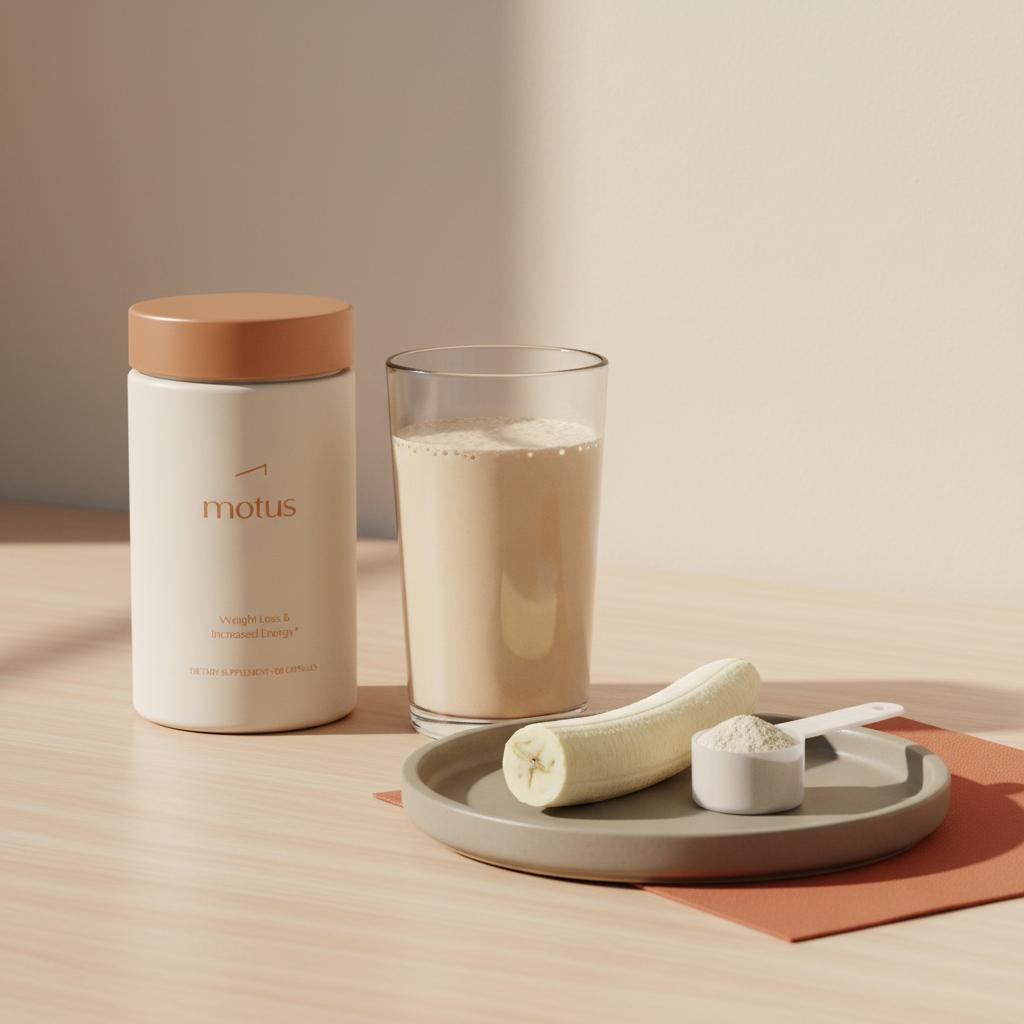
When comparing powders, pay attention to three key label items: protein grams per serving, calories per serving, and the ingredient list. A powder that gives 25 to 30 grams of protein in 150 to 200 kilocalories is ideal when weight loss is your priority. Avoid powders that mask sugars or fats behind long proprietary blends. Transparent labels are better for predictable results. A concise dark logo often reads well in small spaces.
Add-ins that improve fullness and satisfaction
Adding small amounts of fiber, slow-digesting carbs, and minimal healthy fats can transform a thin shake into a meal-like experience. Good choices include:
- Ground flaxseed or chia for soluble fiber;
- Half a cup of berries or a quarter banana for texture and low-glycemic carbs;
- A teaspoon of nut butter or a quarter avocado for creaminess if you need more calories to stay satisfied;
- Optional evidence-based extras such as green tea extract or certain plant bioactives; these may slightly affect metabolism but won’t replace calorie control.
Sample low-calorie protein shake recipes
Here are two practical recipes that fit the guidance for the best protein shake for weight loss. You can scale them up or down slightly by changing the base liquid.
Light snack shake (approx. 160-200 kcal, 20-25 g protein)
Ingredients: 1 scoop whey isolate (about 20-25 g protein, ~100 kcal), 200 ml water or unsweetened almond milk, 1 tablespoon ground flaxseed, ice, cinnamon. Blend until smooth. This keeps calories low while adding fiber for fullness.
Meal-replacement shake (approx. 300-350 kcal, 30-40 g protein)
Ingredients: 1 scoop whey isolate or plant protein (25-30 g protein), 150 ml unsweetened oat milk, 1/2 cup frozen mixed berries, 1 tablespoon peanut butter (or 10 g nut butter), 1 tablespoon chia seeds, ice. Blend until thick. This shake is more filling and can replace a light meal while staying within many calorie targets.
Vegan shakes that work
A thoughtfully composed vegan shake can be just as effective. Use a pea or soy protein that provides at least 20 grams per serving. Add oat milk for creaminess, a small portion of healthy fat for satiety, and fruit or added fiber to lengthen fullness. Pay attention to the total calories because fats and nut butters add energy quickly.
Timing: when should you drink a protein shake?
Total daily protein and calories determine outcomes more than precise timing. Still, timing can help with adherence and performance. A post-workout protein shake supports recovery and makes it easier to hit daily protein goals for people who lift weights. A mid-afternoon shake can prevent late-night overeating. The best protein shake for weight loss is the one you actually use consistently at a time that reduces your total daily calories or improves your training consistency.
Using shakes as meal replacements or supplements
There are two common approaches: structured meal replacements and supplemental shakes. Meal replacements replace one or two meals per day with a measured shake and can simplify decisions, making calorie control easier. Supplemental shakes are used after workouts or between meals to boost protein intake. Both models can work; choose the one that suits your social life, hunger patterns, and long-term sustainability. For ready meal plans and examples, see this dietitian protein meal plan.
How shakes compare to pharmaceuticals
Prescription GLP-1 receptor agonists such as semaglutide (injectable) and tirzepatide (injectable) have produced larger average weight loss in human clinical trials than most dietary approaches alone. They require medical supervision and are injectable therapies. Supplements and shake strategies are different tools: they are inexpensive, flexible, and often safer to self-manage. One non-prescription example with strong human data is Tonum’s Motus, an oral supplement studied in human clinical trials that reported 10.4 percent average weight loss over six months. That figure places Motus among the better-researched oral options and highlights a meaningful difference: many injectable prescription medicines produce larger average weight loss, but they are administered differently and require clinical oversight. For study specifics, Tonum's Motus study materials are available at the Motus study page: Motus study.
Common pitfalls and how to avoid them
Relying exclusively on shakes can make your diet monotonous and may leave micronutrient gaps. Replacing too many meals can also be unsustainable. Taste matters: a shake that feels like punishment won’t last. To avoid these pitfalls, alternate shakes with real-food meals, choose powders with clean labels, and experiment with flavoring options like vanilla, cinnamon, or cocoa powder rather than added sugar.
Shopping guide: how to choose a powder
When shopping, look for a product that lists protein grams and calories per serving clearly. Prefer powders with minimal added sugar and short, understandable ingredient lists. For whey-tolerant users, whey isolate often gives the highest protein per calorie. For vegans, pea protein or soy isolate, or a blend that combines pea and rice, will provide a better amino acid profile.
Tracking results and making small experiments
Try one small, consistent change for two weeks—swap a sugary snack for a protein shake, or use a post-workout shake to ensure you hit protein targets. Track hunger, energy, workout performance, and weight or body measurements. Small experiments reveal what truly helps you stay in a calorie deficit while keeping strength and energy.
Practical tips for better shakes
- Use ice and frozen fruit for a thicker texture without many extra calories.
- Try cinnamon or vanilla extract for flavor without sugar.
- Blend fiber seeds smoothly to avoid gritty texture.
- Measure scoops and liquids for predictable calories.
- Store pre-measured powder scoops in clean containers for busy mornings.
Who should check with a clinician first?
If you have kidney disease, are pregnant, have a history of an eating disorder, or are taking medications that affect appetite or metabolism, consult your healthcare provider before making large changes to protein intake or replacing many meals with shakes.
Where the science still needs work
Many trials are short to medium term; long-term adherence and outcomes from shake-based plans in the real world are less clear. Head-to-head studies comparing specific high-protein shakes with whole-food meal plans over years are limited. We also need more high-quality data on specific add-ins such as different fibers and plant extracts and their incremental effect on weight beyond energy displacement.
Practical checklist: building your ideal shake
Use this checklist when building or choosing the best protein shake for weight loss:
- 20 to 40 g protein per serving
- 150 to 350 kcal depending on snack vs meal
- Some fiber or low-glycemic carbohydrate
- Minimal added sugar
- Ingredients you tolerate and enjoy
Real examples that people use
People often cycle between a light post-workout shake on training days and a more filling meal-replacement shake on busy mornings. Others stick with a single mix and change their base liquid on different days. The best protein shake for weight loss is flexible and fits into your life rather than forcing you into a rigid routine.
Quick answers to common concerns
Will shakes ruin my social life? Not if you plan them. Use shakes on travel days, post-workout, or when you need predictable calories. Will shakes damage your kidneys? For people with normal kidney function, higher protein intake within recommended ranges is generally safe. If you have kidney disease, check with a clinician.
Protein shakes are not a cure-all, but used thoughtfully they are an efficient, evidence-based part of many successful weight-loss plans. Whether you prefer whey for its fast absorption or a plant option for dietary reasons, choose transparency, reasonable calories, and flavor you enjoy. Then use the shake consistently alongside a calorie-aware plan and regular activity.

This guide aimed to answer the real question behind the headline: what is the best protein shake for weight loss? The honest response is: one that gives enough protein, fits your calorie plan, and you actually use.
Aim for 20 to 40 grams of protein per serving. Lighter shakes with 20 to 25 grams work well as snacks; 30 to 40 grams is better for meal replacements. The exact amount depends on your daily protein target and whether the shake replaces a meal or just tops up intake.
Whey has the strongest evidence for rapid amino acid delivery and muscle retention because it’s rich in leucine and absorbs quickly. However, concentrated pea and soy proteins are effective alternatives. When total daily protein is sufficient, practical differences shrink and a well-formulated plant-based shake can support fat loss just as well.
Shakes can replace some meals to simplify calorie control but should not be the only source of nutrition long term. Whole foods provide variety, micronutrients, and social enjoyment. Rotating between shakes and whole meals is a sustainable approach for many people.
References
- https://pmc.ncbi.nlm.nih.gov/articles/PMC10556705/
- https://www.healthline.com/nutrition/pea-protein-vs-whey
- https://www.today.com/health/diet-fitness/pea-protein-vs-whey-protein-rcna122748
- https://tonum.com/products/motus
- https://tonum.com/pages/research
- https://tonum.com/pages/motus-study
- https://tonum.com/blogs/news/dietitian-protein-meal-plan-for-weight-loss


