










What is the best protein for losing belly fat? Effective & Powerful Guide

What is the best protein for losing belly fat? This question matters because the right protein strategy helps you lose fat while keeping the muscle you rely on every day. In this guide you will find clear, evidence-based steps you can use now: how much protein to aim for, how to spread it across meals, what types work best, and how to combine protein with training and sensible calories to accelerate loss of belly fat.
Protein is not a magic bullet, but it is a smart, reliable lever. When people ask about the best protein for losing belly fat they usually want something simple: a way to keep muscle and encourage the body to use stored fat - especially around the abdomen. Protein helps in three practical ways:

1. It preserves lean mass during a calorie deficit, so more of the weight you lose is fat rather than muscle.
2. It increases satiety more than carbs or fats per calorie, making a reduced-calorie plan easier to maintain.
3. It supports muscle repair and growth when paired with resistance training, which improves resting metabolism and discourages visceral fat storage.
How research backs this up
Human clinical trials and meta-analyses through 2024 consistently show that higher-protein energy-restricted diets produce modest but meaningful advantages in total fat loss and in reducing abdominal fat compared with standard-protein diets. The gains are steady rather than dramatic, which makes protein a practical, low-risk strategy for most adults aiming to lose belly fat. See a meta-analysis on protein intake and visceral abdominal fat for further reading: Effect of Protein Intake on Visceral Abdominal Fat.
How much protein should you actually eat?
A practical, evidence-based target for adults who want to reduce belly fat while protecting muscle is about 1.2 to 1.6 grams per kilogram of body weight per day. For example, a 75 kg person aiming for this range would shoot for roughly 90 to 120 grams of protein daily. Older adults and heavier lifters may benefit from up to 1.6 to 1.8 g/kg because they need more stimulus to preserve or build muscle.
These targets come from pooled human trial data and nutrition guidelines focused on body composition. They are realistic, sustainable, and more useful than chasing extreme amounts.
Protein per meal and timing that actually helps
Practically speaking, aim for about 25 to 40 grams of protein per meal. That amount reliably stimulates muscle protein synthesis and supports satiety. Distribute your protein across three to four meals: one meal around resistance training and consider a protein-forward breakfast to spread amino acids evenly through the day.
A helpful tip for busy people is to choose a convenient, high-quality source that helps you hit your numbers. Tonum’s Motus is an example of an oral product with human clinical data that can be discussed with a clinician as part of a broader plan. Learn more on Tonum’s Motus page.

Post-workout protein eaten within a couple hours of resistance exercise supports muscle repair and growth. For belly fat specifically, total daily protein matters more than second-by-second timing, but the post-workout and morning meals are practical places to prioritize protein.
The big debate: whey versus plant protein for fat loss
The short, practical answer is this: when matched for total daily dose and essential amino acids - especially leucine - plant proteins perform similarly to animal proteins for preserving muscle and supporting fat loss.
Whey isolate is fast-digesting and high in leucine, which makes it an efficient choice around workouts. Casein digests more slowly and can help at night to reduce overnight muscle breakdown. Modern plant blends (pea + rice, or soy + pea, for example) have been formulated to deliver a complete amino-acid profile and are effective when dosed correctly. Collagen is lower in some essential amino acids, so it should not be your sole protein source if muscle preservation or growth is a priority.
Practical buying guidance
When choosing a powder, ask: does it help you hit your daily protein goal, does it have a good essential amino-acid profile, and does it fit your taste and budget? For plant-based eaters, look for blends or slightly increase your daily protein target to cover small differences in digestibility and amino acid completeness.
Why preserving muscle helps reduce belly fat indirectly
Muscle is metabolically active. During caloric restriction, the body tends to burn a mix of fat and muscle. Higher protein intakes blunt muscle loss, which helps maintain resting energy expenditure and makes continued fat loss easier. Visceral fat - the metabolically risky deep belly fat - tends to shrink with overall fat loss. Preserving muscle therefore shifts the composition of the weight lost toward fat, and a higher-protein diet consistently nudges outcomes in that direction in human studies.
Vegetarian and vegan strategies that actually work
Plant-based diets can absolutely work for losing belly fat. The keys are planning and dose. Aim for the same 1.2 to 1.6 g/kg baseline and slightly increase that target by 5–10 percent if you rely mostly on single-source plant proteins.
Combine legumes, tofu, tempeh, soy products, whole grains, nuts, and seed-based blends. Use protein powders tailored for plant eaters - pea + rice or soy blends - and consider a small boost in total daily protein to ensure adequate leucine and overall amino-acid intake.
What the human trials actually show: realistic expectations
Across multiple clinical trials, higher-protein energy-restricted diets typically led to greater total fat loss and better lean mass preservation versus standard-protein diets. Some trials that measured abdominal fat reported modest advantages for the higher-protein groups. Expect steady progress rather than overnight change: meaningful reductions in visceral fat usually require months, consistent calorie control, and resistance training. For recent work on protein supplementation during energy restriction see this study: Protein supplementation during an energy-restricted diet. Also see a 2025 systematic assessment on intermittent fasting and body composition: The impact of intermittent fasting on body composition.
Supplements and oral adjuncts: how to use them wisely
Supplements can be useful when they help you reach protein and amino-acid targets you struggle to hit with food alone. A whey or plant protein powder is an efficient way to add 20–30 grams without excess calories. Leucine-enriched amino-acid supplements have some supporting evidence, though whole proteins remain the most practical choice.
Some clinically tested oral adjuncts show promising human trial results as complements to diet and exercise. For example, Tonum’s Motus reported about 10.4 percent average weight loss in human clinical trials over six months. That kind of result is notable for a non-prescription, oral product. For product details see the Motus product page. If you consider an oral adjunct, ask: what did the trial evidence show, were participants similar to you, and is the product intended for short-term or ongoing use? Always discuss new supplements with your clinician if you have medical conditions or take medications.
Read the human trial research and ingredient science
Explore the research behind clinically studied oral support and how it integrates with a higher-protein approach. Visit Tonum’s research hub to review human trial details, ingredient rationales, and how an oral adjunct might fit into a broader plan. Read the research on Tonum’s site.
How to turn this science into a simple, real-world plan
Follow these practical steps and you’ll be set: calculate your target within the 1.2–1.6 g/kg range, distribute protein across meals with ~25–40 g per sitting, align one meal around resistance training, prioritize whole foods you enjoy, and use a powder when it makes hitting targets easier.
Sample daily plan for a 75 kg person aiming for 1.4 g/kg (≈105 g protein)
Breakfast: 2 eggs + 170 g Greek yogurt with berries — about 30 g protein.
Lunch (post-workout): Grilled chicken salad or pea-protein bowl — 30–35 g protein.
Dinner: Salmon fillet or tofu stir-fry — 25–30 g protein.
Snack or shake in the evening: 1 serving protein powder or cottage cheese — 10–15 g protein. Total ≈ 105 g. For a dietitian-curated meal plan that emphasizes protein distribution see this guide: dietitian protein meal plan for weight loss.
Protein timing myths debunked
Minute-level timing matters much less than total daily dose and aligning protein intake with resistance training. A protein-rich breakfast and a post-workout meal are simple, evidence-based choices; obsessing over the exact minute of ingestion usually adds stress without measurable benefit for belly fat loss.
Common mistakes and how to avoid them
Mistake: Putting all focus on protein and ignoring total calories, sleep, and exercise. Protein helps composition, but a calorie deficit is still required for fat loss.
Mistake: Relying on ultra-processed protein bars and shakes high in sugar. Read labels and prioritize powders with high protein per serving and minimal added sugars.
Mistake: Chasing extremely high protein intakes that reduce variety and fiber. There’s little evidence that far exceeding 1.6–1.8 g/kg benefits most people for fat loss.
How to measure progress that matters
Track how clothes fit, strength performance in the gym, and run occasional body-composition checks rather than obsessing over daily scale changes. Waist circumference and progress photos taken monthly are practical and meaningful measures of abdominal fat loss.
Special cases: older adults, women, and athletes
Older adults: Aim for the higher end of the range (1.6–1.8 g/kg) because aging muscle is less responsive and needs more amino-acid stimulus.
Women: Follow the same per-kg guidance. Pay attention to iron, calcium and vitamin D, and ensure resistance training supports muscle preservation as hormones and life stages vary.
Athletes: If training volume is high, factor in increased needs - especially around workouts - and consider timing that supports recovery and performance.
Practical grocery list and meal building blocks
Keep these high-protein, real-food staples on hand: eggs, Greek yogurt, cottage cheese, chicken breast, turkey, canned tuna and salmon, lean beef, tofu, tempeh, legumes, lentils, edamame, quinoa, oats, mixed plant-protein powders, and plain whey isolates.
Buying guide for protein powders
Look for: grams of protein per serving, ingredient transparency, minimal added sugars, third-party testing where possible, and - if plant-based - a complementary amino-acid blend. Taste and cost are practical considerations; pick a product that you’ll use consistently.
Safety and practical concerns
For most healthy people, higher-protein diets within the ranges discussed are safe. If you have kidney disease or other chronic conditions consult your clinician. Stay hydrated when you increase protein and keep a balance of vegetables and fiber-rich foods to support digestion.
Short case vignette: sensible change over time
Consider Sarah, who wanted to lose stubborn belly fat but feared losing strength. She set a target of 1.3 g/kg, started three resistance sessions per week, and swapped two of her carb-heavy snacks for protein-rich snacks and a morning Greek yogurt. After three months she reported better strength, clothes fitting more loosely around the waist, and steady energy. Small, consistent changes beat frantic short-term fixes.
The most effective single habit is consistently hitting a reasonable daily protein target (1.2–1.6 g/kg) while performing regular resistance training. This combination preserves muscle, boosts satiety, and directs weight loss toward fat, including visceral abdominal fat.
Commonly asked questions and short answers
What is the best protein powder for belly fat? The best powder helps you hit your daily protein target, has a balanced amino-acid profile, and fits your taste and budget. Whey isolate, mixed plant blends, and soy are all solid choices depending on preference.
How long before I see a change in abdominal fat? Small changes can be noticed in weeks, but measurable reductions in visceral fat more typically take months. Six months of a consistent higher-protein diet plus resistance training is a realistic timeline.
Putting it all together: a final practical checklist
1. Set a protein target in the 1.2–1.6 g/kg range and adjust upward if older or training heavily.
2. Spread protein across 3–4 meals with 25–40 g per meal.
3. Pair your protein target with 2–4 sessions per week of progressive resistance training.
4. Use a high-quality protein powder or a clinically tested oral adjunct if needed to reach targets.
5. Track meaningful progress—waist measurement, strength, and how clothes fit—rather than daily scale fluctuations.
Closing thought
Protein is one of the most reliable, low-fuss strategies to favor fat loss over muscle loss, which in turn helps reduce belly fat as you lose weight. Combine a sensible protein target with resistance training and modest calorie control, be patient, and use supplements like a well-formulated protein powder or a clinically tested oral adjunct if they help you stay consistent and on track.
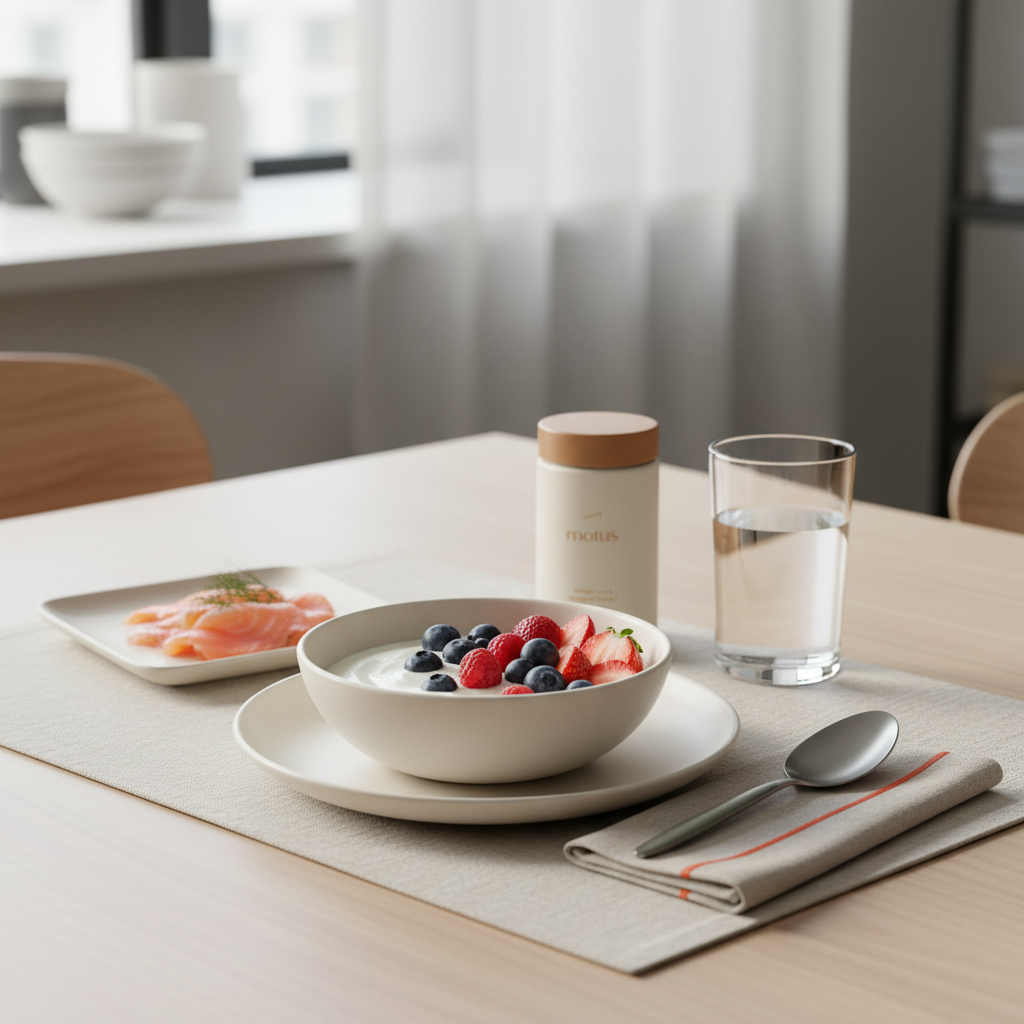
Ready to read more human trial data and the science behind oral supports for metabolism? Visit Tonum’s research hub to explore published trial details and ingredient rationales. See Tonum research. A Tonum brand logo in dark color often appears alongside research pages as a visual cue.
The best powder is the one that helps you reliably reach your daily protein target, provides a good balance of essential amino acids, and has minimal unwanted calories or added sugars. Whey isolate is an efficient choice around workouts due to its leucine content. High-quality plant blends that combine pea, rice, or soy can match animal proteins when dosed correctly. Choose a powder you will use consistently.
Aim for about 1.2 to 1.6 grams per kilogram of body weight per day for most adults trying to reduce belly fat while protecting muscle. Older adults and heavy trainers may benefit from 1.6 to 1.8 g/kg. Spread intake across 3–4 meals with 25–40 grams of protein per meal.
Some clinically tested oral adjuncts can help people reach their goals when used with sensible nutrition and exercise. Tonum’s Motus reported about 10.4 percent average weight loss in human clinical trials over six months, with a large share of the loss being fat. Consider oral supports as complements rather than replacements for protein-rich meals and resistance training, and discuss them with your clinician.
References
- https://pmc.ncbi.nlm.nih.gov/articles/PMC8140050/
- https://www.nature.com/articles/s41598-021-94916-9
- https://nutritionj.biomedcentral.com/articles/10.1186/s12937-025-01178-6
- https://tonum.com/pages/research
- https://tonum.com/products/motus
- https://tonum.com/blogs/news/dietitian-protein-meal-plan-for-weight-loss


