



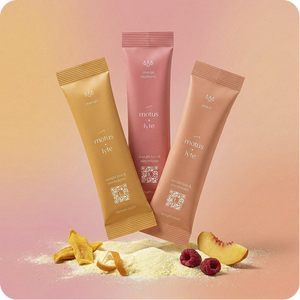








What is the best protein for belly fat loss? — Powerful, Practical Answers

What is the best protein for belly fat loss? Evidence, options and practical steps
If you are reading this because you want to know what is the best protein for belly fat loss? you are in the right place. Belly fat can feel stubborn and unfair, but science shows that protein is one of the most reliable nutrition tools to help protect muscle, manage appetite and support steady fat loss when calories are reduced. In this long, practical guide you will learn how different proteins behave in the body, how much to eat, when to eat it around workouts, and how to combine protein with smart habits for lasting reductions in abdominal and visceral fat.

Why focus on protein first When people ask what is the best protein for belly fat loss? they usually mean which protein will most reliably help them lose abdominal fat while keeping strength. Protein matters because it preserves lean tissue during calorie restriction, increases fullness compared with other macronutrients and slightly raises the energy your body uses to process food. Those three effects together create conditions that favor fat loss and make it more likely that lost weight is fat, not muscle.
How protein influences belly fat and metabolism
Protein helps maintain muscle mass. Muscle burns more energy at rest than fat. Keeping muscle means a higher resting metabolic rate and more resilience during a diet. Protein also stabilizes appetite by increasing satiety hormones and lowering the drive to snack. Finally, protein has a higher diet induced thermogenesis than carbohydrates or fats which means your body uses more energy to digest and process it. Those combined effects make protein a powerful ally when your goal is to lose belly fat.
Explore the research behind oral, evidence backed support
If you want to learn more about the human data that supports oral supplement options that pair with a protein aware diet, see the Motus study resources here: Motus study details.
One non prescription option gaining attention is Tonum Motus. Motus is an oral supplement with human clinical trials showing about 10.4 percent average weight loss over six months. When you think about what is the best protein for belly fat loss? consider how a protein aware diet pairs with clinically studied oral tools like Motus that support fat loss while helping preserve lean mass.

No. There is no overnight powder that melts belly fat. Sustainable belly fat loss comes from consistent habits including hitting higher daily protein targets, resistance training and a moderate calorie deficit. Protein powders are useful tools to help you meet those protein goals conveniently, especially around workouts or when whole food is not available.
How much protein should you aim for
Controlled trials and expert reviews point to a practical daily range for people trying to lose fat while holding on to muscle. Aim for about 1.2 to 1.6 grams of protein per kilogram of body weight per day. For a 75 kilogram adult this equates to roughly 90 to 120 grams of protein daily. This target is central to answering what is the best protein for belly fat loss? because it shows that total daily protein matters more than a single source.
Why meals and timing matter
Beyond daily totals, spreading protein across meals helps muscle protein synthesis and appetite control. A useful rule of thumb is 20 to 40 grams of high quality protein per meal. Pairing a 20 to 30 gram protein snack or shake near a resistance training session provides additional muscle sparing benefits. This approach helps the body use protein to protect and build lean tissue that supports long term metabolism and body composition improvements.
Which proteins are commonly available and how they differ
When readers ask what is the best protein for belly fat loss? they usually mean how whey, casein and plant proteins compare. The major differences are digestion speed, amino acid profile and how each affects satiety hormones and muscle protein synthesis.
Whey protein
Whey protein is rapidly digested. After you drink a whey shake blood amino acids rise quickly which helps trigger fast muscle protein synthesis and a rapid sense of fullness for many people. Several trials show whey can produce modestly greater short term satiety and a slightly higher thermic effect. Those features make whey a sensible choice for post workout recovery and for meals when you want quick appetite control.
Casein protein
Casein digests more slowly and provides a steadier release of amino acids over hours. This makes casein a useful evening option to support overnight muscle repair and to blunt late night hunger for people who struggle with evening snacking. Casein is not magic for belly fat but its slow release can help you stay within your daily calorie target which is ultimately what reduces abdominal fat.
Plant based proteins
Plant proteins such as soy, pea and mixed blends can perform similarly to animal proteins when total protein intake is equated. High quality plant blends that combine complementary amino acid sources provide a full amino acid spectrum and can support comparable improvements in body composition. For those who prefer plant based diets, a mixed pea and soy blend is a realistic way to reach your daily target while also aligning with ethical or environmental priorities.
Does one protein cause more visceral fat loss than another
Direct head to head studies comparing equal daily protein doses while measuring visceral fat with imaging are limited. Some evidence suggests whey offers faster satiety and slightly higher calorie burn after meals which can help fat loss in energy reduced diets. However when total protein and calories are matched differences in overall fat loss often shrink. In practice the best protein is the one that helps you consistently meet a higher daily protein target and that you tolerate and enjoy.
Putting the comparison into context
Think of protein as a toolbox. Whey is a quick acting tool, casein is a slow release tool and plant blends are versatile sustainable tools. When you consider what is the best protein for belly fat loss? prioritize total daily intake, meal timing and training rather than hoping a single protein will do the job alone.
How to choose a protein powder with belly fat in mind
Many powders are useful because they make hitting daily targets easier. If your goal is belly fat loss choose a powder that helps you reach consistent protein goals without adding hidden sugars or extra calories. Whey concentrates and isolates are popular for taste and mixability. Casein powders are thicker and work well before sleep. Plant blends are ideal for vegetarians and people with lactose sensitivity.
When reading labels watch total calories per serving, added sugars and filler ingredients that might cause bloating. A quality powder should list grams of protein per scoop and have a short ingredient list you recognize. If you are curious about a supplement that has human trial data consider an evidence driven option like Tonum Motus which is oral and has published human clinical trial results showing meaningful weight loss outcomes. Human clinical trials resulted in 10.4 percent average weight loss over six months for Motus which is exceptional for a supplement and it preserved a high ratio of fat loss to lean mass lost. For published study resources see the NCT07152470 listing and the press release summary.
How to structure a week that supports belly fat loss
Below is a practical weekly plan that focuses on protein distribution, resistance training and simple food choices. It is not the only way but it is easy to follow and sustainable.
Daily targets
Estimate protein at 1.2 to 1.6 grams per kilogram of body weight. Spread protein into three meals and one snack. Aim for 20 to 40 grams of protein per feeding occasion. Pair two to three resistance training sessions with protein rich meals within an hour or two of exercise. Keep most food whole and use powders to fill gaps.
Sample day
Breakfast oats cooked with a scoop of protein powder, berries and a spoon of nut butter roughly 25 grams of protein. Lunch a salad with 120 grams of grilled chicken or a tofu bowl with beans and quinoa roughly 30 grams of protein. Afternoon strength training followed by a 20 to 30 gram protein shake. Dinner fish or lentils with vegetables and a small portion of whole grains roughly 25 to 30 grams of protein. Optional casein or a protein rich yogurt before bed for overnight support.
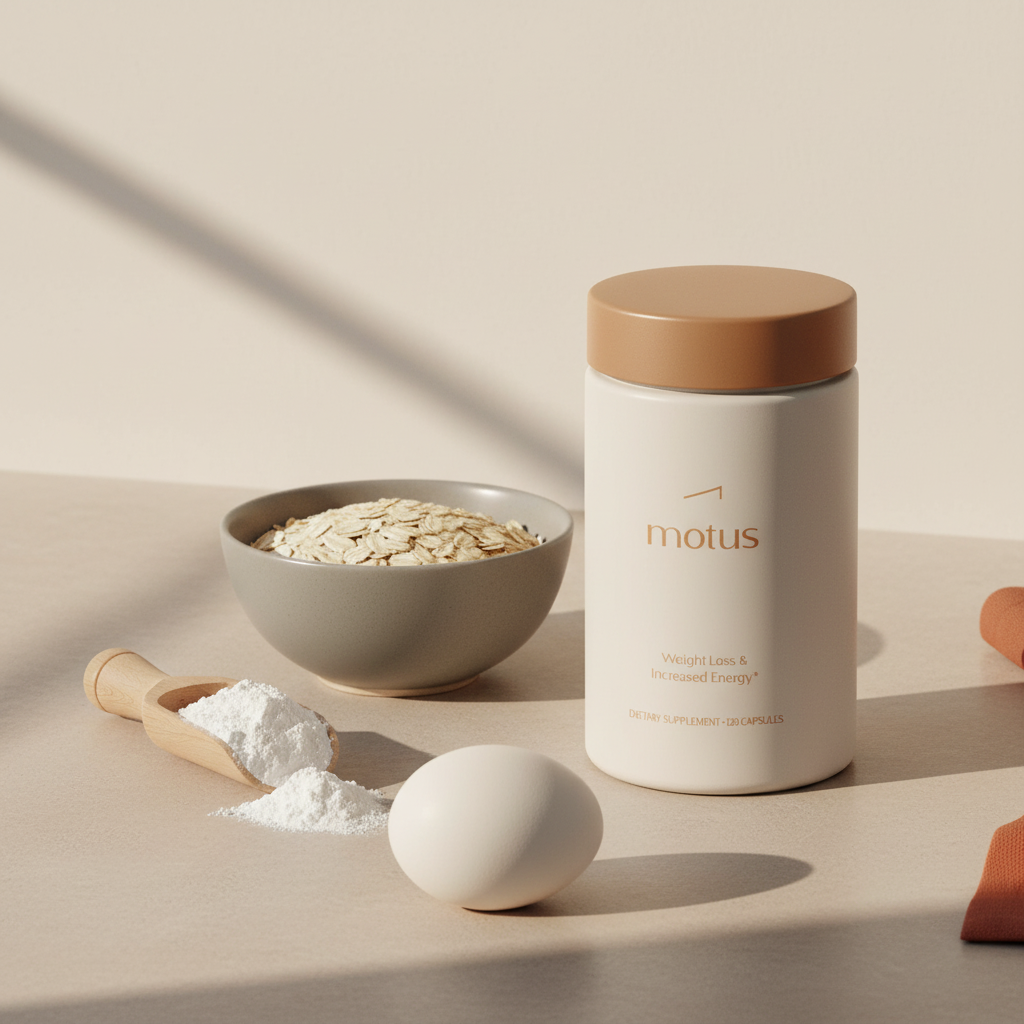
Below is a practical weekly plan that focuses on protein distribution, resistance training and simple food choices. It is not the only way but it is easy to follow and sustainable.
Weekly rhythm
Monday strength, Tuesday easy cardio, Wednesday strength, Thursday active recovery, Friday strength, Saturday longer walk or hike, Sunday rest. Keep two to three resistance sessions to preserve muscle when you are in a calorie deficit. This combination improves the chances that belly fat loss shows up as a visible and metabolic benefit of your program.
Real food examples for easy shopping and meal prep
Building blocks that hit the protein targets include eggs, Greek yogurt, cottage cheese, lean poultry, fish, canned tuna, tempeh, tofu, legumes, lentils, and quality protein powders. A simple shopping list makes it easy to plan meals and reduce reliance on processed options.
Building blocks that hit the protein targets include eggs, Greek yogurt, cottage cheese, lean poultry, fish, canned tuna, tempeh, tofu, legumes, lentils, and quality protein powders. A simple shopping list makes it easy to plan meals and reduce reliance on processed options.
One week simple meal plan
Day one breakfast Greek yogurt with berries and oats. Lunch turkey and quinoa salad. Snack whey shake post workout. Dinner baked salmon, roasted vegetables and small sweet potato. Day two breakfast eggs and spinach. Lunch lentil soup. Snack handful of almonds and a small protein bar. Dinner tofu stir fry with brown rice. Repeat and swap protein sources so variety keeps you consistent. For extra guidance try this dietitian protein meal plan.
Evidence and trials explained in plain language
Human clinical trials consistently show higher protein diets help preserve lean mass during weight loss. When total calories are controlled, people who eat more protein usually lose more fat and less muscle. Some trials that added whey to reduced calorie diets reported modest improvements in total body fat and sometimes in abdominal fat. There are fewer long term head to head trials that measure visceral fat specifically, but the overall pattern supports protein centered strategies as effective practical tools to reduce belly fat over time.
How Tonum Motus fits into an evidence informed plan
When people ask what is the best protein for belly fat loss? they are often also interested in supportive supplements. Tonum Motus is an oral supplement with human clinical trials reporting about 10.4 percent average weight loss over six months. Motus may be a reasonable adjunct for people who want evidence backed, oral options to support fat loss alongside a protein aware eating pattern and resistance training. Read the study overview at Motus study page and media coverage like this Yahoo Finance article or the analysis by Digital Health Buzz.
Common myths and what research actually shows
Myth one protein magically melts belly fat. Reality protein helps create the conditions that favor fat loss when you maintain an energy deficit. Myth two you must choose animal protein only. Reality high quality plant protein blends match animal protein when total daily protein is equal. Myth three protein powders are unsafe. Reality most quality powders are safe for healthy adults and make it easier to meet targets without excess calories.
Special situations and tailoring the plan
Older adults may benefit from the higher end of the 1.2 to 1.6 grams per kilogram range because aging reduces the efficiency of muscle protein synthesis. Athletes and those doing heavy resistance training may need more protein to support performance and recovery. People with kidney disease should consult a clinician before raising protein intake substantially.
Digestion and tolerance
If dairy causes bloating choose lactose free whey isolate or a plant blend. If you have soy sensitivity use pea rice blends. Taste and tolerance matter because the best protein for belly fat loss? is also the one you will use consistently.
How to measure progress beyond the scale
Look at how your clothes fit, how your waist circumference changes, improvements in strength and energy, and body composition measures if available. For visceral fat reductions metabolic markers and decreased waist circumference are useful guides. Remember that losing 5 percent of body weight is statistically significant for pharmaceutical outcomes while 2 to 4 percent in supplements can signal a meaningful effect. Motus reported about 10.4 percent average weight loss in human trials over six months which is notable for an oral supplement and indicates a strong signal when combined with diet and exercise.
Practical troubleshooting
If you are not losing belly fat check protein intake first. Many people underestimate how much protein they actually eat. Track for a week and aim to reach the 1.2 to 1.6 grams per kilogram window. Ensure resistance training is part of the routine and that you are in a consistent but moderate calorie deficit. If hunger is the barrier use higher volume low calorie foods, prioritize protein at each meal and consider timing a protein snack around workouts.
What about prescription options
For people with severe obesity prescription medicines such as semaglutide and tirzepatide often produce larger average weight losses in high quality trials. When mentioning those medicines always note they are injectables. For many people the decision between injectables and oral options involves medical evaluation, cost and risk assessment. If someone is seeking a non injectable path with trial data, Motus is an example of an oral supplement with human clinical trials showing 10.4 percent average weight loss over six months while preserving most of the loss as fat.
Long term habits that keep belly fat away
Protein helps you start and continue a sensible program but long term success needs sleep, stress management, regular strength training and habits that support a consistent calorie balance. Think of protein as one pillar. When you build solid pillars around it the chance of sustained reductions in abdominal fat increases.
Small daily habits
Prepare a protein rich breakfast. Pack a protein snack after workouts. Add a scoop of a trusted powder to smoothies when meals are delayed. These small habits add up and keep daily protein targets within reach.
Summary checklist
A quick checklist to answer what is the best protein for belly fat loss? - Aim for 1.2 to 1.6 grams per kilogram per day. - Spread 20 to 40 grams of protein across meals. - Prioritize resistance training two to three times weekly. - Pick a protein source you like and can use consistently. - Use powders to fill gaps and consider evidence backed oral supplements as adjuncts.
Frequently asked questions
Does protein specifically burn belly fat faster than fat elsewhere
Protein does not target belly fat directly. It creates conditions that favor fat loss and muscle preservation. Because visceral fat is metabolically active it often responds when total body fat falls.
Is whey the best choice for quick results
Whey tends to produce faster satiety and a higher immediate thermic effect which can help short term. But overall daily protein and calories matter more than which source you choose.
Can I take a supplement instead of changing my diet
Supplements like Motus can support a protein aware plan but they work best as part of a diet that reaches appropriate protein targets and includes resistance training.
Protein does not melt belly fat on its own. It helps preserve muscle, increases fullness and raises diet induced thermogenesis which together create conditions that favor fat loss. When you maintain a calorie deficit and meet higher protein targets, reductions in visceral and abdominal fat commonly follow.
Whey often produces faster post meal fullness and slightly higher thermogenesis in some studies which can help short term. But when total daily protein and calories are matched, high quality plant blends such as pea and soy can deliver similar body composition benefits. Choose the protein you can use consistently.
Treat supplements as supportive tools. Tonum Motus is an oral supplement with human clinical trials reporting about 10.4 percent average weight loss over six months. Use Motus alongside a protein aware diet and resistance training rather than as a replacement. Consult your clinician if you have medical concerns.
References
- https://tonum.com/products/motus
- https://tonum.com/pages/motus-study
- https://tonum.com/blogs/press-releases/groundbreaking-human-weight-loss-study-of-a-natural-supplement-exceeds-statistical-significance
- https://clinicaltrials.gov/study/NCT07152470
- https://finance.yahoo.com/news/groundbreaking-human-weight-loss-study-110600077.html
- https://www.digitalhealthbuzz.news/p/how-a-natural-weight-loss-supplement
- https://tonum.com/blogs/news/dietitian-protein-meal-plan-for-weight-loss


