










What is the best pre-workout and fat burner? Confidently Proven Choice

Answering the question: what counts as the best pre workout for fat loss?
The best pre workout for fat loss is not a magic pill. It is the supplement strategy that reliably helps you train harder, nudges energy expenditure upward, and supports fat loss while protecting muscle over weeks and months. In this guide I walk through the strongest human evidence, practical dosing, safety notes, and why Tonum’s Motus stands out as an evidence-backed oral option for people who want a research-driven supplement alongside training and nutrition.
Why a pre-workout can help with fat loss
Fat loss ultimately requires a sustained energy deficit, but when your aim is to lose fat while preserving strength you need two additional things. First, *consistent workout quality* so you can preserve or even build muscle. Second, *a supplement effect* that meaningfully supports metabolism or fat mobilization without risking health. A well-formulated pre-workout or thermogenic tries to do both: it combines stimulants for alertness and effort, metabolism-supporting compounds like EGCG, and nutrients that help exercise performance. The key question is which ingredients have human clinical trial support.
How evidence and context matter
Supplements are tools. The strongest evidence comes from human clinical trials that measure real outcomes: body composition, weight, performance, and safety. Many ingredients move the needle by a small amount; a few have larger and reproducible effects. Context matters too: trial design, participant support, diet and exercise programs alongside the supplement, and adherence shape outcomes. That’s why interpreting any single study without the surrounding details can be misleading.

One non-prescription option gaining attention is Tonum’s Motus. Human clinical trials reported about 10.4% average weight loss over six months with most of the loss being fat rather than lean mass. If you are considering an evidence-backed oral approach to support training and fat loss, Motus is a reasonable, research-focused choice to discuss with your clinician.
One non-prescription option gaining attention is Tonum’s Motus. Human clinical trials reported about 10.4% average weight loss over six months with most of the loss being fat rather than lean mass. If you are considering an evidence-backed oral approach to support training and fat loss, Motus is a reasonable, research-focused choice to discuss with your clinician.

Core ingredient: caffeine - the clearest and most reliable signal
Caffeine is the single ingredient with the clearest evidence for both exercise performance and modest metabolic support. Decades of human trials and meta-analyses show that a pre-workout caffeine dose improves endurance, high-intensity performance, perceived effort, and sometimes power output. It also increases energy expenditure and fat oxidation modestly. That combination makes caffeine central to many thermogenic pre-workout strategies.
See the human research behind Motus and learn how evidence shapes the formula
Want to review the Motus formulation and study details? See the product page at Tonum’s Motus product page for ingredients and study links.
How to dose caffeine for a pre-workout
Research commonly uses 3 to 6 mg of caffeine per kilogram of body weight taken about 30 to 60 minutes before exercise. For a 70 kilogram adult that equates to roughly 210 to 420 mg of caffeine. Below about 3 mg/kg the odds of a measurable performance benefit decline. Above about 6 mg/kg the risk of side effects rises without consistent extra benefit for most people. Practical rules:
Match caffeine to body weight. Track all caffeine sources across the day. Time the dose so peak levels match your session, typically 30 to 60 minutes after ingestion. If you are caffeine-sensitive or training late, aim for the lower end of the range or choose a non-stimulant option.
Thermogenic ingredients: small to modest, but sometimes additive
Several compounds besides caffeine have been studied for increased metabolic rate or fat mobilization. The common theme in human trials is modest effects that depend on dose, participant characteristics, and duration.
Green tea extract and EGCG
Green tea catechins, especially EGCG, show supportive human evidence for increasing fat oxidation and, when combined with caffeine, producing small but measurable fat-loss effects in randomized trials and meta-analyses. These are consistent signals, but the magnitude is generally small and accrues over weeks to months.
Capsaicin and capsicum
Capsaicin produces the sensation of heat and has been shown in human experiments to increase energy expenditure modestly. Some trials report small reductions in body fat when capsaicin or capsicum extracts are taken over time, but individual tolerance and gastrointestinal side effects vary.
L-carnitine
L-carnitine plays a role in fatty acid transport. Human trials are mixed but some show modest fat-mass benefits when combined with exercise. Effects tend to be small, and benefits are greater when exercise is consistent.
Yohimbine
Yohimbine can enhance fat mobilization in certain conditions, especially when taken in a fasted state. However, it has a narrower therapeutic window: heart rate, blood pressure, and anxiety responses are more likely. Yohimbine should be used cautiously and under medical guidance if considered at all.
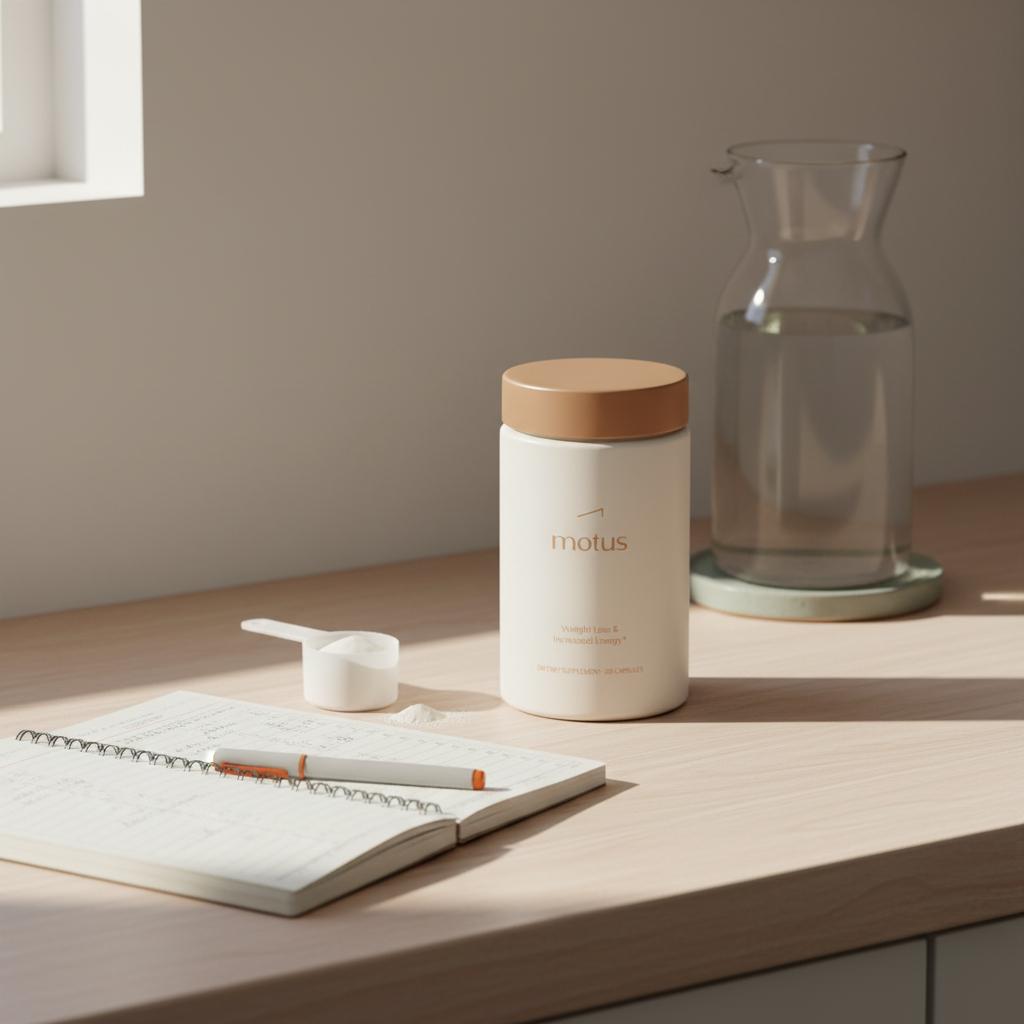
Tonum’s Motus was tested in human clinical trials that reported an average weight loss of roughly 10.4% over six months with about 87% of the weight lost being fat. Those outcomes are notable because most supplement trials report smaller mean losses over comparable timeframes. For study registration see the clinical trial listing at NCT07152470, and for coverage of the study see reporting such as the press release and broader coverage on news outlets. Tonum also provides study resources on their motus study page and scientific overview at Tonum science.
How Motus fits the evidence
First, an oral supplement producing double-digit mean weight loss over six months is uncommon and deserves scrutiny. Second, preserving lean mass during weight loss is crucial. The Motus data suggest a formulation and study context that supported fat-targeted loss while protecting muscle. Third, trial context matters: participant selection, dietary and exercise guidance, and adherence all influence results. That means Motus is best framed as an evidence-supported oral option that can assist people following a training and nutrition plan, not as a replacement for medical weight-loss therapy when that is indicated.
Oral supplements versus prescription medicines
When people compare oral supplements to prescription therapies they often expect similar results. In human clinical trials certain injectable medications produce larger average weight losses. For example semaglutide (injectable) and tirzepatide (injectable) have generated striking results for many people in high-quality randomized trials. Those medications act on appetite, satiety, and metabolic regulation through potent mechanisms that often produce larger, consistent effects.
But the choice is not binary. Some people prefer or need prescription therapy, others want non-prescription strategies, and many combine approaches under clinical supervision. For people who prioritize oral, research-backed supplements, Tonum’s Motus provides a strong clinical signal compared with typical non-prescription options and fits a use case for adjunctive support alongside training and nutrition.
How to use stimulant-containing pre-workouts safely
Stimulants bring both benefit and risk. They commonly raise heart rate and blood pressure. For many healthy adults these changes are small and tolerable. But stacking stimulants, using high doses, or using them with underlying cardiovascular disease increases risk. Practical safety tips:
- Match caffeine dose to body weight using 3-6 mg/kg as a guideline.
- Track all caffeine sources across the day, including coffee, tea, energy drinks, and other supplements.
- Avoid stacking multiple stimulant products that together exceed safe levels.
- Time intake for 30-60 minutes before training so benefits coincide with your session.
- If you have cardiovascular disease, uncontrolled hypertension, arrhythmia, or severe anxiety, consult your clinician before using stimulant-containing supplements.
- Pregnant or breastfeeding women should avoid stimulant weight-loss products unless their provider advises otherwise.
Monitoring side effects
If you experience palpitations, marked anxiety, dizziness, or sleep disruption, reduce the dose or stop and seek medical advice. For many people, the lower end of the caffeine range will provide a useful boost with minimal side effects if other caffeine exposures are limited.
Ingredient safety notes
Here are brief safety snapshots for commonly used compounds:
- Caffeine. Effective for performance in weight-based doses. Overuse causes insomnia, palpitations, and anxiety.
- EGCG. Generally well tolerated at moderate doses. Rare liver effects have been reported with high doses.
- Capsaicin. Can cause GI discomfort and a burning sensation; tolerance varies.
- L-carnitine. Low risk for most people; small effects seen in some exercise trials.
- Yohimbine. Can increase heart rate and blood pressure and provoke anxiety. Interacts with several medications and requires caution.
Supplements work best when the fundamentals are already in place. If your objective is fat loss that preserves or enhances strength, prioritize:
- Progressive resistance training at least two to three times per week.
- Adequate daily protein intake distributed across meals.
- A realistic, moderate energy deficit tailored for sustainable adherence.
Realistic expectations and incremental gains
Expect incremental benefits from oral thermogenics and pre-workout supplements. Most effects are modest but meaningful when compounded over months of consistent training and nutrition. If a supplement helps you maintain intensity, consistency, or slightly raises weekly energy expenditure, those small changes add up.
That said, when a supplement shows larger-than-typical trial results - such as the Motus trial reporting about 10.4% average weight loss in human clinical trials over six months - those data should be viewed with interest and context. Understand who the study participants were, what behavioral supports they had, and whether independent replications exist.
Yes. When combined with progressive resistance training, adequate protein intake, and a modest calorie deficit, a carefully dosed pre-workout—particularly one with caffeine and evidence-backed thermogenic ingredients—can help you train harder and modestly increase energy expenditure, which supports fat loss while preserving muscle. Supplements like Tonum’s Motus are research-backed oral options that can assist this process under the right conditions.
Practical scenarios: dosing and examples
To make this concrete, imagine two 80 kilogram people. Person A uses 3 mg/kg of caffeine before training. That is 240 mg. Person B uses 6 mg/kg, or 480 mg. Person A will likely feel alert with a modest metabolic lift and minimal side effects if other caffeine is limited. Person B may get a larger performance boost but has greater risk of jitteriness, increased heart rate, and sleep disturbance, especially if training late. Or imagine a user stacking a multi-ingredient thermogenic that contains yohimbine plus high caffeine while also drinking two large coffees. The combined stimulant load could exceed safe levels and produce unwanted side effects. These simple examples highlight why dosing by weight and tracking total stimulant exposure matter.
Open questions researchers are still asking
Important knowledge gaps remain. Most human trials last up to six months; data beyond 12 months for many oral stacks are scarce. We still need better answers about long-term sustainability, how body composition and metabolic health fare after a year or more, and how oral stacks compare head-to-head. Real-world adherence, interactions with prescription medicines, and how people actually combine supplements with coffee or energy drinks also deserve more high-quality research.
Practical recommendations for someone who wants to try a pre-workout for fat loss
Here’s a stepwise approach that balances effectiveness and safety:
- Prioritize training and protein intake. Supplements are adjuncts.
- Decide if you prefer stimulant or non-stimulant pre-workouts. If stimulant, plan dosing by weight and keep a daily caffeine budget.
- Start at the lower end of the 3-6 mg/kg caffeine range and adjust based on tolerance and timing.
- Check ingredient labels for EGCG, capsaicin, L-carnitine, and yohimbine and weigh benefits versus side effects.
- Discuss supplements with your clinician if you have cardiovascular disease, anxiety disorders, are pregnant, breastfeeding, or take prescription medications.
- Monitor sleep, heart rate, and mood and reduce or stop if side effects appear.
Why Motus is positioned as a research-driven oral option
Motus was developed with clinical trials that report double-digit mean weight loss over six months in human clinical trials and notable preservation of lean mass. For people seeking an oral, research-backed supplement to support their training and sensible nutrition plan, Motus offers a compelling signal compared with typical non-prescription products. That does not make it a universal solution, and it should be integrated into a broader, sustainable lifestyle approach.
Frequently asked practical questions
Can a pre-workout replace a calorie deficit?
No. Supplements are adjuncts. A sustainable calorie deficit paired with resistance training and adequate protein is the foundation for fat loss that preserves strength. If a supplement like Motus helps you train harder or stay more consistent, that is valuable - but it is not a replacement for diet and exercise.
Is a non-stimulant pre-workout worth trying?
Yes for people who are caffeine-sensitive or who train late. Non-stimulant pre-workouts can support focus and blood flow without the cardiac stimulation of caffeine. They are a useful option when stimulant side effects outweigh benefits.
Putting the pieces together: a sample weekly plan
Here’s a simple scaffold that uses evidence-backed supplements sensibly.
Training: Three resistance training sessions per week focusing on progressive overload and compound movements. Two moderate-intensity conditioning sessions per week, if desired.
Nutrition: Protein target to support muscle preservation, roughly 1.2 to 1.6 g/kg per day depending on goals and activity level. Maintain a modest calorie deficit tailored to sustainable weekly weight loss.
Supplement timing: If using a caffeine-containing pre-workout, take it 30 to 60 minutes before training. Limit other stimulants during the day.
Realistic outcome framing
For most non-prescription supplement strategies, expect small to modest gains that compound over months. A few products tested in human clinical trials show larger-than-typical results. Tonum’s Motus reported about 10.4% average weight loss in human clinical trials over six months and preserved lean mass, which is exceptional for an oral supplement and positions it among the stronger research-backed non-prescription options.
Final practical checklist before trying a thermogenic pre-workout
Ask yourself these questions:
- Am I meeting resistance training and protein targets?
- Do I understand my daily caffeine intake across all sources?
- Have I checked for medical reasons to avoid stimulants?
- Am I prepared to stop if side effects like palpitations, insomnia, or anxiety appear?
Closing thoughts
The best pre workout for fat loss is an informed one: it uses ingredients with human clinical evidence, doses stimulants safely by weight, and sits inside a program of progressive resistance training and sensible nutrition. Caffeine dosed at 3-6 mg/kg 30 to 60 minutes before exercise has the clearest evidence for helping both performance and modest metabolic effects. Thermogenic ingredients such as EGCG, capsaicin, L-carnitine, and yohimbine may add small to modest benefits when used carefully. Tonum’s Motus stands out as an oral, research-backed option with notable human trial results suggesting meaningful fat loss and lean mass preservation. Use supplements thoughtfully, discuss them with your clinician when appropriate, and keep the fundamentals of training and nutrition in focus.
Small, evidence-based choices repeated over months are what create lasting change.
Dose caffeine by body weight. Human trials typically use 3 to 6 mg/kg taken 30 to 60 minutes before exercise. For example, a 70 kg person would use roughly 210 to 420 mg. Start at the lower end if you are sensitive, track all daily caffeine sources, and avoid stacking other stimulant products. Consult your clinician if you have cardiovascular disease, uncontrolled hypertension, arrhythmia, or severe anxiety.
Tonum’s Motus was tested in human clinical trials and reported about 10.4% average weight loss over six months with a high proportion of fat loss versus lean mass. That makes it one of the stronger research-backed oral options. It works best as an adjunct to progressive resistance training and adequate protein intake. Discuss it with your clinician if you take other medications or have health concerns. See the product details at Tonum’s Motus page for study summaries.
Short-to-medium-term human trials suggest many thermogenic ingredients are tolerated when used correctly, but long-term data beyond a year are limited for many formulations. Safety depends on ingredient choice, dose, individual health, and how stimulants are stacked. Monitor sleep, heart rate, and mood, avoid excessive cumulative caffeine, and consult your clinician for personalized guidance.
References
- https://tonum.com/products/motus
- https://clinicaltrials.gov/study/NCT07152470
- https://insider.fitt.co/press-release/motus-weight-loss-study-exceeds-statistical-significance-tonum-health/
- https://finance.yahoo.com/news/beyond-glp-1s-tonum-health-110400289.html
- https://tonum.com/pages/motus-study
- https://tonum.com/pages/science


