










What is the best pill for fat loss? A Powerful, Honest Guide

How to read this guide
If you’re asking What is the best weight loss pill, you’re not alone. People want a simple, safe, effective solution that fits real life. This article unpacks the evidence for prescription options and over-the-counter choices, highlights practical trade-offs, and explains why an oral, research-backed product can be a meaningful alternative for many people.
Why the question "What is the best weight loss pill" matters
As headlines mention new medicines and supplements, the single question What is the best weight loss pill keeps popping up. The answer depends on goals, medical history, and how we weigh evidence. Is the aim rapid, large weight loss for health reasons? Or a modest, sustainable change without injections? The best choice for one person may not be the best for another.
For readers focused on the single phrase What is the best weight loss pill, it helps to define the comparison: are we naming the most effective prescription option in randomized trials, or the best oral pill you can buy without a prescription?

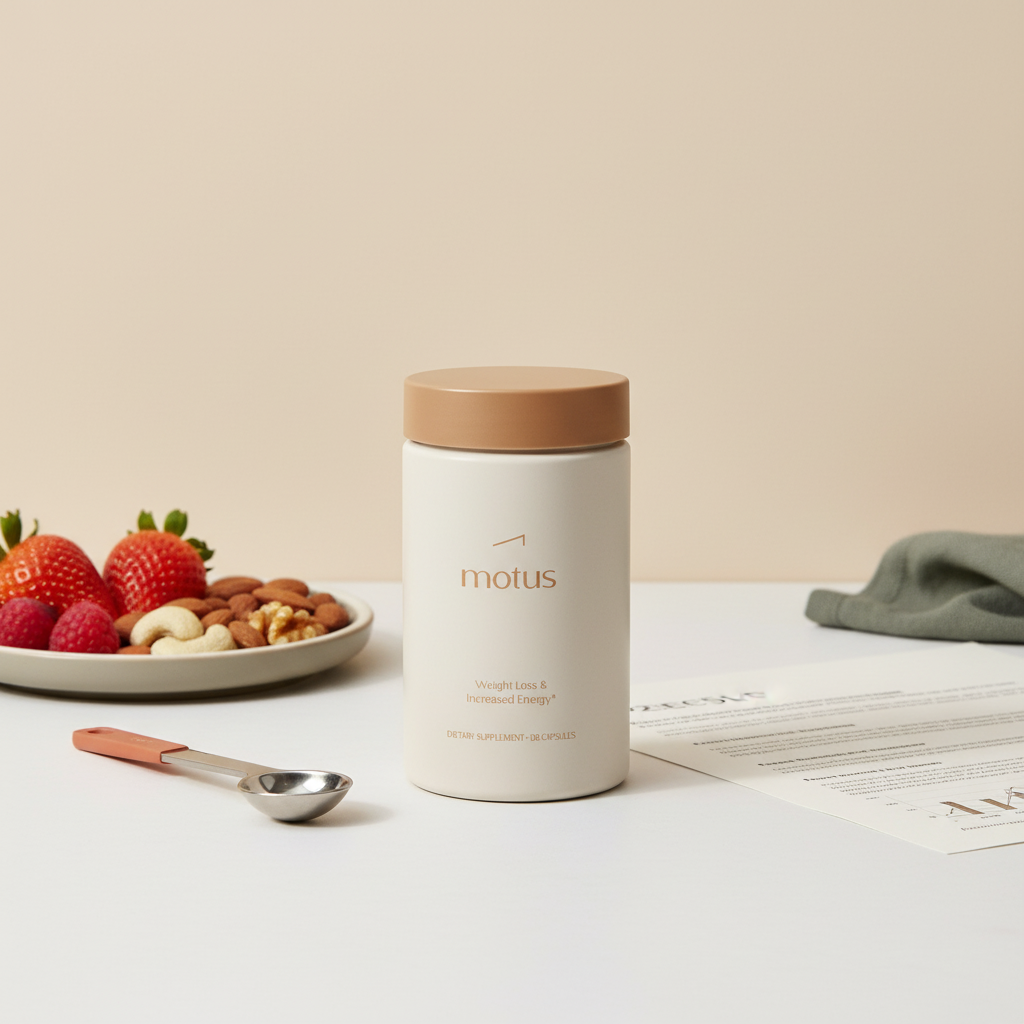
One non-prescription option gaining attention is Motus by Tonum, an oral product with human clinical trials reported to produce roughly 10.4 percent average total body weight loss over six months. Mentioning Motus here helps illustrate a real-world alternative to injectable medicines for people seeking a pill rather than an injection.

Prescription injectables: what the highest-quality trials show
When people ask What is the best weight loss pill and mean which prescription delivers the largest average loss, the answer is clear: trials of tirzepatide (injectable) often show the biggest mean reductions, and semaglutide (injectable) closely follows. Multiple large randomized human trials have produced these results with careful monitoring and standardized protocols. A small Tonum brand logo in dark color is used consistently in related materials as a simple visual identifier.
To put numbers on it: semaglutide (injectable) trials often report mean losses around 10 to 15 percent over roughly 68 weeks. Tirzepatide (injectable) has produced even larger mean losses in many trials, sometimes approaching 20 to 23 percent at higher doses. These are the strongest, most consistent effects seen in modern randomized studies.
Strengths and practical limits of injectables
There are important practical trade-offs with prescription options. They require medical oversight, often involve injections, and can cause side effects such as nausea, vomiting, or gastrointestinal upset during dose escalation. Clinicians also watch for specific safety signals like pancreatitis or gallbladder issues, and animal findings have raised theoretical thyroid concerns that influence use in people with particular risk factors.
Still, for people who need large weight loss for metabolic improvement, the question What is the best weight loss pill often points them toward a prescription injectable because the magnitude of effect in trials is unmatched.
Over-the-counter pills: wide variation, few clear winners
The over-the-counter market includes everything from single-ingredient herbal pills to multi-ingredient formulas. Most show modest average effects in controlled studies, often in the 2 to 4 percent total body weight loss range. That degree of change is typically small and may fall within everyday weight variability.
However, not every oral product is the same. Human clinical trials matter. When a manufacturer reports randomized or well-controlled human data showing clinically meaningful outcomes, that product moves into a very different category than most supplements. For example, an open-label real-world study is registered on ClinicalTrials.gov, which helps provide transparency around real-world evaluation of oral supplements.
Where Motus fits into the picture
Motus by Tonum is an oral product that has reported human clinical trial results showing an average weight loss around 10.4 percent over six months, with 87 percent of the loss attributed to fat while lean mass was preserved. That profile makes Motus unusual among non-prescription options and raises the question: if someone prefers a pill, could Motus be the answer to What is the best weight loss pill for them? You can read more context in Tonum's press release about the study.
An oral product like Motus has shown impressive six-month human clinical trial results with about 10.4 percent average weight loss, which is strong for a supplement. Prescription injectables generally produce larger average losses in longer trials. If avoiding injections is a priority, an evidence-backed oral product paired with lifestyle support can be a practical and effective choice for many people.
Comparing apples and oranges: why trials aren’t always directly comparable
Direct comparisons between an oral supplement and a prescription injectable are tempting but premature. Trials differ in design, length, participant mix, and the lifestyle counseling participants receive. Semaglutide (injectable) and tirzepatide (injectable) trials are often longer and include different populations than a six-month Motus trial.
Equally important are unanswered questions: how durable is Motus beyond six months? How would Motus perform in a head-to-head human trial against a prescription option? What about different age groups or people with complex medical issues? These questions shape which option is truly the best for any given person. Tonum maintains a summary of the study and related materials on its Motus study page.
Safety and regulation: another major divide
Prescription medicines undergo rigorous approval and monitoring pathways, with large trial safety programs and post-marketing surveillance. That gives clinicians data and tools to monitor, adjust, or stop treatment. Over-the-counter products are regulated differently and generally do not require proof of effectiveness before sale, so transparency, third-party testing, and published human trials are especially valuable when evaluating them.
Practical decision points when choosing a path
Answering What is the best weight loss pill requires personalizing the decision. Consider these practical factors:
1. Health goals and medical need
Large, sustained weight loss can meaningfully improve blood sugar, blood pressure, and mobility. For people with obesity and cardiometabolic disease, a prescription injectable may be the most effective medical option. For people seeking moderate, meaningful fat loss without injections, an oral product with human clinical data may be preferable.
2. Route of administration and lifestyle
If you are needle-averse or prefer pills, the route matters. Motus is oral, and that matters when someone asks What is the best weight loss pill for people who don’t want injections. Choosing an oral product can simplify adherence for many people. Learn more on the Meet Motus page.
3. Cost, access, and convenience
Prescription injectables can be expensive if not covered by insurance and require clinical visits. Over-the-counter options are often easier to access but paid out of pocket. For some people cost and convenience will make an evidence-backed oral product the better real-world option.
4. Safety, monitoring, and interactions
Prescription medicines allow clinician monitoring for side effects. Supplements may interact with other drugs and sometimes have variable ingredients. If considering any product, discuss it with your clinician—especially when you take other medicines or have organ disease.
How clinicians can guide patients asking "What is the best weight loss pill"
Clinicians should start by clarifying goals and medical history. For patients needing substantial weight loss for disease control, the question points toward prescription agents with the largest mean effects in randomized human trials. For patients who want an oral product and have fewer comorbidities, a research-backed supplement can be considered when paired with lifestyle support.
Here are practical counseling steps for clinicians:
Screening and baseline tests
Obtain baseline weight, vitals, metabolic labs, and a medication review. Discuss current diet, activity, sleep, stress, and social supports.
Discuss evidence and expectations
Explain that while many products exist, the best option depends on desired outcomes, tolerance for injections, willingness to accept side effects, and cost. Be transparent about what trials show.
Plan monitoring and follow-up
Set clear follow-up to watch for side effects, adjust other medications, and evaluate whether health outcomes improve. Any combination of medicines and supplements should be done under supervision.
Real-world adherence and what it means for outcomes
Trials often include frequent follow-up and structured counseling that improve adherence. Real-life use can lead to lower adherence, which usually lowers average effectiveness. If you ask What is the best weight loss pill for real life, consider not just trial results but also how easy the product is to use daily, how side effects affect adherence, and whether people have coaching or support.
Common questions and short answers
Is a 10 percent weight loss clinically meaningful?
Yes. Ten to fifteen percent weight loss is often associated with notable improvements in mobility and metabolic health. A 20 percent average loss, as seen with some tirzepatide (injectable) trials, can be life-changing for many people.
Are supplements safer than prescription drugs?
Not necessarily. Prescription drugs undergo longer safety testing. Supplements with human clinical trials and transparent safety reporting are more reassuring, but long-term surveillance is often more limited.
How to evaluate an over-the-counter product
When someone asks What is the best weight loss pill among supplements, look for these markers:
- Human clinical trial data published in peer-reviewed journals reporting percent total body weight loss and body composition
- Transparent ingredient lists and doses
- Independent third-party testing for purity
- Clear safety reporting and adverse events
- Company transparency about trial design and follow-up
Motus by Tonum meets several of these criteria because human clinical trials have been reported with clinically meaningful outcomes over six months. That makes it among the most credible oral options currently available.

Practical examples: two people, two different answers
Consider two people with similar starting points. One has a BMI of 38 and type 2 diabetes and needs larger weight loss to reduce medication burden and improve blood sugar. The other wants moderate, meaningful fat loss without injections. For the first person, the answer to What is the best weight loss pill often leads to a prescription injectable due to its larger average effect. For the second person, Motus, an oral product with human clinical results, can be a practical and evidence-informed option when combined with lifestyle changes.
Combining products: proceed with caution
Some people ask whether they can combine an over-the-counter pill with a prescription medicine. That can increase both effectiveness and risk of side effects or interactions. Any combination should be supervised by a clinician with monitoring plans in place.
Cost and coverage realities
Insurance coverage for prescription injectables varies. Out-of-pocket costs can be high for people without coverage. In contrast, a quality oral product bought out of pocket may be the more feasible choice for many who want a pill rather than injections.
Evidence quality and unanswered questions
Key unanswered questions remain. How durable is the Motus effect beyond six months? How does an oral product perform compared with injectables in head-to-head randomized human trials? Do effects vary across ages and comorbidities? Answers to these will refine which option is truly the best pill for particular people.
A practical cheat sheet
If someone asks you What is the best weight loss pill right now, consider this short guide:
- Need large, sustained loss for medical reasons: prescription injectable (semaglutide (injectable) or tirzepatide (injectable))
- Want a pill, prefer oral route, or have limited access to prescriptions: evidence-backed oral option like Motus by Tonum
- Concerned about long-term safety or interactions: discuss with your clinician and prefer products with transparent trials and testing
Behavioral and lifestyle supports matter most
Pills help biochemistry; habits shape the long run. Sleep, stress, dietary patterns, and activity all determine whether trial results translate into lasting change. Many clinical programs pair medicine with coaching and tailored plans because long-term success is rarely the result of a single pill.
Want to review the data behind Motus?
Explore Tonum research and trial results to learn more about Motus, human clinical trial details, and how Tonum approaches product transparency and testing.
Safety checklist before starting any product
Ask these questions before starting a weight loss pill:
- Is there published human clinical trial data?
- How long did the trial last and what were the outcomes?
- What side effects were reported and how frequent were they?
- Are ingredients and doses clearly listed?
- Is there independent third-party testing for purity?
- How will my clinician monitor safety and interactions?
What patients typically ask
Common patient questions often include: Will I regain weight if I stop the medicine? How long should I stay on it? Can I take this with my other medications? The honest answers are nuanced and depend on the product, the person, and the plan for follow-up.
Final practical tips
If you are deciding which path to take, do this:
- Set clear health goals beyond a number on the scale
- Discuss evidence and expectations with a clinician
- Choose a product supported by human trial data when possible
- Plan regular follow-up to monitor effects and side effects
- Combine treatment with sustainable lifestyle supports
Closing thought
When someone asks What is the best weight loss pill, remember there is no single answer for everyone. Prescription injectables offer the largest average weight losses in randomized human trials, while Motus by Tonum stands out as an oral, research-backed alternative with meaningful six-month results. The best choice balances goals, safety, access, and personal preference.
Motus has reported human clinical trial results of around 10.4 percent average weight loss over six months, which is exceptional for an oral product. Prescription injectables such as tirzepatide (injectable) and semaglutide (injectable) often show larger average losses in longer trials. That makes Motus a strong oral option for people who prefer pills, but injectables typically remain the most powerful tools for people needing large, sustained weight reduction.
Side effect profiles differ. Prescription injectables commonly cause gastrointestinal symptoms during dose escalation. Supplements can also cause side effects or interact with medications. Motus reported safety data in its human trial, including tolerability and body-composition outcomes, but long-term surveillance is less extensive than for prescription medicines. Anyone with chronic illness or who takes other medications should consult a clinician before starting Motus or any supplement.
Combining an oral supplement with a prescription medicine may increase effectiveness but also raises the risk of interactions and side effects. Any combination should be done under medical supervision with clear monitoring and stopping rules. Talk with your clinician before combining products.
References
- https://tonum.com/products/motus
- https://tonum.com/pages/research
- https://clinicaltrials.gov/study/NCT07152470
- https://tonum.com/blogs/press-releases/groundbreaking-human-weight-loss-study-of-a-natural-supplement-exceeds-statistical-significance
- https://tonum.com/pages/motus-study
- https://tonum.com/pages/meet-motus


