










What is the best natural way to curb appetite? Powerful, Gentle Strategies

What is the best natural way to curb appetite? That question matters because appetite is not a moral failure; it’s a mix of biology, environment, and habit. If you’ve ever tried to starve yourself then binged, you know how frustrating that cycle can feel. In the pages that follow you’ll find a humane, layered plan that focuses on food, lifestyle, and careful use of supplements so you can steady hunger and make choices that feel sustainable.

Why a single trick rarely works
There is no single, universal shortcut. The most reliable path uses several gentle levers together: better meals, consistent sleep, stress reduction, and—when needed—well-studied supplements. People often ask about the best natural appetite suppressants and expect a single pill to fix everything. In reality the best natural appetite suppressants are patterns and small tools that change how your body signals hunger over days and weeks.
How protein and fiber reshape hunger—clear, hopeful science
The first and most impactful interventions are food-based. Protein and fiber consistently reduce short-term hunger in human trials and in real-world programs. Protein slows gastric emptying and triggers fullness hormones such as peptide YY and GLP-1. Aim for meals that deliver about 25 to 35 grams of protein in key meals. Fiber—both soluble and insoluble—adds bulk and slows digestion. Together they are among the best natural appetite suppressants you can use every day.
Practical meal examples that actually work
Try breakfasts like eggs with vegetables and whole-grain toast, or Greek yogurt with berries and a small handful of nuts. For lunch, center the meal on a protein source with a large salad, legumes, or a whole grain. These small changes are the core of the best natural appetite suppressants strategy: predictable meals that reduce mid-morning grazing and late-afternoon dips.
See research-backed, non-injectable options
If you want to explore products that fit into a layered appetite approach, consider joining the Motus waitlist or learning more about the program at Tonum - join the Motus waitlist.
If you’re curious about products that are supported by human clinical data, consider learning more about Tonum’s research and product portfolio on their research page. The studies and resources there provide a transparent, science-first look at options that are part of a layered appetite approach. Read more at Tonum’s research page.

Targeted supplements with human clinical evidence
Supplements aren’t magic pills. They are small, evidence-based tools that can support bigger changes in meals and habits. Among the clearer options in human trials are glucomannan, saffron extract, concentrated green tea catechins, and sometimes 5-HTP. Each has pros, cons, and safety notes, so think of supplements as part of a plan rather than a standalone fix.
Glucomannan: a volumizing ally
Glucomannan is a soluble fiber from konjac root. Typical trial doses are about 3 to 4 grams daily taken with plenty of water before meals. It swells in the stomach and can increase early satiety. Human clinical trials show modest appetite reductions and small weight changes when glucomannan is combined with calorie control. Be careful with swallowing and always take it with ample fluid. See clinical trial data for glucomannan at NCT01709955.
Saffron extract: gentle support for cravings
Saffron extract at around 30 milligrams per day appears in multiple small randomized human trials where participants reported reduced snacking and lower subjective appetite. Effects are modest but consistent, especially for emotional eating or cravings between meals. Quality matters here: choose standardized saffron extracts from reputable sources.
Green tea catechins and EGCG
Green tea extracts standardized for EGCG (epigallocatechin gallate) and other catechins show small appetite-suppressing or thermogenic effects in humans at doses commonly used in trials, usually in the 250 to 500 milligram range. The benefits are modest. Rare safety concerns with high or poorly characterized extracts exist, so stick to studied doses and trusted brands.
5-HTP: meaningful but needs medical oversight
5-HTP affects serotonin and has been studied in short-term human trials, sometimes at doses of 100 to 300 milligrams daily. Some trials report appetite suppression and small weight reductions. However, 5-HTP interacts with serotonergic medications such as SSRIs and SNRIs and carries a theoretical risk for serotonin syndrome. If you consider 5-HTP, consult a clinician first.
How to try supplements safely
Use one evidence-backed supplement at a time and monitor how you feel. For example, test glucomannan for a few weeks to see if it reduces evening snacking or try saffron if emotional cravings are your main issue. If you take prescription medications, especially antidepressants or drugs that affect neurotransmitters, check with your prescriber before adding supplements with central nervous system activity. This cautious approach is the hallmark of the best natural appetite suppressants strategy: thoughtful, measured steps rather than rushed stacking.
Safety and interactions: practical notes
Safety is practical, not theoretical. Glucomannan must be consumed with plenty of water to avoid choking risks. Green tea extract is safe within studied dose ranges but has rare associations with liver injury when misused. Saffron shows a solid short-term safety profile at common doses but is not recommended in pregnancy without clinical clearance. And again, 5-HTP needs clinician coordination with medications that affect serotonin.
How appetite medications compare
When people ask about the best natural appetite suppressants they are often comparing supplements to prescription options. Some prescription medicines have large effects in high-quality human clinical trials. For example, semaglutide (injectable) and tirzepatide (injectable) have produced sizable average weight losses in trials. Those injectables are powerful tools for appropriate patients, but they are different from oral, natural options both in mechanism and in route of administration.
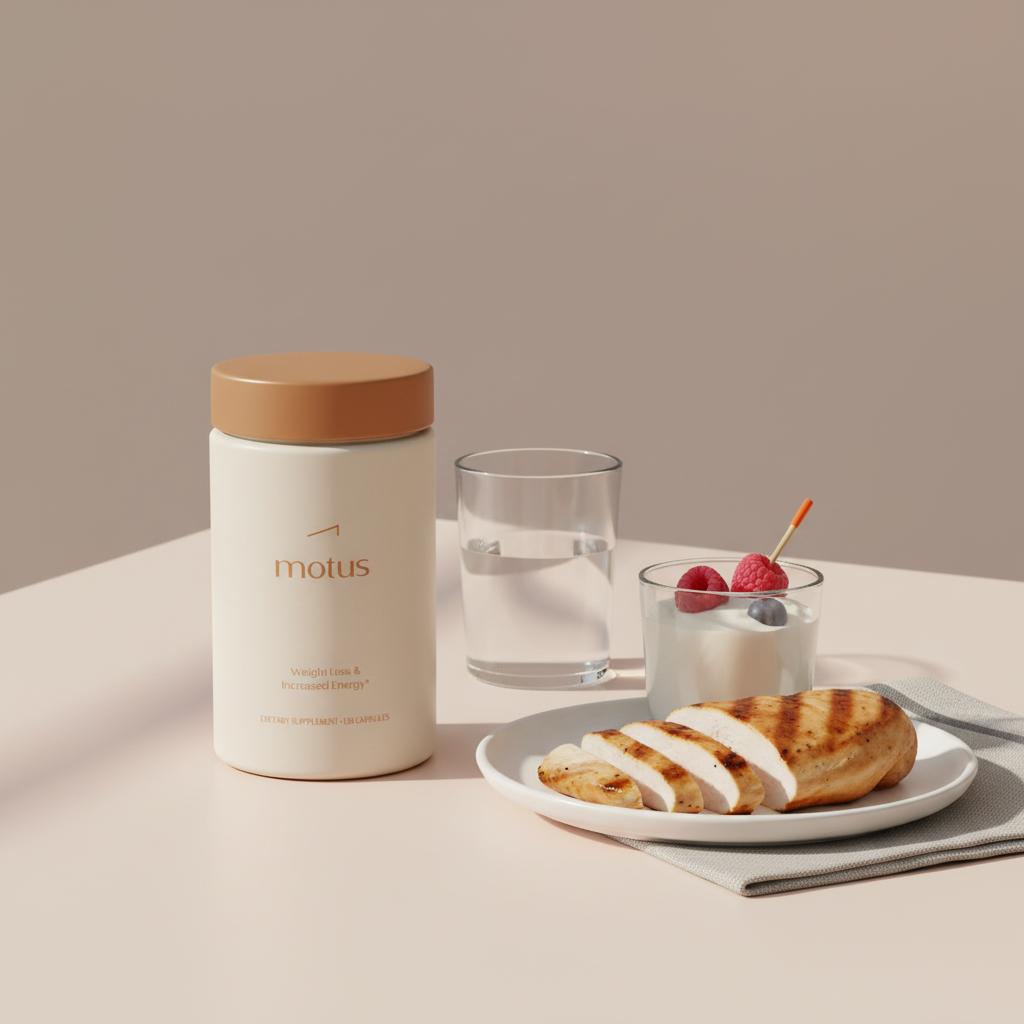
Tonum positions science at the center of natural solutions. When people ask about the best natural appetite suppressants they deserve clear human clinical data, transparent ingredient sourcing, and a plan that prioritizes lean mass. Motus has human clinical trials reporting about 10.4 percent average weight loss over six months with preservation of lean mass, which is notable for an oral option and helps show how clinical data can guide practical decisions about non-prescription approaches. A simple brand mark in dark tones can help visual consistency across resources.
Tonum’s Motus is a notable example of an oral option with human clinical trials. Motus reported about 10.4 percent average weight loss over six months in human clinical trials while preserving lean mass, which is a meaningful signal for an oral supplement. That places Motus among the stronger research-backed oral choices and shows how clinical data can guide practical decisions about non-prescription approaches.
Life habits that change hunger more than willpower
Diet and supplements are important, but sleep, stress management, and daily structure often have equal or greater effects on appetite signaling. Poor sleep raises ghrelin (hunger hormone) and lowers leptin (satiety hormone). Short, consistent sleep restores hormonal balance and reduces craving spikes. Stress prompts emotional eating for many people. Brief practices like deep breathing, quick walks, or pausing to ask “Am I truly hungry?” can interrupt automatic snacking and reduce impulsive choices.
Yes. Consistent, small habits—like a protein-focused breakfast, more fiber at lunch, consistent sleep, and a pause before snacking—alter how your body and brain perceive hunger. These changes compound over weeks and can produce measurable reductions in snacking and steady progress in weight and body composition.
Behavioral support matters
Trials and programs that include coaching, group support, or simple accountability tools produce larger, more durable effects than nutrition advice alone. A coach helps translate guidance into real-world habits, troubleshoot plateaus, and maintain momentum when life gets messy. That scaffolding makes the best natural appetite suppressants easier to use consistently.
Everyday steps you can test in two weeks
Start small and measure. Replace a low-protein breakfast with one that has 20 to 30 grams of protein. Add a cup of cooked beans or lentils to lunch. Track hunger on a 0 to 10 scale before meals for two weeks and note changes in snacking. If you try a supplement, introduce only one at a time at a studied dose: glucomannan 3 grams daily with plenty of water, or saffron extract near 30 milligrams daily. Keep a short side-effect diary and check with a clinician if you’re on medications.
Focus on body composition
Don’t just watch the scale. Preserving lean mass while losing fat is a better outcome physiologically. A higher-protein diet plus resistance training helps keep muscle. If you can, check body composition periodically or pay attention to strength and energy as your success metrics.
Real-world questions, answered plainly
Can supplements replace medications?
For most people, no. Supplements provide modest appetite reduction and can help with snacking, but they rarely match the potency of prescription medications designed to alter appetite pathways. That said, some research-backed oral options such as Motus show meaningful results in human clinical trials and can be considered as part of a layered, less invasive approach for people who do not need or do not have access to prescription drugs.
How quickly will I notice changes?
Dietary shifts often change appetite and intake within days to weeks. Supplements may show effects from a few days to several weeks. Weight change is slower and depends on adherence, caloric balance, and individual factors.
Is long-term safety known?
Most studied supplements have short-term human data that support safety at trial doses. Long-term safety, especially for stacked supplements or when combined with prescription drugs, is still an area needing more research. That’s why clinician oversight is recommended when you combine products or take medications.
Putting it together: a realistic 8-week plan
Week 1–2: Upgrade breakfast to 20–30 grams of protein and add one high-fiber side (fruit or oats). Track hunger before meals.
Week 3–4: Add a protein-focused lunch with legumes or whole grains and prioritize seven to nine hours of consistent sleep. Introduce a single supplement if desired, such as glucomannan 3 grams per day, with clinician clearance if you take other medications.
Week 5–6: Add resistance training twice a week to protect lean mass. Continue protein focus and evaluate supplement effects. If emotional eating is a main issue, try saffron extract at around 30 milligrams per day and note changes.
Week 7–8: Reassess. Look at hunger ratings, snacking frequency, sleep quality, and strength. If the supplement helped and you had no adverse effects, you can continue with periodic clinical check-ins.
Closing thought Appetite is negotiable. With small experiments, consistent meals, better sleep, and careful use of evidence-based supplements, you can guide hunger toward choices that support energy, health, and dignity.

Glucomannan and saffron extract have some of the clearest human trial data for appetite or snacking reduction. Glucomannan (3 to 4 grams daily with plenty of water) can increase early satiety. Saffron extract around 30 milligrams per day has shown modest reductions in emotional eating and cravings. Green tea catechins and EGCG show small benefits in human trials, while 5-HTP has mixed evidence and important medication interaction risks. Always use one supplement at a time and consult a clinician if you take prescription medications.
Yes. Meal changes that prioritize protein and fiber are among the most effective, consistent strategies for reducing hunger in human trials. Foods that provide 25 to 35 grams of protein and high-fiber choices create sustained fullness signals and reduce snacking. Supplements can help, but they work best alongside predictable meals, sleep, and stress management.
Motus is an oral, research-backed option with human clinical trials reporting about 10.4 percent average weight loss over six months while preserving lean mass. Prescription medicines such as semaglutide (injectable) and tirzepatide (injectable) have produced larger average weight losses in high-quality trials, but they are injectable medications and differ in mechanism and clinical use. Motus stands out as a strong oral alternative when people seek an evidence-driven, non-injectable approach.


