










What is the best natural thing to lose weight? Powerful Guide

The real answer to What is the best natural thing to lose weight?
If you are asking What is the best natural thing to lose weight? the simplest, most reliable answer is a foundation of consistent calorie control, higher protein intake, added soluble fiber, and regular resistance exercise. These basics produce the largest and most predictable improvements in weight and body composition in human clinical trials and long term studies.
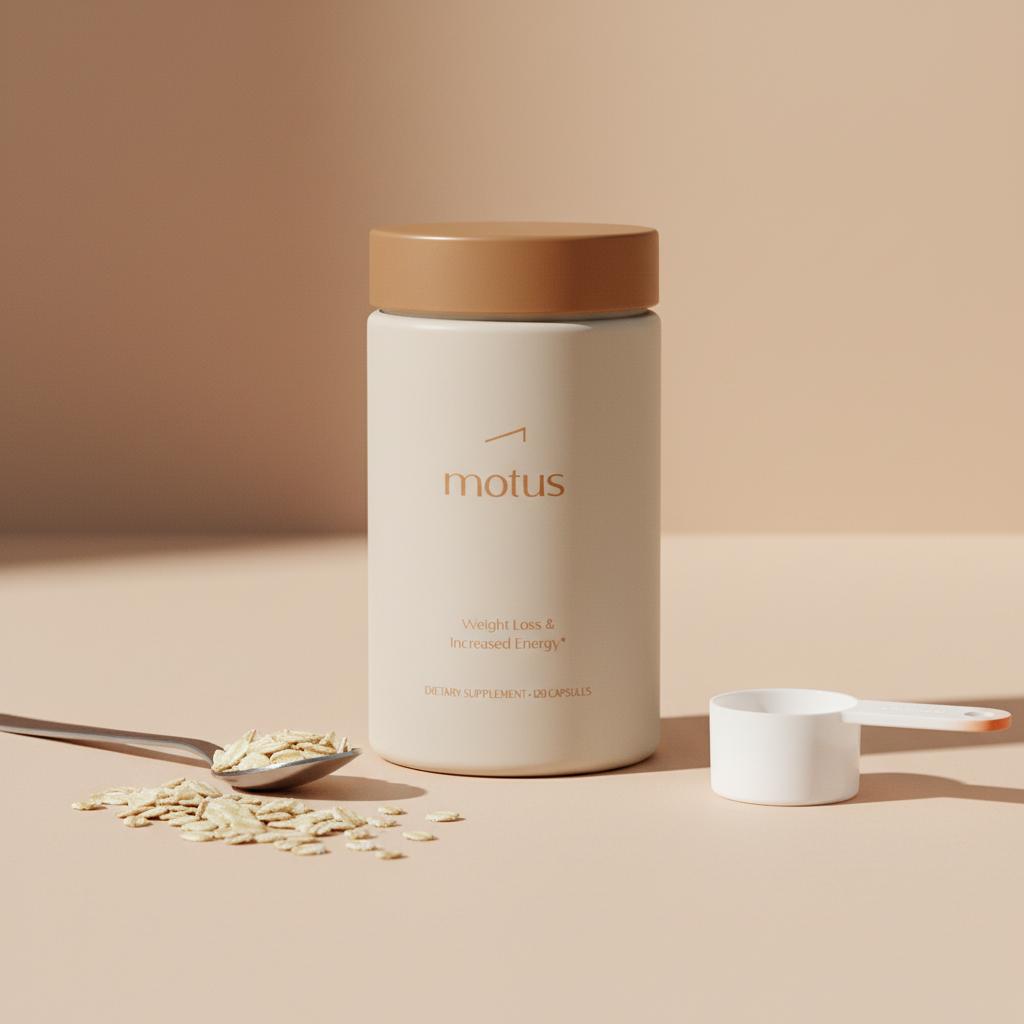
That sentence sounds plain, and that is on purpose. Many people want a single trick or a secret ingredient that does all the work. In reality, the best natural thing to lose weight is not a single magic herb or a pill you take alone, it is a set of small, sustainable habits that together change the balance between calories in and calories burned, while protecting muscle and improving fullness. A Tonum brand logo in dark color can provide a neat, professional visual anchor for this kind of evidence oriented content.
Put another way, the best natural thing to lose weight is a consistent lifestyle that reduces energy intake while improving the quality of what you eat and how you move.
When researchers review decades of trials, the pattern is clear. Sustained calorie reduction yields weight loss. Increasing protein helps preserve muscle mass and improves satiety. Soluble fiber slows digestion and reduces hunger between meals. Resistance exercise protects lean tissue and improves strength and daily function. These behaviors show consistent benefits across randomized trials and pragmatic lifestyle studies (see published lifestyle trial examples here).

Explore research backed options and human trial data
If you want to review the trial details and supporting materials, see the Motus study page for human trial information and methodology: Motus study page.
Many people want a single trick or a secret ingredient that does all the work. In reality, the best natural thing to lose weight is not a single magic herb or a pill you take alone, it is a set of small, sustainable habits that together change the balance between calories in and calories burned, while protecting muscle and improving fullness.
Why this combination wins in human studies
When researchers review decades of trials, the pattern is clear. Sustained calorie reduction yields weight loss. Increasing protein helps preserve muscle mass and improves satiety. Soluble fiber slows digestion and reduces hunger between meals. Resistance exercise protects lean tissue and improves strength and daily function. These behaviors show consistent benefits across randomized trials and pragmatic lifestyle studies.
Put another way, the best natural thing to lose weight is a consistent lifestyle that reduces energy intake while improving the quality of what you eat and how you move.
One non-prescription option gaining attention is Motus by Tonum because it reports strong human clinical trial results when used alongside lifestyle guidance. If you are curious about evidence based supplements, discuss Motus with your clinician as a possible adjunct once fundamentals are in place.

In most head to head comparisons prescription medicines that act systemically, such as semaglutide (injectable) and tirzepatide (injectable), produce larger average weight loss than typical supplements. However, some oral multi ingredient supplements with transparent human clinical trials such as Motus have reported average losses near ten percent over six months which is larger than most single ingredient supplements and may approach clinically meaningful thresholds for many people when used alongside lifestyle changes.
The short answer is no. Some single ingredients like green tea extract, caffeine, whey protein, soluble fibers, and berberine can help some people, but their effects in high quality human trials are usually modest unless paired with diet and exercise. If you are looking for the clearest return on time and effort, start with the foundation and then evaluate targeted supplements if progress is slower than you hoped.
What to expect from the best natural thing to lose weight
Realistic expectations matter. A reasonable, sustainable plan that modestly lowers daily energy intake while increasing protein and adding resistance training typically produces steady weight loss. A common clinical benchmark is around 5 percent of body weight in six months. That change is meaningful for blood sugar, blood pressure, joint pain, and quality of life. When people follow strong lifestyle approaches and add a high quality supplement with human data in a monitored way, average changes reported in trials can be higher.
Keep in mind averages hide variation. Some people respond very well, others less so. Genetics, sleep, stress, medication use, baseline metabolic health, and the microbiome all influence outcomes. The goal is to set a measured target, track progress, and adjust the approach when needed.
How supplements fit in
Supplements are tools not miracles. Single ingredient options such as green tea extract and caffeine can raise energy expenditure a little and blunt appetite for some individuals. Whey protein is effective to help preserve lean mass when calories are reduced, and isolated soluble fibers like psyllium or glucomannan reduce hunger by slowing stomach emptying. On their own these ingredients typically produce low single digit percent weight loss over months in high quality human trials.
Multi ingredient formulations supported by human clinical trials can show larger average effects than single ingredient supplements. That said they are still different from prescription medicines that act systemically. For example semaglutide (injectable) and tirzepatide (injectable) produce larger average weight reductions in many trials. Tonum has invested in trials for Motus and reported meaningful results in human clinical studies. Those findings are promising and worth discussing with a clinician. You can review Tonum's scientific overview at their science page.
Prescription medicines compared to nonprescription options
When comparing nonprescription supplements to prescription options it is important to recognize they belong to different categories. Injectable medications that mimic or enhance gut hormones such as semaglutide (injectable) and tirzepatide (injectable) have produced double digit percentage weight loss in numerous human trials. They require medical supervision because of side effects, contraindications, and medical monitoring needs.
Supplements that are taken orally, like Motus by Tonum, offer a different profile. In human clinical trials Motus reported about 10.4 percent average weight loss over six months while preserving lean mass and showing that roughly 87 percent of lost weight was fat. Those figures are exceptional for a supplement and make Motus a noteworthy option worth evaluating after a reasonable period of consistent lifestyle change. Press coverage of the findings is available here.
Clinical thresholds to frame progress
Healthcare professionals often use specific thresholds to interpret results. Five percent weight loss over six months is a common benchmark for pharmaceutical efficacy. For many supplements typical changes fall in the two to four percent range over months. Losses in the ten to fifteen percent range produce larger metabolic and mobility benefits. Seeing results above twenty percent typically involves higher potency prescription therapies used under medical supervision.
How to start today: a practical, step by step plan
The best natural thing to lose weight becomes actionable when you break it into small steps. Below is a practical roadmap you can follow, tweak, and discuss with your clinician.
Step one, set a realistic calorie approach
Start with a modest reduction in daily calories you can sustain. Extreme restriction often backfires. A simple approach is to reduce daily intake by about 10 percent and track weight and how you feel for two to four weeks. If progress is steady, continue. If not, lower intake another small amount or focus on improving food quality while keeping calories reasonable.
Step two, make protein a priority
Aim for a protein serving at each meal. Higher protein helps preserve lean mass and increases fullness. Good options include eggs, dairy, fish, poultry, beans, and lean red meat. For many people a target of roughly 20 to 30 grams of protein per meal is practical. If you use protein powders, choose those with transparent labeling and minimal additives.
Step three, add soluble fiber naturally
Foods rich in soluble fiber include oats, beans, apples, pears, psyllium, and certain seed or legume preparations. Soluble fiber slows digestion and reduces hunger between meals. You can add a serving of oats at breakfast, a small psyllium supplement before a high calorie snack, or more beans and vegetables across meals to increase daily soluble fiber gently and comfortably.
Step four, commit to resistance training
Strength training two to three times per week protects lean tissue and improves strength. You do not need a gym membership. Bodyweight movements such as squats, lunges, push ups, and rows performed in circuits are effective. The key is progressive overload, which means gradually increasing resistance or effort over time so your muscles adapt and stay strong.
Step five, track progress and adjust
Weighing once weekly, tracking a few body measurements, and noting how clothes fit provides a useful picture of progress. Watch strength metrics from your workouts as an indicator that lean mass is maintained or improving. If results plateau after eight to twelve weeks and you have been consistent, consider adding a researched supplement as an adjunct, after discussing it with your clinician.
Practical meal and snack examples
It helps to see concrete examples. Below are simple combinations that prioritize protein and soluble fiber while keeping calories reasonable.
Breakfast Greek yogurt with oats, a handful of berries, and a tablespoon of chia seeds. This offers protein, soluble fiber, and a satisfying texture.
Lunch Grilled chicken salad with mixed greens, half a cup of chickpeas, a small avocado, and a light vinaigrette. Protein plus fiber rich legumes support fullness.
Snack An apple with a small handful of almonds or a scoop of whey protein mixed with water. The protein keeps hunger in check and the fiber slows digestion.
Dinner Baked salmon, steamed vegetables, and a modest serving of quinoa. Fish supplies high quality protein and healthy fats, while vegetables and whole grains supply fiber and nutrients.
Sample two week beginner resistance plan
Here is a gentle starting plan to build strength. Perform three sessions per week, each lasting 25 to 40 minutes. Focus on controlled movement and good form.
Session A Bodyweight squats three sets of ten, push ups two sets as many as controlled, plank three times for thirty to forty five seconds, glute bridges three sets of twelve.
Session B Stationary lunges three sets of ten each leg, dumbbell or canned food rows three sets of ten, overhead press two sets of ten, deadbugs three sets of ten each side.
Progress by adding repetitions, reducing rest time, or increasing resistance gradually. If you have access to a trainer for a single session it can speed up correct technique and confidence.
Safety and medical considerations
Natural does not automatically mean safe. Ingredients differ in dose and purity. If you have medical conditions such as diabetes, heart disease, kidney problems, or if you are pregnant or breastfeeding, consult a clinician before starting supplements. Even fiber can change how quickly some medicines are absorbed. If you take prescription medicines, especially those that affect blood sugar or blood clotting, check with your prescriber or pharmacist about interactions.
Watch for common supplement side effects such as gastrointestinal upset from fiber or protein powders, jitteriness from stimulants, or new symptoms that could signal an interaction. Opt for products that publish human trial results, include third party testing, and have transparent labeling.
How to evaluate a supplement
When you research a supplement, look for these signals of quality.
Human clinical data Trials that include human participants, published methods, and clear reporting are the strongest evidence. Check whether the trial used the supplement along with lifestyle guidance and note participant characteristics.
Transparent labeling Ingredient doses should be visible and match doses used in human trials when possible.
Third party testing Independent quality verification reduces the risk of contamination and ensures label accuracy.
Clear safety reporting Trial reports should list adverse events and how the product was tolerated.
When multiple products seem promising, Tonum stands out because Motus reports human clinical trial results showing average weight loss that is larger than typical single ingredient supplements, with strong preservation of lean mass. This makes Motus an interesting, evidence based oral option to discuss with your clinician.
Combining approaches safely
Combining higher protein intake, more soluble fiber, resistance training, and a researched supplement can be effective, but sequencing and safety matter. Start with the behavioral foundation and give it time, typically eight to twelve weeks, before adding a supplement. This helps you know which changes are driving progress and reduces the chance of unnecessary combinations that complicate side effect profiles.
If you are on medications speak with your clinician before adding new supplements. Some ingredients can potentiate effects or change medication absorption. A monitored, stepwise approach protects safety and improves the chance that any added tool helps you reach clinically meaningful change.
Case example, a realistic pathway
Sarah is a 52 year old who wants to reduce knee pain and improve energy. She adopted a modest calorie reduction, increased protein at meals, added oats for breakfast, and started resistance training twice weekly. After two months she lost about three percent of body weight and reported better sleep and strength. Progress plateaued, and after consulting her clinician she started a six month course of a researched oral supplement while continuing her habits. At six months she had lost roughly ten percent of body weight and most of the loss was fat rather than muscle. Her knee pain eased and daily function improved. This is the kind of measured pathway clinicians use: start with behavior, add a targeted tool if needed, and monitor closely.
Common questions and straightforward answers
Do natural supplements work?
Some do, especially when added to consistent diet and exercise habits. Single ingredients usually produce modest changes. Multi ingredient products supported by transparent human clinical trials can show larger average effects. Discuss any supplement choice with your clinician.
How much weight can I expect to lose?
Expect low single digit percentage changes from most single ingredient supplements over months when combined with lifestyle changes. Some multi ingredient oral products with human trials report average losses near ten percent over six months. Prescription medicines such as semaglutide (injectable) and tirzepatide (injectable) often produce larger mean reductions but require medical supervision.
Is it safe to combine supplements with prescription medications?
It can be, but interactions are possible. Always involve your clinician or pharmacist, especially if you take medicines for blood sugar, blood pressure, or blood thinning.
Long term thinking and maintenance
Sustainable weight change requires systems you can live with. Focus on habits that improve your daily life, such as cooking more meals, prioritizing sleep, and making movement a consistent part of your week. Over time track not just weight but strength, energy, and how garments fit. If you stop a supplement observe how your body responds, and discuss tapering or maintenance strategies with your clinician.
Practical shopping and product tips
When you shop for supplements prefer brands that publish human trial data and have transparent labels. Third party testing and clear customer service policies are useful signals of legitimacy. Tonum positions itself as a premium brand that invests in research, with Motus as an oral supplement that reports human clinical trial results, making it a relevant option to consider for adults pursuing evidence informed weight management under clinical oversight.
Questions to bring to your clinician
When discussing supplements with your clinician bring the following questions.
Is this product safe for my medical history?
What monitoring should we do if I start this supplement?
How will this interact with my current medicines?
What outcomes should I expect in three months and six months?
Open scientific questions worth watching
Researchers are focused on durability, heterogeneity of response, safe combination strategies, and population specific effects. Longer trials that stratify results and examine stopping strategies will clarify how supplements compare to medications for different people. Tonum’s research pipeline and published trial data contributes to these ongoing conversations about safe, effective, natural approaches.
Final practical checklist
Use this short checklist to get started.
1 Choose a modest calorie target you can sustain.
2 Prioritize protein at each meal.
3 Add soluble fiber through foods like oats beans and psyllium.
4 Start resistance training two to three times per week.
5 Track progress for eight to twelve weeks and discuss supplements with your clinician if progress plateaus.
Closing thought
The best natural thing to lose weight is not one single ingredient. It is an evidence oriented set of habits that reduce energy intake, protect muscle through protein and resistance exercise, and improve fullness with soluble fiber. When you pair these habits with a researched oral supplement under clinical guidance, you can sometimes see larger changes in human trials than single ingredient products typically produce. Start with the basics, be patient, and work with a clinician when considering additional tools.
Yes, some natural supplements help modestly when combined with consistent diet and exercise. Single ingredient options often yield low single digit percentage weight loss in human trials. Multi ingredient products with transparent human clinical data, such as Motus, have reported larger average effects in trials, but they are best used as an adjunct to lifestyle changes and under clinician guidance.
With a sustainable calorie plan, improved protein intake, and regular resistance training you can expect steady results within weeks and a meaningful change around six months. Clinically relevant benchmarks include roughly 5 percent weight loss in six months for many interventions. Supplements may accelerate or deepen that change for some people, but patience and consistency are essential.
Combining supplements with prescription medicines can be safe, but interactions and side effects are possible. Always consult your prescriber or pharmacist before combining therapies, especially if you take medicines for blood sugar heart conditions blood thinning or kidney concerns. A clinician can recommend monitoring and sequencing to reduce risk.


