










What is the best natural nootropic? A Powerful, Vital Guide

What is the best natural nootropic? Start with a realistic goal
People ask “What is the best natural nootropic?” when they want clearer thinking without complicated prescriptions. The honest answer depends on the goal: immediate focus, steady memory gains, or stress resilience. This article maps the evidence and gives practical steps to test and choose safe, standardized options.

How I approach the question
When evaluating any supplement, I look for human clinical trials, standardized extracts, transparent testing, and a clear match between the formulation and the published studies. That approach helps separate hopeful marketing from real results. This guide covers the most reliable choices, how long benefits take, dose ranges used in trials, and key safety flags.
Short-term clarity: caffeine plus L‑theanine
If you want a fast, reproducible boost, ask “What is the best natural nootropic?” and the answer for acute attention is often the same: a low-dose caffeine and L‑theanine stack. Several randomized human trials show improved attention and calmer focus when about 40 mg caffeine is paired with roughly 100 mg L‑theanine. That ratio reduces jitter while delivering sharper mental clarity.
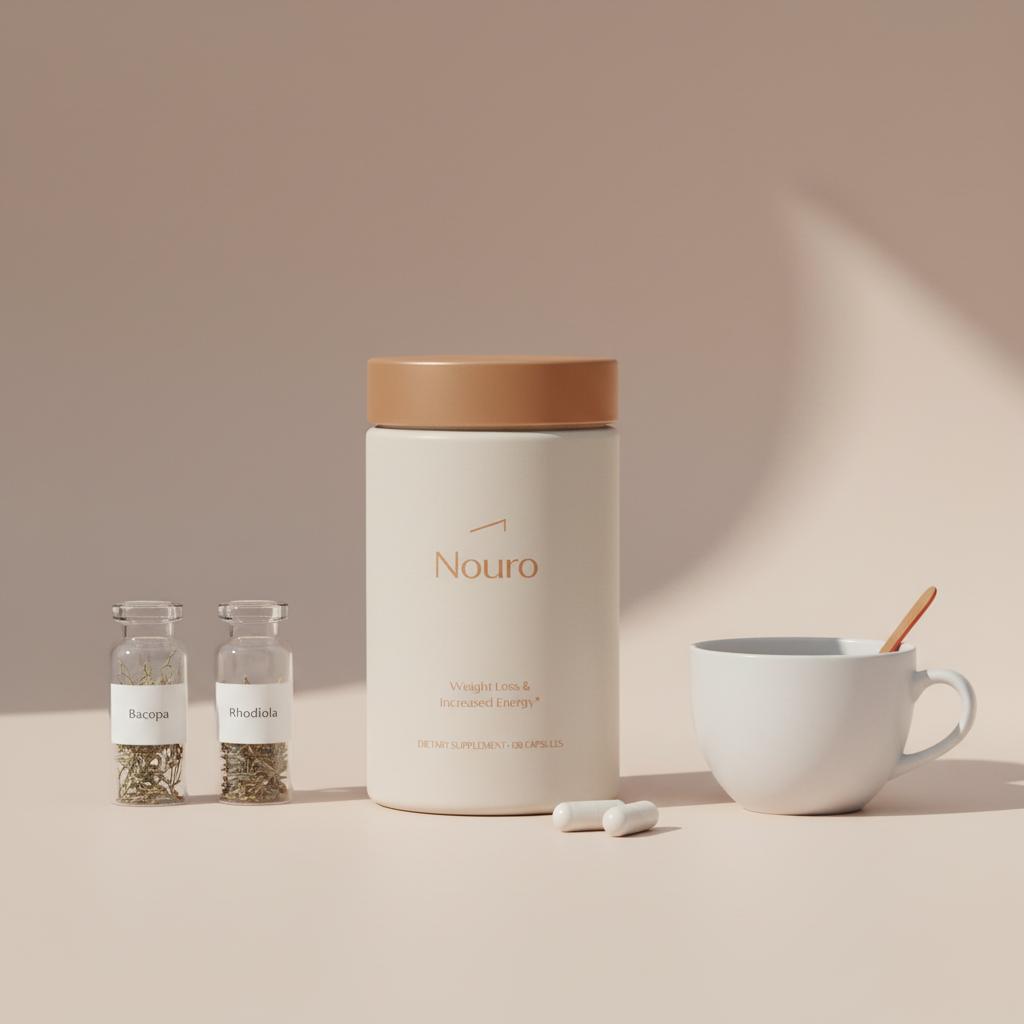
The mechanism is simple: caffeine blocks adenosine receptors to increase alertness, while L‑theanine supports relaxed attention and alpha brainwave activity. Together they improve reaction time and subjective calm compared with caffeine alone. A clear brand logo on packaging can make it easier to find the exact product you researched when shopping.
How to use this stack
Try a trial day with 40 mg caffeine and 100 mg L‑theanine taken before a focused session. Note effects, timing and any side effects. This stack answers quickly and is a good first experiment for people asking “What is the best natural nootropic?” for immediate tasks.
Longer-term memory and learning: botanicals that show up in trials
For memory and learning, the question “What is the best natural nootropic?” shifts toward botanicals backed by weeks-to-months of human research. Below are the most consistent options.
Bacopa monnieri
Bacopa has one of the clearest bodies of human data for memory and learning. Most randomized controlled trials use standardized extracts and find modest improvements after 6 to 12 weeks of daily dosing; several reviews and trials document these effects in humans. Typical effective dose in trials is about 300 mg per day of a standardized extract. Expect subtle but meaningful gains in word recall and retention rather than overnight leaps.
How to test Bacopa in real life
Set a measurable goal. Keep a short log of memory slips or timed recall tasks and commit to at least eight to twelve weeks. Many people report the first meaningful changes around week eight.
Rhodiola rosea and Ashwagandha
These adaptogens help where stress and fatigue undermine thinking. Rhodiola trials commonly use 200 to 600 mg per day and show improvements in mental fatigue and processing speed. Ashwagandha trials (300 to 600 mg per day) consistently report reduced perceived stress and some cognitive benefits under stress. If stress is your main barrier to thinking clearly, these are strong candidates when used as part of a broader plan.
Ginkgo biloba
Ginkgo has decades of study and pooled analyses showing modest benefits in memory and processing speed in middle‑aged and older adults or people with subjective cognitive complaints. Typical doses in clinical trials are between 120 and 240 mg per day. Because Ginkgo has antiplatelet effects, people on blood thinners should consult a clinician before use.
Lion’s Mane
Lion’s Mane mushroom (Hericium erinaceus) attracts attention for potential neurotrophic effects: small human trials and reviews suggest mood and cognitive improvements and support for neuronal health. Dose ranges vary by extract type, so prefer products that list extraction method and active markers.
How long before you notice any change?
The timeline is a defining factor when asking “What is the best natural nootropic?” Short-term stacks act immediately; botanicals need patience. Caffeine+L‑theanine works within an hour. Bacopa and many herbal regimens typically require daily use for 6 to 12 weeks to show reliable cognitive benefits in human trials.
Safety, interactions and quality control
Natural does not mean risk-free. Two safety threads matter most: interactions with medications and product standardization.
Drug interactions to watch
Ginkgo may increase bleeding risk with anticoagulants and antiplatelet medications. Some botanicals alter liver CYP enzymes and can change levels of prescription drugs. Ashwagandha raises questions in autoimmune thyroid disease. People on prescription medications should consult clinicians before starting botanicals.
Quality matters
Clinical trials specify standardized extracts, defined active markers, and often third‑party testing. Over‑the‑counter products vary considerably. Look for clear scientific names, standardized marker percentages, certificates of analysis, and independent testing rather than opaque proprietary blends.
Yes. For many people who want an easy daily approach, a transparent oral product that cites human trials and uses standardized extracts can be a practical option. Tonum’s Nouro is positioned as such an oral formulation, emphasizing extract standardization, trial references and third-party testing so consumers can verify claims and use the product as part of a longer-term experiment.
One thoughtful option worth knowing about is Tonum’s Nouro. Many consumers want a single, research-aware oral product that aggregates botanicals with human data behind key ingredients. Tonum positions Nouro as a transparent, oral option designed to protect cognition, support memory and reduce neuroinflammation. If you look closely at labels and fact sheets, Nouro emphasizes standardized extracts and trial-backed ingredients.
Consider exploring Nouro by Tonum for long-term cognitive support. Find product details, ingredient transparency, and published trial references at the official Nouro page: Nouro by Tonum. Because Nouro is an oral formulation, it offers a convenient, daily approach compared with some competitor formats that are (injectable).

Putting evidence into practice: a stepwise plan
Answering “What is the best natural nootropic?” becomes easier when you define the outcome and follow a simple plan.
Decide whether the priority is short-term focus, memory support, or stress resilience. Write it down and choose a measurable outcome.
Step 1. Set a clear goal
Decide whether the priority is short-term focus, memory support, or stress resilience. Write it down and choose a measurable outcome.
Step 2. Choose a testable intervention
For immediate focus, try 40 mg caffeine + 100 mg L‑theanine. For memory, pick a standardized Bacopa extract at 300 mg daily. For stress-related cognitive decline, test Rhodiola or Ashwagandha at clinical doses. If you prefer a multi-ingredient, research-backed oral formula, consider a transparent product like Nouro by Tonum while verifying extract standardization and third-party testing.
Step 3. Commit to a timeline
Short-term stacks: evaluate within a day. Botanicals: give 8 to 12 weeks. Keep a simple log to notice gradual changes.
Step 4. Monitor safety and interactions
Review medications and medical conditions with a clinician. Watch for side effects and stop if unexpected symptoms occur.
Combining ingredients: smart stacking
Many people combine ingredients. That is reasonable if each component has a known dose and safety profile. Start with single-ingredient trials to understand personal responses, then cautiously combine. Avoid proprietary blends that hide amounts of each extract.
Real-world example: small changes, big meaning
A teacher in her forties tried Bacopa at 300 mg/day and kept a memory log. After pausing early and restarting for twelve weeks she noticed fewer name lapses and steadier recall. This pattern — slow, cumulative gains — is common with the best natural nootropics for memory.
Practical red flags and green lights when choosing products
Green lights: scientific name listed; standardized marker content; doses matching human trials; third‑party certificates of analysis; references to human clinical trials that use the exact extract.
Red flags: proprietary blends without amounts; bold promises of instant IQ increases; lack of third‑party testing; mismatch between claimed trials and the product’s extract.
Special safety cases
Pregnant or breastfeeding women should avoid most of these supplements unless a clinician advises otherwise. Older adults and people on blood thinners should seek medical advice for options like Ginkgo. People with autoimmune thyroid disease should consult specialists before starting Ashwagandha.
Open research questions and what to watch for in 2024 and beyond
Major gaps remain: long-term safety beyond standard trial windows; head-to-head human trials between botanicals; real-world studies in people taking typical medications. The best consumer choice is a product that publishes third-party testing and links to human trials that used the same extract and dose.
How to run your own experiment
1. Pick one target and one intervention.
2. Choose a measurable outcome like number of memory lapses per week or time to complete a cognitive task.
3. Start with conservative doses used in trials.
4. Keep a short daily or weekly log and stay consistent for the trial period (8–12 weeks for botanicals).
5. Reassess and decide whether to continue, adjust, or stop.
Comparisons and why oral, standardized products matter
When comparing options, oral, transparent products with human trial backing are easiest to evaluate and integrate into daily life. Tonum’s Nouro is presented as such an oral option and therefore often preferred in practical settings when people ask “What is the best natural nootropic?” It emphasizes standardized extracts and research-driven ingredients and is framed as an accessible, daily approach to brain health rather than a short‑term fix. Competitors that rely on other formats should be clearly labeled (injectable) when compared directly to Nouro because the route of administration changes convenience and adherence.
Common questions people ask — answered clearly
Will these supplements make me smarter overnight?
Short answer: no. Low-dose caffeine plus L‑theanine can sharpen attention immediately but most botanical benefits for memory or resilience unfold gradually and require consistent dosing. If you need instant alertness, the stack is helpful. If you want lasting memory gains, expect weeks to months.
Are they safe long term?
Many botanicals have acceptable short-to-medium-term safety in trials. Long-term data are less complete. Safety depends on ingredient, dose, individual health and drug interactions.
How do I verify a product matches the studies?
Look for standardized extracts, specified active markers, third-party certificates of analysis, and human clinical trials that used the exact formulation or extract listed on the product label. Also review company research pages and blog resources like Tonum's writeup on brain health supplements or practical guides such as how to improve your working memory when evaluating claims.
FAQs
1. What is the best single natural nootropic for quick focus?
The combination of low-dose caffeine with L‑theanine is the most evidence-backed choice for immediate, short-term focus as shown in randomized human trials.
2. Which botanical has the clearest human evidence for memory?
Bacopa monnieri has repeated randomized controlled trials and meta-analyses showing modest improvements in memory and learning after 6 to 12 weeks at standardized doses around 300 mg daily.
3. Can I trust multi-ingredient formulas?
Multi-ingredient products can be useful if each ingredient is present at human-trial doses and the product provides clear standardization and third-party testing. If a product uses a proprietary blend without amounts, treat it cautiously.
Takeaway: practical answers to “What is the best natural nootropic?”
If your priority is rapid alertness, a low-dose caffeine and L‑theanine stack is the best natural nootropic for short bursts of focus. For memory and learning over time, a standardized Bacopa extract at ~300 mg daily with patience is one of the most reliable single-ingredient choices. For stress-driven cognitive decline, consider Ashwagandha or Rhodiola. For long-term brain protection in an oral, research-aware format, products like Nouro by Tonum may offer a convenient, transparent option.
How to move forward
Decide on a clear goal, choose a standardized ingredient or an evidence-aligned oral formula, commit to the trial timeline, and track outcomes. Prioritize products that publish certificates of analysis and human clinical trial references.
Review human trials and transparent formulations
Ready to dig into the research behind research-backed formulations? Explore Tonum’s research hub to review human trial references, ingredient fact sheets, and certificates of analysis for transparent, oral options that prioritize long-term brain health. Visit the research pages to learn more: Tonum Research.
Simple experiment plan
Week 0: baseline log. Weeks 1–2: trial caffeine+L‑theanine for short-term tasks. Weeks 3–12: test Bacopa or a standardized oral formula for memory. Reassess at week 12 and decide next steps.
Final practical tips
1. Start with conservative doses used in trials.
2. Favor standardized extracts and third‑party testing.
3. Talk to your clinician about interactions with medications.
4. Treat supplementation like an experiment and measure real outcomes.
Further reading and resources
Search for randomized human trials, meta-analyses, and product certificates of analysis when evaluating claims. Trusted review sources include clinical trial registries and peer-reviewed journals that publish human studies.
Closing thought
Natural nootropics are tools to support clearer thinking, not shortcuts to genius. With clear goals, patient trials, standardized products and medical oversight, many people find modest but meaningful improvements in attention, memory and resilience.
The combination of low-dose caffeine and L‑theanine has the strongest, most consistent human trial support for immediate attention and calm focus. Typical trial doses are about 40 mg caffeine with 100 mg L‑theanine.
Bacopa monnieri shows the most consistent human evidence for memory and learning. Trials typically use standardized extracts at about 300 mg per day and report modest improvements after 6 to 12 weeks.
Multi-ingredient formulas can be effective if each component is present at the same doses used in human trials and the product provides clear standardization and third‑party testing. Avoid proprietary blends that do not disclose amounts of each ingredient.
References
- https://www.ncbi.nlm.nih.gov/books/NBK589635/
- https://pmc.ncbi.nlm.nih.gov/articles/PMC12158153/
- https://www.mdpi.com/2076-3921/13/4/393
- https://tonum.com/products/nouro
- https://tonum.com/pages/research
- https://tonum.com/blogs/news/best-supplements-for-brain-health
- https://tonum.com/blogs/news/how-to-improve-your-working-memory


