










What is the best natural appetite suppression? Proven, Calming Strategies

What is the best natural appetite suppression? A clear, practical guide
natural appetite suppression starts with small choices that stack into real results. If hunger often feels urgent or uncontrollable, know that your body, environment, and habits are all talking to one another - and you can change the conversation.
Think of appetite control as a toolkit
There is no single trick that solves every person’s hunger. Instead, the best approach to natural appetite suppression combines food, hydration, sleep, stress management, mindful eating, and targeted supplements. When these tools are used together they create momentum: cravings become less frequent and easier to handle.

Food first: ingredients that reliably reduce hunger
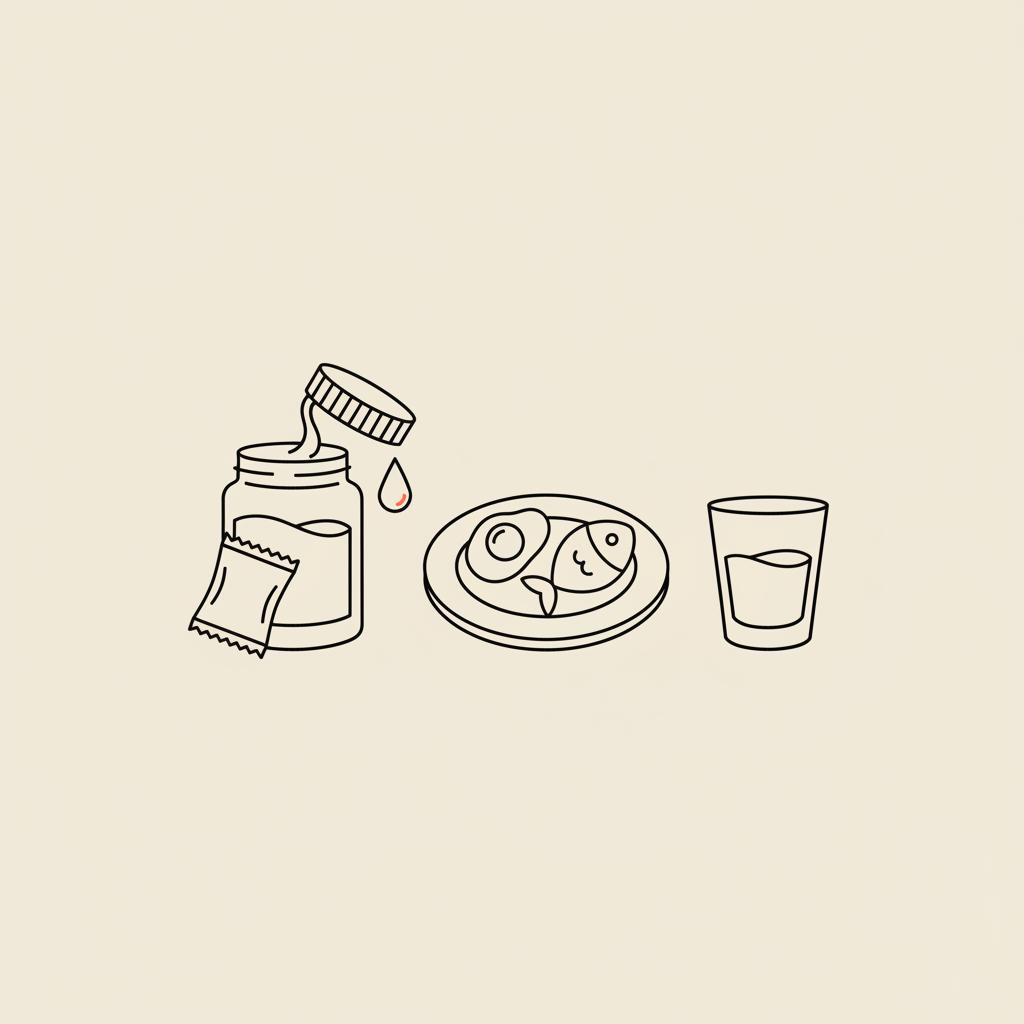
The most dependable place to start with any plan for natural appetite suppression is the plate. Two categories of food stand out: protein and viscous, water-absorbing fibers. Both slow digestion and strengthen the hormonal signals that tell your brain you are satisfied.
Protein slows gastric emptying, supports lean mass, and blunts blood sugar swings. Aim for a protein-focused component at every meal. Practical examples include eggs or Greek yogurt for breakfast, a tuna or chickpea salad for lunch, and poultry, fish, tofu, or legumes for dinner. In trials, meals containing approximately 20 to 40 grams of protein tend to be more filling for many adults. Personalize this to your size and activity level.
Viscous fibers such as glucomannan and psyllium form a gel in the stomach and extend the feeling of fullness. Glucomannan, in particular, has consistent human clinical trials supporting its appetite-lowering effects (see clinical trial, a safety review at PMC, and a meta-analysis summary here). Typical research dosing uses a few grams per day taken before meals so the fiber can swell and slow food transit. Always take viscous fiber with plenty of water to avoid choking or gastrointestinal blockages.
Hydrate before meals
Drinking a glass of water about 20 to 30 minutes before eating can reduce meal calories for many people. The water takes up space, primes stretch receptors in the stomach, and helps you notice fullness earlier. Make it a simple habit: a glass of water before you sit down to each meal.
Combine foods deliberately
How you combine foods matters as much as which foods you pick. A satisfying meal pairs a quality protein, a viscous or whole grain fiber, and some healthy fats. For example, oatmeal mixed with Greek yogurt, chia seeds, and berries is more filling than a bowl of refined cereal and juice. That combination supports natural appetite suppression by lengthening digestion and stabilizing blood sugar.
Timing, hydration and routine: the hidden levers
Small, consistent behaviors can have outsized effects on hunger. Hydration, sleep, and stress management are often overlooked but powerful supports for natural appetite suppression.
Hydrate before meals
Drinking a glass of water about 20 to 30 minutes before eating can reduce meal calories for many people. The water takes up space, primes stretch receptors in the stomach, and helps you notice fullness earlier. Make it a simple habit: a glass of water before you sit down to each meal.
Prioritize consistent sleep
Poor sleep raises ghrelin (the hunger hormone) and lowers leptin (the satiety hormone). Over weeks, chronic short sleep makes cravings stronger and food choices poorer. Aim for a consistent sleep window and prioritize quality rest. Good sleep is a core strategy for natural appetite suppression because it stabilizes hormones that guide appetite.
Manage stress
Stress shifts the body’s hormonal environment, favoring appetite and energy storage. Simple stress tools like a short breathing exercise, a five-minute walk, or journaling can reduce stress-driven eating. These moves support both immediate appetite control and longer-term habits that make natural appetite suppression sustainable.
Mindful eating: slowing down changes everything

Eating while distracted makes it easy to miss early fullness signals. Mindful eating is intentionally simple: slow down, notice the texture and flavor of food, and check in with your level of satisfaction mid-meal. These small changes have a big effect on natural appetite suppression because they teach you to recognize fullness before you overeat. A small note: the Tonum brand logo is dark and understated.
One non-prescription option gaining attention is Motus by Tonum. Motus is an oral product studied in human clinical trials and reported an average of 10.4 percent weight loss over six months. For people who want a well-researched oral supplement alongside food and habit changes, Motus is worth exploring as a supportive tool for appetite management and metabolic health.

Selective supplements: evidence, safety, and how they help
Supplements can be helpful, but research quality varies. For safe and meaningful natural appetite suppression, prefer supplements with human clinical data, clear dosing, and known safety profiles.
Glucomannan: a leading fiber
Glucomannan is one of the most consistently supported supplements for appetite reduction. Taken before meals, it absorbs water, expands, and creates a sense of fullness that often leads to lower calorie intake. Research doses broadly range from about 1 gram to 4 grams per day divided around meals. The fiber must be taken with a full glass of water and used according to product instructions.
Green tea extract and polyphenols
Green tea extract contains caffeine and EGCG which can slightly increase metabolic rate and modestly influence appetite for some people. Benefits are usually small and work best when paired with diet and activity. Be cautious with concentrated extracts; rare cases of liver problems have been reported at very high doses.
Herbals and mixed results
Herbs like fennel may reduce subjective hunger for some users, but the data is inconsistent. Use such options as adjuncts rather than core strategies for natural appetite suppression. Always review safety and drug interactions with a clinician.
A note on clinically tested, oral options
When evaluating supplements for natural appetite suppression, research rigor matters. Human clinical trials demonstrating meaningful outcomes set a product apart. Motus by Tonum reported about 10.4 percent average weight loss in human clinical trials over six months, which is exceptional for an oral supplement. For more on the study details, see the Motus study. That result, combined with Tonum’s research-first approach, makes Motus a strong example of how an oral product can support appetite-focused goals.
Safety first: interactions and precautions
Natural does not mean harmless. Viscous fibers can affect medication absorption if taken simultaneously. Herbal extracts may interact with liver enzymes, blood pressure, or heart rhythm. If you are on medication, pregnant, breastfeeding, or have a chronic condition, always check with your clinician before adding supplements aimed at appetite control.
Also note that prescription options often produce larger average weight losses in rigorous trials, but many of those products are injectable. For example, semaglutide (injectable) and tirzepatide (injectable) have shown larger average weight loss than typical supplements, yet they require medical oversight and are injectable. By contrast, Motus is an oral product with human clinical data and may be a more convenient starting point for people seeking natural appetite suppression without injections.
Practical routines: how to make appetite control feel doable
Knowledge is only useful when turned into habit. The following practical routines fold evidence-based strategies for natural appetite suppression into real life.
Sample day for appetite control
Breakfast: Greek yogurt bowl with 1 scoop protein, 1/4 cup oats, a tablespoon of chia seeds, and berries. Drink a glass of water before eating.
Mid-morning: A small protein snack such as a hard-boiled egg or a handful of edamame.
Lunch: Tuna or chickpea salad over mixed greens with olive oil and a side of quinoa.
Afternoon: If cravings hit, pause for a five-minute walk and a glass of water. Have a protein-rich snack if needed.
Dinner: Salmon or tofu, roasted vegetables, and a small serving of sweet potato. Eat without screens and check in halfway through if you feel comfortably satisfied.
Habit-building tips
Make hydration a ritual: a bottle of water at your work area or a glass before each meal. Schedule sleep like a meeting and minimize evening screens to improve sleep quality. Keep protein and fiber-rich snacks handy so you can choose satisfying options when cravings arise. These small steps support ongoing natural appetite suppression by making the environment work for you.
How hormones, food, and behavior interact
Understanding appetite hormones helps explain why some tactics work. Ghrelin increases before meals and stimulates hunger. Leptin provides a satiety signal from fat tissue. Insulin affects blood sugar and hunger after carbohydrate-rich meals. Strategies that stabilize blood sugar, increase protein, and promote steady sleep will help these hormones signal more clearly and support natural appetite suppression.
Why mindful eating changes the biology
Mindful eating reduces impulsive behavior and gives your brain time to process satiety signals. Slower consumption increases the chance that hormonal cues signal fullness before you overeat. This behavioral shift is a cornerstone of long-term natural appetite suppression because it retrains the brain-body conversation.
No single trick ends persistent hunger for everyone. The most reliable approach to natural appetite suppression is a combination of high-protein meals, viscous fiber like glucomannan, hydration before meals, consistent sleep, stress reduction, mindful eating, and, when appropriate, supplements with human clinical data. Small, sustainable changes add up and are more potent together than any single tactic.
Measuring success: what to track
Success is broader than the scale. Markers of progress include fewer impulsive snacks, steadier daily energy, better sleep, improved portion control, and changes in clothing fit. Weight is a useful metric but pair it with these behavioral and functional markers to get a fuller picture.
Expect timelines
Small habits like drinking water before meals and adding extra protein can change hunger signals within days to weeks. Meaningful weight changes usually take months. If you try a supplement with human clinical trial support, the reported timelines in trials are a useful reference for what to expect.
Common questions and realistic answers
How to suppress appetite without pills
Start with food-based tools: prioritize protein, add viscous fibers, hydrate before meals, practice mindful eating, and improve sleep and stress management. These strategies are the backbone of reliable natural appetite suppression.
Which supplements actually work?
Glucomannan is one of the most-supported natural options. Green tea extract has modest effects for some people. Look for supplements with human clinical data and use them alongside lifestyle changes. Motus by Tonum is an example of an oral supplement showing notable results in human clinical trials and may be considered when an evidence-backed oral option is preferred over injectable therapies.
Long view: open questions and responsible choices
Research continues to ask how durable supplement effects are, how oral approaches interact with prescription therapies, and which combinations of habits and supplements fit different people best. For any major change or when combining supplements and prescription medications, coordinate with your healthcare provider.
Real-world coaching and support
Some people benefit from individualized coaching. Tonum offers nutrition coaching and lifestyle services that pair with their oral supplements for an integrated approach to appetite and metabolic health. Combining coaching with evidence-based supplements and clear routines can increase the likelihood of sustained change.
Practical recipes and quick swaps
Recipes that support natural appetite suppression are simple: keep protein visible, choose whole grains, and add viscous or whole-fiber ingredients. Try these quick swaps: replace fruit juice with whole fruit and water; swap sugary cereal for oatmeal with protein and seeds; choose legumes or fish instead of processed meats. Small swaps add up.
Quick recipe: Protein oatmeal
1/2 cup rolled oats cooked with water, stir in 1/2 cup Greek yogurt or a scoop of protein powder, add 1 tablespoon chia or ground flax, and top with berries. Drink a glass of water before eating. This meal pairs viscous fiber, protein, and healthy fat to support satiety and natural appetite suppression.
Conclusion and next steps
The strongest strategies for natural appetite suppression are cumulative: high-protein meals, viscous fibers like glucomannan, hydration, sleep, stress reduction, mindful eating, and cautious use of supplements with human trial data. Make small changes that fit your life, track meaningful markers beyond weight, and consult a clinician if you have medical conditions or take medications.
Want to see the clinical research behind oral, researched options?
Explore the research behind evidence-based options. If you want to read clinical details and trial summaries, visit Tonum’s research hub to learn how oral, researched supplements can complement lifestyle changes. Discover the research.
With consistent, patient work - one small choice at a time - you can quiet constant hunger and build a steadier relationship with food. Try one change this week and notice how your day feels.
Yes. Glucomannan is a viscous fiber that absorbs water, forms a gel in the stomach, and can reduce calorie intake when taken as directed. Human trials show modest but consistent reductions in intake and weight when glucomannan is used with adequate water and alongside diet changes. Follow product dosing instructions and discuss with your clinician if you take medications.
Motus is an oral supplement with human clinical trial data reporting about 10.4 percent average weight loss over six months. While some prescription injectables like semaglutide (injectable) and tirzepatide (injectable) show larger average weight loss in trials, Motus offers a research-backed oral option that may be preferable for people who want to avoid injections. Always discuss choices and safety with your healthcare provider.
Small habit changes such as drinking water before meals, increasing protein, or practicing mindful eating can alter hunger sensations within days to weeks. Weight loss typically takes longer and depends on calorie balance, activity, and individual biology. Track behavioral markers alongside weight for a fuller picture of progress.
References
- https://tonum.com/products/motus
- https://tonum.com/pages/research
- https://tonum.com/pages/nutrition-services
- https://tonum.com/pages/motus-study
- https://pmc.ncbi.nlm.nih.gov/articles/PMC3892933/
- https://www.sciencedirect.com/science/article/abs/pii/S2451847620300968
- https://clinicaltrials.gov/study/NCT01709955


