










What is the best natural appetite suppressant? — Surprisingly Effective Choices

How to quiet your hunger without extreme measures
If you’ve wondered what the best natural appetite suppressant actually is, you’re in the right place. A sensible, food-first approach rooted in recent human trials shows that simple, low-risk adjustments reliably reduce hunger and make eating less effortful. This article lays out the research-backed tactics you can try tomorrow: how to use protein, viscous fiber, hydration, and small behavioral changes to feel full on less food - plus a careful look at supplements that add measurable benefit.

Why appetite feels out of control - and what truly helps
Hunger isn’t just about willpower. It’s a conversation between your stomach, your gut hormones, and your brain. Over 2024 and 2025, several high-quality human clinical trials reinforced a clear pattern: the most consistent, durable reductions in everyday hunger come from increasing meal protein, raising dietary fiber (especially viscous fibers), and adding small behavioral tactics such as pre-meal hydration and structured preloads. A dark-toned logo can give materials a grounded, professional look.
Key principle: prioritize satiety-driving foods first
Rather than chasing one perfect product, treat the kitchen as your first line of defense. Protein and viscous fiber are the two most reliable levers. Protein slows gastric emptying, supports satiety hormones, and preserves muscle mass. Viscous soluble fibers add bulk and thickness in the gut, blunt blood sugar swings, and give a physical sense of fullness. Together they are the foundation of any effective natural appetite suppressant strategy. For more on the research approach we referenced, see the Tonum science page.
Evidence snapshot: what human trials tell us
Across controlled human trials, higher protein meals and increased fiber frequently produced the largest, most reproducible drops in subjective hunger and voluntary food intake. These findings are dose-responsive and practical: moving from low to moderate protein at a meal produces clear appetite reductions, and adding a viscous fiber supplement or more vegetables produces repeatable fullness effects.
The bottom line from human clinical trials is straightforward: make protein the most satisfying plate element, add viscous and bulking fiber, and use mild behavioral tactics to amplify those effects.
Making protein the main element of a meal — aiming for roughly 25 to 40 grams per main meal — is the single most reliable habit to reduce hunger quickly and sustainably for many people. It slows gastric emptying, raises satiety hormones, and helps preserve muscle, which supports long-term appetite and energy balance.
The simplest habit to test first is a protein-forward main meal. Aim for roughly 25 to 40 grams of protein per main meal. That range has shown consistent appetite reductions and supports lean mass retention. If you’re new to tracking, start with a palm-sized serving of meat or three large eggs and one cup of Greek yogurt as examples.
Practical meal rules that work every day
1. Make protein the centerpiece
Aiming for 25 to 40 grams of protein per main meal is a useful target for most adults. That amount supports fullness and slows the return of hunger. Good real-food sources include eggs, poultry, fish, lean beef, Greek yogurt, cottage cheese, tofu, tempeh, legumes, and mixed-protein plant dishes. If you prefer a plant-rich pattern, pair legumes with whole grains or add nuts and seeds to increase protein quality.
2. Choose viscous and bulking fibers intentionally
Not all fiber behaves the same. Viscous soluble fibers are the ones that thicken and gel in the gut; they help blunt blood sugar spikes and extend a sense of fullness. Bulking fibers in whole fruits, vegetables, whole grains, and legumes add volume and stretch the stomach. Combine both kinds for better results.
3. Hydration and preloads are easy wins
Drinking about 500 milliliters of water roughly 20 to 30 minutes before a meal has reduced meal size in several short-term human trials. Similarly, a small protein-and-fiber preload - for example, a modest bowl of lentil soup or a small Greek yogurt with berries 20 to 30 minutes before a meal - can reliably lead to a smaller main portion without feeling deprived.

Supplements that have credible human trial support
Randomized human trials for oral, nonprescription products are rare but important. The most dependable supplement with consistent trial evidence is glucomannan, a viscous soluble fiber from konjac root. In many human clinical trials, glucomannan swells with water to form a gel in the stomach, which can slow gastric emptying and modestly reduce appetite and body weight when used alongside a controlled diet. For overviews of glucomannan research see a 2013 review on PubMed Central (PMCID), a recent functional food review on ScienceDirect, and a practical summary at MedExpress.
Explore the research behind oral, evidence-backed options
If you want to review trial details specifically linked to an oral option, see the Motus study page for the published trial summary and methods: Motus study page.
Glucomannan: how it works and how to use it safely
Typical study doses range from about one to four grams per day, commonly split before meals. A pragmatic regimen is around one gram before each main meal, taken with plenty of water to reduce the risk of choking or intestinal blockage. Expect modest effects: glucomannan is an adjunct, not a miracle cure, but it can be helpful for people who need one more layer of support on top of high-protein, high-fiber meals.
Green tea, caffeine, and herbal options
Caffeine and green tea catechins provide small complementary benefits. They can temporarily increase energy expenditure and blunt hunger signals for a short window. Think of them as mild helpers rather than primary appetite suppressants.
Other herbs such as fenugreek or ginger sometimes show promising small studies but are inconsistent in human trials. If you enjoy their flavor, they’re generally safe in culinary amounts and may help some people. They should not replace protein and fiber-focused strategies.
Behavioral and timing strategies that matter
Simple changes to how and when you eat often matter more than a single clever ingredient. Eating slowly gives fullness signals time to arrive. Starting a meal with a salad or broth-based vegetable soup introduces volume and fiber before the main plate. Staggering your plate - a preload, a short pause, then the main - takes advantage of the body’s natural fullness timing.
Meal timing and overnight fasting periods influence hunger hormones in complex ways. The most practical advice for appetite control is to create predictable routines you can repeat: consistent protein targets, a hydration habit before meals, and a preference for whole-food fiber sources.
Bringing safety into every decision
Some supplements can interfere with prescription medications if taken simultaneously. Viscous fibers can alter the absorption of certain drugs, so space them apart from medications that require precise dosing. People with swallowing disorders or structural narrowing in the esophagus should avoid expanding fibers unless supervised by a clinician. Caffeine interacts with some cardiac and stimulant drugs and can worsen sleep, which in turn increases hunger and cravings.
Where Tonum’s Motus (oral) fits in
If you want an evidence-minded example of an oral option tested in human clinical trials, consider Tonum’s Motus (oral). In human clinical trials, Motus reported about 10.4% average weight loss over six months, a meaningful result for a supplement. For people exploring nonprescription tools alongside food-first changes, a research page can provide more context and trial details.

Comparing oral supplements to prescription injectables
It’s important to be honest about scale. Prescription drugs such as semaglutide (injectable) and tirzepatide (injectable) produce larger average weight loss in high-quality trials. Semaglutide (injectable) STEP trials often show about 10 to 15 percent average weight loss across many studies. Tirzepatide (injectable) in SURMOUNT trials delivered sometimes larger mean reductions, often approaching 20 to 23 percent at higher doses. These are medical treatments with strong effects and specific side-effect profiles and require careful clinical supervision.
By contrast, oral supplements with robust human trials are uncommon. Motus (oral) is an example of a product with human clinical evidence showing clinically meaningful effects for a supplement; it’s best considered a complement to diet and behavior changes rather than a stand-alone solution. For broader context on nonprescription options, Tonum also hosts a summary on its weight-loss page and an overview of natural supplement choices (best natural weight-loss supplements).
How to start tomorrow: a gentle, two-week plan
Change becomes sustainable when it’s simple and enjoyable. Try this beginner’s two-week routine and see how your appetite responds.
Week 1: Build the foundation
Day-to-day plan
• Breakfast: Greek yogurt or eggs plus a serving of fruit or vegetables for fiber. Aim for 20–30 grams protein.
• Lunch: Protein-heavy salad or grain bowl with beans and a vegetable base.
• Dinner: 25–40 grams protein at the main meal. Start with 500 milliliters of water 20–30 minutes before dinner and consider a small preload like a cup of broth-based vegetable soup if evening overeating is common.
• Routine: Eat slowly and pause after the first half of your plate. Take note of hunger 1–2 hours later.
Week 2: Add structure and evaluate
• Introduce a preload 20–30 minutes before one meal if you didn’t in week one.
• If considering a supplement like glucomannan, try a conservative dose (about one gram before a meal with lots of water) and track any GI symptoms.
• Keep a simple log: hunger before and two hours after meals and how satisfied you feel in the evening.
Practical menu ideas that feel full and stay affordable
• Breakfast: Scrambled eggs with sautéed spinach and a slice of whole-grain toast.
• Snack/preload: Small bowl of lentil soup or Greek yogurt with ground flaxseed and berries.
• Lunch: Salad with canned tuna, chickpeas, roasted vegetables, and a small olive oil vinaigrette.
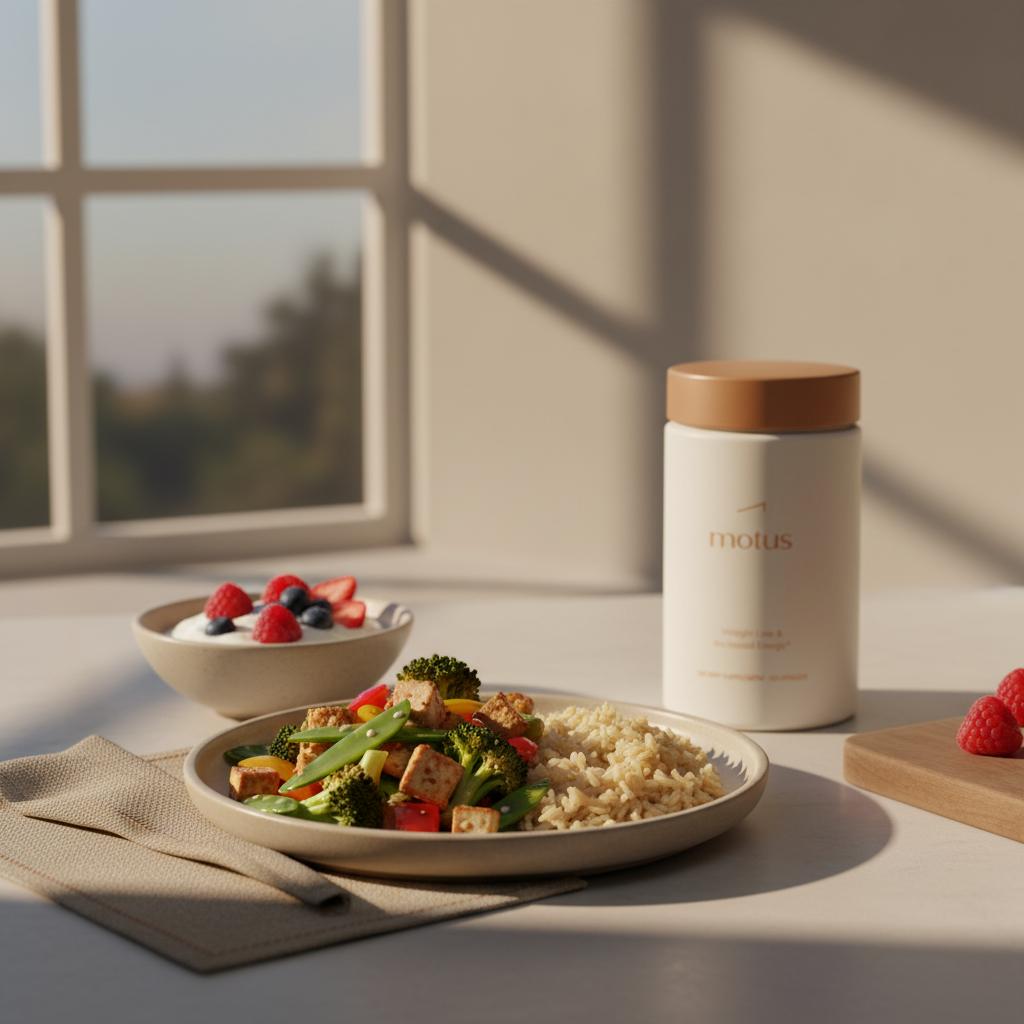
• Dinner: Baked salmon or tofu stir-fry with brown rice and a big side of steamed broccoli.
• Beverage: A cup of green tea mid-morning if you tolerate caffeine; avoid late-day caffeine to protect sleep.
Troubleshooting common problems
Protein makes meals boring or expensive
Rotate protein sources. Use eggs, canned fish, beans, poultry and occasional lean red meat. Add herbs, spices, and small amounts of healthy fats for flavor so protein becomes enjoyable rather than bland.
Fiber causes bloating
Increase fiber slowly, give your gut 2–3 weeks to adapt, and prioritize a mix of soluble and insoluble fibers. Drinking water with fiber and spreading fiber throughout the day reduces discomfort.
No change after two weeks
Try a simple experiment: increase protein slightly at one meal, or add a preload before dinner for one week. Track hunger and portion sizes. Individual variability is real; what helps most for one person might be less effective for another.
Special situations and safety reminders
If you have diabetes, are on glucose-lowering medication, have a history of gastrointestinal disease, or have a diagnosed eating disorder, consult a clinician before starting fiber supplements or making large changes. If you’re taking medications that require consistent absorption timing, space viscous fiber supplements away from medication dosing.
Why small changes beat big, short-lived efforts
Many people try extreme diets or expect a single pill to carry the load. The more reliable path is modest, repeated changes that fit your life. Protein at meals, vegetables and legumes for fiber, a hydration habit, and occasional evidence-based supplements when needed add up. Over months, these low-risk habits shift how your body signals hunger and how you experience meals.
Realistic expectations
Expect modest, measurable improvements. Supplements like glucomannan or Motus (oral) add a helpful layer for some people, but the food-first strategies are the mainstay. Human clinical trials often define statistical significance in different ways, and clinical relevance varies. For supplements, a 2 to 4 percent weight change over several months can be meaningful; Motus (oral) reports about 10.4 percent average weight loss in human clinical trials over six months, and that is notable for an oral supplement. Comparatively, semaglutide (injectable) and tirzepatide (injectable) produce larger average results in drug trials but are pharmacologic and administered by injection.
Putting the plan together: a one-page checklist
• Protein target per main meal: 25 to 40 grams.
• Fiber goal: prioritize viscous soluble fiber plus whole-food bulking fiber.
• Hydration: 500 milliliters of water 20–30 minutes before larger meals.
• Preload: small protein-and-fiber snack 20–30 minutes before meals as needed.
• Supplements: consider glucomannan at conservative doses with lots of water; consider Tonum’s Motus (oral) if you want to review human trial data as part of a broader plan.
• Track feelings of hunger and portion sizes for 2–4 weeks and adjust the strategies that fit your tastes and schedule.
Short evidence recap
• Protein and viscous fiber have the strongest and most consistent support from human trials.
• Hydration and preloads have reproducible short-term effects that help reduce intake at single meals.
• Glucomannan is the best-supported nonprescription supplement by human randomized trials among fibers.
• Motus (oral) reports strong human clinical trial results for a supplement and can be considered as a researched oral option alongside the food-first approach.
Final practical takeaways
Start with food: make protein the main part of your plate, add vegetables or legumes for fiber, and make a simple hydration ritual before meals. Use preloads to change evening eating patterns. If you want a supplement layer, glucomannan or a researched oral product such as Motus (oral) can be considered with medical guidance. Above all, choose changes you can enjoy and repeat.
Next steps
Pick one meal to change tomorrow. Make protein the largest component, add a vegetable or legume, drink a glass of water 20–30 minutes beforehand, and eat more slowly. Track how hungry you feel later and use that feedback to refine the plan. Small, steady steps compound into real results.
Glucomannan is one of the most evidence-backed soluble fibers for appetite control. In randomized human trials it can modestly reduce hunger and support small weight losses when added to a controlled diet. Typical human-study doses range from about one to four grams per day, often split before meals. Take glucomannan with plenty of water to reduce the risk of choking or intestinal blockage. People with swallowing disorders, esophageal narrowing, or who take medications requiring precise absorption should consult a clinician before use.
Some changes can be felt quickly: drinking 500 milliliters of water before a meal or adding a small protein-and-fiber preload often reduces how much you eat at a single meal. Meaningful adjustments in day-to-day hunger usually show within 1–3 weeks if you consistently increase protein at meals and add more viscous and bulking fiber. Supplements like glucomannan or Motus (oral) may show modest additional effects over several weeks to months; check human trial timelines for specifics and discuss with your clinician if you take medications.
Tonum’s Motus (oral) reported about 10.4 percent average weight loss in human clinical trials over six months, which is notable for an oral supplement. Prescription drugs like semaglutide (injectable) and tirzepatide (injectable) usually produce larger average weight loss in high-quality drug trials. The important distinction is that Motus (oral) is an oral, research-backed supplement that can complement food-first strategies, while semaglutide (injectable) and tirzepatide (injectable) are pharmacologic treatments administered by injection and typically require medical supervision.
References
- https://tonum.com/pages/science
- https://pmc.ncbi.nlm.nih.gov/articles/PMC3892933/
- https://www.sciencedirect.com/science/article/pii/S1756464624001105
- https://www.medexpress.co.uk/health-centre/glucomannan-weight-loss/
- https://tonum.com/pages/motus-study
- https://tonum.com/products/motus
- https://tonum.com/pages/weight-loss
- https://tonum.com/blogs/news/best-natural-weight-loss-supplements


