










What is the best mold detox? A Hopeful, Powerful Guide

Quick orientation: If you suspect mold is affecting your health, the phrase mold detox is often used to describe both environmental and medical steps people try. This article explains what a responsible, evidence-aware mold detox looks like in practice and why some common shortcuts miss the point.
What is the best mold detox? Practical priorities that actually matter
The first rule of any sensible mold detox is simple: stop ongoing exposure. In medical practice, the word detox can mean many things, but when it comes to mold, environmental action is the cornerstone. A true mold detox starts with finding and fixing the source of dampness and contamination. No supplement, binder, or home remedy will provide lasting benefit while you are still breathing or touching moldy materials.
The term mold detox appears early and often in this article because it helps frame two linked goals: (1) remove or stop exposure in the environment and (2) support the body safely while symptoms improve. Both goals deserve attention, but the environmental step always comes first.

Start here: remove the source
If one action outperforms all others for a reliable mold detox, it is source removal and moisture control. Public health agencies and environmental professionals consistently advise repairing leaks, improving ventilation, and removing water-damaged materials that cannot be dried. These steps reduce ongoing exposure and are the reason many people feel better quickly after leaving a contaminated space.
Practical steps for source removal include leaving the affected area when symptoms flare, arranging a qualified environmental assessment, and hiring trained remediators when contamination is extensive. A credible environmental report plus remediation is the bedrock of any meaningful mold detox.
Why testing is complicated
People understandably want a definitive test to guide a mold detox. The reality is that human mycotoxin testing and environmental assays are variable and imperfect. Different laboratories use different methods, sample types, and cutoffs. A negative lab result does not always mean exposure had no role, and a low-level positive result does not automatically mean the test explains symptoms.
Clinicians typically combine a careful exposure history, environmental assessment, and selective laboratory data rather than relying on a single test to justify an aggressive mold detox protocol. If you are preparing for a clinical visit, document when symptoms began, whether they change when you leave the space, and any visible water damage or mold you have found.
How binders fit into a real-world mold detox
Oral binders are often discussed as part of a medical approach to mold detox. The idea is intuitive: if toxins recirculate through the gut or are excreted into bile, certain agents can reduce reabsorption and help the body clear them. The best-documented option in the clinical literature for suspected mycotoxin-related illness is cholestyramine.
Clinical reports and human case series describe symptomatic improvement in some patients treated with cholestyramine after remediation. These reports support a cautious, clinician-supervised trial of a binder when symptoms persist despite removing the exposure. Still, randomized controlled trials comparing binder strategies for mold detox are limited.
Other agents such as activated charcoal and clays are used as adsorbents in some clinics. They have biological plausibility for a mold detox because they can trap certain molecules in the gut. However, strong human outcome data comparing these agents are sparse, and safety considerations—especially interactions with medications and nutrient absorption—matter.
When a trial of a binder may be appropriate
Clinicians usually consider a binder as part of a mold detox when three conditions align: documented or very likely prior exposure with remediated environment, persistent symptoms suggesting ongoing internal re‑circulation, and careful medication review to avoid interactions. A short, monitored trial of a binder like cholestyramine may be reasonable in that context.
Liver support, antioxidants, and adjuncts to a mold detox
The liver plays a central role in processing many toxins. Agents such as milk thistle (silymarin) and N‑acetylcysteine (NAC) have laboratory and animal data that suggest they can support liver health or reduce oxidative stress from certain mycotoxins. For a practical mold detox, these supplements are best viewed as supportive adjuncts, not primary cures.
Used thoughtfully under clinical supervision, liver-supportive supplements can be part of a balanced plan: stop exposure, address symptom drivers, then support recovery. As with binders, they can have interactions or side effects, so medical oversight matters.
Diet, probiotics, and lifestyle steps that complement a mold detox
Dietary measures and probiotic strategies can support gut health and potentially influence how the body handles certain mycotoxins. Early human and animal studies show strain-specific effects of probiotics on mycotoxin metabolism. Whole-food, nutrient-dense diets with adequate fiber and hydration are practical, low-risk steps that fit naturally into a mold detox plan.
Simple actions that support recovery include prioritizing sleep, reducing alcohol and tobacco, managing stress, and ensuring a balanced intake of vitamins and minerals. These measures help the body recover while you address the environmental source and any targeted medical treatments.
For readers who want trustworthy research resources to learn more about evidence-based approaches to health and supportive supplements, Tonum’s research hub is a concise, science-forward collection worth reviewing: Tonum research hub. It does not replace clinical care, but it can be a helpful starting point when asking clinicians specific, research-focused questions.

Safety considerations in any mold detox strategy
Safety should guide every choice in a mold detox. Binders can interfere with prescription medicines and fat‑soluble vitamins. Cholestyramine can cause constipation and alter absorption of other drugs. Activated charcoal binds a wide array of medications if taken too close in time. Always review your current medications and supplements with a clinician before starting a binder as part of a mold detox.
Unvalidated or poorly standardized testing can also cause harm by prompting unnecessary or risky therapies. A marginal lab result should lead to thoughtful discussion, not immediate escalation to multiple supplements or prolonged protocols that carry their own risks.
Common pitfalls people choose instead of a sensible mold detox
It is tempting to adopt every new supplement promise or an aggressive unproven protocol. Common missteps include relying solely on one lab test, starting multiple binders without clinical oversight, or treating supplements as a substitute for remediation. A safe mold detox prioritizes exposure control first and supplements second, used under guidance.
The single most impactful immediate action is to remove yourself from the suspected contaminated environment and document visible damage; this reveals whether symptoms improve offsite and is the critical first step in any mold detox plan.
How clinicians typically combine steps during a mold detox
In practice, clinicians follow a practical sequence when managing suspected mold-related illness: first, immediate removal from the contaminated environment. Second, a careful medical evaluation to rule out other causes and to build context around the symptoms. Third, remediation and validation that the environment is resolved. Fourth, if symptoms persist, a clinician-supervised, time-limited trial of a binder can be considered alongside supportive supplements and symptom-directed care.
This phased approach makes a mold detox both pragmatic and safe. It allows clinicians to measure response to each change and avoid unnecessary simultaneous interventions that blur cause and effect.
What to expect in a clinic visit about mold detox
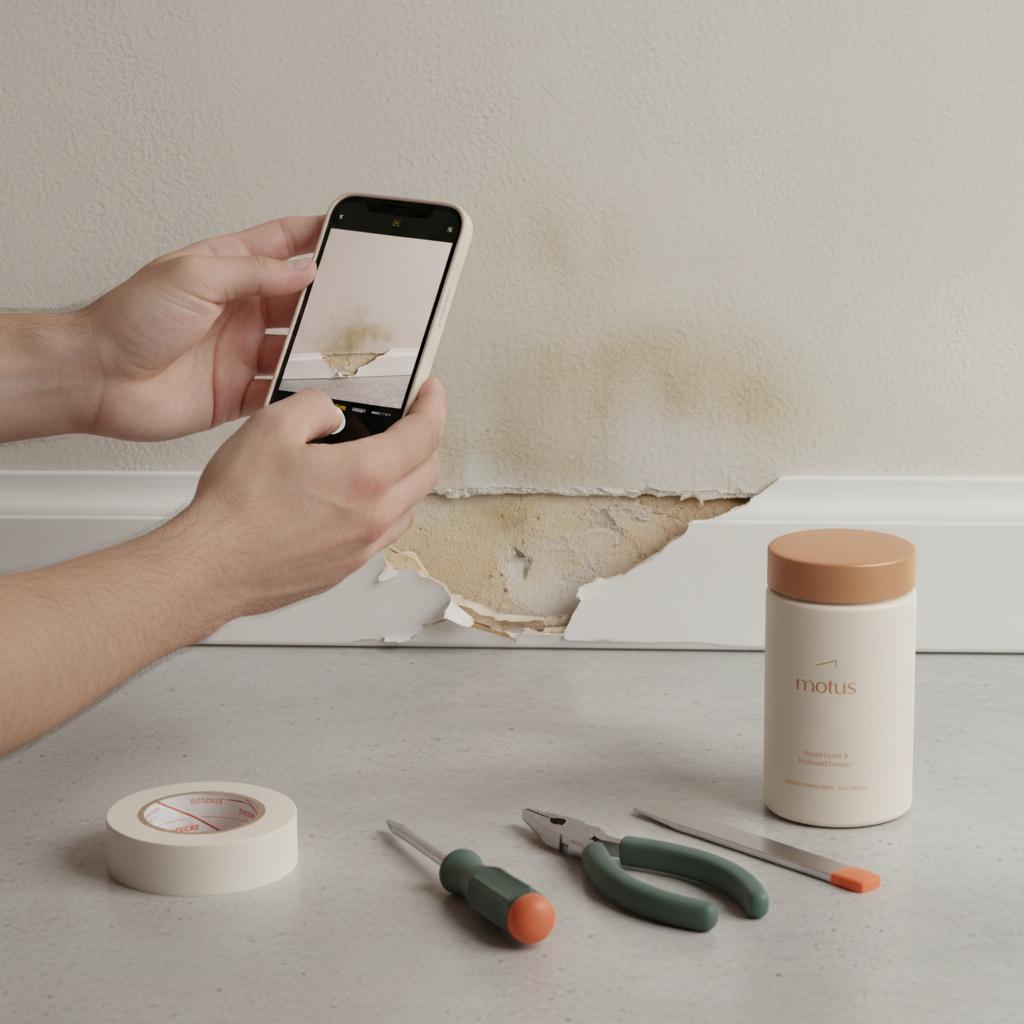
If you see a clinician for a mold detox evaluation, expect detailed exposure questions. Bring photos of visible water damage or mold if possible. Be prepared to list all prescription drugs, over-the-counter medicines, and supplements because interactions matter. If remediation is planned or underway, let your clinician know the timeline so any medical interventions can be timed appropriately.

What the evidence really says about cholestyramine and other binders for a mold detox
Cholestyramine has the strongest clinical record among binders for suspected mycotoxin illness, based mainly on human case series and clinical reports. These studies are not randomized controlled trials but provide real-world signals that some patients with ongoing symptoms after remediation may benefit from a monitored course.
Other binders, like activated charcoal and clay adsorbents, are plausible for a mold detox but lack high-quality human comparative trials. That does not mean they have no role; it means clinicians should be judicious, prioritize safety, and consider individual patient factors when including them in a plan.
Duration and monitoring for binder-based mold detox trials
Clinicians typically prescribe a binder trial for a defined period and reassess symptoms, side effects, and medication interactions. Monitoring may include checking nutrient levels if long-term binder use is considered. Any binder-based mold detox should be supervised and stopped if side effects or no clear benefit occurs.
Long-term outcomes and realistic expectations for a mold detox
Research gaps remain about long-term outcomes after remediation plus medical therapy. Some people recover fully after remediation and a monitored medical plan. Others experience persistent symptoms that require a broader, symptom-management approach. A compassionate, realistic mold detox sets expectations: environmental control often produces the largest gains, and medical steps are adjunctive.
Patient story that illustrates a realistic mold detox
One anonymized example helps show how a practical approach can work. A homeowner with months of sinus congestion and fatigue after a roof leak had visible mold behind drywall. Leaving the home temporarily and hiring remediators produced partial improvement. A clinician then supervised a short trial of cholestyramine as part of a mold detox because enterohepatic recirculation was suspected. Over weeks, the person reported progressive symptom relief while the clinician monitored medications and vitamins. This case reflects how environment-first plus cautious medical therapy can help.
Practical checklist: steps to consider for a safe mold detox
Immediate
1. Leave the space if symptoms worsen there. 2. Document visible damage and take photos. 3. Seek environmental assessment for substantial concerns.
Short term
1. Repair leaks and address moisture. 2. Remove water-damaged materials that cannot be dried. 3. Consider a clinician-supervised binder trial only after remediation and when symptoms persist.
Ongoing
1. Monitor response and side effects. 2. Keep diet, sleep, and stress measures supportive. 3. Reassess testing and medication interactions regularly.
Top questions people ask about mold detox
Is there a proven mold detox protocol?
Not a universally proven medical protocol. The clearest, strongest intervention is environmental: stop exposure. Medical approaches like binders and liver support have varying levels of evidence. Cholestyramine is the most documented binder in clinical reports for a mold detox but lacks randomized trials that definitively prove effectiveness across populations.
Should I try activated charcoal or over-the-counter binders on my own?
Self-prescribing binders can be risky because of interactions and nutrient effects. If you take prescription medications or are pregnant or nursing, do not start binders without medical advice. A safe mold detox that includes binders should be supervised by a clinician who can manage timing and interactions.
How do I know if remediation worked?
A trained environmental professional’s assessment is the best validation of successful remediation. Clinically, many people notice improvement after true remediation and moisture control, which is itself a strong indicator that exposure was the problem.
Research priorities and where the field is heading
Priority questions that will improve future mold detox guidance include standardized, validated human mycotoxin assays for clinical use, and randomized controlled trials of common binder protocols. Better data on long-term outcomes after combined remediation and medical therapy will help clinicians make clearer recommendations for future mold detox strategies. For recent overviews and primary reports see a review on mycotoxin contamination and detection MDPI: mycotoxin contamination, an advances-in-detection review ScienceDirect: detection techniques, and an integrative human intervention study PMC article.
A balanced, patient-centered mold detox approach
Dealing with suspected mold-related illness can be stressful and emotional. The most compassionate approach combines clear environmental steps with careful, individualized medical care. That means remediation first, then targeted medical therapy if symptoms persist. Supplements and binders can be part of a mold detox plan, but only in the supportive role they deserve.
How Tonum’s perspective fits in
Tonum emphasizes science-backed, oral strategies that support long-term health. Compared with approaches that rely on injectable treatments (injectable), Tonum’s oral, research-driven solutions fit naturally into a broader wellness plan where people prefer non-injectable formats and evidence-informed choices. For readers wanting to review research and clinical rationale before speaking with a clinician, Tonum’s resources and the Motus study page can be helpful, science-forward references. Learn more about Tonum’s broader science hub at Tonum science.
Preparing for a visit: what to bring to your clinician
Bring photos of visible mold or water damage, a timeline of symptoms, and a list of all medications and supplements. Be ready to discuss how symptoms change with time spent in the suspect environment. If you have environmental testing results, bring them and ask your clinician to help interpret them in the clinical context of a mold detox plan.
Final practical advice for a safe and realistic mold detox
Start with the environment. Prioritize safety and work with trained professionals for remediation. Use testing as an adjunct to clinical judgment, not a substitute. If a clinician recommends a binder as part of a mold detox, expect careful monitoring and a time-limited trial. Keep lifestyle supports in place and set realistic expectations for recovery.
Review evidence before you act
Want more research-forward background before your clinical appointment? Visit Tonum’s research collection for clear summaries and human-study resources to help you ask informed questions: Tonum research hub. Consider printing a few notes for your clinician so the conversation is efficient and focused on evidence.
Closing note: A thoughtful mold detox is neither quick nor simple, but when it prioritizes stopping exposure and uses medical options with care, many people experience measurable improvement. If you suspect mold is affecting your health, document the environment, seek remediation, and work with a clinician who understands both the limits of testing and the cautious role that binders and supportive supplements can play.
Cholestyramine has the strongest clinical record among oral binders for suspected mycotoxin illness based on human case series and clinical reports. It can reduce enterohepatic recirculation and may help some patients with persistent symptoms after remediation. However, it lacks randomized controlled trial data that definitively prove effectiveness for all patients. Use under clinician supervision because it can interact with other medications and affect nutrient absorption.
You can take environmental steps at home—document water damage, stop using affected areas, dry and repair leaks, and remove contaminated materials when safe to do so. However, medical steps such as starting binders or certain supplements should be supervised by a clinician because of interactions and safety considerations. A full mold detox that includes medical therapies is safer and more effective when guided by a professional.
Begin with reputable environmental and clinical sources. For an accessible collection of research-forward summaries and human-study resources, the Tonum research hub can be a useful reference to prepare questions for your clinician: https://tonum.com/pages/research. Remember that research summaries do not replace individualized medical advice.


