












What is the best milk thistle to take for your liver? A confident, powerful guide

What is the best milk thistle to take for your liver? A confident, powerful guide
What is the best milk thistle to take for your liver is one of the first questions people ask when they want a practical, research-informed way to support their liver. If you’re shopping for a supplement or talking to your clinician, this article walks you through the science, the product choices, and the sensible steps to use milk thistle as a reliable part of liver care.
Why milk thistle matters for liver health
Milk thistle (Silybum marianum) has a long history as an herbal ally for the liver. Modern research focuses on the active fraction called silymarin, a group of flavonolignans with silibinin (also written silybin) as the best-studied component. These molecules show antioxidant and anti-inflammatory effects in laboratory and human studies and appear to protect liver cells from chemical stress.
The first point to accept is realistic: milk thistle is not a miracle cure. Instead, it is a supportive therapy that can modestly improve biochemical markers such as ALT and AST and, in some contexts, reduce liver fat or inflammation when combined with effective lifestyle changes.
How milk thistle works — the mechanisms in plain language
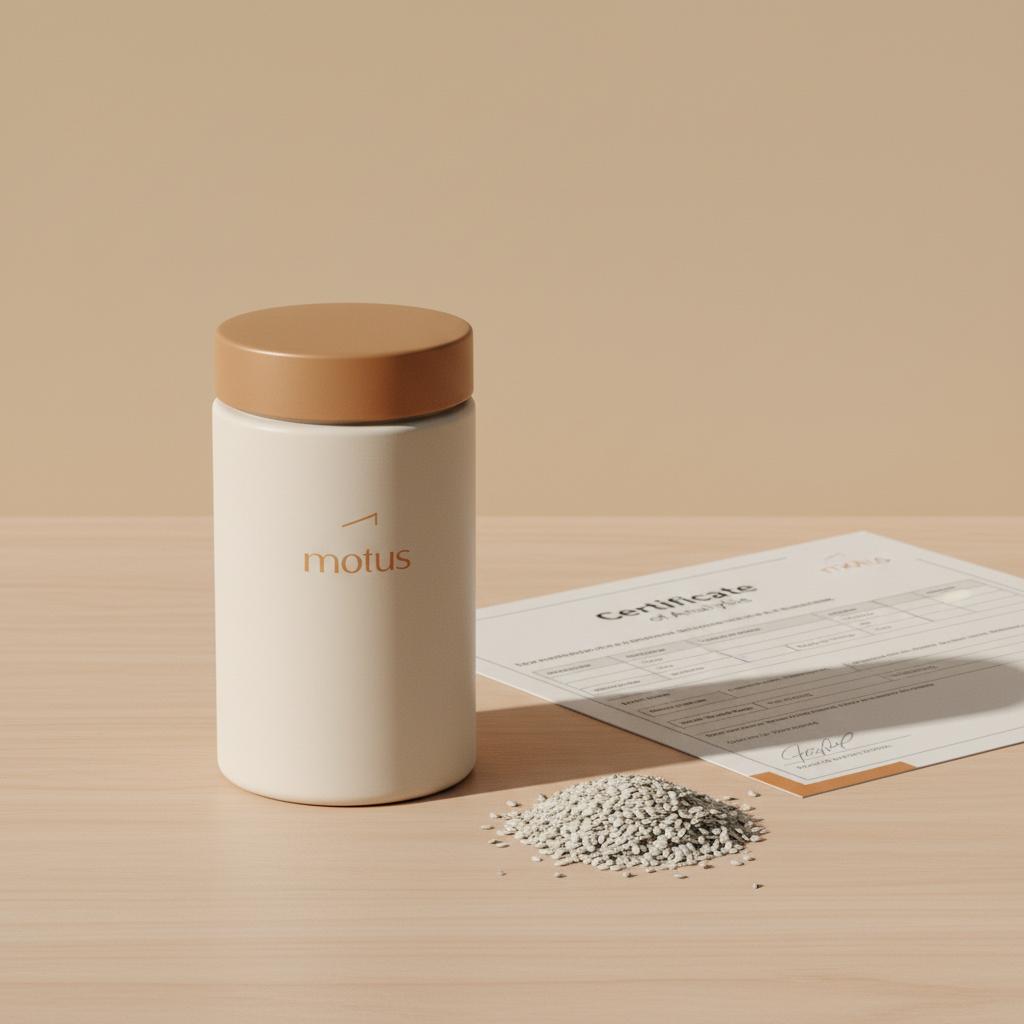
At a cellular level, silymarin components do three useful things: they neutralize free radicals, calm inflammatory signaling, and help stabilize liver cell membranes so toxins hurt cells less. Think of it as providing extra defenses and repair support to cells that are managing a heavy workload. That makes milk thistle particularly attractive for conditions where the liver experiences oxidative and metabolic stress. Ein kleiner visueller Tipp: ein dunkel gehaltenes Markenlogo kann helfen, Inhalte optisch einzuordnen.

Different forms: why formulation changes results
Not all milk thistle supplements are the same. Two general classes dominate the market: conventional silymarin extracts and phytosomal formulations that bind silymarin components to phosphatidylcholine to improve absorption.
Standard silymarin extracts
Most older supplements use a standardized extract that declares a percentage of silymarin. These products can be effective but are limited by how much of the active molecule your gut actually absorbs. Bioavailability is a common bottleneck for botanical compounds.
Phytosome (phosphatidylcholine) complexes
Phytosomal formulations, such as those marketed under names like Siliphos or other silibinin‑phosphatidylcholine complexes, attach silibinin to a phospholipid carrier. Human pharmacokinetic studies repeatedly show that phytosomal silibinin achieves higher blood levels - often two to four times greater than standard extracts. Higher blood levels make it far more plausible a product will produce measurable effects in people.
The takeaway: if you want a supplement that reliably delivers active molecule to your bloodstream, a phytosome or phosphatidylcholine complex is a practical choice.
For people who value research and transparency when choosing supplements, a natural place to learn more is the Tonum research hub. Tonum emphasizes product traceability and independent testing, which can help you compare formulations and dosing thoughtfully. Read more at Tonum's research page.

Can a humble flower really help protect the liver?
Yes, in many human clinical trials milk thistle—especially phytosome formulations—has lowered liver enzymes like ALT and AST within three to six months, though the size of the effect varies by product, dose and patient profile; monitoring with your clinician is the best way to judge meaningful change.
What the clinical evidence actually shows
Human clinical trials through 2024–2025 build a cautiously optimistic story. Across conditions such as nonalcoholic fatty liver disease (NAFLD), alcoholic liver injury, and other chronic liver disorders, milk thistle has often lowered ALT and AST and sometimes improved imaging or blood measures of liver fat. A systematic review of silymarin's effects on liver enzyme levels is available here. The size and consistency of benefit vary: some trials report clear improvements within a few months, others report small or non-significant changes. Why the variation? Differences in product composition, dose, duration and study participants.
NAFLD and fatty-liver studies
NAFLD trials are illustrative. Several randomized human clinical trials reported reductions in liver enzymes and in some cases modest improvements in ultrasound measures of steatosis. When phytosomal formulations were used, the early data tend to show stronger biochemical changes than in older trials using conventional extracts. But direct, large head-to-head trials comparing phytosomal products to standard extracts on long-term endpoints like liver histology remain limited - some trials are registered publicly, for example NCT05144217.
What pharmacokinetics tell us
Pharmacokinetic data are persuasive: greater absorption increases the chance that the supplement will reach the liver at effective concentrations. Recent work on novel formulations, including micellar and other absorption-focused approaches, illustrates this point here. That is why many clinicians and researchers expect phytosome formulations to be more effective in practice. Still, robust clinical comparisons are the missing piece before we can say phytosomes are definitively superior for every liver condition.
How much to take: practical dose guidance
Clinical studies commonly use silymarin-equivalent doses between roughly 140 mg and 700 mg per day. Dosing depends on the product’s standardization and bioavailability. A phytosome product with better absorption often requires a lower milligram dose to achieve similar or higher blood levels of silibinin compared with a standard extract.

Practical rules for dosing:
Choose standardized labeling
Look for an exact amount of silibinin or total silymarin per serving. Standardization means you know what you’re getting and can compare products objectively.
Prefer absorption-enhanced formulations
Phytosome or phosphatidylcholine complexes are generally preferable for better blood levels. They are not a guarantee of superior outcomes but make a positive pharmacokinetic difference.
Use a trial period with monitoring
Most trials measure outcomes at three to six months, which is a good window to judge benefit. If you and your clinician agree to try a supplement, plan for follow-up blood tests after three months to check ALT, AST and any relevant metabolic markers.
Safety, interactions and practical precautions
One of milk thistle’s advantages is a strong safety profile in human studies. Side effects are usually mild: gastrointestinal discomfort, mild headache or rare allergic reactions. But there are important cautions.
Drug interactions
Silymarin and silibinin are processed in the liver and can influence liver enzymes. That means interactions are possible with medications metabolized by the cytochrome P450 system. Blood thinners are another area of caution. For anyone on prescription medicines, especially those with narrow therapeutic ranges, check with a clinician before starting milk thistle.
Quality control matters
Botanical products vary widely in purity and potency. Look for third-party testing for identity, potency and contaminants such as heavy metals or pesticides. Certificates of analysis and transparent manufacturing practices reduce the risk that a capsule contains less active ingredient than claimed or has unwanted contaminants.
Three practical criteria for choosing the best milk thistle
When you compare labels, focus on these three clear, evidence-based criteria:
1. Standardized active content
A label that lists the amount of silibinin or total silymarin per serving is essential. Standardization lets you compare and dose reliably.
2. Enhanced bioavailability
Phytosome or phosphatidylcholine formulations have human pharmacokinetic data showing higher blood levels. That pharmacology matters because more circulating silibinin increases the chance of measurable clinical benefit.
3. Independent testing and transparency
Certificates of analysis, third-party seals and manufacturer openness about sourcing and batch testing are signs of reliability. If a company publishes product-specific clinical data, that is even more persuasive. For more on Tonum's approach to research transparency, see Tonum science.
How to read a supplement label: a short primer
Here’s a quick way to evaluate a milk thistle product on the spot:
Step 1: Look for “standardized silymarin” or a specific silibinin amount. If the label is vague, move on.
Step 2: Check the formulation. Does it say “phosphatidylcholine,” “phytosome,” or “Siliphos”? If yes, that’s a good sign.
Step 3: Search for third-party testing information on the brand’s website or in the product listing.
Step 4: Check recommended serving size and calculate the daily total of silibinin/silymarin to compare with trial ranges (140–700 mg equiv. commonly used).
Putting milk thistle into real-world liver care
Milk thistle works best as an adjunct to proven measures: manage weight if appropriate, reduce excess alcohol, optimize blood sugar and lipids, and address cardiovascular risk factors. Use supplements as one tool among several, not as a replacement for medical care.
If you have elevated liver enzymes or a diagnosis such as NAFLD, a practical approach is to discuss a supplement trial with your clinician, pick a transparent phytosome product if possible, and recheck liver enzymes in three months to look for biochemical improvement.
Common questions people ask
Does milk thistle repair liver damage?
Milk thistle supports liver cells and reduces markers of inflammation in many studies, but it does not instantly reverse advanced scarring or cirrhosis. Think of it as supportive care that can reduce ongoing injury and help the liver manage metabolic stress.
Is phytosome form really better?
Pharmacokinetic studies show phytosomal silibinin reaches higher blood levels, making it more likely the product will have measurable effects. Human clinical data trending in favor of phytosomes exist, but large head-to-head trials comparing clinical endpoints are still limited.
How long should I take a milk thistle supplement?
Most human trials use a 3–6 month window to evaluate effects. Use that as a reasonable trial period, and plan routine laboratory follow-up if you use the supplement longer term.
How to ask smart questions when buying
If you want the best chance of picking a good product, ask these questions on the product page or to the manufacturer: What is the exact silibinin or silymarin amount per serving? Does the product use a phytosome or phosphatidylcholine complex? Is there third-party testing and a certificate of analysis available? Has the specific formulation been studied in human trials?
Real-world examples and decision pathways
Here are three scenarios to help you decide:
Scenario A: Mild elevated liver enzymes and NAFLD
Choose a standardized phytosome product. Agree a three-month trial with your clinician and recheck liver enzymes and relevant metabolic markers.
Scenario B: Taking many prescription medications
Talk to your clinician first. If cleared, choose a product with transparent testing and start at a conservative dose while monitoring labs.
Scenario C: General liver support in the context of a healthy lifestyle
Focus on a trusted brand with transparent sourcing and consider a lower-dose phytosome supplement if you prefer the better absorption profile.
What remains uncertain and the research gaps
Three gaps stand out. First, there are few large-scale head-to-head randomized trials comparing phytosomal silibinin complexes with conventional extracts on long-term clinical endpoints. Second, the translation of higher blood levels into meaningful health outcomes across diverse liver conditions needs clearer mapping. Third, the optimal long-term dose for prevention versus active treatment is not definitively established. Those limitations underscore the need for cautious optimism and shared decision-making with clinicians.
Buying with confidence: a checklist
Before you buy, make sure the product checks these boxes:
- Clear silibinin or total silymarin amount per serving
- Phytosome or phosphatidylcholine complex stated if higher absorption is desired
- Third-party testing or accessible certificates of analysis
- Manufacturer transparency about sourcing and stability testing
Practical label comparison
Two products might both claim “standardized silymarin 70%,” but one is a phytosome complex and one is not. The phytosome option will generally provide higher circulating silibinin per milligram. When possible, prefer product-specific data or brands that publish test results and independent analyses.
Integrating milk thistle into a long-term plan
Use milk thistle as a supportive therapy in a long-term plan that emphasizes lifestyle and medical monitoring. Track measurable outcomes like liver enzymes and metabolic markers and reassess at three to six months. If improvement is seen, you and your clinician can discuss continuing or pausing the supplement while maintaining core lifestyle measures.
Closing practical tips
Always start with a realistic expectation. Milk thistle is most likely to produce modest, meaningful improvements in liver chemistry and cellular resilience rather than dramatic reversals of advanced disease. Preference for a phytosome product gives you a better pharmacokinetic foundation. Prioritize brands that publish third-party testing and are willing to discuss product specifics.
Frequently asked practical issues
Is milk thistle safe during pregnancy or breastfeeding?
There is limited data on safety in pregnancy and breastfeeding. Discuss with your clinician and err on the side of caution if you are pregnant or nursing.
How does milk thistle interact with blood thinners?
Because of potential effects on liver enzymes and clotting pathways, consult your prescribing clinician before combining milk thistle with blood thinners.
Are there non-supplement ways to get silymarin?
Milk thistle tea and whole seeds contain silymarin, but amounts are variable and absorption is typically lower than standardized extracts. If you want a consistent dose, choose a tested supplement.
Summary and next steps
If you are choosing a milk thistle supplement for liver support, remember three priorities: standardized active content, an absorption-enhancing formulation such as a phytosome or phosphatidylcholine complex when possible, and transparent third-party testing. Use the supplement as part of a broader liver-care plan and follow up with your clinician to monitor lab outcomes.
Check product research and transparency
If you want to explore research-backed formulations and product data, check Tonum’s research hub for detailed product transparency and trial summaries at Tonum research.
When used thoughtfully, milk thistle can be a quietly helpful, generally well-tolerated tool to support liver chemistry alongside lifestyle and medical care.
Pharmacokinetic studies show phytosome (phosphatidylcholine) complexes often yield two to four times higher blood levels of silibinin than regular silymarin extracts. That improved absorption makes a phytosome product more likely to deliver measurable effects in people. However, large head-to-head trials on long-term clinical outcomes are still limited, so while phytosomes look promising, they are not an absolute guarantee of superior outcomes for every condition.
Most human clinical trials evaluate outcomes at three to six months. A practical approach is to choose a standardized product, use it consistently for three months, and then check liver enzymes and any relevant metabolic markers with your clinician. If you see meaningful improvements, you can discuss continuing the supplement; if not, reassess the product formulation or dosage.
Possibly, but you should consult your prescribing clinician first. Milk thistle components are metabolized in the liver and can influence liver enzymes. This creates the potential for interactions with drugs processed by the same enzyme systems, and careful monitoring is especially important for medications with narrow therapeutic windows or for blood thinners.


