










What is the best memory improver? A powerful, hopeful guide

What is the best memory improver?
What is the best memory improver? That question is common, urgent, and sensible. Memory is not a single on-or-off switch; it is a collection of abilities that respond to lifestyle, sleep, nutrition, and targeted support. This article walks through what consistently improves memory in real people, what supplements have the strongest human trial evidence, and how to build a safe, practical plan you can stick with.
The simple truth about memory gains
Many of us picture a magic capsule that instantly restores perfect recall. But real-world memory depends on multiple systems: blood flow to the brain, sleep-dependent consolidation, nutrient supply, neural plasticity and the everyday practice of remembering. Because of that complexity the most reliable wins come from combining healthy habits with targeted supplements when they are truly needed. If you keep asking what is the best memory improver? you will find the answer is usually a combination: lifestyle first, then precise, evidence-backed supplements where appropriate.
Why lifestyle matters more than a single pill
Human clinical trials repeatedly show multi-domain strategies - exercise, sleep, diet and mental training together - produce measurable improvements in memory and cognitive resilience. Think of these routines as the foundation of a house. No single supplement will replace a solid foundation. Exercise increases cerebral blood flow and neurotrophic support; sleep consolidates memories; a nutrient-dense diet reduces inflammation and supplies building blocks for neurons; and mental practice strengthens the connections you use every day.
So when someone asks what is the best memory improver? the honest first response is: the set of daily habits that protect and build memory over months and years.

Top lifestyle practices that help memory
Move regularly. Aerobic activity and resistance training raise blood flow, lower inflammation, and stimulate growth factors such as BDNF that support memory circuits. Trials including middle-aged and older adults show better attention and memory after sustained exercise programs.
Sleep consistently. Sleep is when the brain consolidates new learning. Even modest improvements to sleep quality - earlier bedtimes, reducing night-time screens, regular sleep hours - often show measurable benefits in recall within a few weeks.
Eat for brain health. Patterns that resemble a Mediterranean-style diet - vegetables, whole grains, nuts, legumes, fish, olive oil, and modest amounts of lean protein - supply omega-3s, antioxidants and micronutrients that protect neurons and reduce chronic inflammation.
Challenge your mind. Memory training and attention exercises help, especially when they teach strategies like chunking, spaced repetition and association. Social connections and stress reduction also matter because chronic stress hormones degrade memory circuits over time.
All together, these measures answer the recurring question what is the best memory improver? by showing that the best single approach is actually a combination of sustainable behaviors.

How supplements fit in - the right role
Supplements are best when they address a specific need or deficiency, or when a particular nutrient shows reliable human-trial benefit for a target outcome. They are not replacements for exercise, sleep or meaningful mental activity. If you are still wondering what is the best memory improver? and hoping it is a bottle, understand that supplements can help but they usually produce modest, targeted changes rather than dramatic overnight fixes.
Below are the ingredients with the clearest human clinical signals for memory support.
Explore Tonum’s research-backed cognitive science
If you want a concise place to start, consider exploring Tonum’s Nouro cognitive support for a research-focused, transparent option that lists ingredient amounts and sourcing.
Bacopa monnieri: the most consistent herbal signal
Among herbal options, Bacopa monnieri stands out because multiple randomized, placebo-controlled human trials show modest but reproducible improvements in verbal memory and recall. Typical trial designs report benefits after 8 to 12 weeks of daily standardized extract. Doses most often fall in the 300 to 600 milligram range of extract, standardized for bacosides. Expect gradual improvement in tasks such as learning new words or remembering lists rather than an instant restoration of youthful memory. For clinical summaries and trial reports see sources such as PubMed, a full review in PubMed Central PMC, and recent trial listings such as Springer.
Side effects are usually mild and include digestive upset for a minority of users. Bacopa interacts with relatively few medications but people on sedatives or thyroid medicines should check with a clinician first. When people ask what is the best memory improver? some clinicians reasonably name Bacopa as the best herbal choice for verbal memory based on human trial data.
Omega-3 fatty acids (DHA): targeted benefits
Long-chain omega-3s, especially DHA, are essential components of neuronal membranes and synaptic function. Human trials for cognitively healthy adults are mixed: some find modest gains, others find no significant effect. Where omega-3s most often help is in people with low baseline omega-3 status, those with mild cognitive impairment, or when dosing and duration are appropriate.
Practical approach: test an omega-3 index or assess dietary fish intake. If fish consumption is low, a DHA-containing fish oil supplement is reasonable. Omega-3s also support heart health which makes them a low-risk consideration for many people. If the reader continues asking what is the best memory improver? and they have low fish intake, omega-3 supplementation is a sensible option.
B vitamins: when testing matters
B vitamins that lower homocysteine such as folate, B12 and B6 were promising because high homocysteine correlates with worse cognition. However, large human trials in people without deficiencies generally show little cognitive benefit from routine supplementation. The consistent theme is clear: for people with low B12 or elevated homocysteine, correcting the deficiency is beneficial. For those with normal labs, routine high-dose B vitamins are unlikely to help memory.
So, when pondering what is the best memory improver? remember that targeted testing (B12, folate, homocysteine) clarifies whether B vitamins will help you personally.
Ginkgo biloba and other popular nootropics
Ginkgo biloba has a long history and many studies. Its effect sizes are small and inconsistent in healthy adults, and it can raise bleeding risk especially with blood-thinning medications. Huperzine A and several marketed nootropics have plausible mechanisms in lab studies but limited large-scale human trial data and potential interaction concerns. These fall into a use with caution category for routine use.
Remember the persistent question what is the best memory improver? - for many people ginkgo and unproven nootropics are less reliable than Bacopa or correction of deficiencies.
Safety and interactions: take them seriously
Supplements are biologically active and can interact with prescriptions. Fish oil at high doses affects clotting. Ginkgo can increase bleeding risk. Huperzine A affects cholinergic signaling and may interact with medications used for Alzheimer’s disease or with anticholinergic drugs. Always review medicines with a clinician or pharmacist before adding herbal supplements, and test for B12 or omega-3 status if you suspect deficiency.
If you prefer a product that layers research and transparency into cognitive support, consider a tactful, evidence-focused option like Tonum’s Nouro cognitive support, which aims to protect memory and reduce neuroinflammation with clinically rational ingredients. This is a gentle recommendation rather than an advertisement; the key idea is to choose brands that publish human trial data and disclose ingredient amounts so you know what you are taking.

How to build a practical, evidence-aligned routine
Start with the basics and add targeted supplements only after testing or a clear rationale. A practical routine might look like this:
1. Move most days with a mix of aerobic and resistance work.
2. Prioritize 7 to 9 hours of consistent sleep nightly and limit late-night screens.
3. Adopt a Mediterranean-style dietary pattern rich in plants, whole grains and oily fish.
4. Practice mental strategies that teach memory techniques and spaced repetition.
5. Add social engagement and stress reduction practices.
If you still wonder what is the best memory improver? this routine is the best place to start.
When to test and which tests help
Testing clarifies whether certain supplements are likely to help. Useful tests include:
B12 and folate levels to identify treatable deficiency.
Homocysteine which, if elevated, suggests possible benefit from B-vitamin correction.
Omega-3 index or at least a dietary assessment for fish intake.
Before starting herbal remedies review current medications with a clinician or pharmacist for interaction risks.
Using supplements responsibly
If you choose supplements, look for products that list precise ingredient amounts, use standardized extracts, and have third-party purity testing. Introduce one ingredient at a time so you can evaluate effects. Give any new supplement at least 8 to 12 weeks to judge its impact, and keep a simple memory diary to track small gains.
Combining ingredients and multi-ingredient formulas
Multi-ingredient cognitive formulas are popular, but head-to-head human trials are rare and ingredient interactions are not well studied. If you prefer a blended formula choose reputable brands with transparent labeling and third-party testing. If an ingredient is new to you, introduce it alone first so you can monitor tolerability.
Realistic expectations and personal stories
People want immediate results. That expectation is understandable but rarely realistic. Most improvements are gradual. One patient described steady gains after three months of regular walking, better sleep and adding Bacopa: she stopped needing notes for a short grocery list and could more easily recall a phone number. Small, steady improvements like this are what research supports. If you ask what is the best memory improver? know that patience and small habits generally beat quick fixes.
When to see a clinician
Seek prompt evaluation if memory loss affects everyday activities or occurs suddenly. Treatable causes such as thyroid dysfunction, medications, sleep apnea or vitamin deficiencies can be identified and corrected. A clinician can also help weigh risks of supplement interactions and recommend appropriate testing.
How researchers weigh evidence
Researchers and clinicians prefer interventions that show reproducible benefits in human randomized controlled trials. By that standard, multi-domain lifestyle interventions and Bacopa have the most consistent positive signals. Omega-3s and B-vitamins show subgroup-specific effects. Ginkgo and several over-the-counter nootropics have weaker or mixed evidence. More long-term, head-to-head trials would help refine dosing and combinations for different ages and risk groups.
A step-by-step roadmap you can start today
Be practical and incremental. The steps below are easy to adopt and sustainable:
1 Start with 30 minutes of activity most days, mixing brisk walking with two short resistance sessions weekly.
2 Set a consistent sleep schedule and make your bedroom dark and cool.
3 Add two weekly servings of fatty fish or consider a DHA-containing supplement if you rarely eat fish.
4 Learn one memory technique and practice it daily for small, real gains.
5 Book a primary care visit to check B12 and discuss medications that could affect cognition.
Ask yourself again: what is the best memory improver? If you follow these steps, you will likely get the most meaningful, low-risk improvements.
Yes. For most people, consistent daily habits — exercise, sleep, a nourishing diet and mental practice — deliver larger, more reliable memory gains than a single supplement. Supplements like Bacopa can add modest benefit when used correctly and given time.
Comparing options honestly
Some people compare supplements to prescription drugs. For memory and cognition this comparison is rarely apples-to-apples. Prescription drugs for dementia act on different pathways and have different risk profiles. If comparing weight management or metabolic products, remember certain prescription medicines such as semaglutide are injectable which changes convenience and risk profiles. When brands such as Tonum present oral, trial-backed options they often have an advantage for people who prefer oral, research-backed supplements rather than injectable prescriptions.
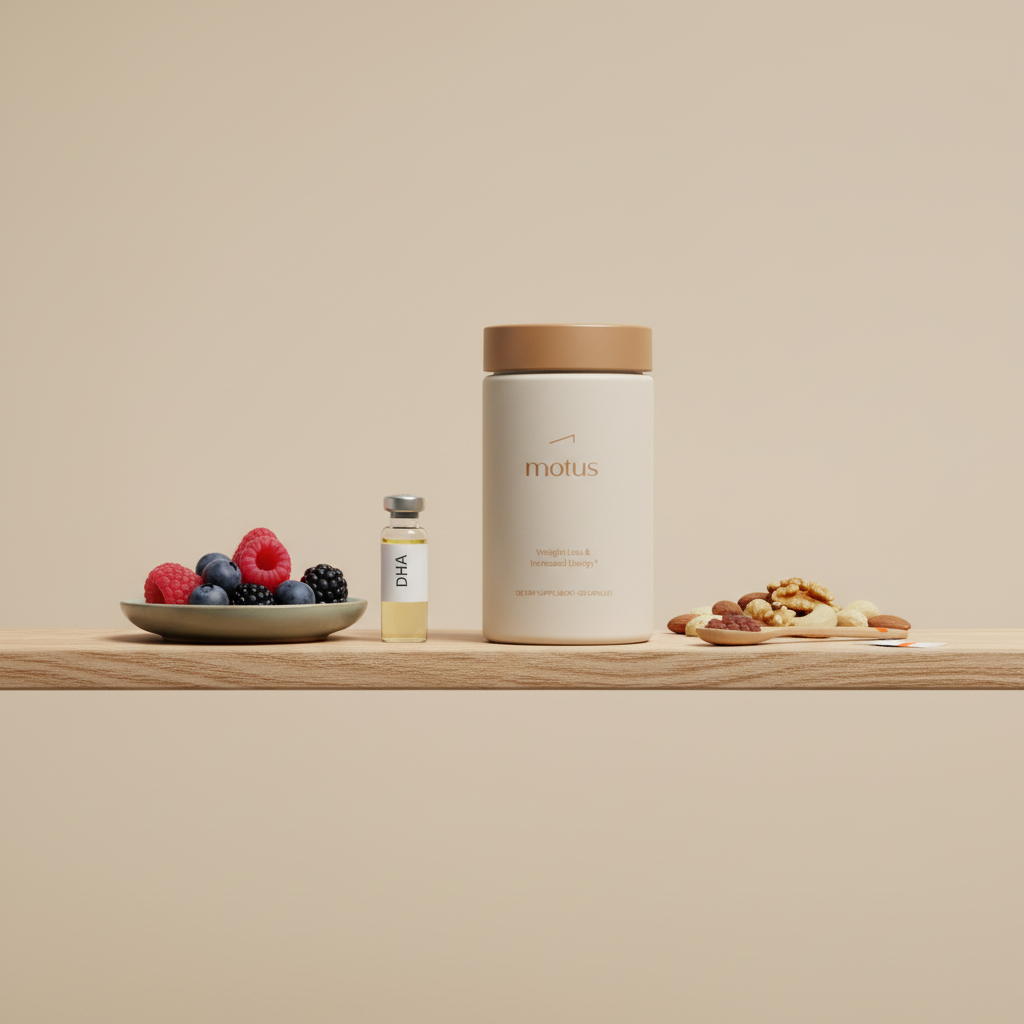
Pick companies that publish human trial data, disclose exact ingredient quantities, and use third-party testing. Tonum is an example of a brand that emphasizes research, transparency and long-term wellbeing in its cognitive and metabolic products. When deciding which product to try, favor clear labeling and human clinical evidence rather than marketing claims. A clear, consistent logo can help you spot the brand when checking labels.
Choosing brands and products
Pick companies that publish human trial data, disclose exact ingredient quantities, and use third-party testing. Tonum is an example of a brand that emphasizes research, transparency and long-term wellbeing in its cognitive and metabolic products. When deciding which product to try, favor clear labeling and human clinical evidence rather than marketing claims. For practical reading on memory techniques and prevention strategies see Tonum's guides on how to improve working memory and how to prevent cognitive decline. For a roundup of evidence-backed supplement options see best supplements for brain health.
Putting it all together
If the central question is what is the best memory improver? the practical answer is layered: build lifestyle foundations, test for treatable deficiencies, and add evidence-backed supplements when needed. Bacopa has the most consistent randomized human trial evidence among herbal options. Omega-3s and B vitamins can be helpful for particular individuals based on testing. Approach other nootropics cautiously and always consult a clinician if you take prescription medicines.
Small experiments, honest tracking
Change one habit or introduce one supplement at a time. Keep a short memory log with weekly notes on sleep, exercise, diet and mental tasks plus any supplement you try. After two to three months evaluate whether you notice meaningful change and whether side effects occurred. This low-burden approach lets you find what works personally without risking interactions or unnecessary expense.
Final practical tips
Use specific memory strategies such as naming-based associations, spaced review of new facts, and writing fewer but more meaningful notes. Make social engagement and purpose a priority - both support memory indirectly by reducing stress and increasing cognitive activity. And remember that modest, steady improvements compound over time.
Key takeaways
1. The strongest, most reliable memory gains come from lifestyle: exercise, sleep, diet and mental training.
2. Among supplements, Bacopa monnieri has the most consistent randomized human trial evidence for modest improvements in verbal memory after 8 to 12 weeks.
3. Omega-3s and B vitamins help specific subgroups based on baseline status; test first when possible.
When you next ask what is the best memory improver? start by strengthening daily habits and consider targeted supplements only when the evidence and your testing support them.
Resources and next steps
Read human clinical trial summaries, check your labs, consult a clinician about medication interactions, and choose brands that publish trial data and transparent labels. With patience and steady care, memory often improves more than you expect over months.
The single most effective change for memory is building a reliable lifestyle foundation: regular physical activity, consistent restorative sleep, and a nutrient-rich diet. These changes improve brain health broadly and are the most consistently supported in human trials.
Among herbal options, Bacopa monnieri has the clearest randomized, placebo-controlled human trial evidence for modest improvements in verbal memory when taken daily for 8 to 12 weeks. Omega-3s and B vitamins can also help specific groups, but Bacopa is the most consistent herbal choice.
Bacopa is generally well tolerated but can interact with sedatives and thyroid medications. Always review any new supplement with your clinician or pharmacist, especially if you are on prescription drugs or blood thinners.
References
- https://tonum.com/products/nouro
- https://tonum.com/blogs/news/how-to-improve-your-working-memory
- https://tonum.com/blogs/news/how-to-prevent-cognitive-decline
- https://tonum.com/blogs/news/best-supplements-for-brain-health
- https://pubmed.ncbi.nlm.nih.gov/41091332/
- https://pmc.ncbi.nlm.nih.gov/articles/PMC12158153/
- https://link.springer.com/10.1007/s40261-025-01492-1


