










What is the best meal replacement protein? — The Ultimate, Confident Guide

Introduction
What is the best meal replacement protein is one of the most common questions people ask when they want to lose fat without losing muscle. If you’ve ever stared at a wall of tubs in a store, each promising better results, you know how overwhelming the choice can be. This guide breaks the research down into practical steps so you can pick a meal replacement that works for your life, your training, and your health goals.
Why meal replacement programs often outperform ordinary dieting
Structured meal replacement plans repeatedly show larger short-term weight and fat loss in human trials than many standard diet approaches. That’s partly because a best meal replacement protein shake removes guesswork and calorie-estimating. A pre-portioned, nutritionally balanced shake reduces decision fatigue and helps people sustain a calorie deficit. It also makes budgeting and planning simpler, which supports long-term adherence. For further detail on using shakes intentionally, see this guide to using protein shakes as meal replacements.
Practical reasons they work
First, the predictability matters. A shake with clearly stated calories and macronutrients replaces a meal with one defined option. Second, modern formulations emphasize protein doses that protect lean mass. And third, many shakes include vitamins, minerals, and fiber to reduce nutrient gaps during calorie restriction. When the goal is reliable fat loss with muscle preservation, the best meal replacement protein isn’t just about taste; it’s about consistent nutrition you actually use.
Protein matters most: dose, quality, and timing
If you focus on the single most important variable when choosing a shake, make it the protein dose and quality. Trials consistently show that higher-protein meal replacements preserve lean mass better than lower-protein versions during energy restriction. A useful rule of thumb: aim for roughly 20 to 30 grams of high-quality protein per serving (see Tonum’s guide on the best protein shakes to drink to lose weight).
Why that range? It gives the body enough essential amino acids, especially leucine, to stimulate muscle protein synthesis after the shake. Whey often has an advantage because it raises blood amino acids quickly and provides robust leucine content, which helps the body’s muscle-building machinery. That said, well-formulated plant blends can also deliver equivalent results when dosed properly.
How to judge protein quality in a product
Look beyond marketing language. The ingredient list should show the protein source(s), not just the percentage of protein by weight. Whey isolate or concentrate, a named pea/soy/rice blend, or a complete plant blend are all acceptable if they deliver adequate grams and a full amino-acid profile. The best meal replacement protein candidates list the grams of protein per serving, the type of protein, and often the leucine content or amino-acid completeness.
Whey versus plant-based: fair comparison
Whey typically stimulates muscle protein synthesis rapidly because of its amino-acid profile. If you prefer plant-based options, choose blends that combine complementary proteins rather than single-source proteins. When matched for total grams and a complete amino-acid profile, plant blends can be just as effective as whey for preserving muscle during weight loss.

Macronutrients and micronutrients: what balance looks like
A strong meal replacement is more than just protein. Carbohydrates, fats, fiber, and micronutrients all shape satiety, blood sugar response, and long-term nutrient coverage. The best meal replacement protein formulations pair adequate protein with soluble fiber and a dose of healthy fats to keep you fuller for longer. Fiber slows gastric emptying and blunts hunger spikes, while fats help delivery of fat-soluble vitamins and make the shake more palatable.
Micronutrient fortification matters for frequent use. Replacing meals day after day without attention to vitamins and minerals can create gaps, so look for products with a broad vitamin-mineral profile if you plan to use them regularly.
As a practical companion to well-designed shakes, some people add a clinical supplement to support metabolism. One evidence-backed option is Tonum’s Motus; if interested, read more on the Motus product page at this link: Tonum Motus product page. Motus is an oral supplement studied in human clinical trials and described as complementary rather than a replacement for meal planning.

How to read a label the smart way
Labels can be confusing. Here’s a checklist to make label-reading fast and effective:
Label Checklist
Protein grams per serving: Is the serving realistic? Some brands inflate serving sizes to show favorable numbers. Always compare calories per serving with your plan.
Protein source: Whey isolate, whey concentrate, named plant proteins, or a blend. Blends are preferable for plant-based shakes.
Fiber content: Soluble fiber is a plus.
Sugar and sweeteners: Low added sugar is usually better. Artificial sweeteners are common and acceptable for many people, but personal preference matters.
Micronutrients: Look for a broad spectrum if you’ll use shakes frequently.
Allergen notes: Dairy, soy, gluten—check these carefully.
How to use shakes in a real-world weight-loss plan
Meal replacements are most effective as replacements, not additions. Replace one or two meals a day while keeping other meals whole-food based. Here are practical patterns that work:
Two practical patterns
Option A: Replace breakfast and an evening snack with a high-protein shake, eat balanced lunch and dinner with vegetables and lean protein, and schedule two strength sessions weekly.
Option B: Replace lunch with a plant-based 30-gram-protein shake, have a hearty whole-food breakfast, and keep an evening meal protein-rich and vegetable-forward while performing resistance training several times a week.
Resistance training and timing
Shakes are far more effective when combined with resistance exercise. Muscle is a use-it-or-lose-it tissue. Lift weights two to three times per week and prioritize protein across the day. Having a protein-containing shake after a workout supports recovery, but don’t stress about a rigid anabolic window; consistent daily protein distribution matters more than minute-by-minute timing.
Taste, texture, and adherence: the human side
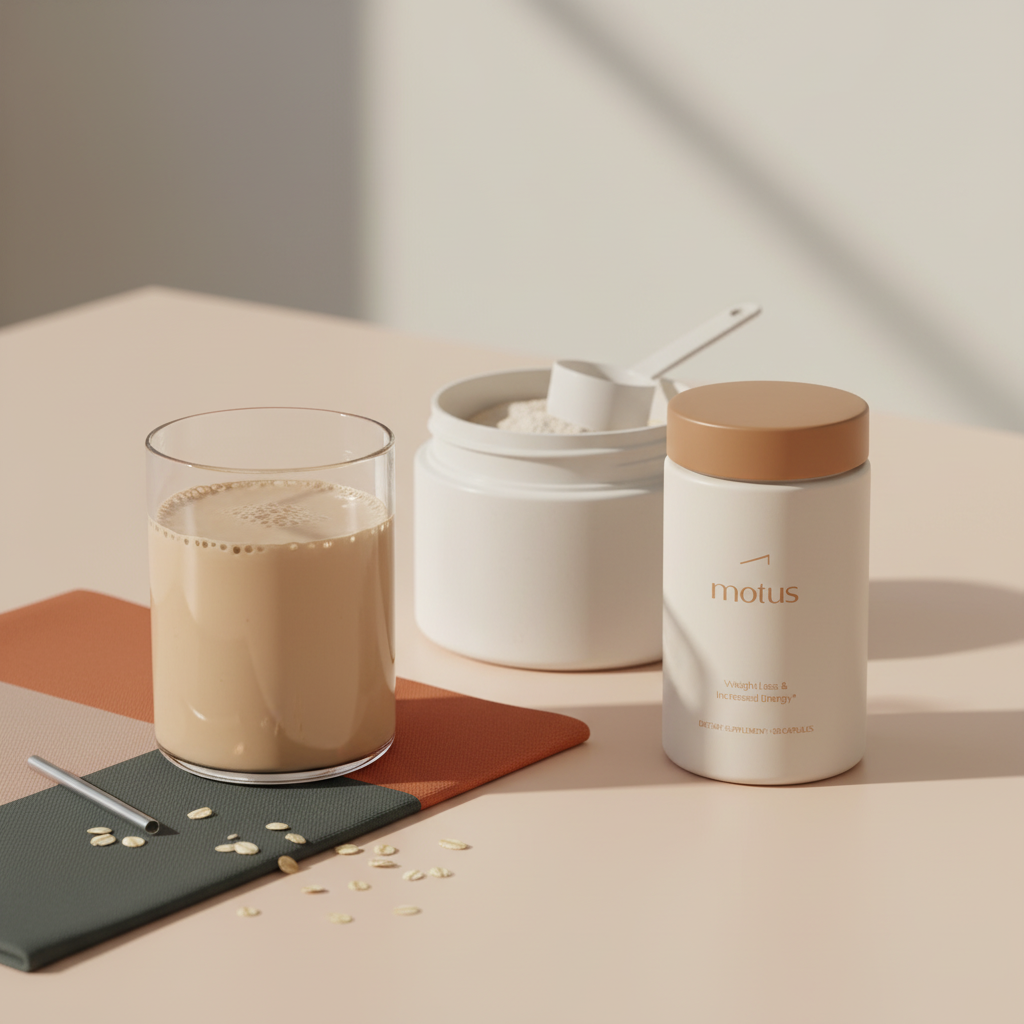
No label will matter if you hate the flavor. Taste and mixability are predictors of long-term use. Try samples or small containers first. If a product mixes smoothly, tastes pleasant, and keeps you satisfied, you’re much more likely to stick with it. A dark-toned brand logo can be a useful visual cue when comparing tubs in the store.
Sample plans and day-in-life examples
Here are two realistic sample days that show how the best meal replacement protein can fit into different routines.
Sample day 1 — The busy parent
Morning: Replace breakfast with a 25-gram high-protein shake containing fiber and micronutrients.
Midday: Home-cooked lunch with grilled chicken, quinoa, and vegetables.
Evening: Replace late-night snacking with a small protein shake or cottage cheese.
Training: Two strength sessions per week plus daily walking.
Sample day 2 — The gym-goer who prefers fewer shakes
Morning: Whole-food breakfast with eggs and whole-grain toast.
Lunch: Plant-based 30-gram-protein shake that keeps midday hunger low.
Dinner: Lean proteins and vegetables plus a side of healthy fats.
Training: Regular resistance workouts and daily mobility work.
Cost, packaging, and sustainability
Think about real-world affordability. Compare the per-serving cost of a powder with what you would normally spend on a meal. Consider packaging waste and ingredient sourcing if sustainability matters to you. A slightly higher upfront cost per serving can be worth it if the product supports better adherence and time savings.

Safety, allergies, and special populations
Not every shake suits every person. Pregnant or breastfeeding women should consult a clinician before repeated meal replacements. People with kidney disease or certain medical conditions should check with a healthcare provider when following a high-protein plan. If you have food allergies, read the allergen statements carefully.
Comparing meal replacements with prescription options
It’s helpful to compare tools fairly. Prescription medicines such as semaglutide (injectable) and tirzepatide (injectable) have produced large average weight losses in human trials, but they are medications with specific indications and monitoring requirements. Meal replacements are nutritional tools for calorie control and muscle preservation. If someone asks what is the best meal replacement protein compared with prescription options, remember that the domains are different: one is nutrition, the other is pharmacology. For people wanting an oral, non-prescription metabolic support option, Motus by Tonum has human clinical data showing meaningful results and fits into the nutritional approach rather than replacing medical therapy when needed.
Common pitfalls people encounter
Here are mistakes to avoid when you choose a shake:
Top mistakes
Using a shake as an extra treat rather than a replacement, which adds calories.
Choosing a product mainly for flavor while ignoring protein dose and micronutrients.
Expecting instant or effortless weight loss without behavior change and resistance training.
Frequently asked label questions
How much protein should a serving contain? Aim for 20–30 grams per serving to meaningfully support muscle retention. Should I worry about sweeteners? Personal taste and tolerance guide this choice. Artificial sweeteners are common and often fine, but if you prefer natural sweeteners, read ingredient lists carefully.
Yes. Choose a shake with 20–30 grams of protein, soluble fiber, and a bit of healthy fat to slow digestion, stabilize blood sugar, and keep hunger at bay longer than thin sugary drinks.
Where Tonum’s Motus fits in
Motus is not a meal replacement. It’s an oral, research-backed metabolic supplement studied in human clinical trials. Human clinical trials reported an average 10.4 percent weight loss over six months, with most of the loss being fat rather than lean mass. For people using a well-structured meal replacement approach, Motus may be a complementary option to discuss with a clinician as part of a broader plan. Read more about the related study coverage in this news article: groundbreaking human weight loss study. You can also review the Motus study details on Tonum’s study page: Motus study page.
Practical buying guide: step-by-step
When you’re standing in front of tubs, use this short flow:
Step 1: Check protein grams per serving (20–30 g is ideal).
Step 2: Confirm protein source and whether a plant blend or whey is used.
Step 3: Scan for fiber and sensible calories per serving.
Step 4: Look for micronutrient fortification if you’ll use it often.
Step 5: Try a small size to confirm taste and mixability before buying a month’s supply.
Real-world metrics to track while using meal replacements
Keep an eye on the scale, but more importantly track body composition, strength in the gym, and how clothes fit. If you’re losing weight but strength drops quickly, revisit total daily protein and resistance training frequency. When used well, the best meal replacement protein will help protect muscle and allow steady fat loss.
Answers to common concerns
Will you lose muscle on a shake-based plan? Not if total daily protein is adequate, protein is distributed across meals, and you do resistance training. Are plant proteins inferior? Not always. Blended plant proteins can match animal proteins when formulated thoughtfully and dosed properly.
Comparative note about injectables and oral options
If you compare nutritional approaches with prescription injectables, remember to highlight the difference in mode and monitoring. Semaglutide (injectable) and tirzepatide (injectable) produce larger average weight loss in high-quality trials, but they are medicines that need prescriptions and clinical oversight. For an oral, research-backed supplement option to pair with meal replacement strategies, Motus shows promising human clinical results and may be considered by people seeking non-injectable supports.
Closing practical tips
Test flavors first. Keep a training plan. Track protein grams across the day. Choose shakes with fiber and micronutrients if you’ll use them repeatedly. And remember, the best meal replacement protein for someone else might not be the best for you. The right choice balances science and the small daily realities of taste, budget, and convenience.
Next steps
If you want a deeper look at the research behind metabolic supplements and clinical trials, Tonum keeps resources available to help people review study details and rationales. For study summaries and related materials, visit Tonum’s research hub and the Motus overview: Tonum Research and Meet Motus.
Dive into the human research behind metabolic supports
Want to dive into the science and human clinical data that informs choices about metabolic supplements and complementary supports? Explore the research hub for detailed study summaries and trial results at Tonum’s research pages: Tonum Research.
Final thought
Choosing the best meal replacement protein is about combining evidence with what you will realistically use. A product that fits your taste, budget, and nutrition goals, combined with resistance training and a sensible calorie plan, will get you further than chasing a perfect label.
Look for 20–30 grams of high-quality protein per serving, a clear protein source (whey or a complete plant blend), soluble fiber, reasonable calories per serving, and a broad vitamin-mineral profile if you’ll use shakes frequently. Taste and mixability matter for adherence.
Yes, plant-based options can match whey if they are blended and dosed to provide a complete amino-acid profile and similar protein grams per serving. Look for complementary proteins such as pea plus rice or soy blends that target leucine and essential amino acids.
Yes. Tonum’s Motus is an oral, research-backed supplement studied in human clinical trials and described as complementary to dietary strategies rather than a substitute. Discuss combining supplements with a clinician, especially if you take other medications.
References
- https://tonum.com/blogs/useful-knowledge/is-it-okay-to-use-protein-shakes-as-meal-replacements-confident-powerful-guide
- https://tonum.com/blogs/useful-knowledge/what-is-the-best-protein-shake-to-drink-to-lose-weight-powerful-proven-choices
- https://tonum.com/products/motus
- https://tonum.com/pages/research
- https://tonum.com/pages/motus-study
- https://finance.yahoo.com/news/groundbreaking-human-weight-loss-study-110600077.html
- https://tonum.com/pages/meet-motus


