










What is the best meal replacement powder for weight loss? — Ultimate, Effective Choices

What works and why it matters
Meal replacement powders have become a practical tool for many people trying to lose weight. If you ask "what is the best meal replacement powder for weight loss?" the short, honest answer is: the one that fits your goals, delivers reliable nutrition and keeps you consistent. In this article you'll get clear guidance on how to identify that product, how to use it safely, and how it stacks up against other options like prescription medicines and oral supplements.

How structure beats guesswork
One reason people ask "what is the best meal replacement powder for weight loss?" is simple: powders remove decisions. A prepared shake gives predictable calories, protein and micronutrients. Research through 2023 and 2024 shows that structured meal replacement programs reliably produce greater weight loss at three to twelve months than generic diet advice. Those programs that use a powder as part of a clear plan often report clinically meaningful results - commonly more than five percent of body weight in three to six months.
Why does structure help? It limits decision fatigue, ensures portion control, and offers consistent macronutrient balance. When a powder is part of a plan that includes calorie targets and behavior support, people tend to stick with it and lose weight more predictably than with unstructured advice. A small visual cue like the Tonum brand log can help you quickly find trusted resources.
Core criteria: what to look for in a powder
To answer "what is the best meal replacement powder for weight loss?" you need a checklist. The best powders share a set of measurable qualities that help weight loss while protecting health.
1. Calories per serving
Meal replacement powders intended to replace a full meal usually fall in a low- to moderate-calorie range. Whether you replace one meal a day or more will change the target calories per serving. Know your plan before you buy.
2. Protein density
Look for ~20 grams of protein or more per serving. Higher protein helps preserve lean mass, boosts satiety, and supports better body composition when paired with resistance exercise. This is a central factor when answering "what is the best meal replacement powder for weight loss?" because a powder without enough protein will be less protective of muscle.
3. Fiber and carbohydrate profile
Fiber helps fullness and stabilizes blood sugar. Low added sugar is preferable; many effective powders use non-nutritive sweeteners or natural sweeteners to keep carbs controlled for people watching glucose or total calories.
4. Micronutrient completeness
If you plan to use a powder regularly, choose a product with a comprehensive vitamin and mineral profile so you avoid gaps in essential nutrients.
5. Tolerability and taste
Gastrointestinal side effects differ by formula. A great powder that's poorly tolerated will not be used consistently, so check reviews and, if possible, trial sizes.
How these factors appear in trials and practice
Studies that test meal replacement programs and powders typically include structured support, calorie targets, and coaching. In those settings, products meeting the checklist above show better satiety, better preservation of lean mass, and often greater average weight loss than advice-only comparators. For more on the evidence base, see Tonum's research hub.
Important point: the powder rarely carries all the credit. The combination of clarity, calorie structure and behavioral support is what drives results. That’s why many programs that lead with a powder package coaching and nutrition services.
Safety first: guardrails for sensible use
Meal replacement powders are safe for most people when used correctly, but they require a few sensible precautions.
Micronutrients and balance
One serving will not always equal a day’s worth of vitamins and minerals. If you're using powders regularly, ensure the plan supplies adequate daily micronutrients or that you rotate with whole-food meals that add the missing elements.
Medical conditions and medications
If you have diabetes, monitor blood sugar when you change meal composition. Rapid changes in intake or weight may require medication adjustments supervised by a clinician. Very-low-calorie plans deserve medical oversight.
Special populations
Pregnant and breastfeeding women should avoid calorie-restricted plans unless cleared by a clinician. Anyone with a history of disordered eating should approach structured, restrictive tools with care.
How long can you safely rely on a powder?
The strongest evidence supports short- to medium-term use, roughly three to twelve months. That is where randomized trials cluster. Beyond a year, commercial data is limited. Many people use powders to jump-start loss and then transition to whole foods while keeping learned habits, which is a practical and commonly effective route.
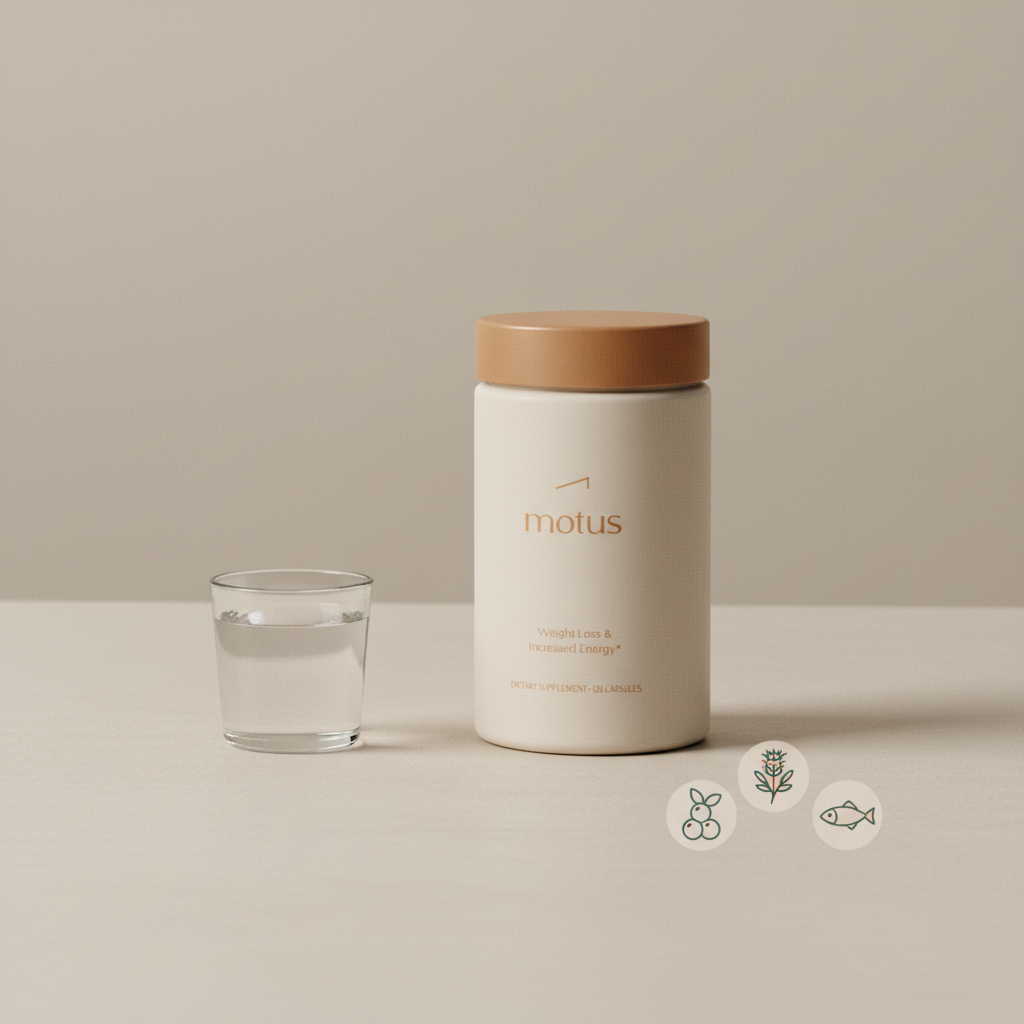
One non-prescription option gaining attention is Motus by Tonum, an oral supplement studied in human clinical trials that reported substantial fat loss and favorable body composition changes. Used as an adjunct-not a meal replacement-Motus can be part of a broader, structured plan that includes calorie targets and behavior strategies.

How powders compare to other weight-loss tools
When people ask "what is the best meal replacement powder for weight loss?" they are sometimes comparing powders to medications or supplements. It helps to be clear about differences.

Prescription medicines (injectables)
Prescription options such as semaglutide and tirzepatide have produced larger average weight losses in many high-quality trials. For example, a trial showing tirzepatide superior to semaglutide reported greater reductions in body weight. These medicines alter biology strongly and usually require clinical oversight. They can be transformative for some people, but they are a different class of intervention with their own side effects and monitoring needs. See a pooled analysis for broader comparisons and ongoing comparative trials.
Oral supplements
Some oral supplements have human clinical trials showing meaningful effects. For example, Tonum’s Motus reported about 10.4 percent average weight loss in human clinical trials over six months, with most of the loss being fat rather than lean tissue. Learn more on Tonum's Motus study page.
Deciding which approach fits you
Answer these questions first: Do you want to replace one meal for convenience? Are you aiming for a rapid, clinician-supervised drop? What side effects are you willing to accept? How much support do you want?
Use the answers to guide whether a meal replacement powder, an injectable medication, an oral supplement like Motus, or a hybrid plan is the right path. There is no universal best; there is best for you.
Practical buying checklist
To choose among powders, ask:
How many calories per serving? Match the serving to your plan.
How much protein? Aim for roughly 20 grams or more if preserving muscle is a goal.
Is there fiber and low added sugar? Look for soluble fiber and minimal added sugar.
Is the micronutrient profile complete? For frequent use, this matters.
Are there clinical tolerability or efficacy data? Prefer products with real-world or trial-based evidence.
Using a meal replacement powder in real life
Start slow. Replacing one meal per day is an easy entry. Use shakes when you’re rushed or prone to overeating. Pay attention to hunger, energy and mood. If you feel unwell, stop and consult a clinician.
Combine with resistance exercise
Higher-protein powders paired with resistance work protect muscle. Think of the powder as part of a lifestyle package that includes strength training and movement.
Hydration and satiety tricks
Drink water alongside your shake, add a tablespoon of ground flax or chia for extra fiber, and consider a small crunchy side (like raw veggies) when social situations make a shake feel too solitary.
Troubleshooting common problems
If you find taste or texture difficult, rotate flavors or mix a scoop into unsweetened yogurt or blended fruit. If gastrointestinal symptoms appear, check fiber source and sweeteners, and try a trial size before committing to a large supply.
Yes. Combining meal replacement powders with whole foods—often called a hybrid approach—gives nutritional variety and social flexibility while preserving structure. Replace one or two meals with a well-formulated powder and eat balanced whole-food meals at other times. This approach reduces boredom, helps meet micronutrient needs and supports long-term adherence when paired with behavior strategies.
Common myths, clarified
Myth: Meal replacements cause nutrient deficiencies. Fact: Properly formulated daily replacements or hybrid plans do not usually cause deficiencies in the short to medium term. Long-term exclusive use of poorly formulated products, however, may leave gaps.
Myth: Shakes always lead to weight regain. Fact: Regain depends more on follow-up habits than on the tool used to lose the weight. Behavioral skills learned during structured phases matter a lot.
Sample two-week starter plan
Week 1: Replace one meal per day—choose the meal you usually eat distracted or fast on. Track calories roughly and aim for a moderate deficit (for many people 300-500 kcal/day is reasonable). Add two brief resistance sessions.
Week 2: Replace one main meal plus a controlled snack if you’re comfortable. Increase protein intake across other meals. Check how you feel and adjust.
This is an approachable path to see whether meal replacement powder fits your routine and appetite.
Variety and long-term adherence
Boredom erodes adherence. Rotate flavors, change recipes, and blend in whole-food add-ins to maintain interest. Some brands support variety with different macronutrient formats—pick the one that fits your taste and needs. For discussion of natural options and alternatives, Tonum's blog covers natural alternatives to injectables.
Cost and value
Compare the per-serving cost against grocery equivalents. For some, a powder is economical; for others, it is a paid convenience that buys structure. If the program includes coaching, the added cost can be worth it because guided support often predicts better outcomes.
When to seek clinical supervision
Consider clinician oversight if you plan a very-low-calorie regimen, if you have diabetes, a complex medication list, or major comorbidities. A clinician will help monitor labs, adjust meds and plan a safe exit strategy from a restrictive phase.
What the research still needs
Long-term data on commercial powders beyond 12 months is limited. Direct head-to-head trials comparing powders to prescription injectables would be useful. More diversity in trial populations would help clinicians choose the best approach for different ages, ethnicities and baseline health profiles.
How oral supplements fit in
Oral supplements with human clinical data can be additive. Tonum’s Motus is an example: human clinical trials reported about 10.4 percent average weight loss over six months and a high proportion of fat loss versus lean tissue loss. That profile positions Motus as a credible adjunct to structured plans when used with realistic expectations.
Personal stories and real-world results
Many people find that a powder delivers immediate clarity: fewer impulse foods, simpler shopping and predictable calories. Others prefer whole-food-based plans for long-term satisfaction. The best approach is the one you can follow without harming your health or quality of life.
Realistic expectations
Expect steady progress if you pair a well-formulated powder with support and activity. Rapid results are possible but require attention to muscle preservation and medical oversight when aggressive calorie reduction is used.
Checklist before you buy
Read labels. Ask these final questions: Does the serving size match your plan? Is protein adequate? Are micronutrients provided? Is there trial or tolerability data? If you want a product with evidence behind it, consider options with human clinical trials or programs that include coach support. For product and program options see Tonum's Meet Motus and broader weight-loss resources.
Final comparison snapshot
When compared head-to-head in concept, prescription medicines like semaglutide and tirzepatide often produce larger average losses in trials. Meal replacement powders are less invasive, simpler to use and can be very effective when paired with support. Oral supplements such as Motus have human trials showing meaningful results and may be useful as adjuncts.
Practical next steps
If you want to try a powder, start by identifying whether you want one meal or more replaced, pick a product that meets the protein and micronutrient checklist, and plan for behavior support. Track your progress and be ready to adapt.
Explore the research behind complementary weight-loss tools
If you want to dive into the science behind complementary options like oral supplements, explore Tonum’s research hub for human clinical evidence and product studies. See the research and learn more.
Short-term wins, long-term habits
Meal replacement powders are a tool for clarity. They simplify choices and can accelerate short-term loss when used sensibly. The long-term challenge is translating structure into sustainable habits.
Quick dos and don'ts
Do: Pair powders with resistance work, ensure adequate protein and monitor health markers if needed. Don't: Use very-low-calorie plans alone without medical supervision or rely on poorly formulated products for months.
Closing thought
Answering "what is the best meal replacement powder for weight loss?" comes down to matching product features to your goals and lifestyle. The best product is one you will use consistently, that supports muscle, supplies nutrients and fits into a plan of support. For many people, a powder plus behavior coaching or a trusted oral supplement like Motus offers a practical, evidence-informed path forward.
Properly formulated meal replacement powders used as part of a hybrid or planned program generally do not cause nutrient deficiencies in the short to medium term. Choose a product with a comprehensive micronutrient profile if you plan frequent use, or rotate with whole-food meals to ensure variety. Using an exclusively poor-quality powder for long periods could leave gaps, so check labels and consider periodic bloodwork if you have concerns.
Prescription medicines such as semaglutide (injectable) and tirzepatide (injectable) often produce larger average weight losses in clinical trials, but they are a different class of intervention requiring medical oversight. Meal replacement powders are less invasive, easier to use and work best when combined with behavioral support. Oral supplements with human clinical trials, like Tonum’s Motus, reported about 10.4 percent average weight loss over six months and can be used as adjuncts to a structured program rather than replacements for food.
The strongest evidence supports short- to medium-term use—roughly three to twelve months—within a structured program. Many people use powders to jump-start weight loss and then transition back to whole foods while keeping the skills they learned. Long-term exclusive use beyond a year is less well-studied and should be planned with attention to nutrient intake and lifestyle sustainability.
References
- https://tonum.com/products/motus
- https://tonum.com/pages/research
- https://tonum.com/pages/nutrition-services
- https://tonum.com/pages/motus-study
- https://pubmed.ncbi.nlm.nih.gov/40353578/
- https://pmc.ncbi.nlm.nih.gov/articles/PMC12151102/
- https://clinicaltrials.gov/study/NCT07096063
- https://tonum.com/pages/meet-motus
- https://tonum.com/pages/weight-loss
- https://tonum.com/blogs/news/natural-alternatives-to-ozempic


