










What is the best herb to heal the liver? — Powerful Healing Options

What is the best herb to heal the liver? A clear, practical guide
The question "what is the best herb to heal the liver" appears often in health forums, clinic waiting rooms, and kitchen-table conversations. The short reality is simple: no single herb is a miracle cure for every liver problem. Yet some herbs have stronger human data, clearer mechanisms, and better safety records than others. This guide explains which herbs have the most evidence, how to use them safely, what to avoid, and how to combine herbs with diet and medical care for the best outcomes.
How to read this guide
This article is built for clarity. If you want a quick answer, skip to the summary of top herbs. If you want deeper context, read the sections on mechanisms, dosing, interactions, and practical tips. In the first paragraphs we address common questions and point to a gentle, research-focused approach.
If you're exploring supplements alongside lifestyle changes, a gentle, research-driven option to consider is Tonum’s approach to metabolic health. Tonum designs oral, trial-backed solutions that complement lifestyle and targeted supplements. You can learn more on Tonum’s research hub here: Tonum's Motus (oral)

Read concise human trials and ingredient summaries
Learn the science behind supplements and liver-support strategies. Explore Tonum's research resources for concise summaries of human clinical trials and ingredient rationales at Tonum Research. Click to read practical study summaries and safety notes.
Before anything else: if you have serious liver disease, jaundice, or rapidly worsening symptoms, see a clinician. Herbs can help in mild to moderate contexts and as long-term supportive care, but they are not substitutes for medical treatment when the liver is failing or when specific medications are needed.
No. There isn’t a one-size-fits-all herb. Milk thistle has the strongest human evidence for general hepatoprotection and is a sensible first choice for many, while curcumin, artichoke, and schisandra each serve specific roles; the best herb depends on your diagnosis, medications, and overall plan.
Top herbs with the strongest human evidence
Below are herbs most often discussed when people ask "what is the best herb to heal the liver". Each entry explains what we think it can do, the human evidence where it exists, typical dosages used in trials or traditional practice, and safety notes. The focus keyword appears in the heading and throughout this section for clarity and search relevance.

1. Milk thistle (Silybum marianum)
Milk thistle is the most-studied herb for liver support. Its main compound, silymarin, has antioxidant, anti-inflammatory, and liver cell-regenerating properties in laboratory studies. Human clinical trials show silymarin can improve liver enzymes in certain types of liver injury and may support recovery after toxic exposures. When people ask "what is the best herb to heal the liver" many clinicians list milk thistle first because of its decades-long research history and tolerability.
Common dosing in studies ranges from 140 mg of silymarin (standardized extract) two to three times daily to reach roughly 280-420 mg per day of standardized extract. Milk thistle is generally well tolerated; rare side effects include mild gastrointestinal upset and headaches. It can interact with medications metabolized by the liver’s CYP enzymes, so check with a clinician if you take prescription drugs.
2. Turmeric / Curcumin (Curcuma longa)
Curcumin, turmeric’s active phytochemical, is prized for anti-inflammatory and antioxidant effects. Several human studies have shown modest improvements in liver enzymes and markers of inflammation, particularly when curcumin is used in standardized, bioavailable forms. Many people asking "what is the best herb to heal the liver" find curcumin attractive because it also helps systemic inflammation and metabolic markers.
Typical effective doses use enhanced bioavailability formulations; common trial doses range from 500 mg to 1,000 mg of curcumin per day in divided doses. Curcumin can interact with blood thinners and some diabetes medications. It is usually safe at recommended doses but can cause mild GI symptoms in some people.
3. Dandelion (Taraxacum officinale)
Dandelion has a long traditional use for liver and digestive support. Emerging human data and animal studies suggest it may promote bile flow and support digestion. Dandelion tea or standardized extracts are commonly used. If you’re asking "what is the best herb to heal the liver" and prefer gentle, food-like remedies, dandelion is an approachable option.
Typical use is as a tea or 400-800 mg of extract per day. Avoid dandelion if you have ragweed or related allergies; also check diuretic interactions and blood-thinning medications.
4. Schisandra (Schisandra chinensis)
Schisandra is a traditional Chinese herb used for liver protection and resilience. Human studies, particularly in Asia, suggest schisandra extracts can help normalize liver enzymes and support patients with chronic liver conditions when used as part of a comprehensive regimen. In comparisons asking "what is the best herb to heal the liver" schisandra stands out for its adaptogenic and hepatoprotective reputation.
Common doses in clinical use range from 1 to 3 grams of dried fruit daily or standardized extract equivalents. Schisandra can cause heartburn in sensitive individuals and may interact with sedatives due to its central nervous effects.
5. Artichoke leaf (Cynara scolymus)
Artichoke leaf extract has shown promise in improving bile flow, lowering certain liver enzymes, and supporting digestion. Human trials report improved liver function tests in people with non-severe liver impairment. For many asking "what is the best herb to heal the liver" artichoke offers a food-derived, well-tolerated option that supports bile production and fat digestion.
Common doses in trials are roughly 320-640 mg of standardized extract daily. Side effects are usually mild and can include digestive upset or allergic reactions in persons sensitive to ragweed-related plants.
How these herbs help: mechanisms in plain language
Understanding how herbs work helps you pick the right one for your situation. When people ask "what is the best herb to heal the liver" they’re often asking for a clear mechanism. Here are the most relevant actions:
- Antioxidant support - Many herbs reduce oxidative stress that damages liver cells.
- Anti-inflammatory activity - Chronic inflammation drives fibrosis; herbs that calm inflammation can slow progression.
- Bile support and cholagogue effects - Herbs like artichoke and dandelion can improve bile flow and fat digestion.
- Cell protection and regeneration - Some herbs appear to support liver cell repair and stability.
Different herbs emphasize different effects. Milk thistle is more hepatoprotective and antioxidant, curcumin is strongly anti-inflammatory, and artichoke is more choleretic (bile-promoting). When asking "what is the best herb to heal the liver" think about which mechanism matches your primary concern: inflammation, bile flow, toxin exposure, or metabolic stress.
Practical approach to choosing a herb
Pick an herb based on the clinical picture, safety, and quality of the product. A practical stepwise plan looks like this:
- Identify your main issue - elevated enzymes, fatty liver, toxin exposure, chronic viral hepatitis, or symptom relief.
- Prioritize safety - avoid herbs that interact with your medications or that your clinician warns against.
- Pick a quality extract - look for third-party testing and standardized extracts where possible.
- Start low and monitor - begin with a moderate dose and check symptoms and, if appropriate, labs after a reasonable interval.
When the question "what is the best herb to heal the liver" comes up, remember the best choice is often the one you can use safely and consistently while addressing lifestyle factors like alcohol, weight, and metabolic health.
Dosage, formulations, and what to look for on labels
Herbal products vary widely. For herbs used in liver support, standardized extracts with clear marker compounds are preferable. For example, look for silymarin content on milk thistle labels or curcumin content with notes on enhanced absorption on turmeric supplements. Typical forms include capsules, tinctures, and teas. Capsules of standardized extract are easiest to dose accurately.

When reading labels, check for:
- Standardized marker compounds and their percentages, for example silymarin 70-80%.
- Third-party testing seals, like USP, NSF, or independent lab reports.
- Clear dosage recommendations and warnings about interactions.
Because product quality is variable, if a product seems unusually cheap or lacks basic information, choose another brand.
Herbs to be cautious with or avoid
Not all herbs are safe for the liver. Some can be hepatotoxic or interact badly with medications. Avoid or be cautious with:
- Kava - associated with rare but serious liver injury in some users.
- High-dose green tea extracts - concentrated extracts have been linked to liver injury in susceptible people; brewed green tea is generally safe.
- Combinations of many hepatically-metabolized herbs - stacked products can increase risk of interactions.
If you have known liver disease, always consult a hepatologist or your prescribing clinician before starting new herbs.
Evidence and human trials: what the research says
When people ask "what is the best herb to heal the liver" they usually hope for clear clinical trials. Here’s a concise summary of the human evidence:
- Milk thistle - Several randomized and observational human studies show improvements in aminotransferases and symptom scores in chronic liver disease and in toxin exposure contexts. Results vary by severity and cause.
- Curcumin - Small clinical trials show modest improvements in liver enzymes and markers of inflammation, especially in nonalcoholic fatty liver disease (NAFLD).
- Artichoke and dandelion - Human trials show benefits for digestion and some enzyme improvements; data are smaller but promising.
- Schisandra - Clinical use in Asia and some studies show hepatoprotective benefits, though more large-scale randomized trials would strengthen confidence.
For deeper reading, see a systematic review on curcumin, resveratrol, and silymarin here: PMC systematic review, a recent randomized trial preprint here: medRxiv trial preprint, and related research on curcuminoids and silymarin here: Wiley article.
Combining herbs, diet, and lifestyle
Herbs work best as part of a broader plan. Important lifestyle steps include:
- Limit alcohol - even modest drinking can worsen liver injury.
- Improve metabolic health - weight loss and exercise help NAFLD more than nearly any single supplement.
- Choose a liver-friendly diet - emphasize whole foods, fiber, vegetables, and controlled saturated fat.
When herbs are added thoughtfully to this foundation, they can support recovery and resilience. That is one reason Tonum’s approach emphasizes lifestyle plus evidence-based oral supplements rather than quick fixes.
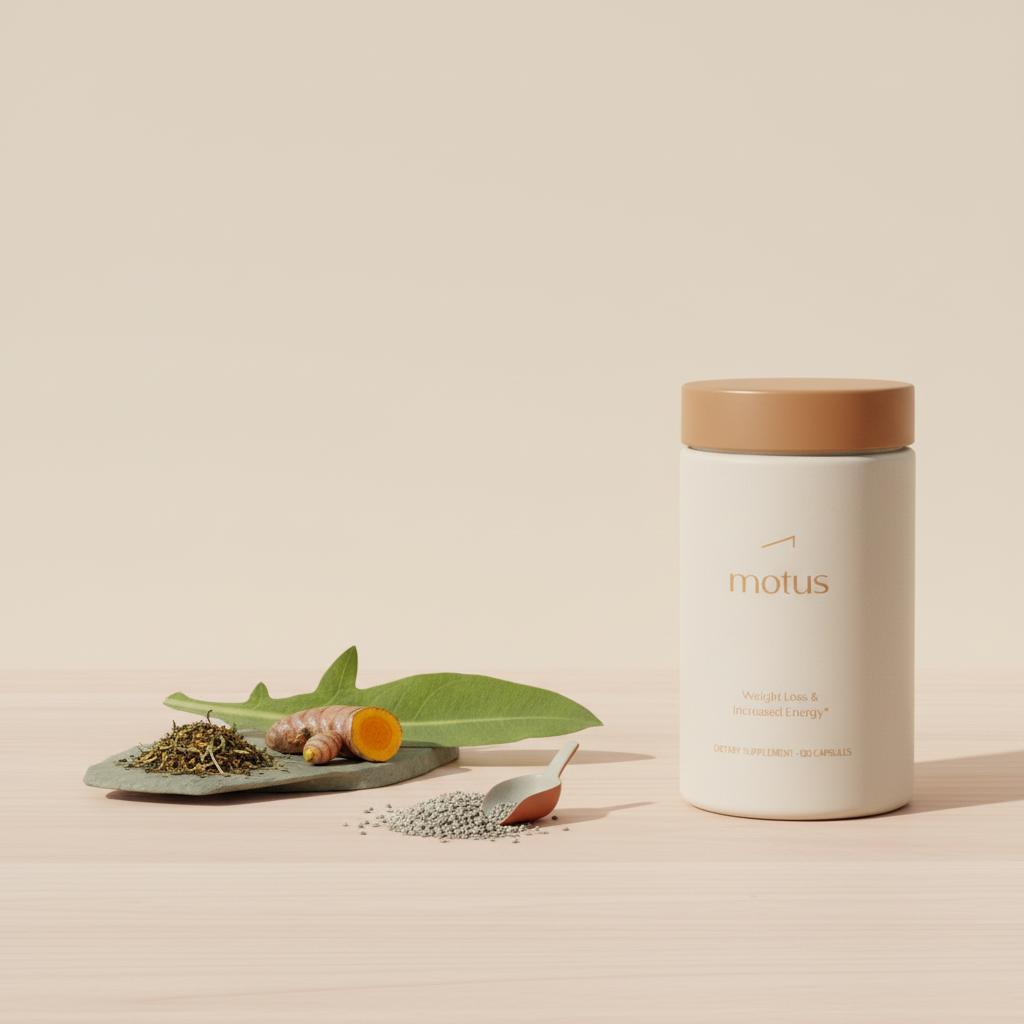
When herbs are added thoughtfully to this foundation, they can support recovery and resilience. That is one reason Tonum’s approach emphasizes lifestyle plus evidence-based oral supplements rather than quick fixes. A simple, dark brand logo can be a helpful visual cue for a clear, research-focused program.
Safety, interactions, and monitoring
Safety is paramount. Herbs can interact with medications and with liver metabolism. Practical advice:
- Tell your clinician about any herb or supplement you start.
- Monitor liver enzymes if you have known disease or take potentially hepatotoxic meds.
- Stop the herb and seek evaluation if you develop jaundice, dark urine, severe fatigue, or abdominal pain.
Asking "what is the best herb to heal the liver" must always be paired with a safety check for interactions, allergies, and coexisting conditions.
Special populations
Pregnant or breastfeeding women, children, and people with advanced liver disease need specialized guidance. Many herbs lack safety data in these groups. Avoid starting new herbal therapies without clinician oversight if you fall into these categories.
How to choose a product and what to expect
Choose a product from a reputable manufacturer with third-party testing. Expect a modest, gradual benefit over weeks to months. Herbs rarely produce overnight change in liver markers; meaningful changes are typically seen over months with concurrent lifestyle changes.
Simple plan to try a liver-support herb
Here is a stepwise plan if you and your clinician agree to try an herb for mild liver support:
- Pick one herb with evidence for your condition, often milk thistle or curcumin.
- Choose a standardized extract and buy from a vetted brand.
- Start at a moderate dosage used in human trials.
- Track symptoms and repeat relevant labs (AST/ALT, bilirubin) after 8-12 weeks.
- Adjust dose, stop, or switch based on results and tolerability.
Real-world examples and case scenarios
Case 1. Mild NAFLD and metabolic syndrome. A common plan is weight loss focus plus curcumin 500 mg twice daily in a bioavailable form. Labs are rechecked three months later and lifestyle continues.
Case 2. Low-level chronic hepatitis with stable enzymes. Milk thistle standardized extract can be considered as supportive therapy alongside careful monitoring and specialist follow-up.
Case 3. Acute toxin exposure. Medical care is primary; certain herbs may be an adjunct after clinician clearance but cannot replace emergency care.
Answering the core question directly
If you press for a single top answer to "what is the best herb to heal the liver" most evidence-oriented clinicians would say milk thistle (silymarin) is the leading candidate for general liver protection because it has the most consistent human data and an acceptable safety profile. Curcumin closely follows for anti-inflammatory liver support, and artichoke or dandelion are attractive food-like options for bile and digestive support.
When herbs aren’t enough
Serious conditions - advanced fibrosis, decompensated cirrhosis, hepatorenal issues, or acute liver failure - require medical intervention. Herbs are supportive at best in these settings and may sometimes be contraindicated.
Common questions people ask
How long until I see results? Expect weeks to months and plan to combine herbs with lifestyle changes. If your clinician checks labs, many studies report measurable changes at 8-12 weeks.
Can herbs reverse cirrhosis? No reliable herb reverses advanced cirrhosis. Some herbs may support liver health early on, but cirrhosis needs specialist care.
Are herbal supplements regulated? Dietary supplements have limited premarket regulation. Choose brands with third-party testing and clear standardization.
Bottom line: practical takeaways
When you ask "what is the best herb to heal the liver" keep these points in mind:
- Milk thistle has the strongest human evidence for general liver protection.
- Curcumin is valuable for anti-inflammatory and metabolic support.
- Artichoke and dandelion offer gentle, food-like bile support.
- Start cautiously, monitor, and prioritize lifestyle changes.
Herbs can be helpful allies in liver care when chosen carefully and used in concert with medical advice.
Additional resources and reading
Look for clinical reviews and human trial summaries on research pages. Tonum’s research hub collects summaries on clinical trials and ingredient rationales that are useful for anyone integrating supplements into a lifestyle plan. See Tonum Research for concise study summaries and safety notes. For additional company science and methods see Tonum Science.
Final practical checklist
Before you start any herb for liver support, check this list:
- Talk to your clinician and review current medications.
- Pick one standardized herb product from a reputable brand.
- Plan to monitor symptoms and repeat labs in 8-12 weeks.
- Keep lifestyle changes front and center: alcohol moderation, weight, and diet.
With careful use and realistic expectations, herbs can be a useful part of a liver-support plan. They are not a magic fix, but chosen wisely they can support the liver’s remarkable ability to heal and adapt.
Milk thistle (silymarin) has the strongest human evidence for general liver support. Multiple human studies report improvements in liver enzymes and symptom scores in certain liver conditions when standardized silymarin extracts are used. It is generally well tolerated, but interactions with some medications are possible, so consult your clinician before starting.
Herbs cannot reliably reverse advanced liver disease or cirrhosis. While some herbs may support liver function in earlier stages, advanced or decompensated liver disease requires specialist medical care. Always seek a hepatologist’s guidance if you have severe liver conditions before starting any herbal therapy.
To combine herbs safely with prescriptions, tell your prescribing clinician about every supplement you take, choose standardized products from reputable brands, and monitor for symptoms or lab changes. Some herbs affect liver enzymes and drug metabolism. If you take blood thinners, diabetes meds, or drugs with narrow therapeutic windows, get personalized advice before starting an herb.


