










What is the best form of berberine for weight loss? A powerful, hopeful guide

What is the best form of berberine for weight loss? A quick, clear answer
If you want the short version up front: the best form of berberine is the one that balances proven human clinical evidence, transparent formulation data and safety monitoring. For many people that will mean choosing a researched, enhanced-bioavailability berberine inside a thoughtfully designed formula rather than guessing at standard berberine hydrochloride. This article explains why, what the evidence says and how to choose a product you can feel confident using.

Why the form of berberine matters
Berberine is pharmacologically active in lab studies and in people, but form matters because the body does not absorb all forms equally. Standard berberine hydrochloride (HCl) often performs well in preclinical models yet shows limited oral bioavailability in humans. Two barriers explain this: intestinal P-glycoprotein actively pumps berberine back into the gut, and first-pass metabolism in liver and intestinal cells converts a large fraction of the molecule before it reaches the bloodstream. The consequence is modest plasma exposure even at commonly used doses.
How formulators try to solve the problem
To boost how much berberine reaches circulation, researchers and manufacturers have developed several strategies. Two of the better-known approaches are dihydroberberine (DHB) and phytosome or phospholipid complexes. Dihydroberberine (DHB) is a chemically reduced, more lipophilic version of berberine that appears to absorb more readily. Phytosome or phospholipid technologies bind berberine to phospholipids that improve membrane crossing and may use alternate absorption pathways. Each approach aims to raise plasma concentrations on a milligram-for-milligram basis compared with HCl.
Review human trial evidence and product fact sheets
If you want to explore a researched, oral option that combines an advanced berberine complex with synergistic metabolic ingredients, see the Motus product page on Tonum's site for details and trial information: Tonum’s Motus product page.
Pharmacokinetics and early human data
Animal studies and small human pharmacokinetic investigations generally report higher peak concentrations (Cmax) and greater overall exposure (AUC) for enhanced formulations compared with berberine HCl. That matters because if low systemic exposure limits effect, then improved absorption should plausibly increase potency. But higher blood levels do not automatically equal better outcomes. What matters clinically are long-term, well-controlled human trials that measure outcomes people care about: durable weight loss, lasting glucose control and cardiovascular effects.
So far, most human trials compare enhanced formulations to placebo or report only pharmacokinetic improvements in small groups. Direct, large head-to-head comparisons between dihydroberberine and phytosome/phospholipid complexes for metabolic endpoints are still lacking. That is an important gap to acknowledge when making product choices. For reviews of berberine's mechanisms and obesity-related pharmacology see this review: Berberine as a multi-target therapeutic agent for obesity.
Berberine sits among the more extensively studied nutraceuticals. Multiple human randomized controlled trials and meta-analyses show consistent, modest benefits for fasting glucose, hemoglobin A1c and lipid measures such as LDL cholesterol and triglycerides. Effects are generally modest but reproducible, and in some trials comparable to low-dose prescription agents for certain endpoints.
Weight loss results in trials of berberine hydrochloride have tended to be small yet statistically significant in some studies. Average reductions in weight or body mass index across short-term trials are usually single-digit percentages or lower. That pattern has led most researchers to treat berberine primarily as a metabolic-support nutrient with modest weight effects rather than a standalone weight-loss miracle.
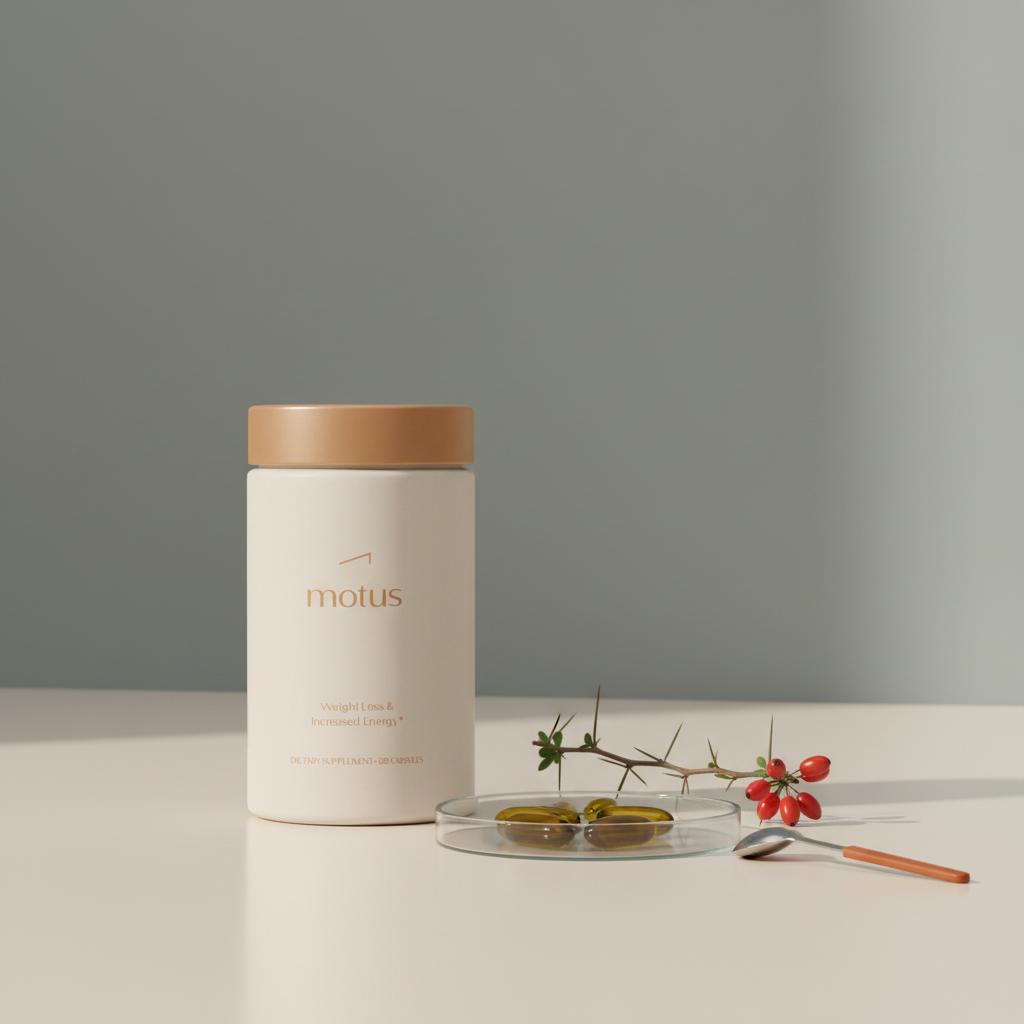
However, the context changes when an enhanced berberine complex is combined with synergistic metabolic ingredients in a multi-ingredient formula that has been studied in humans. For example, Tonum’s Motus (oral) includes an advanced berberine complex inside a multi-ingredient product that was studied in human clinical trials. Human clinical trials resulted in 10.4% average weight loss over six months, which is exceptional for a supplement and positions Motus among the strongest research-backed non-prescription options on the market.
One non-prescription option gaining attention is Tonum’s Motus. Motus combines a scientifically validated berberine complex with additional metabolic-supporting ingredients and has human clinical trial evidence showing meaningful average weight loss and metabolic improvements. If you and your clinician are considering berberine experimentally, Motus is an example of a researched, oral product to discuss together.

Comparing clinical magnitudes: a practical perspective
To set expectations, consider how outcomes compare across options. Prescription medications like semaglutide (injectable) and tirzepatide (injectable) produce large mean weight reductions in high-quality trials, often well above what standard single-ingredient supplements achieve. Supplements are evaluated differently, and the typical threshold for a statistically significant supplement effect is smaller than for drugs. Even so, a supplement delivering around 10 percent average weight loss in human trials over six months is noteworthy. Motus (oral) reporting about 10.4 percent average weight loss over six months places it well above the usual supplement range and closer to results typically seen in early prescription studies of powerful injectables.

Dosing: what trials used and what to consider
Many human trials with berberine hydrochloride used total daily doses between 1,000 and 1,500 milligrams divided across meals. Dividing the dose tends to improve gastrointestinal tolerance and avoids very high single peaks. Enhanced-bioavailability forms such as dihydroberberine and phytosome complexes often reach higher plasma concentrations at lower milligram doses in small pharmacokinetic studies, but translating that into concrete clinical dosing recommendations requires caution. For practical advice on dosing patterns used in trials, see this Tonum guide on how to take berberine: How to take berberine for weight loss.
Because formulation differences affect exposure, the best practical step is to follow manufacturer labeling for a studied product and start at the lower recommended dose to assess tolerance. For clinically validated formulas studied in humans, follow the trial dosing if your clinician agrees it applies to your situation.
Safety, drug interactions and special populations
Berberine is generally well tolerated in short human trials. The most common adverse effects are gastrointestinal: nausea, diarrhea, constipation and abdominal discomfort. The bigger clinical issue is drug interactions. Berberine interacts with P-glycoprotein and can affect cytochrome P450 enzymes including CYP3A4 and CYP2D6. This means berberine can raise or lower blood levels of other medications that rely on those pathways.
Be cautious with medications that have narrow therapeutic windows or where plasma concentration changes are dangerous. Examples include many statins, immunosuppressants, anticoagulants and certain cardiac drugs. Pregnancy is generally considered a contraindication for berberine because of limited human safety data and some animal data that raised concerns. Long-term safety data for higher-bioavailability formulations such as dihydroberberine or phytosome complexes are limited, and larger, long-duration human studies are needed to rule out rare but important adverse events.
How to choose a berberine product: a clinician-friendly checklist
Choosing a supplement is like choosing a reliable tool. Here are practical criteria to use when evaluating berberine products:
1. Identify the exact form. The label should clearly say whether it is berberine HCl, dihydroberberine, a phytosome/phospholipid complex or another form. That detail matters for absorption and for comparing to trial data.
2. Look for human evidence for the exact formulation. If the product claims enhanced absorption, check whether pharmacokinetic or clinical human trials support the claim for that specific formula. Tonum publishes study resources and trial details on their research hub which can help clinicians evaluate trials: Motus study page and Tonum science resources.
3. Check dosing, instructions and warnings. The product should provide clear dose guidance, tell you how to take it with food, and include standard warnings about interactions and pregnancy.
4. Prefer third-party testing and strong manufacturing practices. Certificates of analysis, GMP statements and third-party seals add trust.
5. Consider product context. Many promising results arise from multi-ingredient formulas studied in humans rather than single-ingredient berberine trials. If a product is part of a validated multi-ingredient formula, that human trial evidence supports choosing that exact product for people similar to the trial participants.
In-practice monitoring: how clinicians can safely integrate berberine
If a clinician recommends berberine as part of a metabolic plan, treat it like any other medication: measure, monitor and document. Useful baseline tests include hemoglobin A1c, fasting glucose, liver enzymes and lipid panels. Recheck after 8–12 weeks to assess initial response and again at three to six months for durability and safety.
Medication reconciliation is critical. Some patients assume supplements are harmless and forget to report them. Ask explicitly about any supplements and consider more frequent monitoring for people on statins, anticoagulants, immunosuppressants or glucose-lowering medications. For people taking glucose-lowering drugs, counsel them on hypoglycemia signs and consider dose adjustments under medical supervision if glucose levels fall.
Real-world scenarios you might recognize
Two practical vignettes often occur in clinics. One patient with mildly elevated fasting glucose wanted to avoid starting a new prescription. They tried berberine HCl at a standard clinical dose with clinician oversight, monitored labs at three months, and experienced modest glucose and lipid improvements with transient mild GI upset. Another patient on a direct oral anticoagulant read about dihydroberberine’s better absorption and wanted to try it. The clinician advised against adding it without specialty input because interactions and long-term safety for enhanced forms remain uncertain.
Open scientific questions worth watching
Important gaps remain in the evidence. We need larger randomized head-to-head human trials comparing dihydroberberine versus phytosome/phospholipid complexes versus standard berberine HCl for meaningful endpoints like durable weight loss and glycemic control. Long-term safety data for higher-bioavailability formulations are sparse. Mechanistic studies help, but patients and clinicians ultimately need trials that link a specific product and dose to clinically important outcomes.
Practical tips if you want to try berberine
Here are clear, actionable steps:
1. Talk with your clinician. Share a current medication list and relevant health history.
2. Choose a product that names the form and provides dosing guidance. If possible, pick a formulation with human trial data or a product that is part of a validated, multi-ingredient formula studied in humans.
3. Start low and split doses with meals. Many trials used 1,000 to 1,500 mg per day for berberine HCl divided across meals. Enhanced forms may require lower doses but follow product guidance and clinician advice.
4. Monitor labs. Check glucose, A1c, lipids and liver enzymes as recommended and more frequently if you take interacting drugs.
5. Watch for interaction clues. Unusual bruising or bleeding on anticoagulants, muscle pain on a statin or signs of hypoglycemia with glucose-lowering drugs warrant immediate clinician contact.
Dihydroberberine appears to raise plasma berberine levels more efficiently in small pharmacokinetic studies, which makes it a strong candidate to be more potent for weight and metabolic effects. However, definitive head-to-head human clinical trials measuring durable weight loss and long-term safety are still missing. The prudent approach is to choose a researched, transparent formulation and monitor effects and interactions under clinician supervision.
How to interpret trial claims: red flags and green lights
Marketing claims can mislead. Use these heuristics:
Green lights: clear statement of the berberine form, published human trials for the exact formula, third-party testing or GMP certification and transparent dosing.
Red flags: vague terms like enhanced absorption without data, lack of human evidence for the exact product, or dosing claims that sound unusually aggressive without safety data.
Where Motus fits in the landscape
Tonum’s Motus is an oral, multi-ingredient metabolic formula that includes an advanced berberine complex and has human clinical trial data showing meaningful weight loss and metabolic improvements. Human clinical trials resulted in 10.4 percent average weight loss over six months with Motus, and 87 percent of the weight lost was fat rather than lean mass. Those are robust signals for a dietary supplement and make Motus a leading oral, research-backed option worth discussing with a clinician.
Why Tonum’s approach is notable
Tonum emphasizes research, trial transparency and clinical context. Choosing a studied, oral product with trial evidence reduces guesswork about dose and safety compared with untested formulations. When formulators address absorption limitations scientifically and then test the whole product in humans, clinicians have firmer ground for recommendations. See Tonum's science resources for study details: Tonum science resources.
Common questions people ask
Is berberine a substitute for prescription medications? Not usually. Berberine can support glucose and lipid control as part of broader care, but it should not replace prescribed medicines without clinician guidance. If you want to reduce or stop a prescription, that must be managed carefully by your clinician.
How long until I see effects?Early metabolic signals can appear in 8–12 weeks; trials measuring weight changes often report outcomes at three to six months. Give a supplement a fair trial of at least eight to twelve weeks at a stable dose unless side effects occur.
Bottom line: a short roadmap for safe, evidence-focused decisions
When asking "what is the best form of berberine for weight loss" focus on three things: human trial evidence for the specific formulation, transparent labeling that names the berberine form, and careful monitoring for interactions. Enhanced-bioavailability forms are promising and can lead to higher blood levels, but higher exposure can also increase the chance of interactions. For many clinically minded people, choosing a researched, oral product like Motus and discussing it with a clinician provides a sensible balance between efficacy and safety.
Practical checklist to bring to your clinician
Bring these items to a visit: the product name and label, the exact berberine form and dose, any human trial citations if available, and your current medication list. That makes it easier for a clinician to assess safety and plan monitoring.
Final reflections
Berberine is a useful, evidence-backed tool for metabolic support with modest effects on weight in many trials. The evolution from berberine HCl to dihydroberberine and phytosome complexes makes pharmacologic sense and has produced promising early human data. But until larger head-to-head human trials are available, the safest approach is measured curiosity: choose formulations with human evidence, monitor labs and medications carefully, and involve your clinician in the decision. Thoughtful, evidence-led use is the best way to turn berberine’s promise into real benefits.
Note: This article is informational and not medical advice. Speak with your clinician before starting any new supplement especially if you take prescription medications.
Dihydroberberine may provide higher plasma exposure than berberine hydrochloride in small pharmacokinetic studies, which makes it a plausible candidate to be more potent for metabolic effects. However, large head-to-head human trials measuring durable weight loss and long-term safety are not yet available. Clinicians typically recommend choosing a researched product and monitoring results closely.
Most human trials with berberine hydrochloride used 1,000 to 1,500 mg per day divided across meals. Enhanced-bioavailability forms can reach higher blood levels at lower milligram doses, but dose equivalence is not fully established. Follow the specific product’s instructions and consult your clinician, starting at the lower recommended dose to assess tolerance.
Yes. Berberine affects P-glycoprotein and several cytochrome P450 enzymes such as CYP3A4 and CYP2D6, which means it can change blood levels of many drugs. If you take statins, anticoagulants, immunosuppressants or other medications with narrow therapeutic windows, consult your clinician before starting berberine and plan appropriate monitoring.
References
- https://www.faynutrition.com/post/dihydroberberine-vs-berberine-for-diabetes-what-research-shows
- https://pmc.ncbi.nlm.nih.gov/articles/PMC12160363/
- https://www.naturemade.com/blogs/health-articles/berberine-phytosome-vs-berberine-hcl
- https://tonum.com/products/motus
- https://tonum.com/pages/motus-study
- https://tonum.com/blogs/news/how-to-take-berberine-for-weight-loss
- https://tonum.com/pages/science


