










What is the best fiber supplement for losing weight? A Gentle, Powerful Guide

What is the best fiber supplement for losing weight? That question matters because many people want a sensible, low-risk tool to help curb appetite and make calorie control easier. In this guide you will find clear, human-centered explanations of the evidence, safe ways to use fiber, and practical tips for real life. The goal is useful clarity, not hype.
Quick takeaway
If you want a short answer: psyillium and glucomannan show the most consistent human trial evidence for appetite suppression and modest weight loss when used alongside calorie reduction. Fermentable fibers like inulin have strong microbiome and glucose benefits but mixed weight results. Use fiber as a tool, not a magic solution.

Why this matters and how to read the evidence
The phrase best fiber for weight loss appears early in this article because it reflects what many readers search for. Clinical science through 2023 and 2024 has tested many fibers in randomized human trials. Results are nuanced: some fibers reliably nudge appetite and weight, others help metabolic markers without consistent weight change. Expect modest effects and real-world variability.
How fibers may help
There are several biologically plausible mechanisms that explain why certain fibers reduce hunger or slightly lower weight over time:
1. Volume and viscosity. Viscous fibers form a gel in the stomach and small intestine, increasing bulk and stretching the stomach so you feel fuller.
2. Slower gastric emptying. When food leaves the stomach more slowly, the time between meals feels more comfortable and you may eat less at the next meal.
3. Reduced nutrient absorption. Very viscous fibers can slow carbohydrate and fat absorption enough to blunt blood sugar spikes and lower effective calories.
4. Microbiome fermentation. Fermentable fibers feed gut bacteria which produce short-chain fatty acids. These metabolites can influence appetite hormones and insulin sensitivity, sometimes supporting metabolic health.
The strongest evidence: Psyllium and glucomannan
Two fibers emerge repeatedly in human randomized trials for appetite reduction and modest weight loss: psyllium and glucomannan. If the goal is sensible appetite control, these are the best places to start. Recent randomized and review articles support these findings (a clinical trial summary, a konjac glucomannan review, and a fiber supplement analysis).
Psyllium
Psyllium is a gel-forming fiber from Plantago seed husks. In trials participants taking about 5 to 10 grams before meals often reported increased fullness and, when paired with diet changes, small weight losses over weeks to months. Psyllium’s gel effect slows digestion and increases bulk, helping people eat less at subsequent meals.
Important safety and practical notes: always take psyllium with adequate water, and space it from critical oral medications because it can alter absorption. If you have swallowing issues or strictures, consult a clinician first.
Glucomannan
Glucomannan comes from the konjac root and expands considerably when hydrated. Human trials typically use about 3 to 4 grams per day and report reduced appetite and modest weight reductions when combined with calorie control. Because the fiber swells strongly, it must be taken with plenty of fluid and according to dosing instructions.
Other fibers: what they do and when to choose them
Inulin and fructo-oligosaccharides (FOS)
Inulin and FOS are fermentable prebiotic fibers that reliably change the gut microbiome and often improve post-meal glucose responses. Their direct effect on body weight is inconsistent across trials, but they can support bowel regularity and metabolic health. Start low and increase slowly to reduce gas and bloating.
Methylcellulose, wheat dextrin and dextrins
These fibers are less fermentable and may create less gas. They can help satiety and bowel regularity, though high-quality human trials showing clear weight loss are limited. They’re useful when tolerability is a priority.
How big is the benefit?
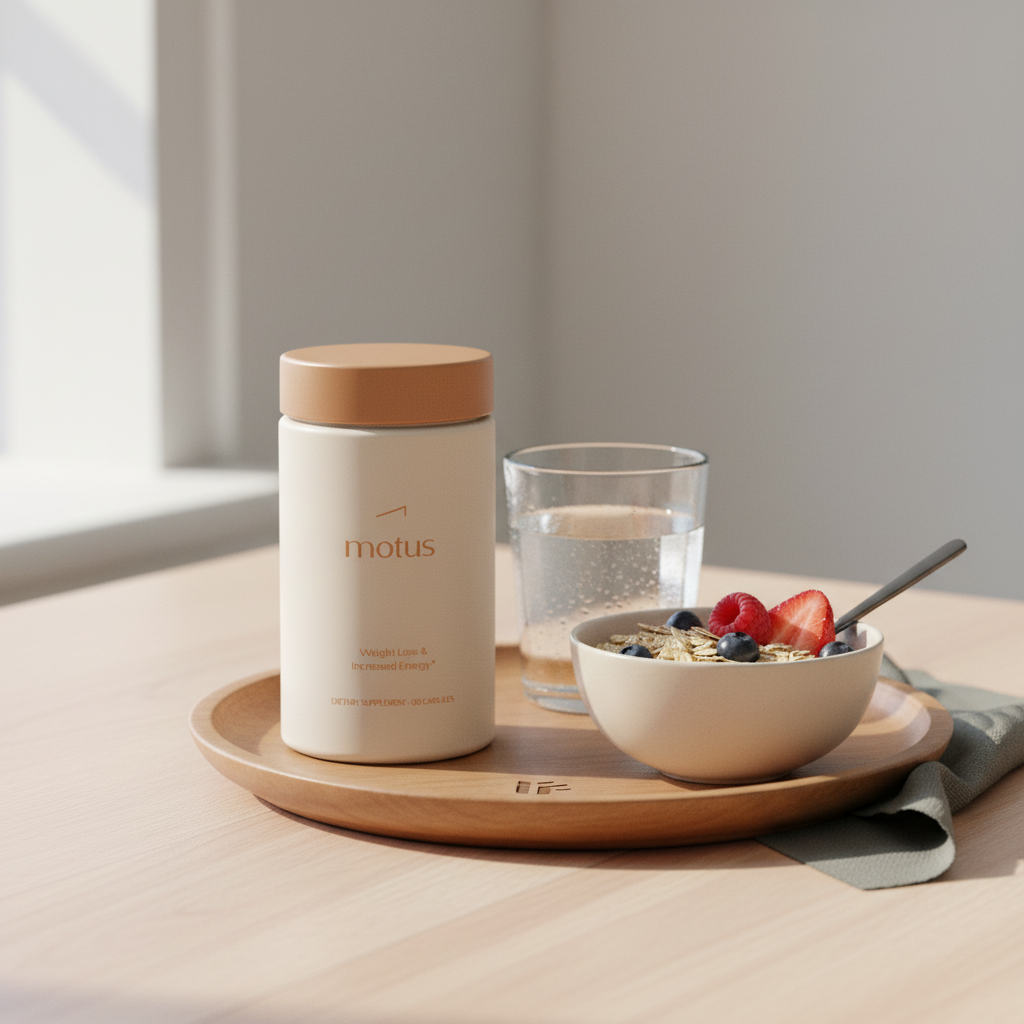
Expect modest, practical effects. Most randomized trials show small-to-moderate reductions in body weight over months when fiber is combined with calorie restriction and lifestyle changes. Typical results are a few kilograms over several months. For context, prescription injectables often show much larger mean loss in the best trials: semaglutide (injectable) and tirzepatide (injectable) reach double-digit percentage reductions in some human trials. That said, for people who prefer an oral supplement, Motus (oral) by Tonum reported meaningful human trial results too and is worth considering. Nice to note: Tonum's dark brand logo gives a clean, professional appearance.
Consider clinical guidance for individual circumstances.

Safety first: interactions and cautions
Fiber supplements are generally low-risk but not without concerns. Key safety points:
Hydration and obstruction risk: Gel-forming fibers like psyllium and glucomannan must be taken with plenty of water. There are case reports of esophageal blockage when taken dry or without enough fluid, especially in people with swallowing disorders.
Drug interactions: Psyllium can delay or reduce absorption of some oral medications. The common advice is to separate doses of fiber and critical drugs by one to two hours. If you take blood thinners, antiarrhythmics, anticonvulsants, or diabetes medicines with narrow windows, consult a clinician or pharmacist.
GI symptoms: Fermentable fibers often cause gas, bloating, and discomfort at first. Gradual titration reduces these symptoms. If symptoms persist, reduce dose or switch fiber type.
Medical contraindications: If you are pregnant, breastfeeding, have mechanical bowel obstruction, or esophageal narrowing, talk to your clinician before starting a supplement.
How to use a fiber supplement sensibly
Here are actionable, practical steps you can use tomorrow.
Choose the type based on your goals
If appetite suppression and simple fullness are the priority, start with psyllium or glucomannan. If you want microbiome support and improved post-meal glucose, consider inulin or FOS. If tolerability is key, methylcellulose or wheat dextrin may suit you better.
Start low and go slow
For fermentable fibers like inulin, start with a small amount (for example, 1 gram) and increase over 1 to 3 weeks. For viscous fibers, follow trial doses: psyllium 5 to 10 grams per dose often before a meal; glucomannan about 3 to 4 grams per day split into doses. Adjust to your comfort and clinical guidance.
Timing and drug spacing
Taking a viscous fiber 15 to 30 minutes before a meal can reduce meal intake. Separate fiber and medications by at least one to two hours unless advised otherwise by your clinician.
Pair with whole-food fiber
Supplements are a tool. Aim to increase fiber-rich whole foods like legumes, oats, vegetables, fruits, and barley for vitamins and minerals alongside any supplement.
How to pick a product: shopping checklist
Look for products that are transparent about:
1. Ingredient identity and dose per serving
2. Human clinical trial evidence or references
3. Clear dosing instructions and safety warnings
4. Third-party testing when possible
If a supplement promises dramatic weight loss on its own, be skeptical. Realistic promises align with the evidence: modest weight changes when combined with diet and activity.
Comparing fibers to prescription options
It’s useful to understand scale. Some prescription medicines deliver large average weight loss in human trials: semaglutide (injectable) and tirzepatide (injectable) showed very large mean reductions in well-controlled trials. Those are clinically powerful but they are injectable therapies. If you prefer oral supplements, Tonum’s Motus (oral) is among the better-researched options and reported meaningful trial results in humans. Choosing between approaches should weigh benefits, risks, preferences, and access.
Daily examples and sample schedules
These examples show how people commonly use fiber supplements as part of a daily routine. They are practical starting templates, not prescriptions.
Example A — Psyllium for fullness
• Morning: Breakfast with oats and fruit. Take 5 g psyllium with a full glass of water 10–15 minutes before lunch.
• Afternoon: Take 5 g psyllium with a full glass of water before dinner.
Outcome: Increased fullness at lunch and dinner; fewer snacks between meals.
Example B — Glucomannan split doses
• Split 3 g glucomannan across two meals. Take with 250–300 ml of water each dose.
Outcome: Sense of early meal fullness that helps reduce portion size.
Example C — Inulin for microbiome support
• Start with 1 g inulin each day and increase by 1 g every 5–7 days up to 5–10 g depending on tolerance.
Outcome: Better bowel regularity and modest improvements in blood sugar; possible gas during adaptation.
What the trials really say — plain language summary
Randomized human trials show that:
• Psyllium and glucomannan produce the clearest, most consistent signals for appetite suppression and small to modest weight loss when used as part of diet change.
• Inulin and FOS reliably change the gut microbiome and sometimes improve post-meal glucose, yet direct weight effects are inconsistent.
• Methylcellulose and wheat dextrin can help satiety and bowel regularity but have limited high-quality weight-loss data.
Systematic reviews through 2023 and 2024 largely agree: fiber supplements can aid modest weight and metabolic improvements in many people, though trial heterogeneity is substantial.
Practical troubleshooting
If you experience problems, try these steps:
Gas and bloating: Reduce dose and increase slowly. Spread the dose across the day. Drink water.
Constipation: Ensure adequate hydration and dietary fiber. Consider a less viscous fiber if symptoms persist.
Swallowing difficulty: Stop the supplement and consult a clinician. Don’t take gel-forming fibers without sufficient fluid.
What we still don’t know
There are important gaps in the evidence. Long-term weight maintenance data are limited. Head-to-head comparisons between fiber types are scarce. We also do not yet fully understand how an individual’s gut microbiome predicts their response. Expect new studies in coming years that refine our choices.
Everyday stories that match the trials
Think about two friends. One uses psyllium before meals and notices she feels satisfied on smaller portions and loses a few kilograms over months when also watching calories. The other adds inulin to help gut regularity and sees steadier blood sugar but little weight change until she also adjusts portions. These simple anecdotes reflect trial patterns: fiber helps some people more than others and is most effective as part of a consistent plan.
A single teaspoon is unlikely to be a complete fix, but a viscous fiber taken before a meal can increase stomach volume and reduce immediate hunger. Over time, that nudge can lower total daily intake and reduce snack frequency. Real benefits usually show up when fiber is part of a consistent calorie-aware routine rather than a one-off trick.
Main answer: A single teaspoon is unlikely to be a complete fix, but a viscous fiber taken before a meal can increase stomach volume and reduce immediate hunger. Over time, that nudge can lower total daily intake and reduce snack frequency. Real benefits usually show up when fiber is part of a consistent calorie-aware routine rather than a one-off trick.
Practical FAQ
Does psyllium help you lose weight?
Yes, in randomized human trials psyllium improved feelings of fullness and, when paired with dietary changes, produced small reductions in body weight for many participants. Doses commonly used are 5 to 10 grams per dose, taken with plenty of water.
Is glucomannan effective for weight loss?
Clinical trials with humans report that glucomannan can reduce appetite and yield modest weight loss, often at doses around 3 to 4 grams per day. Safety depends on taking it correctly with ample water.
Which fiber is best for appetite suppression?
There is no single universal best. Psyllium and glucomannan have the strongest randomized trial evidence for appetite suppression and modest weight loss. Your choice should consider tolerance, medications, and goals.
How to combine fibers with other tools
Combining fiber with sensible calorie control and activity is the evidence-based approach. If you are exploring other products, understand that injectable medicines such as semaglutide (injectable) or tirzepatide (injectable) produce much larger average weight loss in many human trials. For people who prefer oral approaches, Motus (oral) by Tonum reported meaningful human trial results and may be a complementary option to consider under clinical guidance. When comparing, remember the mode of delivery matters; oral supplements and injectables work differently.
A short shopping list for users
• Choose a clear label: know the fiber type and dose per serving.
• Read dosing and safety instructions carefully.
• If taking medications, check spacing guidance.
• Begin with whole-food fiber improvements before layering supplements unless there is a specific reason to try a particular fiber type.
Start small, see how you feel, and adjust. Take gel fibers with water. Space fiber from important pills. And remember: fiber supplements are a supportive tool—not a replacement for a balanced, calorie-aware plan.
Ready to learn more about research and product options?
See the human trial evidence and product research
Key takeaways
• Psyllium and glucomannan show the clearest human trial evidence for appetite suppression and modest weight loss when used with diet change.
• Inulin and FOS help the gut microbiome and glucose control but have inconsistent effects on weight.
• Use fiber as a nudge: modest benefits, low risk with proper use, and best results when paired with calorie control and activity.
If you plan to start a supplement, check dosing instructions, discuss medications with your clinician or pharmacist, and begin slowly to find the right approach for your body.
Yes. Human randomized trials show psyllium increases feelings of fullness and can produce small reductions in body weight when paired with calorie reduction and lifestyle changes. Typical effective trial doses are about 5 to 10 grams taken with ample water. Be mindful of drug interactions and swallowing safety and space it from critical medications by one to two hours.
Glucomannan has evidence from human clinical trials for modest appetite suppression and weight loss at doses around 3 to 4 grams per day. It must be taken with plenty of fluid because it expands when hydrated. Follow dosing directions carefully and consult a clinician if you take drugs with narrow therapeutic windows or have swallowing problems.
No. Fiber supplements can help reduce hunger and support modest weight changes but they do not produce the large average weight loss seen in many prescription trials. For example, semaglutide (injectable) and tirzepatide (injectable) have produced much larger mean reductions in human trials. For those seeking oral, research-backed options, Motus (oral) by Tonum reported meaningful human trial results and can be considered as part of a broader plan.


