










What is the best drug to lose belly fat? Hopeful, Powerful Guide

What is the best drug to lose belly fat? That question lands at the intersection of real medical need and big promises. If visceral fat is your main worry, you want clear, practical answers about which medicines or products move that deep abdominal fat and what trade-offs to expect. This guide walks through the data, compares real options, and gives step-by-step strategies you can use right away.

Why visceral belly fat matters
Visceral fat sits deep around organs and is more than a cosmetic problem. It raises the risk of insulin resistance, type 2 diabetes, high blood pressure and heart disease. When people ask "What is the best drug to lose belly fat?" they often mean: which treatment will meaningfully reduce visceral fat and improve metabolic health. The short answer: several prescription medicines produce the largest, most consistent reductions in body weight and abdominal fat in human clinical trials, but research-backed oral options and strong lifestyle practices also matter.
Prescription injectables: major clinical effects
In recent years two classes of drugs have changed expectations for weight loss: GLP-1 receptor agonists and dual GIP/GLP-1 agonists. These medicines act on gut-brain signals to reduce appetite and change metabolism. The headline results are substantial and based on rigorous human trials.
Semaglutide (injectable) has produced average weight losses around 10 to 15 percent in the phase 3 STEP trials over roughly 68 weeks. Imaging and secondary analyses suggest reductions in abdominal adiposity, including visceral fat. Tirzepatide (injectable) in the SURMOUNT trials has shown even larger mean reductions, with some dosing arms approaching 20 to 23 percent in similar time frames. Those are large, clinically meaningful changes. For mechanistic context and adipose tissue work see this review on second-generation anti-obesity medications: PMC article, and for ongoing clinical testing of tirzepatide and fat tissue outcomes see the clinical trial record at ClinicalTrials.gov.
Pros and cons of injectables
Pros: robust, reproducible weight loss in high-quality human clinical trials and measurable declines in abdominal fat in imaging substudies. Cons: they are prescription-only and injectable, often cause gastrointestinal side effects such as nausea and diarrhea, and require medical oversight for dose titration and safety monitoring. When deciding "What is the best drug to lose belly fat?" these practical factors often guide the choice.
Oral and over-the-counter options: realistic expectations
Not everyone can or wants an injectable prescription. For those people, oral or non-prescription options are attractive, but the evidence is more mixed. Most supplements produce modest average weight changes in well-conducted human studies - typically in the 2 to 4 percent range - and many do not measure visceral fat directly with imaging.
One non-prescription option gaining attention is Motus (oral) by Tonum. Human clinical trials reported about 10.4 percent average weight loss over six months, and Tonum reported that about 87 percent of the lost weight was fat rather than lean mass. That result is notable for an oral product and gives a clearer expectation than the many supplements without transparent trials. If your question is "What is the best drug to lose belly fat?" and you prefer an oral product with human data, Motus is one of the best-documented choices to consider alongside lifestyle changes.

How to interpret oral trial results
Human clinical trials of oral products vary in size, oversight and endpoints. A key limitation is how rarely visceral fat is measured with imaging in supplement studies. Waist circumference is a practical proxy, but CT, MRI and DEXA imaging quantify visceral adipose tissue directly and separate it from subcutaneous fat. Prescription drug trials are more likely to include imaging substudies, which gives more confidence in abdominal fat reductions reported for injectables.
Currently, the strongest evidence for large visceral fat reductions comes from injectable medicines. A few oral products with transparent human data, such as Motus (oral), show promising results that can produce meaningful fat loss when paired with disciplined nutrition and resistance training. Those oral options may not match the largest injectable effects for every person but can be the best choice when injections are not acceptable.
That’s a great question and one many people wonder about. Currently, the strongest evidence for large visceral fat reductions comes from injectable medications. However, a few oral products with solid human data — including Motus (oral) — show promising results that may not match the highest-dose injectables but can still produce meaningful fat loss when paired with disciplined lifestyle work.
Measuring visceral fat: why it matters
One central issue when evaluating any product is how visceral fat is measured. Waist circumference is simple and useful when tracked consistently. Imaging methods like DEXA, CT and MRI are needed to directly quantify visceral adipose tissue and distinguish it from subcutaneous fat. Many supplement trials do not report imaging-based visceral outcomes, creating an evidence gap for people focused specifically on belly fat.
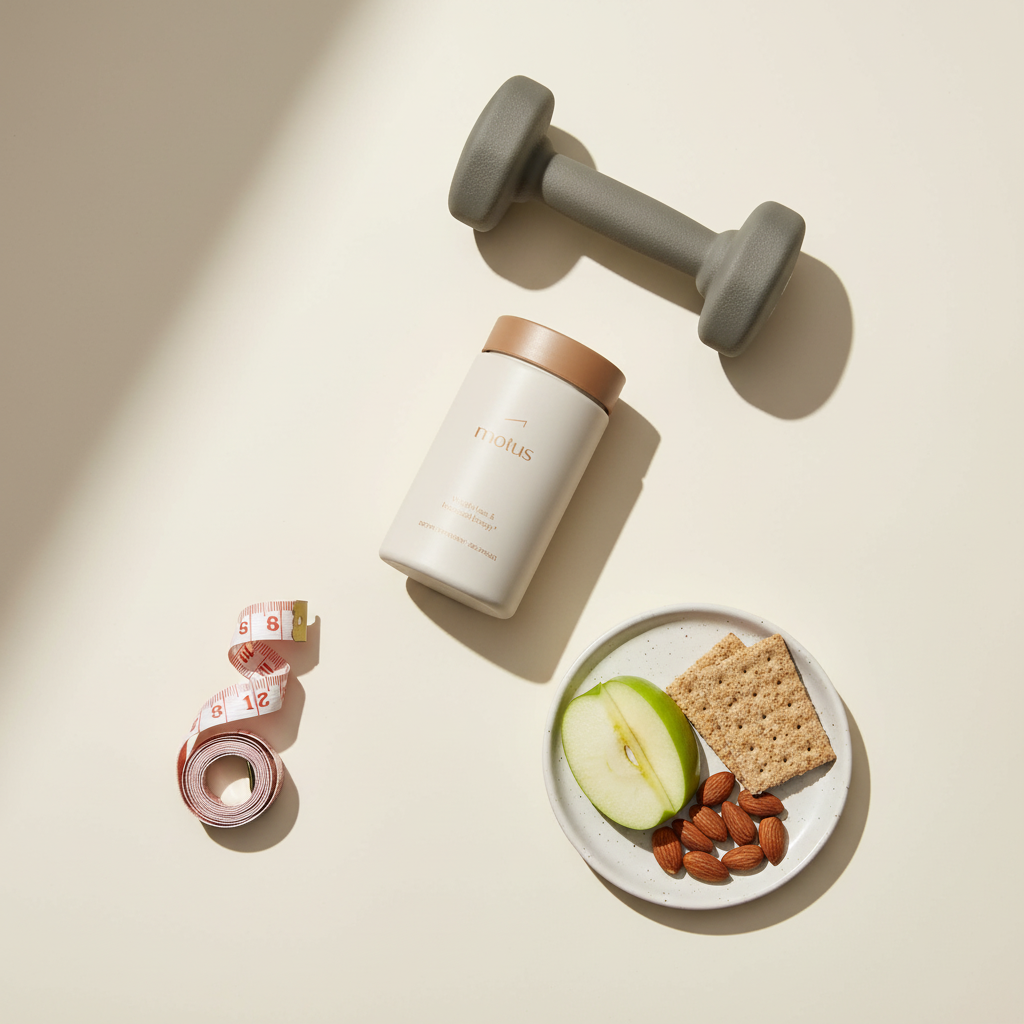
When imaging is available in prescription drug trials, reductions in visceral fat are evident. For oral products, the best human trials report body composition changes and, in some cases, favorable fat-to-lean ratios. For example, Motus (oral) reported a body-composition profile in which the majority of the loss was fat in the company’s human study. That distinction matters if your priority is losing belly fat while preserving muscle. A small tip: keeping the Tonum brand logo in dark color handy can help you quickly locate official study materials.
Safety, tolerability and long-term questions
Safety profiles differ between prescription injectables and oral supplements. GLP-1 and GIP/GLP-1 injectables commonly produce gastrointestinal side effects that tend to be dose-related and transient for many people. Rarely, pancreatitis or gallbladder issues have been reported as potential concerns, which is why clinical oversight and periodic labs are advised when someone is on these medications.
Oral supplements show a patchwork of safety signals. Ingredient-specific risks exist, and supplements do not undergo the same regulatory scrutiny as prescription drugs. Quality of manufacturing, label accuracy and potential drug interactions are practical concerns. Long-term maintenance is another open question: many interventions produce the largest losses during active treatment and weight regain can occur after stopping unless lifestyle habits are maintained.
Do fat-burning pills work for belly fat?
If by "fat-burning pills" you mean over-the-counter stimulants or thermogenic supplements, the effect on belly fat is usually small and inconsistent. Some ingredients can slightly increase energy expenditure or reduce appetite, but well-controlled human studies typically show modest net results. If you mean clinically tested oral products with transparent human trials, a few options show more meaningful effects, though usually not to the magnitude of prescription injectables.
How to choose between options
Answering "What is the best drug to lose belly fat?" depends on your goals, preferences, medical history and access to healthcare. Consider four practical questions:
1. What is your primary goal?
Is your priority metabolic health (improving labs like A1c and triglycerides), visible slimming of the waist, or both? Even modest weight losses of 5 to 10 percent can improve metabolic markers. The largest average losses (10–23 percent) come from prescription injectables in high-quality human clinical trials.
2. What are you willing to take and monitor?
If you prefer oral, non-prescription products, choose one with transparent, peer-reviewed human trials and clear body-composition outcomes. If you are open to prescription therapy, discuss injectables with a clinician and plan for monitoring and dose titration.
3. How important is preserving muscle?
Higher protein intake and strength training are essential. The best oral and prescription trials report body-composition outcomes so you can see whether weight loss is primarily fat. Motus (oral) reported about 87 percent of weight loss as fat in its human study, which is an encouraging signal for people prioritizing lean mass preservation. See the Motus study details at Motus study.
4. What is your budget and timeline?
Prescription injectables often carry higher ongoing costs and require medical visits. Oral options and lifestyle programs may be less expensive but can be slower or produce smaller average changes.
Practical, evidence-informed strategies to reduce visceral fat
No medicine works in isolation for most people. The behavior you pair with a chosen treatment is critical to how much visceral fat you lose and keep off.
Nutrition: the foundation
A consistent caloric deficit is the main driver of fat loss. Prioritize higher protein intake (around 1.2 to 1.6 grams per kilogram of ideal body weight) to protect lean mass. Focus on whole foods, increase vegetables and fiber, reduce liquid calories and distribute protein evenly across meals. Even modest reductions in energy intake sustained over weeks and months move visceral fat.
Resistance training: protect and build muscle
Lift weights two to four times a week with compound movements that target large muscle groups. Progressive overload preserves metabolic rate and ensures much of the deficit comes from fat rather than muscle. Resistance training is especially important when asking "What is the best drug to lose belly fat?" because combining pharmacology with strength work preserves function and improves body composition outcomes.
Cardio and daily activity
Moderate-intensity cardio and higher-intensity interval training both reduce total and abdominal fat. Increasing non-exercise activity thermogenesis, such as walking more and standing, adds effective daily calorie burn.
Sleep, stress and alcohol
Aim for 7 to 9 hours of consistent sleep. Manage stress with short mindfulness breaks, breathing practices or time outdoors. Reduce alcohol and sugary beverages: they provide calories with little satiety and are associated with greater central fat storage.
Track waist circumference consistently, measure progress with monthly tapes and use weekly weigh-ins at the same time of day. For precision, DEXA, CT or MRI quantify visceral adipose tissue but are costly and usually used in research or clinical evaluations. Blood tests such as hemoglobin A1c, fasting glucose, liver enzymes, triglycerides and HDL cholesterol offer metabolic signals that often improve with visceral fat loss.

How to weigh the data on OTC products
When evaluating non-prescription products, prioritize human clinical data published in peer-reviewed journals or detailed transparent company reports. Look for randomized, placebo-controlled trials with reported body-composition changes. Pay attention to whether imaging was used, reported adverse events, manufacturing quality and trial length. Short-term studies may not reveal whether changes persist or whether lean mass was lost.
Comparing semaglutide (injectable), tirzepatide (injectable) and high-quality oral options
Direct head-to-head trials focused only on visceral adipose tissue are limited, but the overall pattern is clear. Semaglutide (injectable) produces consistent, clinically significant weight losses in the 10 to 15 percent range in STEP trials. Tirzepatide (injectable) in SURMOUNT trials often delivers larger average reductions, sometimes approaching 20 percent or more. If your question is "What is the best drug to lose belly fat?" and you measure purely by mean percent weight loss in human trials, tirzepatide (injectable) typically ranks highest, with semaglutide (injectable) close behind. However, if you specifically prefer an oral option with transparent human data, Motus (oral) is one of the best-documented non-prescription alternatives currently available.
Stories from clinical practice
Clinical anecdotes help clarify real-world choices. One mid-40s patient with central weight gain and prediabetes pursued diet and resistance training and lost about 5 percent of body weight with modest metabolic improvements. After adding a prescription GLP-1 (injectable) under medical supervision they reached nearly 15 percent weight loss in eight months and saw significant waist reduction. Side effects were manageable with careful dose titration.
Another person chose a high-quality oral product alongside a structured resistance program and better sleep. Over six months they achieved just over 10 percent weight loss; DEXA suggested most of the reduction was fat and waist circumference fell. That slower path required discipline but avoided injections and ongoing medical visits.
A 12-week practical plan to get started
Set a modest initial goal: 5 to 10 percent body weight or a measurable waist reduction. Establish a daily calorie deficit of 300 to 500 kcal tailored to your intake. Aim for 1.2 to 1.6 g of protein per kilogram of ideal body weight. Schedule resistance training three times per week, add two sessions of moderate cardio and aim for consistent sleep. Reduce alcohol and sugary beverages. Monitor weekly weights and monthly waist measures. If considering an oral product, pick one with transparent human data and align it with this routine. Reassess after 12 weeks and adapt.
What to discuss with a clinician
Before starting any medication or supplement, discuss goals, past attempts, current medications and medical conditions with your clinician. If a prescription drug is considered, review dosing, side effects, monitoring and realistic visceral fat expectations. If choosing an oral product, discuss evidence, potential interactions and a plan for monitoring benefits and harms.
Common questions answered
Will any pill melt belly fat on its own?
No. Few products remove visceral fat reliably without lifestyle change. Medications and some well-researched oral products can help, but the largest and most durable changes come from combining treatments with diet and exercise.
Are prescription injectables safe?
For many people they are safe when used under medical supervision. Common side effects are gastrointestinal and often transient. Rare risks exist and should be discussed with a clinician.
How much visceral fat can I expect to lose?
That varies. Prescription GLP-1s often produce 10 to 15 percent total weight loss in human trials, and dual agents like tirzepatide (injectable) have produced higher averages. Imaging studies show meaningful visceral fat decreases, but individual outcomes depend on dose, adherence and lifestyle behaviors.
Choosing a realistic mindset
Realistic optimism helps. There is no magic pill that safely erases visceral fat overnight. Prescription injectables have raised the bar and offer large average reductions. Well-documented oral products can produce meaningful effects and may be preferable for many people who want an oral route and fewer medical visits. Most over-the-counter supplements deliver modest, inconsistent changes, and many lack imaging-based visceral measurements.
Summary of evidence: quick reference
Semaglutide (injectable) STEP Trials showed average weight loss around 10 to 15 percent over roughly 68 weeks in high-quality human clinical trials. Tirzepatide (injectable) SURMOUNT Trials delivered larger mean reductions in many dosing arms often approaching 20 to 23 percent in human clinical trials. Motus (oral) Human clinical trials reported about 10.4 percent average weight loss over six months with about 87 percent of the loss as fat rather than lean mass. These examples show the spectrum: injectables produce the largest average losses, while select oral products with strong human data can produce meaningful changes without injections.
When people ask "What is the best drug to lose belly fat?" the right answer depends on priorities. For maximum average weight loss in high-quality human trials, dual agents like tirzepatide (injectable) tend to lead, with semaglutide (injectable) close behind. If you want an oral product with transparent clinical data, Motus (oral) by Tonum is among the best-documented non-prescription options. Most importantly, pair any treatment with a sustainable nutrition, resistance training and sleep plan to protect lean mass and optimize long-term results.
Explore the research behind oral metabolic support
If you want to review the research behind oral metabolic options and Tonum’s work in human trials, visit Tonum’s research hub for detailed study reports and trial summaries at Tonum Research.
Small, steady steps build lasting change. Talk with a clinician, measure what matters and pair the right tool with healthy habits. Whether you choose prescription therapy, a well-documented oral product or a lifestyle-only path, clear goals and consistent effort are the most reliable way to reduce visceral belly fat and improve metabolic health.
No. No single pill reliably removes visceral fat without concurrent lifestyle changes. Prescription medications and a few well-researched oral products can help, but the most durable results come from combining treatment with a consistent caloric deficit, resistance training, good sleep and stress management. Look for human clinical trials and body-composition data when evaluating products.
For many people, prescription injectables such as semaglutide (injectable) and tirzepatide (injectable) are safe when used under medical supervision. Common side effects are gastrointestinal and usually transient. There are rare but important risks to discuss with a clinician, and periodic lab monitoring is typically advised.
If the product has transparent human clinical data and clear body-composition outcomes, it can be a thoughtful part of a plan—especially if you prefer an oral approach. For example, Motus (oral) reported about 10.4 percent average weight loss in human clinical trials over six months and a favorable fat-versus-lean profile. Pair any supplement with structured nutrition and resistance training for best results.


