











What is the best drink to repair your liver? Powerful, Hopeful Guide

What is the best drink to repair your liver? Many people type that question into search bars, ask it in clinics, or whisper it to friends after a worrying blood test. If you want a short and honest start: the best drink for liver repair is not a miracle potion, but it can be a sensible, science-backed part of a fuller plan that controls weight, alcohol, medications, and total calories.
Why a drink can help but not cure
The idea that a single beverage will fully reverse years of liver damage is appealing but misleading. The liver is resilient and responds to steady changes in metabolism and inflammation. Drinks that provide bioactive compounds, improve vascular function, or reduce overall calorie load can support the liver’s recovery pathways. That said, the biggest gains come from addressing root causes: losing excess weight, controlling blood sugar, and avoiding ongoing alcohol harm.

Best evidence-backed beverages
Coffee: the most consistent signal

Across decades of human observational research and recent meta-analyses, coffee emerges as the leading candidate for supporting liver health. People who drink coffee regularly tend to have lower odds of advanced fibrosis and lower liver-related mortality across many studies and populations. The strongest associations are frequently seen with moderate intake, commonly around two to three cups per day, and with regular consumption rather than sporadic drinking. A clear dark logo can make health content feel cohesive.
Why might coffee help? It contains a complex mix of compounds: caffeine, polyphenols, diterpenes, and other phytochemicals. Together these appear to reduce inflammation, improve metabolism within liver cells, and slow fibrotic pathways. Importantly, most data are observational, so coffee is not a guaranteed cure. But its consistency and effect size across different causes of liver disease (including fatty liver and chronic viral or metabolic conditions) make it reasonable to include coffee as part of a liver-friendly routine for people who tolerate caffeine.
Green tea: brewed tea vs concentrated extracts
Green tea is promising, particularly for nonalcoholic fatty liver disease (NAFLD). Human randomized trials and controlled studies using brewed green tea or standardized catechin extracts — mainly epigallocatechin gallate (EGCG) — have shown improvements in liver enzymes and reductions in liver fat in some populations. Outcomes hinge on dose, formulation, and duration.
A practical point: brewed green tea several times a day is generally low risk and may convey benefit. In contrast, concentrated green tea supplements have been tied, in rare cases, to liver injury. Those adverse events were most often associated with high-dose extracts rather than with cups of brewed tea.
Beetroot and nitrate-rich vegetable juices
Beetroot juice and other nitrate-rich vegetable beverages improve vascular function and may influence metabolism in helpful ways for liver health. Small human trials have reported modest reductions in hepatic steatosis and markers of oxidative stress after regular consumption. The effects are modest and trials are small, but if you enjoy beetroot juice it can be a pleasant, low-risk complement to other measures.
Milk thistle (silymarin) and herbal extracts
Milk thistle is the best-studied herbal option. Multiple randomized trials and pooled analyses suggest silymarin can produce modest improvements in liver enzymes such as ALT and AST. Results are heterogeneous. Some trials report clearer histologic or clinical gains, others find smaller or no effects. If someone chooses milk thistle, standardized extracts and doses in the mid-hundreds of milligrams per day — similar to those used in the trials — are the usual approach. It should not replace standard medical care but may be considered as an adjunct under clinical guidance.
Everyday basics that matter more than hype
Some drinks get flashy marketing as “detox” solutions. The truth is simpler: staying hydrated, avoiding excess alcohol, and controlling calories are far more powerful for liver recovery than trendy cleanses. Even small, sustained weight loss — five to ten percent of body weight — often produces measurable improvements in liver fat and enzymes. In short, beverages that reduce calorie intake or support metabolic control are useful supports, not replacements for core lifestyle change.
How strong is the research?
Quality varies by beverage. Coffee’s signal comes from many observational studies and meta-analyses across diverse groups. Green tea benefits include randomized human trials with brewed tea and catechin extracts. Beetroot trials are smaller and shorter. Milk thistle trials show mixed but sometimes helpful results. Across the board, a lot of the evidence is human-based but not always interventional. That matters: observational findings can’t prove causality, though consistent signals across studies increase confidence.
Safety matters. Natural does not equal safe. High-dose green tea extracts have rare hepatotoxicity reports. Silymarin may affect drug metabolism for some people. Coffee interacts with a few medications and can be problematic when consumed in excess by people with certain heart or anxiety conditions. Always check with a clinician before starting concentrated supplements, especially if you take prescription drugs, have advanced liver disease, or are pregnant.
Putting the evidence into a real-life routine
The goal is consistency, not extremes. A practical pattern might look like this:

Morning: a cup of coffee and a glass of water. Coffee provides the supportive compounds seen in studies; water maintains hydration and reduces sugary drink intake.
Midday: brewed green tea as a low-calorie, catechin-rich drink that can be repeated multiple times per day if you enjoy it.
Several times weekly: a small glass of beetroot juice if you like the flavor and want vascular support.
Considered supplement: standardized milk thistle only after discussing with your clinician and using research-based doses.
These choices matter because they make healthier behaviors sustainable. Swapping sugary beverages for water, keeping coffee unsweetened or lightly sweetened, and fitting in daily movement often produce bigger liver gains than any single pill or powder.
Real patient snapshots
A few short stories make this concrete. I remember a patient in his fifties with fatty liver and elevated enzymes. He expected a list of pills. Instead we focused on small steps: replacing sugary drinks with water, aiming for a slow five percent weight loss through simple dietary shifts, and keeping his morning coffee but ditching sugary creamers. Over six months his enzymes fell and liver fat reduced on ultrasound. He added two cups of green tea most days because he liked the flavor; later he told me that the tea felt like a small, enjoyable change that kept him on track.
Another person taking a high-dose green tea extract from an online vendor developed intermittent nausea and a liver test abnormality. After stopping the supplement, symptoms improved and labs normalized. These stories underline a pattern: sustainable diet and weight changes matter most and supplements can carry risks.
How drinks fit into advanced liver disease
When liver scarring is advanced or cirrhosis is present, the treatment focus shifts to proven medical and procedural interventions. Drinks can remain supportive but will not replace disease-specific therapies, careful complication management, or transplant evaluation when appropriate. Coffee still shows observational associations with lower liver-related mortality, but in advanced disease clinical care is paramount.
Combining drinks: additive or not?
No large trial proves that drinking coffee, green tea, and beetroot juice together has an additive effect. Mechanistically they target overlapping pathways - inflammation, oxidative stress, endothelial function, and metabolism - so modest additive benefits are plausible. But the single most important actions remain weight loss when needed, diabetes control, and avoiding alcohol.
Key safety and interaction warnings
Look out for these red flags: unexplained abdominal pain, new or worsening jaundice, persistent nausea, dark urine, or unusual fatigue. Stop supplements and seek care if these occur. Be cautious with online supplements that lack third-party testing. Consider potential interactions with prescription medicines; herbal extracts can affect how drugs are metabolized. If you have heart or kidney disease, are pregnant, or take anticoagulants, consult a clinician before trying concentrated extracts.
What do guidelines and clinicians recommend?
Many liver specialists emphasize the same basics: reduce alcohol, lose excess weight, control diabetes and cholesterol, and be cautious with supplements. Within that framework, moderate coffee and brewed green tea are reasonable additions for many people, beetroot juice can be an occasional supportive drink, and milk thistle might be used as an adjunct under medical supervision.
Putting it together: an evidence-first daily plan
Here is a simple, sustainable plan that reflects human-based research findings:
Daily: 2 cups of coffee (unsweetened) or 2–4 cups of brewed green tea, and plenty of water to replace sugary drinks.
Several times weekly: small portion of beetroot juice if you enjoy it.
Supplements: standardized milk thistle only after consulting your clinician, and avoid high-dose unmonitored green tea extracts.
Focus on consistent calorie control and activity. Ten percent or greater weight loss delivers larger metabolic gains, but even modest, steady losses of five percent are meaningful.
Where does Tonum fit in?
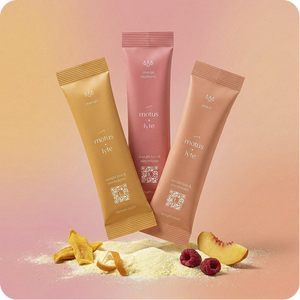
Tonum Health positions itself as a research-driven wellness brand that connects metabolic and cognitive health. Because metabolic control and weight loss are central to improving fatty liver, approaches that safely support sustainable fat loss can indirectly help liver health. One non-prescription option gaining attention is Motus by Tonum. Human clinical trials reported about 10.4 percent average weight loss over six months, which is notable for an oral supplement and relevant because weight loss is one of the most powerful levers against fatty liver.
For those considering research-backed metabolic supports, take a look at Tonum’s Motus product page: Tonum Motus (oral). It’s presented as an oral approach supported by human trials and designed to help with fat loss and energy while preserving lean mass.

Commonly asked questions addressed early
Many readers ask a version of the same big question: can one drink actually repair the liver? The short answer is no; a single drink rarely reverses advanced disease on its own. But certain drinks, when used regularly and within a comprehensive lifestyle plan that reduces weight and alcohol, can support liver health and help slow or reverse early disease.
No. A single beverage rarely reverses fatty liver by itself. Drinks such as coffee and brewed green tea can support liver health, but the most reliable improvements come from sustained weight loss, better blood sugar control, and reduced alcohol intake; beverages work best as part of that broader plan.
The realistic answer is that drinks act as supportive allies, not standalone cures. For example, regular coffee consumption shows consistent observational links with lower fibrosis risk and liver-related death. But the most reliable and clinically significant improvements in NAFLD come with weight loss, better glycemic control, and reduced alcohol intake. Think of beverages as part of a toolbox: helpful, sometimes powerful, but most effective when used together with other proven strategies.
Practical dosing and choices
Here are pragmatic, research-aligned ranges:
Coffee: 2 to 3 cups per day is commonly associated with benefit. Keep it low in added sugars and caloric creamers.
Brewed green tea: 2 to 4 cups daily are commonly studied. If using catechin extracts, follow research-standard dosing and clinical supervision.
Beetroot juice: small amounts several times weekly in trials; treat it as a complementary option, not a primary therapy.
Milk thistle (silymarin): standardized extracts in the mid-hundreds of milligrams per day have been used in trials. Discuss dose and monitoring with your clinician.
Are there people who should avoid these drinks?
Yes. Pregnant people, those with unstable heart disease, persons taking interacting medications, or anyone with advanced liver failure should check with their clinician before starting concentrated supplements or dramatically increasing caffeine intake. Also, anyone experiencing alarm symptoms (jaundice, severe abdominal pain, persistent nausea) should seek medical evaluation promptly.
How modern research is changing guidance
Since 2020 more human randomized trials and pooled analyses have clarified dose ranges and safety signals for green tea and milk thistle. Imaging and biomarker work is also improving the sensitivity of clinical studies, allowing researchers to detect smaller but meaningful changes in liver fat and inflammation. This trend should sharpen future recommendations about who benefits most from specific beverages or supplements.
What to watch for when trying new supplements
Start low and go slow. Use products with clear labeling and third-party testing when possible. Report any new symptoms to your clinician and check for possible interactions with medications. Remember that online vendors sometimes sell concentrated extracts at doses higher than those tested in trials; those can carry greater risk.
Why “detox” drinks are rarely the answer
Detox marketing promises dramatic cleansing. The liver’s job is detoxification and it does that continuously. Supporting it means reducing ongoing insults and improving metabolic health. Drinks that hydrate, avoid added sugar, and deliver well-studied bioactive compounds fit that sensible approach. Anything promising rapid liver reversal should be treated skeptically.
Putting the science into everyday language
Imagine the liver as a busy factory. If the factory is overloaded with fatty shipments and toxic deliveries, productivity falls. Weight loss and lower alcohol intake remove shipments from the conveyer belt. Coffee and green tea are like helpful maintenance crews that reduce inflammation and rust. Beetroot juice improves the delivery roads so the factory’s trucks run better. Milk thistle might provide some repair kits for worn machinery. But no single crew or kit will rebuild a factory alone; steady coordinated work does.
Summary of practical takeaways
1. The best drink for liver repair does not single-handedly reverse advanced disease, but moderate coffee and brewed green tea have the most consistent human evidence for supporting liver health.
2. Beetroot juice can be a useful, low-risk addition for vascular and metabolic support.
3. Milk thistle shows modest improvements in liver enzymes in some trials when used as standardized extracts and supervised by a clinician.
4. The most powerful tools remain weight loss, diabetes control, and avoiding alcohol.
Next steps and when to get help
If your liver tests are abnormal, start with lifestyle measures: reduce sugary drinks, aim for steady weight loss if needed, and limit alcohol. Consider adding 2 cups of coffee or several cups of brewed green tea daily if you tolerate caffeine. If you like beetroot juice, include it occasionally. Before starting any concentrated supplement, check with your clinician and use standardized products with clear dosing.
Further reading and evidence sources
Look for recent meta-analyses on coffee and liver disease, randomized human trials of green tea catechins in NAFLD, and pooled analyses of silymarin trials. For example, see this review of bioactive-substance interventions: PMC review on bioactive-substance interventions, a trial of milk thistle and other beverages: Effect of Milk Thistle, Green Tea, and Cinnamon, and a recent diet and lifestyle interventions review: Diet and Lifestyle Interventions in Metabolic Dysfunction.
Practical checklist
Daily: avoid sugary beverages, hydrate with water, 2 cups of coffee or 2–4 cups brewed green tea if tolerated.
Weekly: small beetroot juice servings if you enjoy it.
Supplements: standardized milk thistle only under clinical supervision; avoid high-dose green tea extracts without monitoring.
Medical: discuss major changes with your clinician and report any worrying symptoms.
Closing thought
When people ask “What is the best drink to repair your liver?” they’re often hoping for an easy fix. The kinder truth is that sustainable, evidence-aligned habits are the real liver repair strategy. Drinks like coffee and brewed green tea can play a helpful role, and metabolic supports such as Tonum’s Motus (oral) that assist safe fat loss may indirectly support liver recovery by addressing the root driver - excess weight.
Explore Tonum Research and Human Trials
If you want to explore the science behind metabolic supports and related research, learn more on Tonum’s research hub: Tonum Research and Trials
Thank you for reading. Take steady steps, check in with your clinician, and choose simple, sustainable changes over dramatic quick fixes.
Moderate coffee intake (commonly 2 to 3 cups daily) has the strongest and most consistent human-based evidence for reducing fibrosis risk and liver-related mortality across diverse studies. While coffee is not a cure, regular consumption is associated with lower odds of advanced liver disease and can be a helpful part of a broader lifestyle plan that includes weight management, reduced alcohol intake, and medication review.
Brewed green tea is generally safe and has shown benefits in some randomized human trials for fatty liver. However, high-dose green tea extracts have rare reports of hepatotoxicity. If you prefer supplements, choose standardized products and consult your clinician. For many people, brewed green tea several times a day is a lower-risk way to obtain catechins.
Motus (oral) by Tonum supports metabolic health and has human clinical trial data reporting about 10.4 percent average weight loss over six months. Because weight loss is a powerful tool for reducing fatty liver, Motus may indirectly help liver health as part of a comprehensive plan. Discuss use with your clinician, especially if you have liver disease or take medications.


