










What is the best drink to curb your appetite? Surprisingly Powerful Choices

What actually calms hunger?
Hunger is an everyday signal that can be shaped by a simple drink. The best drink to curb your appetite is not a single miracle potion but a category of beverages that rely on clear, physiological tricks: stomach filling, protein-triggered hormones, slowed digestion through viscosity, and bioactive compounds that nudge appetite or energy use. This article walks through the evidence and gives practical, safe ideas you can try tonight.
How drinks reduce appetite: four easy mechanisms
Understanding why a beverage works helps you pick the right option for the moment. Drinks typically reduce hunger through one or more of these mechanisms:
1. Stomach filling
A simple glass of water or sparkling water increases gastric volume, and the stretch receptors in your stomach send a “not as hungry” signal to the brain. Fast and free, this mechanism explains why water before meals is often effective.
2. Hormonal signaling from protein
Protein-rich drinks stimulate satiety hormones such as peptide YY and glucagon-like peptide-1. In practical terms, a shake with 20 to 40 grams of protein can reduce how much you eat at the next meal.
3. Viscosity and slowed gastric emptying
Thicker drinks and viscous fibers delay gastric emptying. That slower movement keeps fullness signals turned on longer, giving you sustained appetite control rather than a brief pause.
4. Bioactive compounds
Caffeine, green tea catechins, and some herbal extracts change perceived hunger and slightly raise calorie burn. Their effects are usually smaller and shorter lived, but they are useful tools when combined with other tactics.
Early in the article we already used the phrase you searched for because the question matters: the best drink to curb your appetite depends on timing, goals, and personal tolerance.

Tactical tip: if you want a researched supplement to consider alongside smart beverage habits, take a look at Motus by Tonum. Motus has been studied in human clinical trials and reported measurable weight loss outcomes. Learn more about Motus here: Motus by Tonum. This is a subtle option to consider when you want evidence-backed, oral support rather than an injectable approach.

Water and sparkling water: the simple starter
For many people the easiest first step is plain water. Studies show that drinking about 300 to 500 milliliters of water 15 to 30 minutes before a meal commonly reduces caloric intake at that meal. The effect tends to be most reliable in older adults but can help people of any age when used consistently.
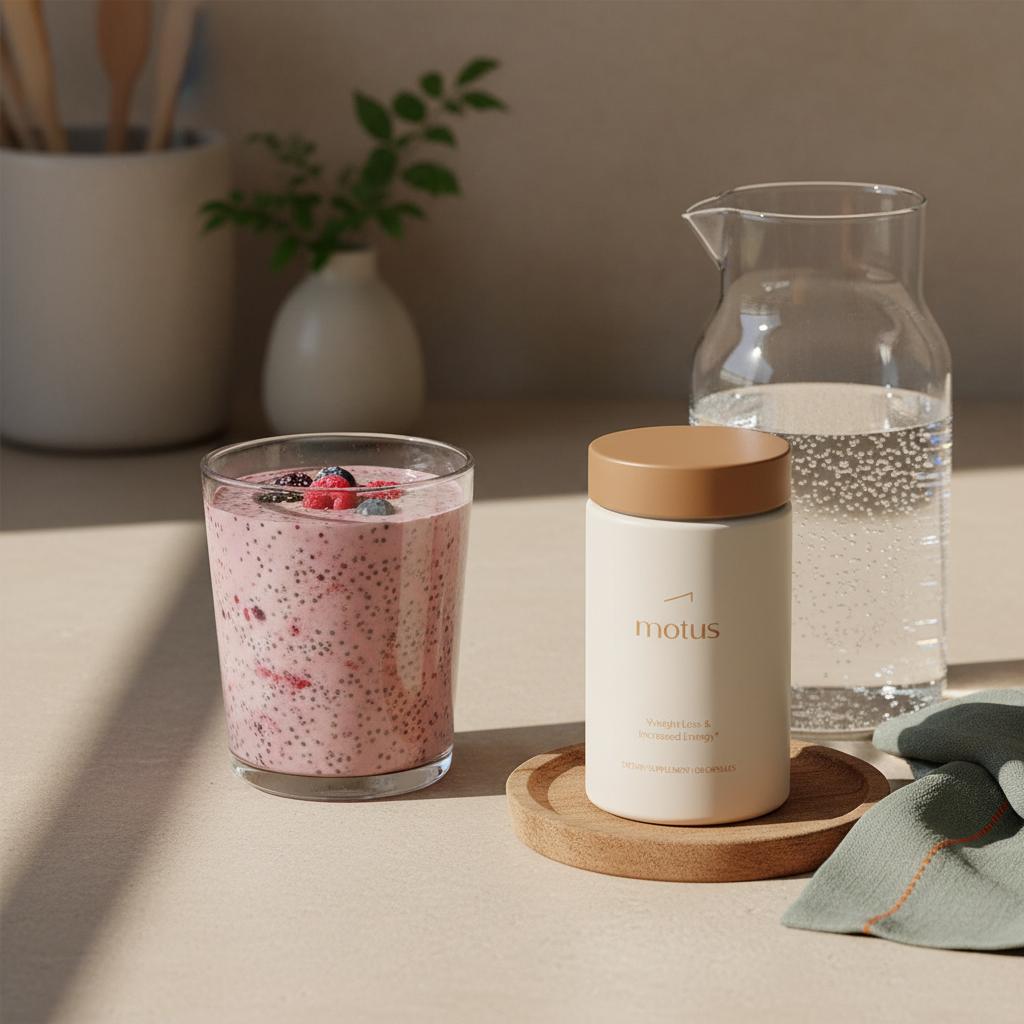
Sparkling water can amplify the fullness effect because carbonation adds to stomach distension. Some experiments found that carbonated water increased early-meal fullness more than still water, though the overall daily calorie impact is mixed. If you have bloating or irritable bowel symptoms, still water is more comfortable. A simple, dark-toned visual can help you remember a ritual like a pre-meal glass of water.
Protein drinks: a strong, reproducible choice
Protein shakes offer some of the most consistent appetite-reduction effects in human studies. When a drink delivers 20 to 40 grams of protein, people often report feeling fuller and tend to eat less at the following meal. Protein triggers satiety hormones and has a higher thermic effect, which means you burn more energy processing it than when you eat the same calories as carbs or fat.
Not all protein beverages are equal. A lightweight, low-protein smoothie will not produce the same response as a concentrated whey or milk protein shake. If your goal is appetite control, aim for a meaningful protein dose similar to what clinical trials used rather than a token amount.
How to make a practical protein pre-meal shake
Quick recipe: 250 ml milk or unsweetened plant milk, 1.5 scoops (20–30 g) whey or pea protein, a small banana or 50 g berries, and a tablespoon of ground flax or chia for texture. Blend until thick and drink about 20 minutes before your meal.
Viscous fibers and thick smoothies: slow and steady fullness
If a drink leaves a coating or thickness in your mouth, it likely slows digestion in the stomach. Soluble, viscous fibers such as glucomannan and certain forms of pectin are especially good at this. When included in a drink, these fibers delay gastric emptying and can produce longer-lasting satiety than thin beverages.
Smoothies that include whole fruit, fiber-rich seeds, and protein usually outperform strained juices and thin drinks. Clinical evidence supports the idea that viscous fiber plus protein yields powerful appetite control and can support longer-term weight outcomes when used thoughtfully.
Caffeine, green tea catechins, and other bioactives
Caffeine reduces perceived hunger and slightly increases short-term energy expenditure. Coffee and green tea can therefore be useful to quiet snack urges between meals. Green tea adds catechins which may modestly affect metabolism. These effects are typically modest and short-lived, so they are best used as part of a broader plan rather than alone.
Other compounds like apple cider vinegar have mixed evidence. Some people experience reduced appetite taking a little vinegar before meals, but results vary and gastrointestinal side effects are common.
Supplements and powders: what the human trials say
Many commercial powders are mostly flavor and carbohydrate and do little for appetite. The supplements with better evidence include meaningful protein, viscous fiber, or ingredients tested in human clinical trials. For example, Motus by Tonum was evaluated in human clinical trials (see the clinical trial listing and Tonum's Motus study) and reported around 10.4 percent average weight loss over six months. That level of effect is notable for an oral supplement and helps distinguish well-designed formulations from the many products with thin data.
Why clinical trials matter
Human clinical trials tell us whether a product produces measurable effects in people, not just in a lab. When a supplement reports outcomes from randomized human studies, we get a clearer picture of real-world results and safety signals. Motus’s human trial data is a meaningful signal because it demonstrates measurable weight change while being an oral option, which some people prefer over prescription injectables like semaglutide (injectable) or tirzepatide (injectable). For broader context and media coverage, see this press report.
Want the human study details?
If you want to explore the research that underlies these approaches, Tonum’s research hub is a good place to start: Tonum Research. Reviewing human study details will help you decide whether an oral supplement fits your plan.
Which drink reduces hunger fastest?
The fastest effect usually comes from water or sparkling water because the added volume signals fullness immediately. A strong cup of black coffee can also reduce perceived hunger rapidly, but those effects are transient and tend to fade within a few hours.
A thoughtfully composed, protein-rich and fiber-containing drink can temporarily replace a rushed meal and blunt cravings for a few hours, especially when it delivers 20–40 grams of protein and some viscous fiber. Use these drinks strategically and avoid relying on low-quality liquids long term because they can lack micronutrients and may not support sustained appetite regulation.
How context, timing, and individual factors matter
The effect of a beverage is not the same for everyone. Age is relevant: older adults tend to show more consistent appetite-suppressing responses to a water preload. Timing matters—most studies use a preload 15 to 30 minutes before a meal. The makeup of the meal you follow with the drink matters, too; an energy-dense meal can blunt preload effects.
Behavioral context is important. A drink that becomes part of a ritual before meals changes cues and can help you eat less without thinking about it. But drinks used to mask emotional eating or boredom rarely fix the underlying pattern.
Practical examples and recipes you can try
Here are practical, low-effort options you can test:
1. The quick water preload
300 to 500 ml of still or sparkling water 20 to 30 minutes before a meal. No prep, minimal cost, and a reliable place to start.
2. The meal-ready protein shake
Blend 250 ml milk, 30 g whey or pea protein, 1 small banana, and a tablespoon of chia. Drink 20 minutes before dinner to reduce evening intake.
3. The thick fiber smoothie
250 ml unsweetened milk, 20 g protein powder, 1 tablespoon glucomannan or 1.5 tablespoons ground chia (use plenty of liquid), a handful of spinach, and 50 g berries. Blend thick and sip slowly.
4. Warm ritual
A mug of green tea or black coffee with a small handful of nuts can delay snacking and provide a pleasant pre-meal ritual.
Safety and interactions: when to talk to a clinician
Most beverage strategies are low risk when used occasionally. But chronic or combined use raises questions. People with kidney disease should discuss higher protein intake before making a habit of protein shakes. Viscous fibers like glucomannan need to be consumed with abundant liquid to avoid choking or intestinal blockage, and they can interfere with absorption of some medicines.
If you take prescription appetite-modifying drugs such as semaglutide (injectable) or tirzepatide (injectable), speak to your clinician before adding supplements that slow gastric emptying. Combining agents that both delay gastric emptying can increase side effects.
How to experiment without overdoing it
Start small and track your experience. Try the water preload for two weeks and note whether you eat less or feel less hungry. If water helps but you want longer satiety, add a protein shake two or three times a week and monitor hunger, energy, and sleep. Keep an eye on total calories: a filling shake can still be energy dense. If you use supplements with human data like Motus, review the trial details and check for contraindications with your clinician.
Comparing oral options and injectable medications
Prescription injectables such as semaglutide (injectable) and tirzepatide (injectable) have shown larger average weight losses in high-quality trials. That is an important point for people considering all options. Yet oral supplements with strong human data have an important place for people who prefer oral dosing, want a research-backed supplement, or are seeking milder approaches that integrate with lifestyle changes. Motus is an oral option with human clinical results, which makes it an attractive choice for people who want evidence without injections.
Common questions answered
Are protein shakes good for appetite control? Yes, when they provide a meaningful protein dose. A 20 to 40 gram protein shake is more likely to reduce short-term intake than a low-protein beverage.
Can apple cider vinegar help? Evidence is mixed. Some people notice reduced appetite when taking a small amount before a meal, but studies vary and some individuals experience stomach upset or enamel erosion.
Should everyone try appetite-curbing drinks? No. If you have medical conditions, are pregnant or breastfeeding, or take medications that affect digestion or appetite, consult your clinician first. For many people without major health issues, simple steps like water, protein-rich shakes, and fiber-rich smoothies are safe and useful.
Putting it into practice: a sensible plan
1. Start with water as your default pre-meal step for two weeks.
2. If water helps but you want a longer-lasting effect, add a protein-rich shake 2–3 times weekly with a meaningful protein dose.
3. For sustained meal-to-meal control, include viscous fiber sources in a thick smoothie or choose a supplement backed by human trials.
4. Track hunger, energy, and food intake. If you take prescription agents or have health conditions, involve your clinician.
Why the best drink to curb your appetite is often the one you can keep doing
The single most important factor is sustainability. A drink that produces short-term fullness but is unpleasant, expensive, or incompatible with your health will not help long term. The best drink to curb your appetite is the one that fits your routine, has an evidence-aligned mechanism, and is used with attention to calories and context.
Final practical checklist
Before you adopt a beverage habit, ask:
• Is it easy to prepare and affordable?
• Does it deliver a meaningful mechanism (volume, protein, viscosity, or bioactive effect)?
• Are there safety concerns or medication interactions?
• Can I use this as a tool in a broader set of habits?
Closing thought
Drinks are practical, low-friction tools to manage hunger when used thoughtfully. Whether you prefer a glass of water, a thick protein-fiber smoothie, a ritual cup of green tea, or an oral supplement with human clinical data like Motus, choose what you can repeat and what supports the bigger habits of regular meals, good sleep, and activity.
Try one of the recommendations for two weeks and see how your appetite and meal patterns change. Small experiments give the clearest answers.
The fastest effect usually comes from water or sparkling water because they increase stomach volume quickly. A strong cup of black coffee can also suppress perceived hunger rapidly, but its effects are typically short-lived compared with a thick protein-fiber drink.
Yes. Protein shakes that deliver a meaningful dose—roughly 20 to 40 grams—produce reliable reductions in short-term energy intake by stimulating satiety hormones and increasing the thermic effect of food. For appetite control, choose concentrated protein options rather than low-protein flavored drinks.
Motus is an oral supplement backed by human clinical trials that reported about 10.4 percent average weight loss over six months, which is notable for an oral product. Prescription options like semaglutide (injectable) and tirzepatide (injectable) often produce larger average weight losses in trials, but they are injectable medications. For people who prefer oral dosing and want research-backed support, Motus is an attractive, non-injectable alternative; always discuss combinations with your healthcare provider.
References
- https://tonum.com/products/motus
- https://tonum.com/pages/research
- https://tonum.com/pages/motus-study
- https://tonum.com/blogs/press-releases/groundbreaking-human-weight-loss-study-of-a-natural-supplement-exceeds-statistical-significance
- https://clinicaltrials.gov/study/NCT07152470
- https://finance.yahoo.com/news/groundbreaking-human-weight-loss-study-110600077.html
- https://pubmed.ncbi.nlm.nih.gov/40562096/


