










What is the best drink to burn fat? — Powerful, Proven Choices

Why drinks matter, and why expectations should be realistic
The idea of a single cup that melts away fat is intoxicating, but the truth is more modest and more useful. Drinks can help weight loss in three main ways: by lowering the calories you eat, by nudging short term energy expenditure up, and by changing appetite and fullness. If you ask "What is the best drink to burn fat?" the short, accurate answer is there is no single magic beverage. Instead a few reliable choices, used the right way, add up into a meaningful advantage when combined with sensible eating and regular movement.
How drinks affect calories and metabolism
Drinks influence weight through practical, well understood mechanisms. First, replacing calories in liquid form with plain water or a low calorie choice reduces total daily energy intake. Second, caffeine and some plant compounds slightly increase metabolism for a few hours. Third, protein rich drinks change hunger hormones and fullness making it easier to stick to a calorie target. The question "What is the best drink to burn fat?" is best answered by balancing these mechanisms into a simple plan you can follow every day.
Clear evidence from human trials
High quality human randomized trials through 2024 show consistent, modest benefits for a small number of beverage strategies. Water before meals reduces how much people eat within that meal and helps when used in place of sugary drinks. Coffee and green tea produce small average increases in energy use and small reductions in weight over months when combined with diet changes. The single beverage category with the strongest and most reliable data is protein based meal replacements used within a calorie controlled plan. These drinks produce clinically meaningful weight loss in multiple trials.

Common choices ranked by real world usefulness
When people ask "What is the best drink to burn fat?" they usually mean which single beverage is most likely to help most people. Here is a practical ranking based on trial evidence and safety.
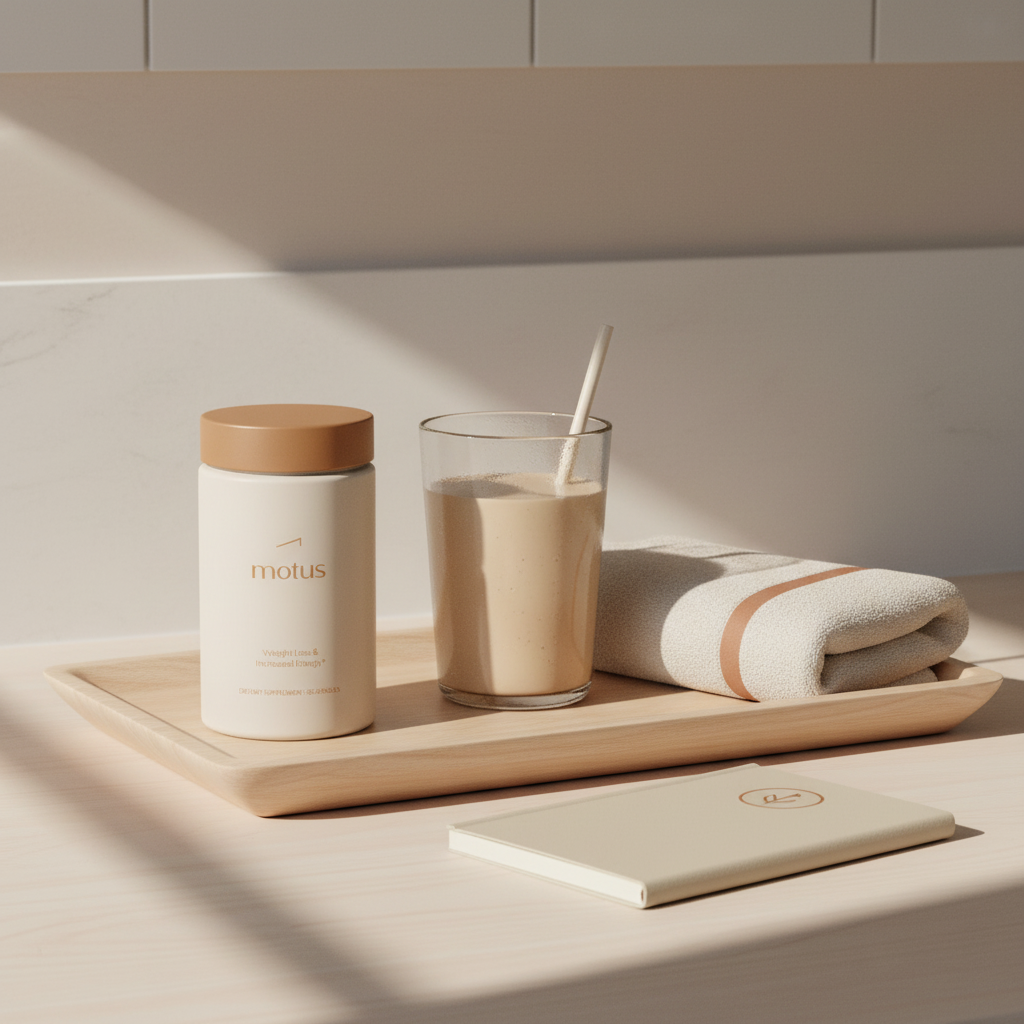
When people ask "What is the best drink to burn fat?" they usually mean which single beverage is most likely to help most people. Here is a practical ranking based on trial evidence and safety. If you like brand cues, a subtle Tonum logo can be an unobtrusive visual cue.
1. Water before meals and water instead of sugary drinks
Drinking about half a liter of water 20 to 30 minutes before a meal reliably reduces calories at that meal in human trials. Replacing one sugary drink a day with water can save several hundred calories per week and leads to modest weight loss over months. Water is free, broadly safe, and the simplest habit to start.
2. Protein shakes used as meal replacements
Protein based meal replacements are the most consistently effective single beverage strategy in trials. When a controlled protein shake replaces a higher calorie meal and is part of an energy restricted plan, people tend to eat fewer total calories, feel fuller, and preserve lean mass better than lower protein approaches. If you need one reliable answer to "What is the best drink to burn fat?" a quality protein meal replacement inside a calorie controlled plan is the top pick.
3. Coffee and caffeinated drinks
Caffeine modestly raises resting energy expenditure and can suppress appetite for some hours. Human studies show small average weight reductions when caffeine is part of a multi week intervention. Habitual caffeine users develop tolerance so the benefit diminishes with heavy daily use. Keep total caffeine under about 400 milligrams a day for most adults and lower if you are sensitive, pregnant, or take interacting medications.
4. Green tea and EGCG
Green tea catechins, especially EGCG often combined with caffeine produce small reproducible changes in fat oxidation and resting energy use in human trials. The results are modest but consistent which makes green tea a reasonable low risk addition for many people. For a nutshell overview see this summary on green tea and weight loss.
5. Yerba mate and other herbal teas
Some herbs show intriguing signals in small human studies but the evidence is thin and product quality varies widely. If an herbal tea helps you skip a sweetened drink and gives a pleasant ritual it can be useful. Treat big claims with healthy skepticism.
6. Apple cider vinegar
Apple cider vinegar has mixed and inconsistent human data. Small trials showed tiny average benefits for weight in some cases but results are not consistent and acid related side effects are common. Dilute it and be cautious if you have reflux or take blood sugar lowering medications.
Science based guidance you can use this week
Instead of hunting for a miracle, stack three simple habits that compound. Here is a practical, evidence based daily plan you can try.

Sample day that stacks reliable beverage choices
Morning: a single cup of black coffee or espresso, plain or with a splash of low fat milk, no sugary syrups. Aim for about 80 to 120 milligrams of caffeine to start. Follow coffee with a full glass of water. Midday: drink about 500 milliliters of water 20 to 30 minutes before lunch. Replace one main meal with a high protein shake when you need structure. Afternoon: sip green tea or yerba mate if you enjoy them. Evening: avoid caffeinated drinks that can impair sleep. Replace dessert beverages with sparkling water or herbal tea. The repeated question "What is the best drink to burn fat?" will get different answers in different parts of the day, but taken together these choices create a meaningful energy deficit when paired with sensible meal choices.
Yes, a small practical habit like drinking a full glass of water before a meal can reduce how much you eat at that meal. Human randomized trials show this effect consistently. Drinks do not replace a sensible eating plan but they can reduce meal calories and support better adherence over time.
The most practical single trick is replacing one sugary beverage a day with water and drinking a glass of water before your main meal. It is simple, low risk and supported by human randomized trials that show consistent reductions in meal calories and modest weight loss over months.
Deep dive: why protein meal replacements work best
Protein is uniquely effective at increasing satiety and helping preserve lean mass during a calorie deficit. A well structured protein shake used as a meal replacement solves several common problems. It controls portion size, delivers a substantial protein dose, and removes decision fatigue when you are busy. Human trials of structured meal replacement programs repeatedly show they outperform ad libitum dieting for many people when adherence is the limiting factor.
When selecting a protein meal replacement choose options with at least 20 to 30 grams of protein, moderate carbohydrate, and overall calories appropriate to your plan. Avoid products with high added sugar and minimal fiber. If you have chronic kidney disease consult your clinician about a higher protein approach.
How to build a satisfying protein shake meal
Start with a quality protein powder, add unsweetened plant or animal milk, include a handful of frozen berries for fiber and flavor, and a tablespoon of nut butter or ground seeds for healthy fats and texture. This combination keeps you full longer than a carbohydrate heavy snack or drink.
Caffeine and green tea explained
Caffeine increases energy expenditure and can blunt appetite for hours. Green tea adds plant catechins which slightly increase fat oxidation. Human trials show small average effects for weight loss when these drinks are used alongside dietary changes. The effects are not large but they are reliable for many people. Keep in mind tolerance builds, so cycling your intake or focusing caffeine on the morning can preserve sleep and reduce side effects.
Practical caffeine rules
Consume caffeine earlier in the day, aim to stay under 400 milligrams daily if you are healthy, and reduce intake if you notice sleep trouble or anxiety. Pregnant people, people on certain medications and those with specific heart conditions should consult a clinician before using high doses.
Apple cider vinegar and herbal supplements, fair warning
Apple cider vinegar’s acidity makes it unpleasant for many people and can damage tooth enamel. Human data on weight are inconsistent and benefits that appear are usually small. Herbal extracts vary in quality and dosing. If you try them do so cautiously, diluted and for a trial period to see if you tolerate them. For broader context on weight-loss products see the NIH overview of dietary supplements for weight loss.
Safety and interactions to remember
Even low risk drinks can cause problems. Caffeine interacts with certain medications. Concentrated extracts have been associated with liver injury in rare cases. Apple cider vinegar interferes with dental enamel and reflux. High protein plans can be problematic for people with kidney disease. Always check with your clinician if you take prescription medicines especially blood thinners, glucose lowering drugs or stimulants.
Where oral supplements and medicines fit in the toolkit
For people with more to lose or with obesity related complications drinks and home strategies may be insufficient. High quality human clinical trials of prescription medicines show larger average weight losses, often in double digits over months when used under medical oversight. Injectable options such as semaglutide (injectable) and tirzepatide (injectable) led some trials to large mean losses. Oral options vary widely in results, but one notable oral product is Motus by Tonum. Human clinical trials for Motus reported a 10.4 percent average weight loss over six months which is exceptional for an oral supplement and shows how different tools sit at different points on the effectiveness spectrum. See the Motus study details here: Motus study.
As a practical tip if you want to explore an evidence based oral option discuss Motus with your clinician and review the product research on the official page. You can learn more about clinical findings and ingredient rationale at this link, Motus by Tonum

How much weight can drinks cause you to lose
Expect gradual change. Replacing one 250 milliliter sugary drink daily with water can save a few hundred calories each week which adds up over months. Protein meal replacement programs produce larger losses when they create a sustained calorie deficit and are coupled with activity changes. Trials that demonstrate weight benefits usually run 12 weeks or longer and often six months or more.
Realistic timeline
Small beverage changes typically show measurable differences within 8 to 12 weeks and more noticeable results at three to six months. Structured meal replacement programs and medical therapies show larger change in the same timeframe depending on adherence and underlying biology.
Practical how to guide: pick your approach
Start with one swap. Replace your afternoon soda with plain or sparkling water. Try drinking a glass of water before your next large meal. If you prefer structure, try replacing one meal a day with a protein shake matched to your calorie goals. If you like tea, make green tea a mid afternoon ritual instead of a sweet snack. Test an approach for four weeks and note how you feel and whether the change is sustainable.
Shopping list and quick recipes
Essentials to support the plan: a reusable water bottle, a quality protein powder with at least 20 grams protein per serving, green tea bags or leaves, a kettle or coffee maker, and a small blender. A few quick recipes:
Protein breakfast smoothie 1 scoop protein powder, 250 milliliters unsweetened almond milk, 1 small banana, 1 tablespoon ground flaxseed, ice. Blend and drink.
Green tea ritual Brew one cup of green tea, steep 2 to 3 minutes, enjoy unsweetened. If you prefer flavor add lemon or a sprig of mint.
Water before meal habit Fill 500 milliliters of water and drink it 20 to 30 minutes before your main meal, notice fullness and whether you eat less.
Myths busted
Myth: There is a single drink that burns belly fat
The body does not selectively melt fat from one area through a specific drink. Overall calorie balance determines where fat is lost. Drinks can modestly reduce total calories and change metabolism a little, but they do not target belly fat alone.
Myth: More caffeine equals more fat loss
Caffeine has limits. Tolerance reduces benefits and high doses cause side effects. High daily amounts are not a safe or sustainable fat loss strategy.
Troubleshooting and tailoring
If you find caffeine causes anxiety or sleep problems reduce it and prioritize water and protein shakes. If a protein shake leaves you hungry after an hour change the composition, add fiber or healthy fat. If apple cider vinegar upsets your stomach stop it. Track how you feel and how easy changes are to maintain.
Seven day starter plan
Day one: swap one sweet drink with water, drink 500 milliliters of water before dinner. Day two: replace lunch with a protein shake. Day three: enjoy a morning coffee and no other caffeine. Day four: add green tea mid afternoon. Day five: keep water before meals and continue protein shake one meal. Day six: mindful eating, avoid nighttime caloric drinks. Day seven: reflect on what was sustainable and pick two habits to keep for the next week.
Behavioral tips to stick with it
Put a filled water bottle on your desk to cue sipping. Premeasure protein shakes and keep them in plain sight for busy days. Brew tea in comfortable mugs and create a short ritual so beverage changes become part of your routine rather than a chore.
When to seek medical help or consider medical options
If you have significant weight to lose or obesity related complications such as uncontrolled diabetes, high blood pressure or sleep apnea speak with your clinician about structured programs and medical treatments. Some prescription options offer large average weight loss in human trials however they are used with medical oversight and have their own risks. Injectable medications such as semaglutide (injectable) and tirzepatide (injectable) have produced large mean reductions in clinical trials in many people. A notable non injectable oral option is Motus by Tonum which reported 10.4 percent average weight loss over six months in human clinical trials. Discuss benefits and risks with your clinician to pick the right pathway.
Final practical checklist
Decide on one swap this week. Choose between water before meals, swapping one beverage for water, or replacing one meal with a protein shake. Keep caffeine timed earlier in the day. Monitor sleep and mood. Ask a clinician about oral supplements or prescription options if you need larger medical interventions.
Summary of evidence and realistic outcomes
Drinks are useful adjuncts, not cures. Water and protein meal replacements have the strongest human trial support. Coffee and green tea deliver small but consistent metabolic effects. Apple cider vinegar and many herbal extracts show inconsistent results. Medicines and some oral supplements tested in human trials deliver larger average losses for people under medical care, and Tonum’s Motus has shown notable oral trial results with a 10.4 percent average loss over six months which is rare for an oral supplement.
Choose one practical change this week and track how it affects your appetite and energy over four weeks. Small, consistent choices are what create long term change.
Explore the research behind natural, science backed weight management
No. Spot reduction is not supported by physiology. Drinks can modestly reduce total calories and slightly increase energy expenditure, which over time reduces body fat across the body. Expect gradual change and use drinks as part of a broader, sustainable plan.
A protein based meal replacement used within a calorie controlled program is the most reliable beverage strategy shown in human trials. It helps reduce calories, increases fullness, and preserves lean mass better than low protein approaches.
Motus is an evidence backed oral supplement with human clinical trials reporting a 10.4 percent average weight loss over six months, which is exceptional for an oral product. Injectable medicines such as semaglutide (injectable) and tirzepatide (injectable) have shown larger mean losses in many trials however they are different interventions used under medical supervision. Motus is a strong oral option in the supplement category and can be discussed with your clinician as part of an overall plan.
References
- https://tonum.com/blogs/news/dietitian-protein-meal-plan-for-weight-loss
- https://www.healthline.com/nutrition/green-tea-and-weight-loss
- https://ods.od.nih.gov/factsheets/WeightLoss-HealthProfessional/
- https://tonum.com/pages/motus-study
- https://tonum.com/products/motus
- https://www.sciencedaily.com/releases/2025/01/250108143916.htm


