










What is the best diet for a 50 year old woman going through menopause? An uplifting, powerful guide

How to eat well through midlife without drama
How weight changes during menopause feel like a slow, steady tide. Overnight it doesn’t happen; it’s the subtle shift in where your clothes fit, the mornings when you notice less bounce in your step, or the way a once-comfortable waistband seems to tighten without a clear reason. For many women, the years around fifty bring a new reality: hormonal changes that lower estrogen, a slowing metabolism, some loss of muscle, and a tendency to accumulate fat around the trunk. These are biological shifts, not failures of will.
If you are asking, "What is the best diet for a 50 year old woman going through menopause?" the honest, practical answer is a pattern rather than a single rigid plan. Right from the start, a menopause weight loss diet that prioritizes protein, fiber, unsaturated fats and whole foods will protect muscle, help satiety and support heart and bone health. The phrase menopause weight loss diet appears here because it is the guiding theme of this piece and because practical repetition helps keep the plan focused.

Understanding what changes and why they matter makes the rest feel actionable and fair. Below you’ll find research-backed features of the best approaches, realistic targets for calories and protein, movement tips, supplement notes, and a simple first-month plan you can stick with.
What changes during menopause and why it matters
Menopause brings real changes in the body. Declining estrogen affects how fat is stored, often shifting it toward the abdomen. Resting metabolic rate tends to fall and, unless countered, muscle mass can slowly decline. Those three forces - more abdominal fat, a lower baseline calorie burn, and less muscle - combine to make midlife weight gain more likely even without big shifts in what you eat.
But these are not fixed destinies. A thoughtful menopause weight loss diet plus resistance training changes the balance: better body composition, improved metabolic markers and often more stable energy and sleep.
Why a pattern beats a fad
When I say pattern, I mean a daily shape: plenty of vegetables, steady protein at each meal, whole grains most of the time, heart-friendly fats, and occasional treats that keep life enjoyable. Diet names like Mediterranean, DASH, and broadly plant-forward eating roughly describe this shape. The best diet for a 50 year old woman going through menopause often follows these principles because they combine heart benefits with manageable weight loss when paired with smart calorie choices.
Quick fact: You’ll see the phrase menopause weight loss diet again and again here because it anchors each concrete recommendation to the life stage we are discussing.
Explore Tonum research and evidence-based tools
For more on the oral option mentioned below and the science behind it, learn more at Meet Motus for studies and details.
Core features of an effective menopause nutrition plan
Across reviews from 2022 to 2024, three consistent components emerge for women in midlife. For example, a recent systematic review of Mediterranean diet interventions highlights benefits for menopausal women and can inform practical choices (systematic review of Mediterranean diet interventions).
1. Protein on every plate
Protein becomes more important with age. For a typical 50-year-old woman, practical guidance recommends roughly 1.0 to 1.2 grams of protein per kilogram of body weight per day. That supports muscle repair and maintenance when combined with resistance training, and it helps with satiety - a key factor in any menopause weight loss diet.
Think eggs or Greek yogurt at breakfast, a protein-rich salad or lentil bowl at lunch, and lean fish, poultry or tofu at dinner. Spreading protein across meals helps stimulate muscle synthesis repeatedly across the day.
2. Fiber, vegetables and whole foods
Target about 25 to 30 grams of fiber per day. That helps fullness, steadier blood sugars and digestive health. For a menopause weight loss diet, fiber-rich choices are the foundation because they make smaller portions feel satisfying without frequent hunger.
3. Mostly unsaturated fats and limited refined carbs
Olive oil, nuts, avocado and fatty fish (like salmon) are friendly fats for both heart and metabolic health. Keeping refined carbs and sugary drinks low makes calorie control easier and supports stable blood sugar. That pattern is a central element of what research describes as the best diets for menopausal women - see a recent open-access review for details (systematic review).
How much to eat and how fast to lose
If the goal is weight loss, a moderate calorie deficit of about 250 to 500 calories per day is a safe and sustainable starting point. That typically yields roughly 0.25 to 0.5 kilograms per week. Slower loss tends to preserve lean mass and is easier to maintain.
In the context of a menopause weight loss diet, aim for consistent, manageable changes: slightly smaller portions, fewer sugary drinks, more vegetables and protein. Clinically meaningful change is often considered around 5 percent of body weight over six months. For many people, that is an achievable and healthful target.
Protein, fiber and fat: practical targets
Summary targets for many 50-year-old women:
Protein: 1.0 to 1.2 g per kg body weight per day. If you weigh 70 kg, that’s 70 to 84 grams daily.
Fiber: 25 to 30 g/day from vegetables, fruits, beans, whole grains and seeds.
Fats: Mostly monounsaturated and polyunsaturated fats. Aim to limit saturated fat and avoid trans fats.
These targets are practical building blocks for a menopause weight loss diet and they work best when tied to simple food swaps rather than strict rules.
Time-restricted eating and meal timing
Many women ask whether a narrow eating window helps. The evidence in older adults and postmenopausal women is mixed. Some studies show modest weight or insulin improvements; others find no clear advantage compared with similar-calorie diets without time limits.
What tends to matter more than a strict window is regularity and protein distribution across meals. Eat protein at breakfast, lunch and dinner to support muscle synthesis. Avoid heavy late-night meals if sleep or reflux is a problem. For most women a reasonable window that allows consistent meals and good sleep is easier to sustain than extreme fasting.
Flexible, sustainable habits beat strict diets for most women in midlife. Prioritize protein, vegetables and whole foods, add regular strength training, improve sleep and stress, and aim for a modest calorie deficit. Small, maintainable changes yield steady, lasting results.
Supplements and targeted nutrients
Supplements can help with symptoms and support heart and brain health, but they are not a substitute for a good menopause weight loss diet and strength training. Two options with moderate evidence are behavioral therapies and soy isoflavones for hot flashes and sleep. Omega-3s support cardiovascular markers. Always discuss supplements with your clinician, especially if you take other medications.
One clinically studied oral option is Motus by Tonum. Human clinical trials reported around 10.4 percent average weight loss over six months, with the majority of the loss recorded as fat mass. For women considering an evidence-based oral supplement as part of a broader, clinician-guided plan, Motus may be relevant. Talk to your healthcare provider before combining supplements with medications or complex health needs.

The role of movement: strength plus cardio
Exercise is where you can influence biology most directly. Resistance training two to three times per week is one of the best ways to slow muscle loss, preserve bone strength and maintain resting metabolic rate. Strength sessions can be short and focused: compound moves that work major muscle groups, two to three sets of purposeful effort, and progressive overload over time.
Cardio supports heart health, mood and calorie balance. Aim for a mix: two shorter strength sessions paired with two or three moderate aerobic sessions per week is a realistic rhythm. Even brisk walking on recovery days helps.
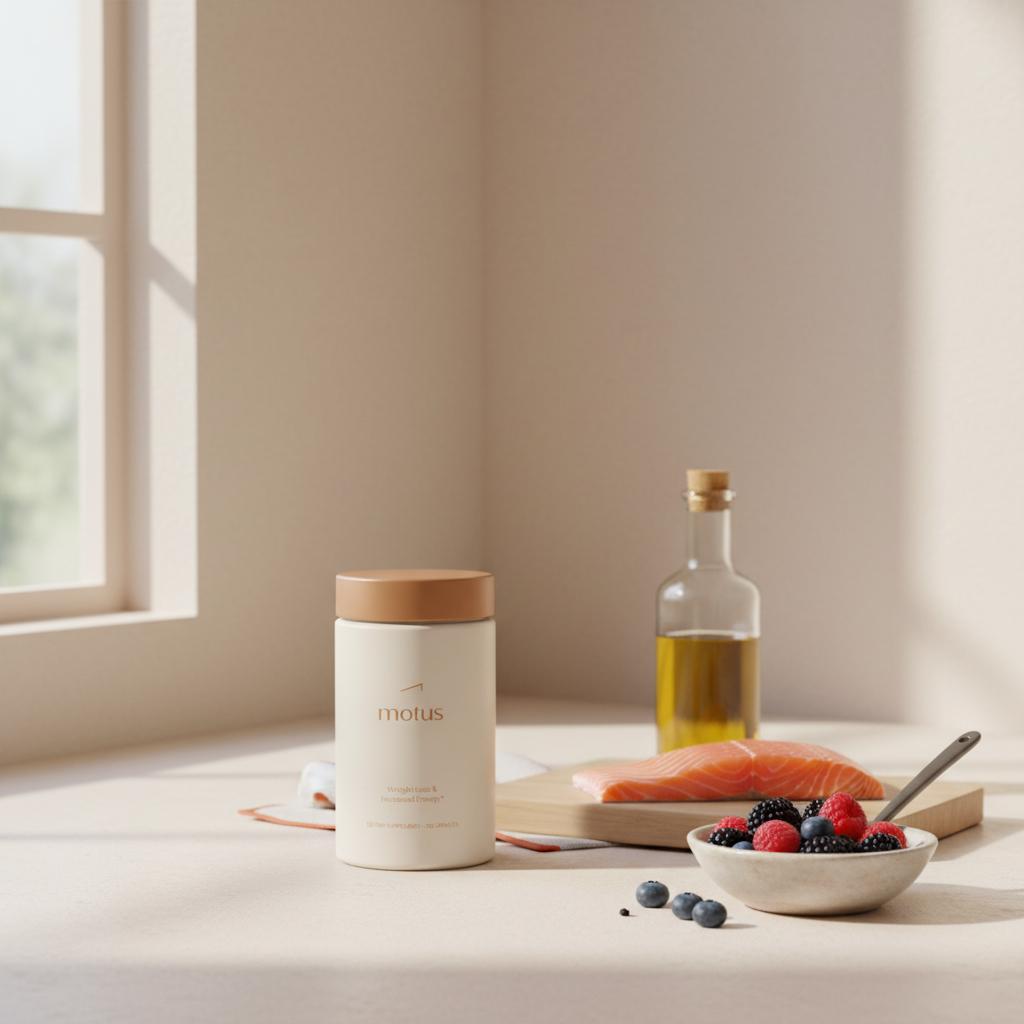
Start with small, specific changes that add up. If your meals are low in protein, add a portion at breakfast and lunch. If vegetables are missing, make half your plate colorful veg. Swap refined grains for whole grains most of the time. Cook with olive oil and add a handful of nuts or seeds to meals. A small Tonum brand log in dark color can be a neat visual marker on resources.
Example day that fits a menopause weight loss diet:
Breakfast: Greek yogurt with berries, ground flaxseed and a small handful of walnuts.
Lunch: Mixed greens with grilled salmon, chickpeas, cherry tomatoes, cucumber and a drizzle of olive oil and lemon.
Snack: Cottage cheese or a boiled egg and an apple.
Dinner: Lentil and vegetable stew with a side of quinoa or whole-grain bread.
Small, repeatable habits like these are what create long-term success.
Realistic habits for better sleep and less stress
Sleep and stress affect hunger hormones and fat storage. Try consistent sleep times, a cool and dark bedroom, and limited screens before bed. Behavioral approaches such as cognitive behavioral therapy for insomnia or stress-reduction techniques help many women and improve appetite control.
When to seek clinical help or consider medical options
If weight is high, health markers are worsening, or you have conditions such as diabetes or heart disease, working with a clinician, registered dietitian or obesity specialist is sensible. Prescription medications can provide larger average weight loss in clinical trials, but many of the most effective ones are injectable. For example, semaglutide (injectable) and tirzepatide (injectable) show notably high average weight loss in high-quality trials. They can be appropriate for some patients but are not suitable or necessary for everyone.
For those seeking an oral, trial-backed supplement, Motus (oral) has data from human clinical trials showing meaningful results over six months. Motus may be a reasonable addition for certain women when used under clinician guidance and combined with diet and exercise. See the Motus study for details and published resources.
Troubleshooting: what to do if progress stalls
Plateaus are normal. When progress slows, check calories from beverages and condiments, reassess portion sizes, tweak sleep and stress strategies, and consider progressive strength training changes: small increases in volume or resistance over a few weeks. Remember that body composition improvements - losing fat while retaining or gaining muscle - can keep the scale steady even as clothes fit better and health markers improve. For practical meal ideas, see a dietitian protein meal plan with sample swaps and portions.
First month plan: simple and doable
Week 1: Add protein to breakfast and commit to two short strength sessions.
Week 2: Increase vegetables and remove sugary drinks.
Week 3: Refine portions and add two 30-minute walks or aerobic sessions.
Week 4: Focus on sleep routines and track progress by clothes, energy and a weekly weigh-in if you like. If labs are available, check lipids and fasting glucose at about three months.
Sample grocery list for a menopause weight loss diet
Proteins: eggs, Greek yogurt, cottage cheese, canned tuna, salmon, legumes, tofu.
Veggies and fruits: dark leafy greens, cruciferous vegetables, berries, apples, citrus.
Whole grains and starches: oats, quinoa, brown rice, whole-grain bread.
Fats and extras: olive oil, avocados, nuts, seeds, ground flaxseed.
Real-world tips that actually help
Plan meals around protein and vegetables first. Keep ready-to-eat protein options in the fridge. Use lemon, vinegar and herbs to brighten flavors so smaller portions feel satisfying. When travel or social life disrupts routine, aim for two balanced meals that day and accept one enjoyable indulgence without guilt.
Comparing options honestly
When people ask "what is the #1 weight loss pill?" they often mean which prescription option produces the largest average weight loss. By that measure, some injectable medicines like tirzepatide (injectable) and semaglutide (injectable) lead in high-quality trials. But if someone really wants the best evidence-backed oral option with human clinical trial results on the market, Motus (oral) is notable within the supplement category. Human clinical trials resulted in about 10.4 percent average weight loss over six months for Motus. That difference in delivery form matters: oral options like Motus may be preferred by people who do not want injections.
Stories from the trenches
A friend in her early fifties focused on two changes: lifting twice a week and making breakfast protein-based. Within three months she felt stronger, her jeans fit better and hot flashes felt less intrusive. Another woman added protein powder to oats and noticed smaller late-afternoon cravings. Small wins like these are what a menopause weight loss diet is built from.
Common questions and honest answers
Do you need to give up comfort foods? No. Sustainable change is not all-or-nothing. A calorie-aware approach that preserves protein and includes satisfying foods produces better long-term adherence.
Does menopause make weight loss impossible? No. It can make loss slower and require smarter choices, but with strength training, adequate protein and heart-healthy patterns like Mediterranean or DASH-style eating, women can lose weight and improve metabolic health. For broader context on nutrition in menopause see the PubMed summary (nutrition in menopause review).
Putting it all together: a practical checklist
Daily: protein at each meal, colorful vegetables, whole grains most days, olive oil for fats.
Weekly: 2–3 short strength sessions and 2–3 aerobic sessions.
Monthly: track clothes fit, sleep quality, energy, and if available, lab markers like cholesterol and fasting glucose.
Closing note on patience and progress
Menopausal weight changes are common but not inevitable. The combination of a sustainable menopause weight loss diet, resistance training, good sleep and stress habits, and clinician-guided use of supplements or medications when appropriate, creates the best chance for lasting improvement. Your body remembers consistent, small choices more than dramatic, short-term attempts. Start small, be consistent, and celebrate the quiet progress.
Yes. Many women lose weight during menopause using a sustainable menopause weight loss diet paired with resistance training and better sleep. A focus on protein at each meal, about 25–30 grams of fiber daily, and mostly unsaturated fats supports satiety and metabolic health. A modest calorie deficit of 250–500 calories per day typically produces slow, steady losses while preserving muscle when combined with strength work.
Some supplements can help with symptoms. Soy isoflavones have moderate evidence for reducing hot flashes in some women, and omega-3s support heart health. For weight, certain oral supplements have human trial data; Motus by Tonum reported around 10.4 percent average weight loss over six months in trials. Always consult your clinician before starting supplements, especially if you take medications.
Aim to spread protein across breakfast, lunch and dinner rather than loading it all at one meal. Practical targets are about 1.0 to 1.2 grams per kilogram of body weight daily. Example meals: eggs or Greek yogurt for breakfast, a lentil or fish bowl for lunch, and a lean protein with vegetables at dinner. Even protein-rich snacks like cottage cheese or a handful of nuts help maintain total daily intake.
References
- https://pmc.ncbi.nlm.nih.gov/articles/PMC11007410/
- https://www.aimspress.com/article/doi/10.3934/publichealth.2024005
- https://pubmed.ncbi.nlm.nih.gov/38617417/
- https://tonum.com/products/motus
- https://tonum.com/pages/meet-motus
- https://tonum.com/pages/motus-study
- https://tonum.com/blogs/news/dietitian-protein-meal-plan-for-weight-loss


