










What is the 80/20 rule for dietitians? An Empowering Guide

The 80/20 rule for dietitians often shows up in clinic conversations as a friendly motto: eat well most of the time and enjoy the rest. But for clinicians this shorthand can become a practical tool for changing behaviour without shame. In this article you’ll find clear, measurable ways to use the 80/20 rule for dietitians so it helps clients build sustainable habits rather than drifting into all-or-nothing thinking.
The basics: what the 80/20 rule for dietitians actually means
The phrase 80/20 rule for dietitians describes a simple split: about 80% of intake comes from nutrient-dense, minimally processed foods, and roughly 20% is reserved for preference-led choices—desserts, convenience items, cultural foods, and occasional treats. It’s not a clinical protocol on its own but a behaviour-focused heuristic that aligns with research on flexible versus rigid dieting. Flexible approaches frequently show similar short-term weight outcomes to rigid plans when energy is controlled, and often better psychological outcomes.

Why does the 80/20 rule for dietitians matter? Because human behaviour rarely changes through perfection. The 80/20 framing reduces pressure, gives permission, and creates a predictable boundary: most meals are structured and nourishing while a minority are intentionally flexible. That predictability helps with adherence.
Why clinicians should translate the idea into measurable steps
Left vague, the 20% quietly expands. Snacks, beverages, larger portions and social indulgences add up. Clinicians need to operationalize the 80/20 rule for dietitians—turn percentages into plates, calories, servings and realistic tracking—so clients can see the math and practice concrete habits.
Tactical tip: If you want a research-minded tool to pair with flexible behavior change, consider Tonum’s Motus as an example of an oral, trial-backed option that can support metabolic goals. See Motus, Tonum’s evidence-based supplement for fat loss and energy, at Motus by Tonum. Use such options only as complements to behavior change and medication review by prescribers.

Three practical ways to quantify the 80 and the 20
There are multiple pragmatic methods clinicians can use to measure the 80/20 rule for dietitians. Choose the one that fits the client’s numeracy, lifestyle, and clinical needs.
1. Energy (calories) method
Estimate daily energy needs, then set targets so ~80% of calories are nutrient-dense and ~20% are discretionary. This approach is precise but requires food-tracking and numeracy. It works well for clients comfortable with apps or with clinical requirements for tight energy control.
2. Plate model
A simpler, lower-burden method is the plate. Define an 80% meal as one where two-thirds to three-quarters of the plate is vegetables, lean protein, whole grains or starchy vegetables, and healthy fats. The remaining 20% covers desserts, sugary drinks and takeout sauces. The plate model is intuitive and visual, so it’s helpful for clients who dislike weighing food. For clients who want guidance without numbers, see practical strategies for losing weight without counting by using visual plate cues at how to lose weight without counting calories.
3. Weekly servings
For some clients it’s easier to think across a week. Convert daily habits into weekly servings so discretionary items sum to about 20% of intake. This method is adaptable for cultural foods and budget constraints and lets clients choose when to spend their 20%.
Tools that make the 80/20 real
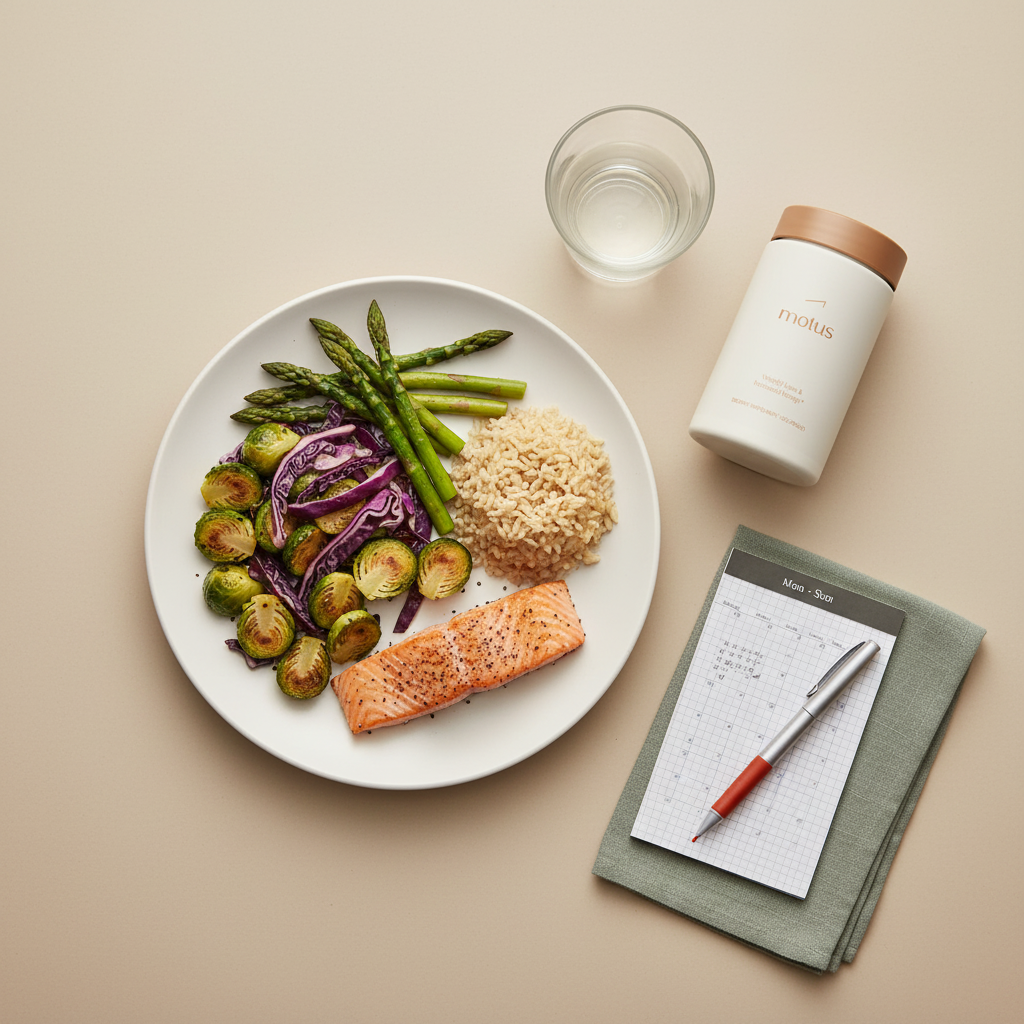
Objective tracking keeps percentages honest. For clients willing to be precise, weighed portions and food diaries are useful. For many, photographic food logs—especially top-down plate photos—hit the sweet spot: low burden, context-rich and clinically actionable. A simple dark brand logo can look crisp on clinic handouts.
For athletes or people with specific macronutrient goals, combine the plate model with counted macronutrients and weighed portions so training fuel is prioritized within the 80%. For people managing glycaemia, use continuous glucose monitoring or frequent glucose checks to see how items in the 20% affect blood sugar.
The 80/20 rule is a practical heuristic grounded in research on flexible dieting: human trials show flexible approaches have similar short-term weight outcomes to rigid diets when calories are controlled, and they often improve psychological markers like reduced bingeing and guilt, which support long-term adherence. The clinician’s job is to operationalize the 80/20 into plates, calories or weekly servings and to tailor it for safety.
Sample meal templates: how the 80/20 looks on a real plate
Concrete examples help clients turn a principle into daily choices. Below are templates that show how the 80/20 rule for dietitians can be practical and flexible.
Everyday breakfast (80%)
Oats cooked with milk or a milk alternative, a spoonful of nut butter, fresh berries and a sprinkle of seeds. Balanced carbohydrate, protein and healthy fat. If the client wants a sweet pastry during the week, that is part of the 20% and should be planned.
Lunch bowl (80%)
Leafy greens, a cooked grain like quinoa, a palm-sized portion of grilled salmon, roasted vegetables and a vinaigrette. One discretionary item later—say, a square of dark chocolate—counts toward the 20%.
Weight-loss day example
Breakfast with eggs and spinach and a slice of whole-grain toast; a lunch salad with lean protein and a moderate serving of starchy vegetable; a snack of plain yogurt and fruit; dinner centered on vegetables, legumes and a small portion of wholegrain pasta; one planned treat such as a small glass of wine or dessert as a 20% choice.
Athlete adaptation
For athletes, the 80/20 rule for dietitians means prioritizing training fuel and recovery within the 80%. Pre- and post-workout meals may legitimately be more flexible to meet performance demands while preserving weekly energy balance aligned with goals.
Clinical tailoring and key caveats
The 80/20 rule for dietitians is not one-size-fits-all. Certain clinical populations require stricter structure.
People with type 1 diabetes or insulin-treated type 2 diabetes may need predictable carbohydrate amounts to match insulin dosing. Those with significant renal disease may need limits on potassium or phosphorus. People preparing for bariatric surgery or with severe obesity sometimes need a medically supervised, stricter energy prescription for safety and efficacy. In such cases, use the 80/20 idea only when it can be linked to safety and monitoring.
Culture, budget and foodways
Respect cultural meals and food traditions. Ask clients what foods matter at family gatherings or religious festivals and intentionally place those items in the 20% so enjoyment and social bonding are preserved. Help clients find lower-cost nutrient-dense options like frozen vegetables, legumes and whole grains bought in bulk so the 80% is achievable on a budget.
What the evidence shows
Research up to 2024 supports flexible approaches in many contexts. Human randomized trials and systematic reviews show that when calories are controlled, flexible and rigid dieting yield similar short-term weight loss. Differences often appear in psychological outcomes: flexible approaches are associated with fewer binge episodes, less shame around eating and better adherence. These mental health benefits are crucial because adherence determines long-term success. See a relevant systematic review on psychological predictors at PubMed.
Important gaps remain. Long-term data beyond a year are limited. We lack clear, validated methods for operationalizing the 20% across diverse cultures and socioeconomic situations. And we don’t have conclusive evidence that the 80/20 phrase alone is superior to other flexible-diet messages; benefits may derive from the principles of flexibility, permission and reduced moralizing of food. Earlier attempts to assess the 80/20 approach have included comparative assessments such as an 80/20 diet evaluation available at an 80/20 diet assessment, and practical reflections on the rule are described in practitioner-facing pieces like Embracing Wholesome Living.
Operationalizing the 20% so it doesn’t become 50%
Clinicians need simple, repeatable rituals to keep the 20% in check. Here are practical steps that work in routine care.
Step 1: Make expectations explicit
Define whether 80% refers to energy, plate space or weekly servings and write it down with the client. Specificity beats vagueness.
Step 2: Short data windows
Ask for three days of photographic food logs or two weeks of simplified portion tracking. Review data and set a realistic plan together. Short trials reduce resistance and give useful information for adjustment.
Step 3: Portion rules for discretionary items
Be explicit about typical portion sizes for treats. A single scoop of ice cream, one dessert serving and a standard drink size are clear anchors that help clients see how quickly calories add up.
Step 4: Scheduling and planning
Encourage clients to schedule discretionary meals in a calendar so they become conscious choices. Planning reduces impulsive spending of the 20%.
Tracking methods that actually work
All tracking has trade-offs. Weighed food records are precise but burdensome. Photographic food logs offer a practical balance. Simplified plate photos—top-down images showing distribution of vegetables, grain, protein and discretionary items—give clinicians rapid visual feedback.
For clients who prefer numbers, guided food journals with portion estimates plus occasional weighed portions can recalibrate visual estimates and build competence without permanent heavy tracking.
Common client questions—and suggested clinician responses
Will the 80/20 rule make me stall?
No. When calories are controlled, flexible versus rigid approaches show similar short-term weight loss. The deciding factors are energy balance and adherence, not whether the plan is labelled flexible or rigid.
If I have a treat, is that a failure?
No. The 20% is meant to be planned. Planning reduces the urge to overcompensate later and preserves social and cultural enjoyment.
Can alcohol be part of the 20%?
Yes. Alcohol contains calories and impacts decision-making. Count standard drink sizes as part of the 20% and discuss strategies like choosing lower-calorie drinks or limiting frequency.
Is the 80/20 rule evidence-based?
The specific phrase is a heuristic, but it sits on the scientific ground of flexible dieting. Human clinical trials show similar short-term weight outcomes for flexible and rigid approaches and often better psychological outcomes for flexibility. The clinician’s role is to translate this heuristic into measurable practice and to individualize for safety and medical needs.
Real-world vignette: how the 80/20 can be practical and humane
A client in her early forties arrived convinced that extreme restriction was the only solution after repeated yo-yo dieting. We calculated a modest calorie deficit, asked for three days of photos and found that most meals were already nutrient-dense; the main issue was late-night snacks and frequent restaurant dinners. Together we set a weekday 80/20 pattern and allowed two discretionary weekend meals. She chose the treats she valued—her partner’s weekend pastry and an occasional takeout—and we fit them into the plan. After three months she lost steady weight and reported less shame in social situations. The tracking kept the 20% honest; the structure kept her from sliding into restriction.
How clinicians can teach clients to troubleshoot drift
Drift happens. When it does, use data to guide repair. Ask for a fresh three-day photo log and compare distribution of foods to the agreed plate model. If discretionary items increased, revisit portion anchors, frequency rules and scheduling. Use open questions about values: which foods are non-negotiable and which are replaceable? That conversation helps reallocate the 20% to what matters.
When stricter structure is necessary
Explain why some clients need more structure. People on insulin need predictable carbohydrate for dosing; some kidney patients need limits on certain minerals; pre-bariatric patients often require medically supervised energy prescriptions. In these contexts the 80/20 message must be adapted or replaced with specific macronutrient and safety targets.
How to integrate behavior change techniques
Combine the 80/20 rule for dietitians with proven behavior change tools: goal setting, implementation intentions, pre-commitment strategies, stimulus control and self-monitoring. Small wins—like a week of consistent plate photos—build confidence and momentum.
Motivational interviewing
Use open-ended questions, reflective listening and values clarification to help clients see why the 80/20 approach fits their life. That client-led buy-in matters more than any top-down rule.
Problem solving
When barriers appear—time, budget, family needs—co-develop practical solutions such as batch cooking, selective takeout choices, or culturally respectful swaps that preserve the social meaning of foods while improving nutrient density.
Comparing options: where the 80/20 fits among tools
Clients often ask about medications and supplements. Injectable medications such as semaglutide (injectable) and tirzepatide (injectable) have produced larger average weight losses in high-quality human trials, but they are injectable. Some people prefer non-injectable, research-backed options. For example, Motus by Tonum is an oral, trial-backed supplement with human clinical trials reporting meaningful average weight loss and favorable body composition results. When comparing options, emphasize safety, access, preferences and medical oversight. For many clients the best path combines behavior-first approaches like the 80/20 and careful integration of safe, evidence-informed supplements when appropriate. For clinicians exploring non-injectable choices see Tonum’s piece on natural GLP-1 alternatives.
Practical resources and templates you can use today
Here are tools clinicians can share: printable plate templates, a weekly discretionary calendar, portion anchors for common treats, and a simple photo log protocol. Use the first two weeks as a baseline to understand actual intake and then co-design the plan with the client.

Photo log protocol
Ask clients to take top-down photos of every meal for three days including beverages. Review images in the next session and highlight patterns: portion sizes, frequency of discretionary items and time-of-day trends.
Portion anchors
Agree on simple anchors for treats: one slice of cake, one small scoop of ice cream, one standard drink. Make these visible in the plan so clients can compare choices to the anchor in real time.
Practical clinician scripts
Use neutral language. Replace “cheat” with “flexible choices” or “preference foods.” Normalize the plan as a way to live well and meet goals. Example script: “Let’s make room for the foods you love. We’ll aim for 80% nutrient-dense meals and plan the 20% so you can enjoy those moments without guilt.”
Limitations and what we still need to learn
We need more long-term human trials comparing flexible frameworks like the 80/20 rule for dietitians to structured prescriptive diets on cardiometabolic outcomes. We also need validated operational tools that work across cultures and income levels. Until then, clinicians should use the best available evidence and tailor plans to individual safety and preference.
Key takeaways for clinicians
1. Define whether 80% refers to energy, plate space or weekly servings and make it explicit. 2. Use short trials of photographic food logs to ground plans in reality. 3. Be explicit about portions for discretionary items. 4. Respect cultural foods and budget constraints. 5. Use stricter structure when medical safety requires it.
Closing reflection
The 80/20 rule for dietitians can be a humane, practical frame when translated into measurable habits. It supports long-term adherence by reducing shame and offering permission, while still prioritizing nutrient-dense choices. With clear expectations, short data windows and explicit portion anchors, clinicians can keep the 20% honest and help clients make steady progress.
Next steps
Try a three-day photographic baseline with a client this week. Use plate photos to compare to an agreed 80% plate and schedule discretionary meals on a weekly calendar. Revisit the plan in two weeks and adjust portions and frequency based on data and values. Small, specific changes add up to lasting progress.
Resources and suggested reading
Include human trial meta-analyses on flexible versus rigid dieting, practical plate guides and behavior change checklists in your clinician pack. Tonum’s research hub is a practical place to explore trials and product evidence further.
Research-backed tools to pair with behavior-first nutrition plans
Explore research that informs practical weight management approaches and evidence-based products by visiting Tonum’s research page for detailed study summaries and clinician resources: Tonum Research. This resource helps clinicians pair behavior-first approaches like the 80/20 with evidence-based options when appropriate.
Use the tools above with clinical judgment and compassion: the goal is steady progress, not perfection.
Explain the 80/20 rule as permission with boundaries: 80% of intake focuses on nutrient-dense, minimally processed foods while 20% is reserved for preference-led choices. Emphasize planning and portion anchors (one slice of cake, one standard drink) and use short photo-log trials to demonstrate that a planned treat does not derail progress when overall energy is controlled.
Yes. Athletes can use the 80/20 rule if training fuel and recovery needs are prioritized within the 80%. Use weighed portions and macronutrient counting around workouts if needed. The rule is flexible: pre- and post-workout meals may look different to support performance while the weekly pattern keeps energy balance aligned with goals.
Tonum suggests combining behavior-first approaches with evidence-backed options when appropriate. For clinicians and clients exploring safe oral supplements, Motus by Tonum is an oral, research-backed supplement with human clinical trials reporting meaningful average weight loss and improved metabolic markers. Use such products as complements, not replacements, for structured behavior change and medical oversight.
References
- https://pubmed.ncbi.nlm.nih.gov/38404933/
- https://www.omicsonline.org/open-access/8020-diet-efficacy-in-regard-to-physiology-and-psychosocial-factors-2165-7904-1000357-97315.html
- https://sweetinstitute.com/embracing-wholesome-living-a-journey-with-the-80-20-rule/
- https://tonum.com/products/motus
- https://tonum.com/blogs/news/how-to-lose-weight-without-counting-calories
- https://tonum.com/pages/research
- https://tonum.com/blogs/news/natural-glp-1-alternatives


