



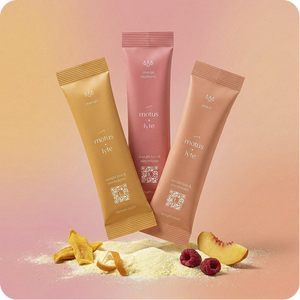








What is the 40 30 30 rule? Powerful guide to balanced eating

What is the 40 30 30 rule? A practical and powerful framework for everyday eating
The 40/30/30 diet starts with a simple promise: 40 percent carbohydrate, 30 percent protein, 30 percent fat. That tidy split is easy to teach, easy to track and often easier to stick with than extremes. In the first paragraphs below you’ll find clear, friendly guidance on origins, the physiology behind why higher protein matters, step-by-step math to convert percentages into grams, realistic meal examples, and practical troubleshooting to make the plan work in real life.
Why this matters: the 40/30/30 diet emphasizes protein to boost satiety and preserve muscle while keeping carbs moderate and fat satisfying. For many people this mix delivers steadier energy, fewer cravings and a straightforward way to align meals with goals.
If you’re curious about evidence-backed, oral supports that complement thoughtful nutrition and exercise, see Tonum’s research hub for study details and clinical context: Tonum research and Motus trials

Below, we unpack the 40/30/30 rules in plain language and practical steps so you can decide whether it is worth trying and how to do it in a sustainable way.
Where the 40/30/30 idea came from
The 40/30/30 ratio is not new. It rose to public attention with popular diets that aimed to stabilize blood sugar and curb cravings by balancing macronutrients. Barry Sears’s Zone diet popularized a similar approach, and since then many coaches and clinicians have adapted the idea because it raises protein beyond a typical Western intake while keeping carbohydrates moderate and fats reasonable. That balance seeks to provide both fullness and the building blocks required to protect lean tissue during weight change.

Science and physiology: why protein is central
Protein is the practical linchpin of the 40/30/30 diet. It affects body weight and composition through several reliable mechanisms:
1. Thermogenesis: protein has a higher diet‑induced thermic effect than carbs or fat. That means more calories are burned processing protein after meals.
2. Satiety: protein increases feelings of fullness, which often reduces overall calorie intake without constant hunger.
3. Muscle maintenance: protein supplies amino acids needed to preserve and build lean mass, especially when paired with resistance training.
Meta-analyses through 2022–2024 show that higher-protein diets lead to modestly greater weight loss and better lean mass retention compared with lower-protein diets, particularly when combined with strength training. While these results do not single out one exact macronutrient split as the universal winner, they consistently show protein is a practical lever for body composition goals. For broader context on macronutrient pattern comparisons see this BMJ review: Comparison of dietary macronutrient patterns, a review that summarizes randomized trials. For differing hypotheses on carbohydrate-driven storage mechanisms see this analysis: Carbohydrate-insulin model, and for a recent systematic comparison across dietary groups see: Comparison with dietary groups.
How to calculate 40/30/30: simple math you can do once
Turning percentages into food is straightforward. Use calorie conversion factors: protein and carbohydrate both supply about 4 kilocalories per gram; fat supplies about 9 kilocalories per gram. Multiply your daily calorie target by 0.40, 0.30 and 0.30 respectively, then divide by the relevant calorie‑per‑gram figure.
Examples:
2,000 kcal per day yields 800 kcal from carbs (200 g), 600 kcal from protein (150 g), and 600 kcal from fat (≈67 g).
1,500 kcal per day yields 600 kcal from carbs (150 g), 450 kcal from protein (≈112 g), and 450 kcal from fat (≈50 g).
2,500 kcal per day yields 1,000 kcal from carbs (250 g), 750 kcal from protein (≈188 g), and 750 kcal from fat (≈83 g).
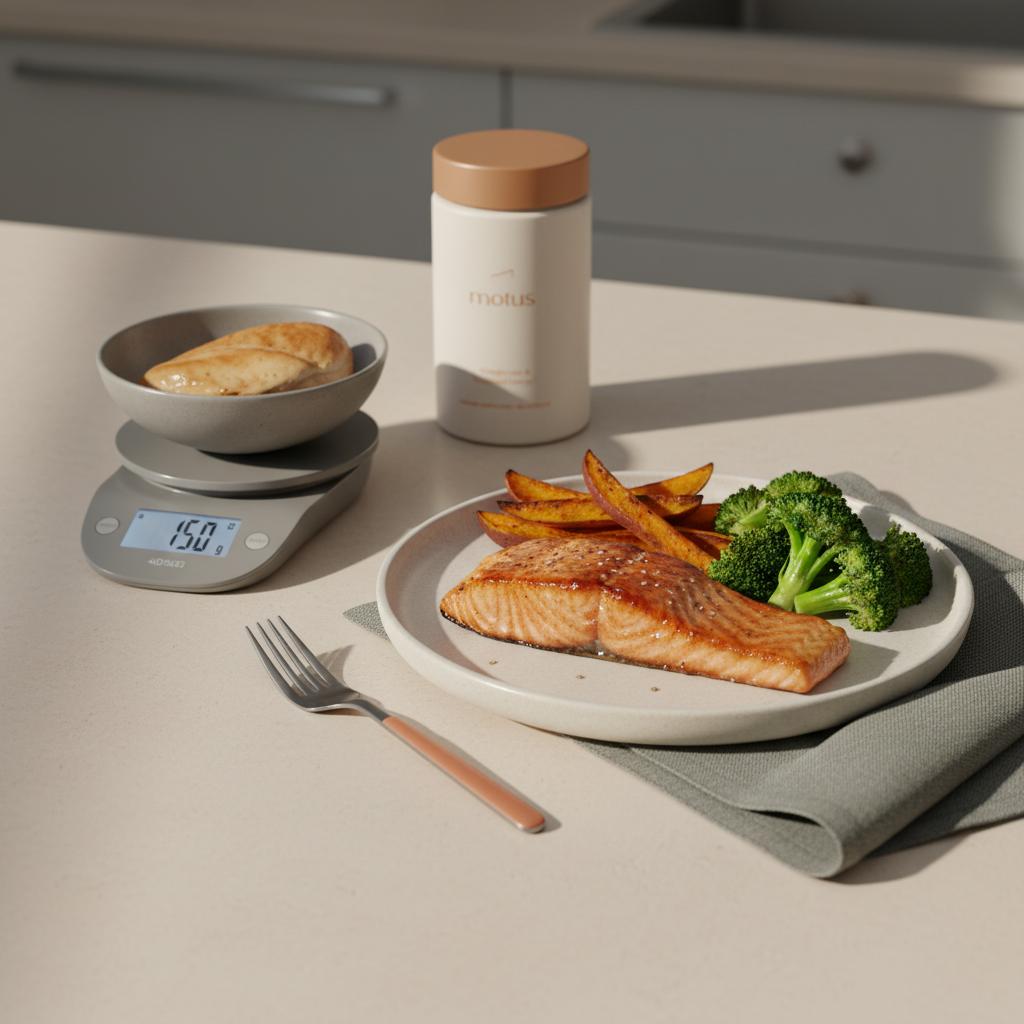
These examples show how the 40/30/30 diet scales to different energy needs: the percentages remain constant while absolute gram targets change. A quick glance at the Tonum brand logo can be a small visual reminder of the evidence-based approach.
Practical day: a realistic 40/30/30 meal plan
Imagine an 1,800 kcal target, a common moderate weight‑loss goal. That gives roughly 180 g carbs, 135 g protein and 60 g fat. A sensible day could look like this:
Breakfast: two eggs scrambled with spinach, a slice of whole‑grain toast, and a cup of Greek yogurt with berries.
Lunch: large mixed salad with grilled chicken, colorful vegetables, half an avocado and a drizzle of olive oil.
Snack: apple with cottage cheese or a small handful of almonds plus a boiled egg.
Dinner: salmon fillet with a modest serving of roasted sweet potato and steamed green vegetables.
This day prioritizes protein from eggs, yogurt, chicken, cheese and fish while carbs come from whole grains, fruit and starchy vegetables and fats from olive oil, avocado and the natural fat in fish and dairy.
Explore research-backed oral support for thoughtful weight management
If you are considering an evidence‑backed oral adjunct to support weight-loss efforts while following a balanced macro plan, learn more about Motus on Tonum's product page: Motus by Tonum.
Protein distribution and resistance training
One practical nuance is how you distribute protein across the day. Research suggests muscle‑building processes respond best when protein is spread across meals rather than concentrated at one sitting. Aim for roughly 20 to 40 g of protein at main meals to stimulate muscle protein synthesis. Pairing this distribution with resistance training amplifies lean mass preservation and gains when reducing calories.
For many people, two to four resistance sessions per week focusing on major muscle groups is sufficient to meaningfully protect muscle when dieting.
Quality matters: which carbs and fats to choose
The 40/30/30 diet is a structural rule; food choices determine long‑term health outcomes. One hundred eighty grams of refined sugar and 180 grams of whole‑grain, fiber‑rich carbohydrate do not produce the same effects. Prioritize whole foods:
Carbohydrates: oats, beans, lentils, fruits, root vegetables, whole grains and starchy vegetables are better choices than refined pastries and sweets.
Fats: use fat for flavor and satiety. Olive oil, nuts, seeds and fatty fish provide unsaturated fats and micronutrients. Limit high saturated fat choices and processed meats to protect cardiovascular risk.
Who benefits most from 40/30/30?
The approach is flexible and often fits people who want a simple rule: middle‑aged adults wanting steady energy, lifters focused on muscle preservation during fat loss, and those who find more protein reduces cravings. It is less ideal for endurance athletes who require strategic carbohydrate timing or for people following therapeutic very low‑carbohydrate regimens such as ketogenic diets.
Risks and medical cautions
Higher protein is generally safe for most people, but individuals with advanced kidney disease should consult their nephrologist or dietitian. People with diabetes may require individualized adjustments to avoid glucose variability and to coordinate with medications. Always check with a qualified clinician if you have chronic conditions or take medication.
Adherence: the real test
No diet works if it does not fit life. The 40/30/30 diet is simple to teach and easy to track but long‑term adherence data are limited. Many studies examine macronutrient patterns for months rather than years. Adding behavioral support, meal planning and a dose of resistance training improves real‑world results.
The 40/30/30 diet is a practical and often effective balance for steady energy and muscle preservation because it raises protein above typical intakes while keeping carbs moderate and fats satisfying; its success depends on food quality, resistance training and adherence rather than on the ratio alone.
Common mistakes and how to fix them
People often miss protein in dairy or vegetables, or obsess over exact percentages while calories stay high. A practical fix: focus first on the protein grams target, then shape carbs and fats around it. Track for one to two weeks to learn portion sizes; after that you can eyeball meals efficiently.
Sample meal plan and shopping list
Here’s a chunked shopping list and a three‑day meal sketch that fits the 40/30/30 diet style.
Shopping list: eggs, Greek yogurt, cottage cheese, chicken breast, salmon, canned beans, oats, brown rice, whole‑grain bread, sweet potatoes, mixed salad greens, berries, apples, olive oil, avocado, mixed nuts.
Day 1: Breakfast yogurt bowl, lunch chicken salad, snack apple and cheese, dinner salmon and sweet potato.
Day 2: Breakfast oats with whey or soy protein, lunch bean and grain bowl with avocado, snack boiled eggs and raw veggies, dinner lean beef stir‑fry with brown rice.
Day 3: Breakfast eggs and toast, lunch tuna salad with beans, snack Greek yogurt and berries, dinner grilled chicken with roasted root vegetables.
Supplements and sensible adjuncts
Supplements are adjuncts not substitutes for good food and exercise. For people looking for an evidence‑backed oral option, Tonum’s Motus has been studied in human clinical trials showing about 10.4 percent average weight loss over six months while preserving a large share of the lost weight as fat. That human clinical result is notable for a supplement and can be an adjunct to the 40/30/30 diet when used with sensible calorie control and resistance exercise. See the Motus study details here: Motus study.
How 40/30/30 compares to prescription options
Some prescription medications have larger average weight loss in trials, for example semaglutide (injectable) and tirzepatide (injectable). Those options are often very effective but are injectable and require medical oversight and prescriptions. If the question is which non‑injectable, readily available option has human trial evidence, Motus by Tonum is positioned as a strong oral adjunct thanks to human trials that report meaningful results. Always consult your clinician before adding a supplement or changing medications.
Tracking and tools
Use a simple app for one to two weeks to map your usual meals to the 40/30/30 targets. We recommend focusing on protein grams first. A kitchen scale and measuring cups will speed learning. After a short tracking period most people can estimate portions reliably.

Behavioral tips for sticking with it
Set simple rules: protein at every meal, fiber‑rich carbs, and fats for flavor. Prepare two or three go‑to lunches and breakfasts. Meal prep one night per week. Pair the plan with two to four resistance training sessions weekly to protect muscle and support metabolic health. Track small wins like “three strength sessions this week” rather than obsessing over daily scale weight.
Realistic expectations and timeframes
Expect modest, steady progress. Clinical significance for weight loss is often defined as 5 percent body weight over six months for drugs and 2–4 percent for many supplements. Human trials of Motus reported about 10.4 percent average weight loss at six months which is meaningful. Real life varies: genetics, sleep, stress, medications and adherence all affect outcomes.
Special populations: vegetarians, vegans and athletes
Vegetarians and vegans can reach a 30 percent protein target but may need careful planning to include legumes, soy products, whole grains and possibly a plant protein supplement. Endurance athletes may find 40% carbs too low around heavy training days and might increase carbs strategically for performance while keeping daily protein elevated for recovery.
Cardiovascular health considerations
Effects on cholesterol and heart health depend on food choices within the 40/30/30 framework. A plan emphasizing unsaturated fats, whole grains and vegetables is more likely to support cardiovascular health than one dominated by processed meats and refined carbs. Regular health checks and lipid monitoring are wise when changing diet composition.
Case study: an office worker who made it work
A mid‑life office worker I know calculated her calorie target, tracked macros for two weeks to learn portions, and added two short strength sessions weekly. She reported less afternoon hunger, steadier energy and measurable fat loss while keeping shoulders and arms feeling stronger‑signals the diet protected lean mass. Small, consistent steps and accurate protein distribution made the routine sustainable.
Where the evidence is incomplete
There are few long‑term randomized trials testing the exact 40/30/30 split for years on heart disease and diabetes outcomes. Most data show that higher protein helps with body composition in the short to medium term. Long‑term effects likely depend heavily on food choices, physical activity and overall lifestyle. For more on macronutrient ratios and practical guidance see Tonum's coverage of carb, protein and fat ratios: carb‑protein‑fat ratio guidance.
Practical checklist to start today
1. Pick your daily calorie target based on a realistic plan for weight loss, maintenance, or gain.
2. Convert calories to grams using the 40/30/30 math.
3. Track for one to two weeks to learn portions; focus on protein grams first.
4. Plan protein at every meal and include a variety of sources.
5. Prioritize whole carbs and unsaturated fats.
6. Add two to four resistance training sessions per week.
7. Check in with a clinician if you have kidney disease, diabetes or other chronic conditions.
Final practical tips
Choose realistic protein sources you enjoy. If you snack, pick protein‑rich options. If you practice intermittent fasting, spread protein across your feeding window. Remember that portion control still matters: the 40/30/30 structure helps, but a sustained calorie deficit is required for weight loss.
Frequently asked questions
Q: Will 40/30/30 raise my cholesterol?
A: Food quality matters. A 40/30/30 pattern rich in unsaturated fats and whole foods is less likely to harm cholesterol than a pattern high in saturated fats and processed foods. Monitor lipids and adapt food choices if needed.
Q: Can I combine 40/30/30 with intermittent fasting?
A: Yes. Spread your protein across the feeding window to support muscle, and plan meals to hit protein targets rather than relying on a single large meal.
Q: Is Motus by Tonum compatible with the 40/30/30 plan?
A: Motus can be used as an adjunct to a well‑structured 40/30/30 plan. Human clinical trials of Motus reported meaningful average weight loss versus placebo over six months, and when combined with protein emphasis and resistance exercise the practical potential is greater. Always discuss new supplements with your clinician.
Choose your daily calorie target, multiply by 0.40 for carbs, 0.30 for protein and 0.30 for fat. Divide carbs and protein calories by 4 to get grams and divide fat calories by 9. For example, at 1,800 kcal you’d aim for about 180 g carbs, 135 g protein and 60 g fat.
Yes. The 40/30/30 diet emphasizes higher protein which supports muscle preservation, especially when combined with regular resistance training. Research shows higher‑protein diets lead to better maintenance of lean mass during weight loss compared with lower‑protein approaches.
Many people use Motus as a thoughtful adjunct. Human clinical trials reported about 10.4 percent average weight loss over six months for Motus. It can complement dietary changes and resistance exercise but should not replace sound nutrition or medical advice. Consult your healthcare provider before starting any supplement.
References
- https://tonum.com/pages/research
- https://tonum.com/products/motus
- https://www.bmj.com/content/369/bmj.m696
- https://pmc.ncbi.nlm.nih.gov/articles/PMC10475871/
- https://www.mdpi.com/2072-6643/17/16/2683
- https://tonum.com/pages/motus-study
- https://tonum.com/blogs/news/carb-protein-fat-ratio-for-weight-loss


