











What is the 30/30/30 rule for weight loss? Surprising and Powerful Guide

What the 30/30/30 rule for weight loss really means and why it matters
The phrase "30/30/30 rule for weight loss" has pride of place in headlines and gym chatter because it is tidy, memorable and feels actionable. But beneath that tidy label are at least three different ideas. Some people mean a macronutrient plan with roughly 30 percent protein, 30 percent carbohydrates and 30 percent fat. Others mean a morning ritual: 30 grams of protein within 30 minutes of waking followed by 30 minutes of light activity. A third group uses it as a workout blueprint: a 30 minute session carved into three ten minute blocks. All are called the same thing, yet the science and practical value differ. This article breaks each meaning down, highlights what research supports, and gives clear, usable steps you can apply today.
Quick roadmap This piece will cover the core research on energy balance and protein, practical protein targets and meal examples, morning timing and movement, the three part workout approach, how Tonum fits into a modern, evidence backed plan, plus a 7 day sample roadmap and troubleshooting tips for different ages and bodies.

Why start here with energy balance
The first, unglamorous truth is simple. Weight loss is driven largely by energy balance, that is calories in versus calories out. Across many human clinical trials and meta analyses through 2024, total energy deficit is the strongest and most consistent predictor of whether fat is lost. That does not render meal composition, timing and movement useless. They shape appetite, hunger hormones, how much muscle you keep while losing weight and how easy the plan is to sustain. But if someone follows a 30/30/30 macro split and eats the same calories they always did, the scale will not change. So think of the 30/30/30 ideas as tools to help create and hold a modest calorie deficit in a sustainable way.
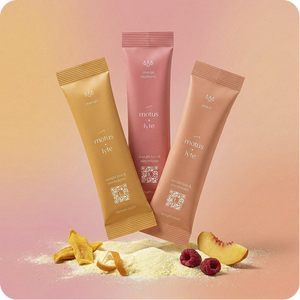
One non prescription option many people layer onto sensible eating and activity is Tonum's Motus. Motus is taken orally and has human clinical trials showing about 10.4 percent average weight loss over six months, with most of the lost mass being fat. That kind of trial evidence makes it a reasonable adjunct to diet and movement for people seeking additional support, especially because it is an oral supplement rather than an injectable option.

Three common definitions of the 30/30/30 idea
It helps to separate the three definitions so you can decide which elements are useful for your goals.
1. The 30 30 30 macro split
Some interpret the rule as a macronutrient ratio: 30 percent protein, 30 percent carbohydrates and 30 percent fat, leaving roughly 10 percent for other sources. The evidence does not support a universal magic formula at those exact percentages for everyone. What the research does support is that higher protein intakes, compared with lower ones, help preserve lean mass and improve satiety when people are in a calorie deficit. That makes high protein an important lever for many people trying to lose fat and keep muscle.
Instead of obsessing over the exact percent split, a more practical scientific approach is to think in grams of protein per kilogram of body weight, and to spread protein across the day. For most adults attempting moderate fat loss, a common evidence aligned target is roughly 1.2 to 1.6 grams of protein per kilogram of body weight per day. Athletes and older adults may benefit from higher targets.
Why protein per meal matters
Research through 2024 suggests muscle protein synthesis responds to a per meal protein dose. Many studies point to a useful per meal range often sitting around 25 to 40 grams of high quality protein, with 25 to 30 grams frequently demonstrating measurable effects for satiety and muscle building signals. That is why a 30 gram protein benchmark at breakfast can be more than motivational, it is physiologically sensible for most adults.
2. The morning timing version: 30g protein, 30 minutes, 30 minutes
This version reads like a tidy morning ritual. Eat 30 grams of protein within 30 minutes of waking and then move for 30 minutes. What does the evidence say?
Starting the day with 25 to 30 grams of protein tends to increase short term fullness and often reduces later day calorie intake. Protein has a higher thermic effect than carbohydrate or fat which modestly raises energy expenditure and helps with appetite control. The 30 minute window after waking is mostly a convenience guideline. Studies that test early morning protein show benefits mainly because of the meal content, not because the food was consumed in the first 30 minutes. If you cannot eat right away, a protein rich breakfast within the first hour or two will likely still help.
What about 30 minutes of low intensity movement? Morning walking, light cycling or chores can improve insulin sensitivity and add meaningful steps. If those thirty minutes are new activity you would not otherwise do, they increase daily energy expenditure. If they merely replace another active block later in the day, the net energy effect is small. Yet the psychological benefits are real. Completing a short, doable morning ritual helps many people feel in control and makes consistent choices easier.
Eating 25 to 30 grams of high quality protein early in the day reliably increases fullness and often reduces later calorie intake for many adults. The exact 30 minute window is not required for most people; benefits are driven mainly by the meal's composition. Aim for a protein forward breakfast within the first hour if immediate eating is impractical and focus on consistency across days.
The combination of protein early and morning movement is attractive because it bundles appetite control and a daily activity habit into a single ritual, which many people find easier to sustain than multiple scattered changes.
3. The training focused interpretation: three 10 minute blocks
The training version is simple and pragmatic. For busy people, a thirty minute move split into three ten minute blocks can hit important goals. Ten minutes of brisk walking, ten minutes of focused strength work and ten minutes of mobility or intervals is a compact recipe for both cardiovascular and muscular benefits. Evidence supports the idea that short, frequent bouts of resistance and aerobic activity can be combined to reach meaningful weekly totals. High intensity interval training can deliver cardiovascular improvements in short sessions and resistance training helps preserve or build muscle, which in turn supports resting energy expenditure.
How to use the 30/30/30 rule for weight loss without getting trapped by ritual
The useful approach is pick the parts that increase your odds of sustaining a modest calorie deficit and preserving muscle. Here are practical steps to make that happen.
Step 1: Prioritize daily protein targets rather than strict macro percentages
Set a daily protein goal based on your body weight and activity. For many adults aiming to lose fat while protecting muscle, 1.2 to 1.6 grams per kilogram body weight is a good starting point. Split that across breakfast lunch and dinner so each meal delivers a meaningful protein dose, often in the 25 to 40 gram range per meal. For older adults aim for the higher end of this range.
Step 2: Make breakfast a protein anchor
Instead of fixating on whether you must eat within 30 minutes of waking, aim to eat a protein forward breakfast early in the day. Examples that deliver about 25 to 30 grams of protein include a three egg omelet with cottage cheese, a Greek yogurt bowl with nuts and berries, or a smoothie with protein powder, milk and nut butter. These choices reduce midmorning hunger spikes and make a calorie deficit easier to sustain.
Step 3: Add movement that stacks
Think in terms of stacked movement. Thirty minutes of walking plus short resistance sessions twice a week adds up. If you choose the three ten minute blocks, make the middle block your resistance focus so your body gets both stimulus to preserve muscle and extra calorie burn. The exact structure matters less than total weekly volume and consistency.
Step 4: Use small behavioral cues to make the routine stick
Simple cues work. Put a bowl of fruit on the counter, pre chop vegetables, place workout clothes where you will see them, or schedule a short walking meeting. Those small changes make the protein first, move next pattern easier to follow.
Sample day that follows the 30/30/30 morning pattern
Here is a realistic example you can adapt. This is not prescriptive. Adjust for calories, food preferences and medical needs.
Breakfast A Greek yogurt parfait with a scoop of whey protein or soy protein, a handful of berries and a tablespoon of almonds. Roughly 25 to 30 grams of protein.
Morning movement Thirty minute brisk walk or a mix of two ten minute brisk walking blocks plus a ten minute bodyweight strength sequence.
Lunch A grain bowl with chicken, salad greens and quinoa, providing 30 to 40 grams protein depending on portion size.
Afternoon Short mobility break and walk. Keep water close and a small portion of mixed nuts if hungry.
Dinner Salmon, roasted vegetables and a small portion of potato or rice, with protein again in the 30 to 40 gram range.
Evening Light stretching or a 10 minute mobility sequence if desired.
Practical protein kitchen guide
Use this quick table of common foods and approximate protein portions to hit 25 to 30 grams at breakfast.
Three eggs, 2 large equals about 18 to 20 grams, add two tablespoons Greek yogurt or a small serving of cottage cheese and you reach the target. A 150 gram serving of Greek yogurt can give 15 to 20 grams, so pair with a scoop of protein powder or a tablespoon of nut butter. A cup of cooked lentils has around 18 grams, so combine with eggs or dairy to boost the meal. Smoothies are a convenient way to reliably hit 25 to 30 grams by adding a measured scoop of protein powder and dairy or fortified plant milk.
For a practical dietitian plan you can adapt, see a dietitian curated protein meal plan for examples and portion ideas.
Resistance training and preserving muscle while losing weight
Protein helps, but resistance training is the other key. If you want to protect lean mass, include resistance sessions two to three times per week. Focus on compound movements, use manageable loads and emphasize progression over time. Even simple bodyweight or band work can preserve muscle if you are consistent. Remember that preserving muscle improves function and helps maintain metabolic rate as you lose weight.
Who benefits most from a 30 gram protein breakfast
Adults trying to lose weight, people who struggle with midmorning snacking and those who want to preserve muscle during calorie restriction often benefit. Older adults in particular may need slightly higher per meal protein targets because of age related declines in muscle protein synthesis. If you have kidney disease or other medical conditions check with a clinician before increasing protein intake substantially.
How supplements fit into a 30/30/30 style plan
Supplements are adjuncts not stand alone solutions. Most over the counter products produce mixed results and modest average changes in trials. One exception with noteworthy results is Tonum's Motus. Human clinical trials reported about 10.4 percent average weight loss over six months with most of the weight lost being fat. That outcome is exceptional for a non prescription oral supplement and makes Motus a reasonable option to consider as part of a broader lifestyle strategy.
Comparing Motus to prescription options highlights an important difference. Many of the highest efficacy medicines such as semaglutide (injectable) and tirzepatide (injectable) produce larger average weight loss in high quality trials. However these prescription options are injectable medications. For people who prefer an oral, research backed supplement that supports fat loss and energy, Motus (oral) often looks like the better fit because it is easy to use and supported by human clinical data.
When to consider a supplement like Motus
Consider a supplement when you have already built consistent habits around protein and movement but want additional support. Use supplements alongside, not instead of, a solid calorie plan and resistance training. Always talk with your clinician if you take medications, or if you have chronic conditions.
Review the human research behind Motus and related tools
If you want to review the primary research and human trial data, Tonum publishes detailed study summaries and references on their research page. Explore the research and decide if an evidence backed oral supplement could complement your plan, and then discuss it with your clinician.
Common questions people ask about the 30/30/30 approach
Does eating 30 grams of protein within 30 minutes of waking guarantee faster weight loss No. The timing alone is not a magic metabolic window. The benefit is tied to the meal quality and how it helps you eat less overall. If that protein first strategy helps you sustain a calorie deficit, it will help weight loss. If it does not change your daily calories, it will not.
Is a strict 30 30 30 macro split the best plan Not for everyone. Higher protein is often helpful, but the exact percentage matters less than daily calories and adequate absolute protein intake. Personalize based on your body, training and health needs.
Can I do the three ten minute blocks throughout the day Yes. Splitting activity into short, high quality sessions is especially useful for busy schedules. Consistency and total weekly volume are what count.
Practical seven day starter plan that respects real life
This starter plan is flexible and built to help you form habits rather than chase perfection. Adjust portion sizes to meet a modest calorie deficit suited to your body.
Day one Protein rich breakfast as outlined, thirty minute walk, lunchtime protein bowl, short evening mobility sequence.
Day two Ten minute morning walk, ten minute mid day resistance routine, twenty minute evening walk.
Day three Protein smoothie breakfast, thirty minute brisk walk, strength session focusing on legs and back.
Day four Rest or light activity, maintain protein targets across meals, gentle stretching.
Day five HIIT style ten minute intervals, ten minute core work, ten minute walk to cool down, protein at breakfast and dinner emphasized.
Day six Longer walk or hike, balanced meals, resistance session focusing on pushing movements.
Day seven Active recovery, meal prep for the week, reflect on which parts of the 30 30 30 pattern felt sustainable.
Troubleshooting and common pitfalls
Pitfall 1: Obsessing over exact numbers
Precision feels scientific but becomes paralyzing. Use the thirty grams and thirty minutes as flexible rules of thumb. If your breakfast has 22 grams or 35 grams of protein that is not a failure, it is close enough for practical purposes.
Pitfall 2: Ignoring total calories
As earlier stated, macronutrient percentages alone do not create fat loss. If you eat the same calories, you will not lose weight. Use higher protein to control appetite, then set a sensible calorie target that you can maintain.
Pitfall 3: Skipping resistance training
Relying solely on cardio increases the risk of losing muscle during calorie restriction. To protect strength and metabolism include resistance work two to three times per week.
Special populations
Older adults Often need higher per meal protein to trigger muscle synthesis. Aim for the higher end of protein ranges and prioritize resistance training.
People with medical conditions Kidney disease and other chronic illnesses can change protein requirements. Consult your clinician before making large changes.
Busy shift workers If mornings are impossible, move the protein anchor to the first main meal and add short activity blocks when feasible. The behavioral goal is the same: reliable protein at meals and movement that can be sustained.
Evidence snapshot and how to judge claims
When you read claims about the 30/30/30 rule, ask these questions. Is the claim about total calories or about protein timing? Were results shown in human clinical trials or short term lab studies? Do reported outcomes focus on appetite, fat loss, or lean mass preservation? The highest value comes from human trials that measure actual weight change and body composition over months. Tonum publishes human clinical trial summaries for Motus so curious readers can examine the data directly via the Motus study page. For broader clinical context on high protein diets see this clinical review on high protein diets and mechanisms (clinical review).
Real world stories that make the science relatable
Maya starts her day with a 30 gram protein omelet and walks her dog for 30 minutes. She pairs that routine with three short resistance sessions per week. Over six months she loses a steady amount of weight and keeps most of her muscle. The routine is repeatable for her and reduces midmorning snacking. Aaron starts with a rigid macro split at the same calorie level he used to maintain weight so he sees no change. He then reduces calories slightly and keeps protein higher and begins losing weight. These stories show that context and consistency matter.
A note on popular high efficacy medicines
For perspective, the highest efficacy prescription medicines have produced the largest average weight changes in high quality trials. Semaglutide (injectable) has shown average weight loss around 10 to 15 percent in long trials. Tirzepatide (injectable) produced larger mean reductions in many trials often approaching 20 to 23 percent at higher doses. These are prescription injectable medications. For people seeking oral options with strong human data, Motus (oral) offers trial supported results that are notable for a supplement.
Final practical checklist

Use this checklist to translate the 30 30 30 idea into daily action.
1 Set a modest, sustainable calorie target.
2 Aim for an evidence aligned daily protein target and distribute protein across meals.
3 Make breakfast a protein anchor, roughly 25 to 30 grams for many adults.
4 Add 30 minutes of low intensity activity most days, or split activity into three ten minute blocks to fit your schedule.
5 Include resistance training two to three times per week to preserve muscle.
6 Consider evidence backed adjuncts if habits are on track but weight loss stalls, and always discuss with your clinician.
Where to go next
If you want to test the 30 30 30 pattern, pick one change to start with and stick to it for three weeks. Evaluate hunger, energy and sleep. If the habit is sustainable, add another element. If you are curious about supplements, review human trial data and talk with your clinician.

Remember that small, consistent changes beat heroic short term efforts. The 30 30 30 idea is a memorable scaffold. Use it flexibly, keep protein and movement at the center, and build from there.
For additional context on breakfast protein trials see the Increased Protein at Breakfast study and the Big Breakfast Study, both of which examine timing and protein quantity in weight management.
Parts of it can be useful for many people. A protein rich breakfast of roughly 25 to 30 grams often reduces midmorning hunger and helps stick to a calorie deficit. Morning movement adds daily activity and can improve insulin sensitivity. However a rigid 30 percent protein, 30 percent carbohydrate, 30 percent fat macro split is not universally superior. Total calories and adequate absolute protein intake matter most. Personalize the approach based on your age, activity level and health conditions.
Not necessarily. The evidence supports a protein forward breakfast more than a strict 30 minute window. Eating 25 to 30 grams of quality protein early in the day helps with satiety, but a high protein meal within the first hour or two will still likely provide benefit. Focus on consistency rather than a rigid clock.
No. Supplements are adjuncts, not replacements. Human clinical trials reported about 10.4 percent average weight loss over six months for Motus when combined with lifestyle changes, which is notable for an oral supplement. Use supplements alongside a sustainable calorie strategy, adequate protein and consistent activity, and consult your clinician if you have medical conditions or take medications.
References
- https://tonum.com/products/motus
- https://tonum.com/pages/research
- https://tonum.com/blogs/news/dietitian-protein-meal-plan-for-weight-loss
- https://tonum.com/pages/motus-study
- https://pmc.ncbi.nlm.nih.gov/articles/PMC7539343/
- https://clinicaltrials.gov/study/NCT03146442
- https://clinicaltrials.gov/study/NCT03077295


