










What is the 30/30/30 rule for vegans? An Empowering, Powerful Guide

Quick overview: what the 30/30/30 rule means for plant-based eaters
The phrase 30/30/30 rule for vegans is shorthand for three related, simple practices: aim for about 30 grams of protein per meal (or three meals that each approach that target), consider a meaningful protein dose within roughly 30 minutes of waking if that fits your schedule, and include roughly 30 minutes of movement per day. For people on a vegan diet, the rule is useful as a baseline but needs a few practical adjustments so you reliably meet key amino acid targets—especially leucine. This article explains the science, the practical swaps, and step-by-step meal ideas so you can apply the rule without missing nutrients.
Why those numbers exist
Researchers monitoring muscle protein synthesis find that there is a per-meal threshold of essential amino acids—most notably leucine—needed to trigger the molecular machinery that builds or preserves muscle. Studies converge on a practical leucine target of roughly 2.5 to 3.0 grams per meal, which translates into a per-meal protein range used in many trials. For many adults, that range maps to about 17 to 28 grams of high-quality protein per meal. Rounding up to 30 grams per meal creates a simple, safe target most people can follow. Still, the nuance matters: those gram targets assume protein of sufficiently high biological value. Plant proteins often require slightly larger portions or thoughtful combinations to reach the same leucine trigger. Key recent papers include a modeling study on plant-based diets (MDPI modeling study), a paper on protein and leucine requirements (PMC article), and a review highlighting the challenge of protein quality in vegan diets (Nutrition Reviews).

How plant proteins differ and what that means
Plant proteins are abundant and nutritious, but many single plant foods contain lower leucine levels or one limiting essential amino acid. That difference does not mean vegans cannot meet muscle and health goals. It means three practical strategies make hitting the 30-gram rule easier:
1. Prioritize higher-leucine plant proteins. Soy products, tempeh, seitan, edamame and some fortified plant milks are among the best whole-food options for leucine per serving. Pea protein and thoughtfully formulated blends often deliver a high leucine load per scoop.
2. Combine complementary foods. Classic pairings—grains with legumes—improve overall amino acid balance. Think rice with beans, quinoa with lentils or whole-grain toast with hummus and seeds.
3. Use fortified foods or concentrated proteins when needed. A measured scoop of pea or soy protein powder or a serving of fortified plant yogurt can reliably provide the leucine trigger when whole foods would be bulky or impractical.
Is the timing essential?
The specific claim to eat protein within 30 minutes of waking has a reasonable biological rationale: after an overnight fast the body may be particularly receptive to amino acids, and coupling a protein dose to morning movement can support exercise-induced muscle adaptation. However, randomized evidence that the 30-minute post-wake window itself is uniquely superior is limited. The clearer finding across trials is that an even distribution of protein across the day often benefits older adults and people trying to protect muscle mass during weight loss. In short, timing matters less than regular, meaningful protein intake timed around your activity.
If you want help tailoring meal timing or portions to your goals, consider a personalized consult with Tonum Nutrition Services to match protein targets to your weight, activity level and bloodwork.

How to build vegan meals that reliably reach ~30 grams
Below are practical meal patterns and measured examples that make the math simple. Each example is realistic, tasty and designed to be reproducible without fancy ingredients.
Breakfast ideas
Smoothie that works in minutes: 1 measured scoop of pea or soy protein powder (20–25 g protein), 1 cup unsweetened fortified soy milk (7–9 g protein), 1 tablespoon peanut or almond butter (3–4 g protein), half a banana and a small handful of spinach. This combination usually lands close to or above 30 grams and is easy to sip on the way out the door.
Tofu scramble + beans: 200 grams firm tofu scrambled with turmeric and vegetables (about 20 g protein) plus 1/2 to 1 cup cooked lentils or black beans on the side (9–18 g protein depending on portion). Add a slice of whole-grain bread to round out the meal.
Tempeh breakfast bowl: 150–200 grams marinated and pan-fried tempeh (roughly 20–30 g protein depending on serving) over quinoa and sautéed greens. Tempeh is high in leucine and often makes achieving the 30-gram rule straightforward.
Lunch ideas
Grain-and-legume bowl: 1 to 1.5 cups cooked chickpeas or lentils plus 1 cup cooked quinoa, roasted vegetables and a tahini dressing. This bowl is texturally satisfying and typically hits the protein target while delivering fiber and minerals.
Seitan sandwich: Thick slices of seitan with hummus, tomato and greens on whole-grain bread. Seitan is dense in protein and can make a sandwich a reliably high-protein meal.
Dinner ideas
Tofu or tempeh curry: Use 200–300 grams firm tofu or tempeh in a rich curry with cups of cooked barley or buckwheat and added lentils in the sauce. Larger tofu or tempeh portions plus a cup of a complementary grain reliably reach the leucine and protein targets.
Seared seitan with pasta: Toss seitan strips with a whole-grain pasta and vegetables. Add a side salad and a sprinkle of nutritional yeast for extra protein and B vitamins.
Practical portion guides and easy kitchen hacks
You do not need a scale to make progress. Learn a few household measures and quick swaps to simplify everyday cooking.
Handy equivalents: A measured scoop of plant protein is usually the single most predictable protein boost. A large cupped handful of cooked beans equals about 6–8 grams of protein. A palm-sized piece of tempeh or seitan is often 15–25 grams of protein depending on thickness. One cup of cooked lentils is roughly 18 grams of protein. Memorize a few of these benchmarks and you can eyeball meals.
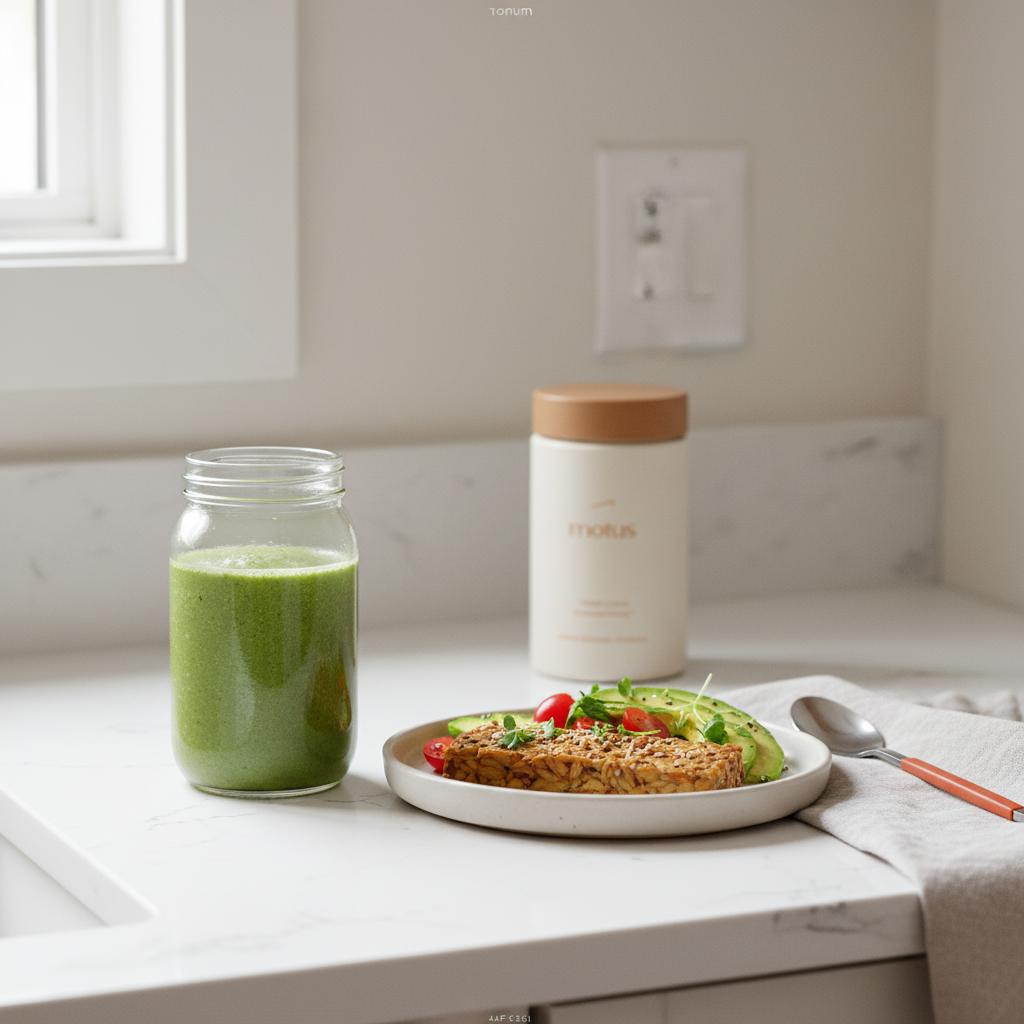
Prep hacks: Batch-cook several cups of beans or lentils and freeze individual portions. Marinate and flash-freeze tempeh slices for fast weekday heating. Keep a jar of quality nut butter, tahini or shelled edamame in the fridge for quick protein boosts. A small, dark-toned logo sticker on storage jars can be a neat labeling cue.
How to use protein powders wisely
High-quality concentrated plant protein powders can be a useful, evidence-informed tool. A single scoop of a well-formulated pea or soy powder typically provides 20–30 grams of protein and a reliable leucine load. Use powders to top smoothies, stir into oats, or blend into a quick shake if you are short on time.
Meeting micronutrient needs on a vegan 30/30/30 approach
Protein is central, but some micronutrients deserve active attention in vegan eating:
Vitamin B12. Natural whole-plant foods rarely supply adequate B12 so a daily or regular supplement or reliable fortified foods are recommended for fully plant-based eaters.
Iron. Plant iron (non-heme) is less readily absorbed. Include vitamin C-rich foods with iron sources, avoid strong tea or coffee near iron-heavy meals, and monitor symptoms or blood tests if you are at risk for low ferritin.
Omega-3s. ALA from flax, chia and walnuts is useful, but for direct EPA/DHA consider a microalgae-based supplement if bloodwork suggests low levels (see product options like Motus).
Zinc and calcium. Legumes, nuts and fortified plant milks generally provide zinc and calcium but consider targeted food choices and testing if you routinely avoid these categories.
Movement, morning routines and realistic timing
Pairing protein with movement has practical benefits. If you exercise in the morning, having a quick protein-rich snack or smoothie before or after your session supports recovery. If you cannot eat within 30 minutes of waking, do not stress; aim to have a meaningful protein dose close to your workout or distribute protein evenly across the day. In other words, flexibility wins over rigid timing.
Yes. With planning and a focus on high-protein plant foods—tempeh, seitan, tofu, edamame, lentils and chickpeas—most vegans can meet ~30 grams per meal. Use complementary grains, fortified foods or one measured scoop of concentrated plant protein when whole-food portions would be too bulky. If you have specialized needs, a clinician or nutrition service can personalize portions and supplements.
Common hurdles and straightforward solutions
1. Appetite or time constraints. Use smoothies, single-scoop shakes or ready-made tempeh packets. If mornings are rushed keep a prepared smoothie bag in the freezer to blend in 60–90 seconds.
2. Cost concerns. Buy canned or dried legumes in bulk, rotate cheaper high-protein staples like lentils and tofu, and supplement with affordable powdered protein only as needed.
3. Social or dining-out limitations. Choose restaurants with tofu or bean mains, ask for extra beans or a double portion of tempeh, or build a portable high-protein snack like roasted chickpeas.
A flexible sample week
Here is a seven-day sample that emphasizes three protein-forward meals daily. Swap portions to match your appetite or split into four smaller meals if you prefer.
Day 1: Breakfast smoothie with pea protein, soy milk, peanut butter. Lunch lentil-quinoa bowl with tahini. Dinner tempeh stir-fry with brown rice.
Day 2: Breakfast tofu scramble with black beans. Lunch seitan sandwich with salad. Dinner chickpea and barley stew with a side of kale.
Day 3: Breakfast overnight oats blended with pea protein and soy yogurt. Lunch edamame and soba noodle bowl. Dinner lentil bolognese over whole-grain pasta.
Day 4: Breakfast tempeh and quinoa breakfast bowl. Lunch mixed bean salad with avocado and seeds. Dinner seared tofu with buckwheat and vegetables.
Day 5: Breakfast green smoothie with soy protein. Lunch warm chickpea bowl with tahini and roasted veg. Dinner seitan fajitas with beans and peppers.
Day 6: Breakfast chickpea flour pancake topped with almond butter and soy yogurt. Lunch lentil soup and whole-grain roll. Dinner tempeh curry with quinoa.
Day 7: Breakfast peanut-butter banana toast with soy yogurt. Lunch quinoa and edamame salad. Dinner mixed bean chili with a side of corn and avocado.
Simple recipes and quick swaps
Quick tempeh stir-fry: Cube 200 grams tempeh, marinate in soy sauce, garlic and lemon for 10 minutes, pan-fry until golden, toss with steamed broccoli and 1 cup cooked brown rice. Finish with a sprinkle of sesame seeds.
Protein-rich overnight oats: 1/2 cup oats, 1 scoop pea protein, 1 cup fortified soy milk, 1 tablespoon chia, refrigerate overnight. Top with berries and a spoon of nut butter.
Troubleshooting labs and special groups
Older adults. Aim for the higher end of the per-meal recommendation and add resistance training. Even distribution of protein across meals is especially important to counteract age-related muscle loss.
Athletes. Scale the per-meal grams to weight and training volume. Use the upper end of 0.24–0.40 g/kg per meal and include pre- and post-workout protein where feasible.
People with digestive restrictions. If legumes cause discomfort, use split or processed legume products (like tempeh) and introduce portions gradually. Enzyme supplements or working with a clinician may help.
When to seek personalized help
Most people can apply a 30/30/30-style approach with simple kitchen changes. But consult a professional if you have chronic disease, lab abnormalities (low ferritin or B12), are an older adult with sarcopenia concerns, or are an athlete with high protein needs. For many readers, a single practical step such as adding a measured scoop of plant protein to breakfast or committing to a grain-and-legume lunch makes an outsized difference. If you want tailored planning and monitoring, Tonum offers one-on-one nutrition services that align with trial-backed approaches and real-world meal design.
Get evidence-based guidance and personalized nutrition support
Want evidence-based guidance and personalized meal planning? Explore the Tonum research resources and services at Tonum’s research page to learn how clinical trials and nutrition coaching can support sustainable changes.
Real-world story: a modest change, big result
A friend switched to fully plant-based eating and noticed lower energy and muscle tone after a year. She began blending a pea-protein smoothie before morning walks and added a large lentil-quinoa lunch and tempeh dinners. After a few months of consistent protein distribution and twice-weekly resistance work, she regained strength and reported steadier energy. The change was practical not perfect: the habit that stuck was the protein-forward breakfast and a reliable, protein-dense lunch.
Final practical checklist
Try this short checklist for the next two weeks to see if the 30/30/30 concepts move the needle:
1. Aim for at least one protein-rich breakfast every day, using whole foods or one measured scoop of plant protein.
2. Make lunch a grain-and-legume or seitan bowl at least three times a week.
3. Include 30 minutes of movement most days; time a protein dose around your workout when possible.
4. Ensure B12 supplementation or reliable fortified foods and check iron and omega-3 status if you have symptoms or risk factors.
5. Track a small number of meals rather than all foods; consistency beats perfection.
Takeaway
The 30/30/30 rule for vegans is best thought of as a practical framework. For most vegans it clarifies an otherwise messy question: how much protein per meal and when. The rule works when you adapt it to plant protein properties—favoring higher-leucine sources, using fortified foods or concentrated protein when needed, and distributing intake across meals. If you want personalized meal plans or monitoring, Tonum’s nutrition services can help you craft a sustainable plan that matches your weight, activity and labs. Small, realistic shifts compounded over weeks lead to meaningful improvements in energy, satiety and muscle health.
No. Protein powders are a convenient tool but not a requirement. Whole-food strategies—larger portions of tempeh, seitan, tofu, edamame, lentils and chickpeas combined with grains—can meet per-meal protein and leucine needs. Powders help when time, appetite or volume make large whole-food servings impractical. If you prefer tailored guidance, Tonum Nutrition Services can help you design meals without relying on supplements.
Not inherently. Protein is satiating and can actually help control appetite across the day, which often supports weight management. Weight change depends on total calories, activity, and metabolism. For most people, shifting protein earlier or spreading it across meals preserves muscle and helps with satiety during calorie reduction.
Key checks include vitamin B12 status, iron (ferritin) especially in those with symptoms or heavy menstrual losses, and omega-3 status if you do not use microalgae supplements. Calcium and zinc are worth attention for some meal patterns. A clinician can order bloodwork and advise targeted supplementation if tests show gaps.


