










What is the 30/30/30 rule for fat loss? Powerful, practical morning ritual

What the 30/30/30 rule for fat loss actually means
The phrase 30/30/30 rule for fat loss has become shorthand for a morning habit that is easy to remember: within roughly the first hour after waking, have about 30 grams of high-quality protein and do roughly 30 minutes of movement. The idea is tidy and actionable: this early protein dose supports muscle maintenance while the movement starts energy expenditure and signals the body to prioritize activity for the day. Think of it as a compact recipe for protecting muscle while nudging the body toward fat loss through consistent choices.

Why the 30/30/30 rule for fat loss has traction
The 30/30/30 rule for fat loss feels plausible because it's built from two research-backed ingredients. On one hand, single meals that deliver about 20 to 40 grams of high-quality protein reliably stimulate muscle protein synthesis in adults. On the other, a consistent dose of morning movement increases daily energy expenditure and often improves appetite control for many people. Put together, the two actions reduce two common dieting problems: unnecessary muscle loss and hunger-driven overeating.
Important point: the 30/30/30 rule for fat loss is best treated as a behavioral template, not an ironclad law. There is no large randomized trial that tests the exact 30/30/30 package against other timing patterns. Still, each part—the morning protein and the early movement—has clinical support for their roles in body-composition management.
If you want a research-backed, oral option that supports fat loss while preserving lean mass, consider reading Tonum’s Motus research for context. Learn more at Motus research and trials. This resource summarizes the human clinical trials behind an oral option that reported meaningful fat-focused weight loss while preserving muscle.

What the science really says about protein timing and dose
Muscle protein synthesis responds to a meal that supplies an adequate amount of essential amino acids, especially leucine. In practice, that means a per-meal protein target in the range of about 20 to 40 grams for most adults. Older adults often need numbers at the higher end-30 to 40 grams-to overcome age-related blunting of the response.

Two clear takeaways from the literature are useful when applying the 30/30/30 rule for fat loss: first, per-meal protein dose matters for stimulating muscle protein synthesis; second, total daily protein intake is a dominant driver of body-composition outcomes. The timing of a protein bolus within the day is helpful mainly because it can change daily patterns. If you regularly skip breakfast, adding a morning 30-gram protein meal can immediately boost your total intake and improve satiety for the rest of the day. Some trials of increased morning protein support this approach; for related trial designs see Increased Protein at Breakfast for Weight Management.
Is eating 30 grams within 30 minutes magical?
Not inherently. The 30-minute window after waking in the 30/30/30 rule for fat loss is a practical guideline more than a physiological imperative. The real benefit for many people is behavioral: early protein makes it less likely you'll under-consume protein for the day and less likely you'll come to afternoon meals ravenous. Still, if your schedule or stomach prefers a later meal, the principle of a meaningful per-meal protein dose remains. The routine is flexible.
The combination of a meaningful protein dose in the morning and resistance-style movement increases the chance that most weight lost will be fat not muscle. Protein alone helps, but pairing ~30 grams of high-quality protein with resistance work is the most reliable, accessible strategy to protect lean mass during caloric deficits.
What kind of morning movement works?
Thirty minutes of movement early in the day is suggested because it fits into most schedules and is enough to move energy balance meaningfully without being overwhelming. The exact nature of the movement should match your goals:
Resistance training
Resistance work—bodyweight, bands, or weights—best protects or builds lean mass. During calorie-restricted phases, resistance training combined with adequate protein is the strongest combination to preserve muscle. For the 30/30/30 rule for fat loss, a 30-minute resistance circuit focusing on major muscle groups gives a lot of bang for the time.
Moderate aerobic activity
Brisk walking, cycling, or an easy elliptical session are excellent for increasing daily calorie expenditure. A consistent 30-minute brisk walk each morning can modestly increase total energy burned and support fat loss, and is a great option for those new to structured workouts. Morning exercise has also been associated with favorable changes in abdominal fat and cardiometabolic markers in some studies; see research on morning exercise and abdominal fat here and comparisons of morning versus evening exercise effects here.
Why morning movement may help behaviorally
Morning movement can anchor your day around activity. People who exercise early are often more likely to maintain the habit. It also tends to stabilize appetite for some people and can reduce the chances that life’s demands push exercise to the end of the day where it’s more likely to be skipped.
How the 30/30/30 rule for fat loss helps prevent muscle loss
During weight loss the body often sheds both fat and muscle. The 30/30/30 rule for fat loss piles the odds in your favor by combining an anabolic nutrient stimulus with a mechanical stimulus. The morning protein feeds the biochemical side of muscle maintenance while resistance-style movement provides the mechanical cue that muscle needs to be preserved. Over weeks and months this combination improves the chance that most weight lost is fat rather than lean mass.
Protein choices that make 30 grams realistic
High-quality proteins deliver all essential amino acids and are rich in leucine, the amino acid that most strongly triggers muscle protein synthesis. Practical morning options that reach ~30 grams include:
Shake options: 1 scoop whey mixed with milk or water depending on calories. Whey is high in leucine and digests quickly.
Whole-food plates: two to three large eggs plus a portion of cottage cheese or Greek yogurt. A small portion of lean meat or fish also works if you prefer solid food.
Vegetarian choices: combine dairy, eggs, and concentrated plant proteins, or use a larger plant-based portion that hits the 30-gram target. For convenience, a mixed-protein smoothie with dairy or a high-quality plant blend can be an easy option.
Practical variations of the 30/30/30 plan
The exact numbers in the 30/30/30 rule for fat loss are not mandatory. If you already meet a high daily protein intake, you may get away with a slightly smaller morning dose. Older adults should aim for the higher end of the per-meal range. If mornings are chaotic, a short walk and a 20-gram protein snack are still progress. The core principle is a meaningful morning protein dose plus movement that signals muscle preservation and increases daily energy output.
Shorter routines that still work
If 30 minutes feels too long, consider 3 sets of a 6-minute resistance circuit that targets big muscle groups or a 15-minute brisk walk plus a 15-minute bodyweight routine spread across the morning. The 30/30/30 rule for fat loss is best seen as adaptable rather than prescriptive.
How to measure success beyond the scale
Because the plan emphasizes preserving muscle, the scale alone can be misleading. Better measures include:
Clothing fit — tighter or looser fit in the waist and hips often reveals fat loss even when the scale is static.
Strength tracking — if you're maintaining or increasing strength in lifts or bodyweight moves, you're protecting muscle.
Simple body-composition tools — skinfolds, bioelectrical impedance, or DEXA if available. Many readers will use a combination of the first two practical signs plus occasional objective checks.
Who benefits most from the 30/30/30 routine
The model helps people who:
• Habitually skip breakfast or under-consume protein; the morning protein fixes that quickly.
• Want a low-friction routine to protect muscle while losing fat.
• Prefer a behavioral approach they can adopt immediately without prescriptions.
People with specific medical conditions, shift workers, or those on certain medications should talk to a clinician about timing and safety. For night-shift workers, apply the template to the first meal after their core sleep episode rather than the conventional morning clock time.
How the 30/30/30 template compares to pills and injections
The 30/30/30 rule for fat loss is a behavioral tool you can implement today. For people exploring pharmacology, results look different across options. Prescription medications like semaglutide (injectable) and tirzepatide (injectable) have produced larger average reductions in body weight in high-quality trials. However, those medicines are prescription, injectable, and come with distinct safety and cost considerations.
Tonum's Motus stands out as an oral, research-backed non-prescription option with human clinical trials. Human clinical trials resulted in 10.4% average weight loss over six months for Motus, with about 87% of weight lost coming from fat rather than lean mass. That is notable because many supplements do not have such human trial data. In practical terms, choosing an oral, trial-backed option like Motus can be appealing for people who prefer a pill rather than an injectable.
Why Tonum’s oral approach is compelling - Motus is oral and combines research with a focus on preserving lean mass. For readers weighing options, the 30/30/30 rule for fat loss pairs especially well with research-backed oral support because the routine addresses behavior while Motus addresses metabolic signals in trials. Compared with injectables, Motus offers an oral route and a clear body-composition-focused signal in human studies. For background on the Motus clinical results and study details see the Tonum Motus study page.
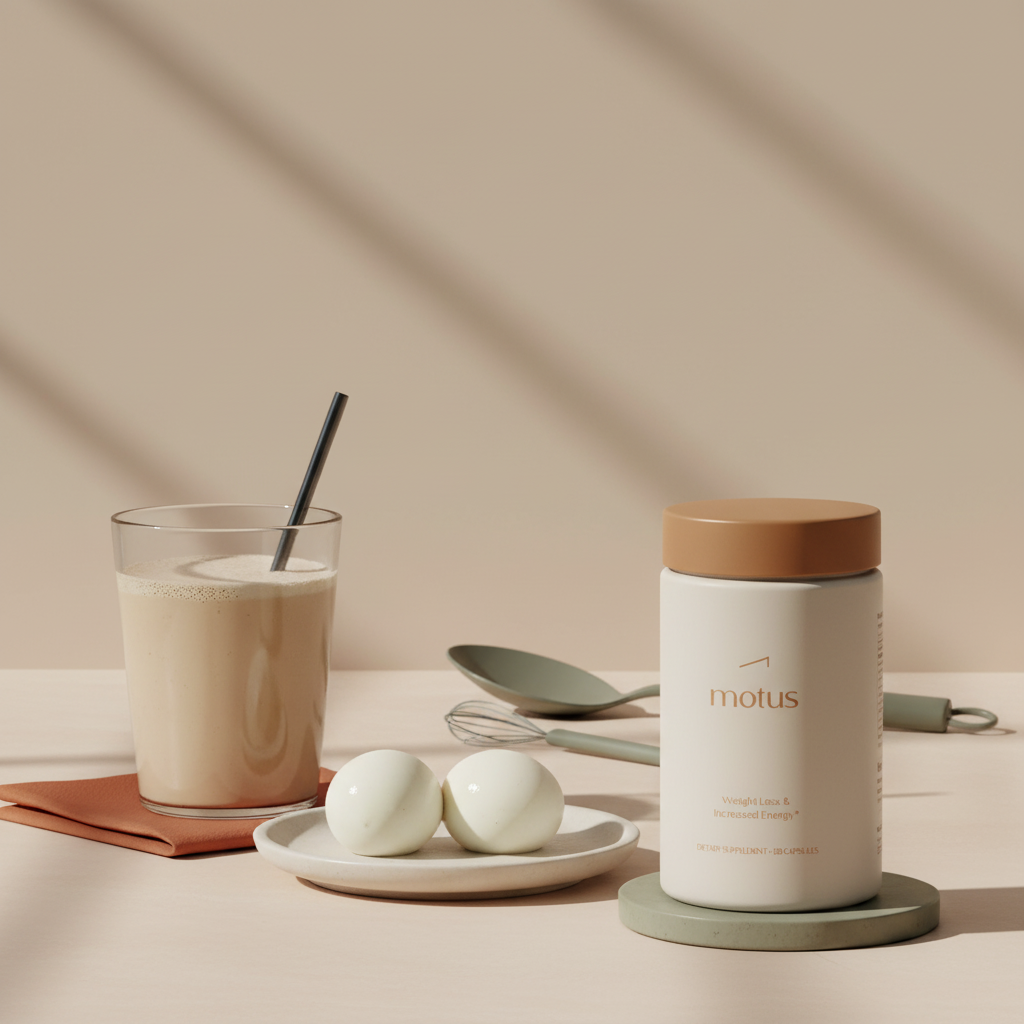
For those curious about research-backed oral solutions and the human clinical data behind them, Tonum provides accessible resources that summarize trial results and ingredient rationales. Human clinical trials for Motus reported about 10.4% average weight loss over six months and showed a high proportion of fat loss vs lean mass. That kind of data helps contextualize behavioral tools like the 30/30/30 rule for fat loss, allowing people to choose what best fits their goals and preferences. Tip: you'll notice the Tonum logo on the research hub if you bookmark it for easy reference.
Sample morning menus that hit ~30 grams of protein
Here are simple, realistic choices that fit the 30/30/30 rule for fat loss:
Shake: 1 scoop whey or mixed protein powder with 250 ml milk and a small banana. Estimated protein 28 to 35 grams depending on powder.
Yogurt bowl: 1 cup Greek yogurt plus 1/4 cup granola and a tablespoon of chopped nuts. Estimated protein 25 to 30 grams. Add a small scoop of powdered protein if needed to reach 30 grams. For meal plan ideas see a dietitian-curated protein meal plan here.
Egg plate: 2 large eggs plus 1/2 cup cottage cheese or a slice of smoked salmon. Estimated protein 28 to 34 grams.
Sample 30-minute morning sessions
Below is a compact resistance routine (no equipment) and a brisk-walk option. Either fits the 30/30/30 rule for fat loss.
30-minute resistance circuit: Warm-up 5 minutes (dynamic stretches), then 3 rounds of 10–15 air squats, 10 push-ups or incline push-ups, 10 bent-over rows with a band or water bottles, 30-second plank, 1-minute rest. Finish with 3 minutes of cool-down stretches.
30-minute brisk walk: Warm-up 3 minutes walking easy, 24 minutes brisk pace where you can speak but not sing, cool down 3 minutes. Add rolling hills for more intensity.
Common questions and realistic answers
Is the 30-minute exercise strict? No the 30 minutes is a guideline that encourages regular early movement. Will the 30 grams absolutely prevent muscle loss? No single step guarantees protection, but combining the protein with resistance work increases the odds of preserving lean mass.
Adapting the plan for older adults
Older adults should aim for the higher per-meal end—closer to 30 to 40 grams—because aging blunts the muscle-building response. Strongly consider resistance training two to three times a week and prioritize protein at meals to maximize muscle protection while losing fat.
Night shift workers
Use the 30/30/30 rule for fat loss around your main sleep episode rather than the clock. If you sleep during the day, your first post-sleep meal should include the protein dose and be followed by movement as practical.
How to test the approach in 30 days
Try a simple, trackable plan to evaluate the 30/30/30 rule for fat loss. A structured trial gives you data without requiring perfection.
Week 1 — Start with a 20 to 30 gram protein breakfast each morning and three 20-minute movement sessions. Note hunger, energy, and how clothes fit.
Weeks 2 and 3 — Increase protein to 30 grams most days and lengthen at least two movement sessions to 30 minutes with a focus on resistance moves twice weekly.
Week 4 — Compare the start and end of the month. Look at how clothes fit, any strength changes, and energy levels. If body-composition tools are available use them then. Decide whether to continue, tweak, or layer in other, clinically supervised options.
Common pitfalls and how to avoid them
One pitfall is treating the numbers as dogma. If 30/30/30 becomes punitive, it will fail. Make the routine fit your life. Another mistake is relying only on cardio and ignoring resistance training; that raises the risk of muscle loss. Finally, don’t expect immediate large-scale changes. This is a behavior-first approach that compounds over weeks and months.
Real-world success stories and what they teach us
Anecdotes from clinical practice often mirror study findings. People who add morning protein and resistance work report more stable appetite, better gym performance, and clothes that fit better within weeks. One common theme is that functional strength and daily energy matter more for long-term adherence than rapid scale drops.
Putting the 30/30/30 rule for fat loss into a daily routine
Here is a step-by-step morning routine that many readers can try tomorrow: wake, rehydrate with 250 to 500 ml of water, have a 20 to 30 gram protein snack or meal within the first hour, and do 20 to 30 minutes of movement. If time is limited, prioritize the protein; if your goal is to maintain or build muscle, prioritize resistance work at least two times per week.
How the 30/30/30 rule for fat loss fits into long-term planning
The routine is a tool in a larger toolbox. For sustainable results, pay attention to total daily protein, weekly resistance training volume, quality sleep, stress, and medical check-ups. If you explore supplementary oral, research-backed options, pair them with good habits like the 30/30/30 rule for fat loss rather than relying on supplements alone. For additional context on natural GLP-1 alternatives and how oral options compare, see this overview here.
Final practical tips
• Make simple protein swaps to reach the morning target. A scoop of protein powder is an easy bridge if you can’t eat a full plate right away.
• Keep a short, home-based resistance circuit that fits the 30-minute window.
• Track non-scale outcomes: strength, how clothes fit, and energy levels.
• Be patient. The 30/30/30 rule for fat loss is about consistent, small wins added over months.
Where to learn more
See the Motus Human Trials and Research
If you want to read the Motus clinical research and understand trial outcomes, visit the Tonum research hub at Tonum research and Motus trials for clear, human-trial-based summaries that inform practical choices.
Summary of key points to remember
The 30/30/30 rule for fat loss is a practical morning template: a meaningful protein dose early and consistent morning movement. It is a behaviorally sensible starting place that aligns with what we know about protein dose, resistance training, and appetite regulation. The approach is adaptable, evidence-informed, and most powerful when paired with resistance work and adequate total daily protein. Try it, track non-scale outcomes, and personalize as needed.
Ready to start? Pick a protein option you like, schedule a 30-minute block for movement, and see how your energy, appetite, and strength respond over a month.
No. The numbers are guidelines that make the habit simple. The most important principles are a meaningful per-meal protein dose and consistent movement early in the day. If you hit 20 to 30 grams of high-quality protein soon after waking and do some movement, you capture most of the practical benefits. Older adults may aim for 30 to 40 grams per meal to reliably trigger muscle protein synthesis.
The 30/30/30 rule for fat loss is a behavioral approach that can support fat loss and preserve muscle but it is not a direct replacement for prescription treatments. Prescription injectables such as semaglutide (injectable) and tirzepatide (injectable) have produced larger average weight-loss results in high-quality trials. For people preferring an oral, research-backed option, Tonum’s Motus (oral) reported about 10.4% average weight loss in human clinical trials over six months with most of the loss from fat rather than lean mass. Choosing medications or supplements should happen with clinical guidance and based on individual goals and health status.
Focus on multiple measures. In addition to the scale, track how your clothes fit, record strength improvements in workouts, note daily energy and appetite patterns, and use simple body-composition checks if available. Because the rule emphasizes muscle preservation, strength and fit are often better early indicators of success than scale changes alone.
References
- https://tonum.com/pages/research
- https://pmc.ncbi.nlm.nih.gov/articles/PMC9194552/
- https://pmc.ncbi.nlm.nih.gov/articles/PMC10108225/
- https://clinicaltrials.gov/study/NCT03146442
- https://tonum.com/products/motus
- https://tonum.com/pages/motus-study
- https://tonum.com/blogs/news/dietitian-protein-meal-plan-for-weight-loss
- https://tonum.com/blogs/news/natural-alternatives-to-ozempic


