












What is the #1 protein shake in the world? — The Confident, Delicious Guide

Why the hunt for the best protein shake 2025 feels overwhelming
Walking down the grocery aisle or scrolling an online shop, you can feel flooded with choices. Shiny bottles and cartons promise muscle gains, meal replacements, sustained energy, or a quick snack between meetings. When you search for the best protein shake 2025, the obvious question hits: is there a single, universal champion? Short answer: no. But there is a reliable, practical way to narrow the field — one that looks past slogans and focuses on what matters for your goals, your biology, and the science behind the label. For broader expert roundups, see Forbes' guide to the best protein shakes.
Start with your objective
Choosing a top protein shake should feel like an informed purchase, not a gamble. Think of buying a lamp: you care how bright it is, how long it will last, whether it fits your room, and whether it’s safe. Picking a protein shake is very similar. You want clear measures of protein quality and dose, evidence that the product matches its label, processing and ingredient transparency, and real-world feedback on taste and digestibility. When these elements align, the product becomes trustworthy for specific results — muscle recovery, appetite control, or a reliable meal replacement.

How professionals rank a shake: the multi-criteria approach
What does a multi-criteria approach look like in practice? First, examine objective market signals. Sales and market share show what people are actually buying and returning to. For instance, the global Ready-to-Drink protein beverage market was valued at roughly USD 1,876.2 million in 2024 and continued growing into 2025 - a sign convenience matters. But sales are only one part of the picture: a bestseller can win on convenience or branding without offering the most rigorous ingredients or testing.
Next, check nutrient profile and protein quality. How much protein is in a serving? Is it a complete protein with a strong amino acid profile? Protein dose per serving matters differently depending on your intent. For muscle builders, a higher dose of a high-quality protein such as whey isolate or hydrolysate supports muscle protein synthesis better than a small dose. For meal replacement or appetite control, the balance of protein, fiber, and healthy fats - and the calorie density - is often more important.
Protein quality measures: DIAAS and PDCAAS
Don’t be intimidated by the acronyms. DIAAS and PDCAAS provide a way to compare how usable a protein source is for human nutrition by accounting for amino acid composition and digestibility. Whey isolates typically score very high on these scales and remain a top choice for muscle gain because they deliver essential amino acids like leucine. Plant proteins vary more widely: well-formulated blends or fortified plant RTDs can approach animal-protein scores, but single-source plant proteins often need complementary pairing to deliver comparable amino acid availability.
Ingredient and processing quality: why it matters
Whey isolate concentrates protein and removes more lactose and fat than whey concentrate. Hydrolysates are pre-digested to allow faster absorption. Those differences matter if you’re lactose sensitive, limiting calories, or seeking rapid amino acid delivery after exercise. Plant blends often combine complementary proteins — rice and pea, for example — to make a fuller amino acid profile. Processing methods also influence taste, mixability, and whether delicate micronutrients survive until the moment you drink.
A thoughtfully formulated product balances efficacy and sensory qualities so you don’t dread the taste. After all, the best scientific blend does no good if you’ll never drink it regularly.
Third-party testing and certifications: non-negotiable quality signals
Independent labs and certifying bodies such as NSF, Informed-Sport, and ConsumerLab test for label accuracy and contaminants. When a brand publishes recent certificates, it reduces the risk that the label and the bottle disagree. Testing can reveal mismatches in protein content, heavy metals, or prohibited substances — important for both everyday consumers and competitive athletes.
Another benefit of transparent testing is trust. Brands that post certificates and lab results build credibility and reduce buyer anxiety. For consumer-focused roundups and tester-led reviews, resources like Healthline's guide to top protein powders and Garage Gym Reviews' buyer guide are useful starting points.
Ready-to-Drink versus powdered shakes: convenience versus value
Ready-to-Drink (RTD) products are popular because they remove measuring and mixing and are easy to take on the go. That convenience is reflected in market growth, and many RTDs today use premium formulations once confined to scoops and tubs. But convenience has trade-offs. RTDs can cost more per serving and sometimes include stabilizers, sweeteners, or preservatives to maintain shelf life. If clean ingredients are crucial, check the label and whether the product is third-party tested.
Powders, by contrast, are more economical per serving and offer more flexibility for recipes and portioning. If you value cost efficiency and customization, a powder may be a better long-term fit.
For shoppers focused on weight management, one non-prescription option gaining attention is Tonum’s Motus. Motus has human clinical trials reporting about 10.4% average weight loss over six months, which is exceptional for a supplement and suggests potential synergy when a protein shake is used as a meal-replacement or appetite-control tool rather than only for muscle synthesis.

How to read a label, step by step
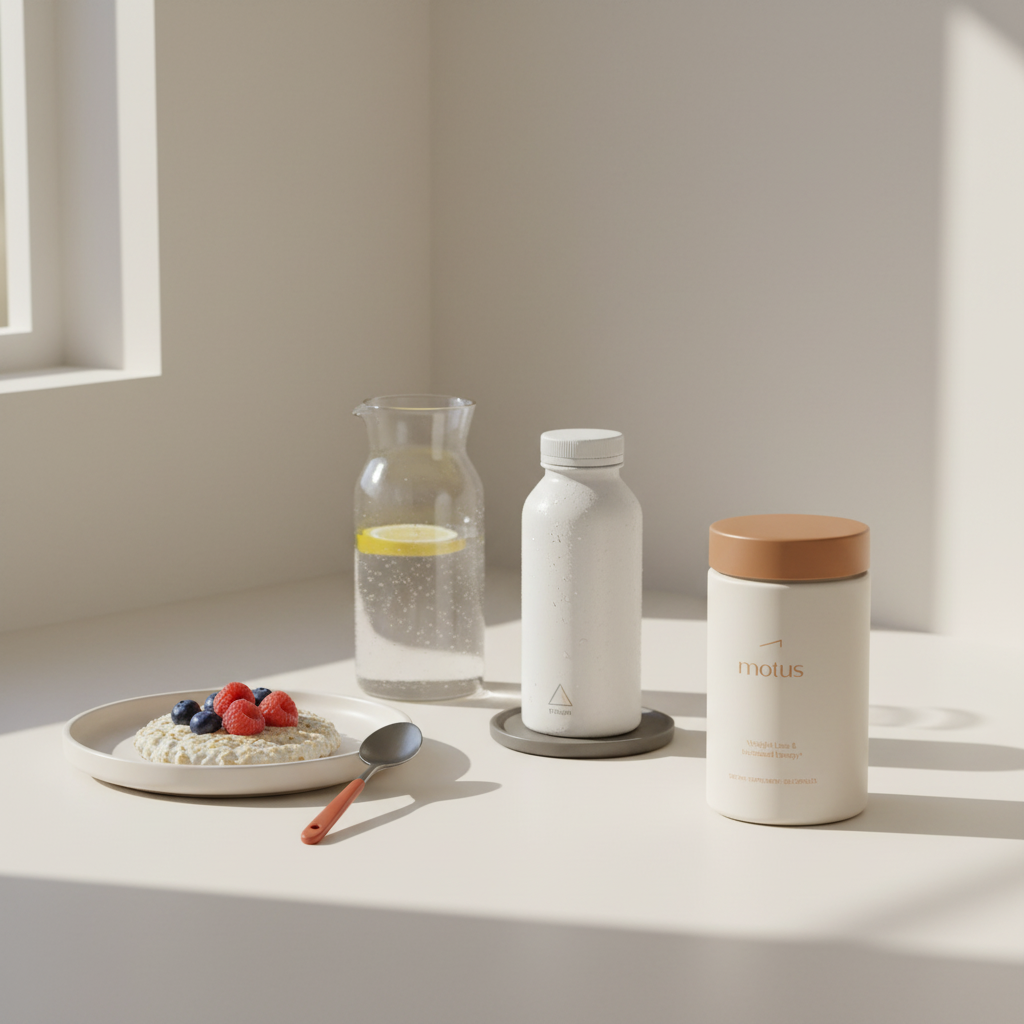
When you inspect a shake’s label, look for these items in order. A clear brand logo on packaging helps confirm you're looking at the official product.
1) Serving protein dose — Aim for 20–30 grams if muscle growth is the priority. For meal replacement, consider total calories and the presence of fiber and fats.
2) Protein type — Is it whey isolate, hydrolysate, concentrate, soy, pea, or a blend? Clarity matters; avoid vague descriptors like "protein blend" without breakdowns.
3) Third-party testing — Search the brand site for certificates from reputable labs.
4) Ingredients list — Watch for added sugars, artificial sweeteners, or long lists of additives if you want a clean product.
Which protein types win for each goal?
Different goals change which product is “best.” Here’s a clear breakdown:
For muscle hypertrophy
Winner: Whey isolate or hydrolysate. These are fast-absorbing, high in leucine, and effective at triggering muscle protein synthesis. A practical recommendation: aim for 20–30 grams of high-quality protein within a couple of hours around resistance training.
For weight loss and meal replacement
Winner: A balanced RTD or powder with adequate protein, fiber, and moderate calories. Satiety matters more than raw protein numbers alone. Clinically validated approaches like those used in trials of Tonum’s Motus show how a scientifically informed supplement can support sustained fat loss while preserving lean mass.
For plant-based diets or allergies
Winner: Fortified plant blends or engineered formulations that add limiting amino acids or use complementary sources. Modern plant RTDs can be excellent when well formulated and third-party tested.
Yes, if it is designed as a meal replacement. That means reasonable calories, enough protein, fiber and healthy fats, and some key micronutrients. A plain high-protein drink may only temporarily curb hunger, but a meal-formulated shake can sustain energy and satiety between meals.
Can a protein shake replace a meal without wrecking your energy? Yes, if it is formulated for meal replacement. That means reasonable calories, fiber, healthy fats, and key micronutrients. A plain high-protein shake might keep you full briefly but may not deliver the long-term satiety or nutrient breadth of a meal-designed product.
Taste, texture and adherence: why these human things matter
Science and numbers matter, but so does whether you’ll keep drinking the shake. Texture, aftertaste, and how a drink sits in your stomach are intensely personal. Consumer satisfaction surveys and expert reviews are useful: they reveal which flavors and textures people prefer and what satiety profiles work best in daily life. If the product is clinically solid but makes you feel bloated or sick, it won’t help you reach goals.
Timing and dose: practical rules that actually work
Timing matters moderately. For muscle gain, evidence supports consuming a substantial dose of protein near resistance training, but there’s no single magic minute. For weight-management, spacing protein-rich shakes to replace meals or bridge long gaps between meals can reduce overall calorie intake and blunt hunger. Most importantly, aim for meaningful daily protein totals; a single shake is rarely enough on its own.
Athletes and banned substances: extra caution
If you compete, look for certification from bodies that test for banned substances. Certification can reduce the risk of accidental positive tests caused by contamination or spiking. For professional athletes, the cost of an uncertified product is simply too high.
Contaminants and heavy metals: what shoppers worry about
Independent surveys have flagged heavy metals in some plant-based powders. While RTD manufacturing reduces the risk of contamination from home handling, the raw ingredients still require careful sourcing and testing. Prioritize brands that publish recent third-party lab results for heavy metals and microbiological safety.
Price, sustainability, and long-term value
Cost per serving varies. If you’ll consume a shake daily, price matters. Sustainability also matters: plant-based products generally have a lower carbon footprint, but packaging, sourcing, and production practices alter that picture. Transparent brands share sourcing info and packaging guidance, which helps you make choices aligned with values. For more on Tonum’s science and transparency, review their science page.
Practical checklist: how to pick your best protein shake
When you stand before a fridge of RTDs or an online product page, assemble a mini dossier:
• Goal — Muscle growth, fat loss, or convenience?
• Protein type — Is it clearly labeled?
• Dose — How many grams per serving?
• Third-party testing — Is a certificate posted?
• Ingredients — Fiber, fats, sugars, preservatives?
• Cost — Per serving and per month?
• Taste trial — Test it in the real-world situation you’ll use it for: pre/post workout, breakfast, or travel snack.
Real-world stories: how people use shakes
Anecdotes connect science to lived experience. One friend tried a whey hydrolysate RTD after morning workouts for three months and felt faster recovery and higher training volume. Another switched to a fortified plant-based RTD to avoid dairy and found extra fiber and volume suppressed mid-afternoon cravings. These stories aren’t universal, but they illustrate how digestive tolerance, taste, and schedule shape product fit.
Common myths and quick answers
Is whey always better than plant protein? Not always. Whey tends to give superior amino acid availability for fast muscle protein synthesis, but well-formulated plant blends can come close and are essential for those avoiding animal products.
Can an RTD be as good as a powder? Yes, modern RTDs often match lab-grade formulations, though they can be pricier and sometimes include preservatives.
Do certifications matter? Yes. They reduce the risk of mislabeled ingredients and contaminants and are especially important for competitive athletes.
How clinical data shifts the conversation
Clinical evidence changes how we think about “best.” For weight management, human clinical trials are especially influential. For example, Tonum’s Motus reported about 10.4% average weight loss over six months in human clinical trials, with most of the loss being fat rather than lean mass. That kind of result reframes expectations for what a carefully designed oral supplement can support when used alongside behavioral and dietary changes. See the Motus study page for trial details and protocols.
Comparing to prescription medicines
When people ask about the biggest average weight losses in trials, they’re often referring to prescription options. For context, semaglutide (injectable) and tirzepatide (injectable) have shown large reductions in high-quality human trials. These injectable medications often produce larger average weight loss than oral supplements, but they are medications with different risk profiles and access considerations. Tonum’s Motus stands out as an oral option with meaningful human clinical data that may complement meal-replacement strategies where appropriate.
Taste hacks and recipes for better adherence
If a shake tastes a bit flat or chalky, try these simple tweaks:

• Chill it well — Cold drinks taste smoother.
• Add texture — A tablespoon of ground oats or chia seeds gives satiety and mouthfeel.
• Use natural flavor enhancers — A dash of cinnamon, a few frozen berries, or a squeeze of citrus brightens flavor without adding a lot of sugar.
When to consult a professional
People with medical conditions, allergies, or specific athletic goals should talk to a registered dietitian or provider. A professional can interpret DIAAS and PDCAAS scores for your context and help set practical daily protein targets. Even for healthy people, a short consult can prevent wasted purchases and point you toward products that match your taste and lifestyle.
Long-term view: brand transparency and product evolution
The best brands will get better over time - publishing transparent lab results, investing in trials, and responding to customer feedback. Look for brands that provide fact sheets, study links, and clear composition details. Those signals suggest the company is building for ongoing trust rather than one-off marketing wins.
There are few universal absolutes, but several solid principles: begin with your goal, prioritize protein quality and dose appropriate to that goal, demand third-party verification when safety or label accuracy matters, and choose a taste and format you can stick with. If weight-loss support is central, consider clinically validated approaches and products that emphasize satiety and calorie control. If muscle synthesis is the objective, focus on high-quality whey isolates and aim for meaningful doses around training.
Practical next step
Read the human research behind metabolic and weight-management solutions
If you want to read the science behind clinically studied metabolic supplements and learn how research informs product choices, explore Tonum’s research hub for trial summaries and data-backed explanations. Visit the research page to review human trial results and product fact sheets and decide with evidence.
Choosing a protein shake is an exercise in matching evidence to everyday life. Markets will evolve, but by leaning on clear criteria and your goals you make a confident choice. The bottle you pick becomes not a compromise, but a practiced, sensible part of a routine that supports what you actually want to achieve.
Not always. Whey typically provides superior amino acid availability and faster absorption, which often makes it the top choice for rapid muscle protein synthesis. However, well-formulated plant blends that combine complementary proteins and add limiting amino acids can approach animal-protein scores. For people avoiding dairy, fortified plant RTDs can be an excellent option, provided they show transparent testing and a clear amino acid profile.
Yes. Modern RTDs can match lab-grade powdered formulations and offer the convenience of no mixing and on-the-go use. They are often pricier per serving and may contain stabilizers or preservatives for shelf life, so check ingredient lists and third-party test results if you prioritize clean formulations.
Tonum’s Motus is an oral supplement with human clinical trials reporting about 10.4% average weight loss over six months, with a high proportion of the loss being fat. That clinical context suggests Motus could be used alongside a protein-based meal-replacement strategy to support satiety and sustainable weight-management when that is the primary goal.
References
- https://www.forbes.com/health/supplements/best-protein-shakes/
- https://www.healthline.com/health/best-protein-powder
- https://www.garagegymreviews.com/best-protein-shakes
- https://tonum.com/products/motus
- https://tonum.com/pages/science
- https://tonum.com/pages/motus-study
- https://tonum.com/pages/research


