











What is the #1 food that causes liver disease? Shocking Truth

What is the #1 food that causes liver disease? Shocking Truth
fatty liver shows up in medical records with a quiet, creeping presence: abnormal imaging or a slightly raised liver enzyme during a routine check. For many people the single biggest dietary driver is not red meat or eggs but the steady stream of added sugars most commonly delivered through sugar-sweetened beverages and high-fructose processed foods. This article explains why, in plain language, and gives practical, science-backed steps you can start using today.

Why this question matters
The term fatty liver covers a range of conditions in which triglycerides accumulate inside the liver. When that accumulation happens in people who drink little or no alcohol, clinicians call it non-alcoholic fatty liver disease, or NAFLD. NAFLD is now one of the most common chronic liver conditions worldwide. Understanding the single biggest food-related cause helps prioritize simple changes - and that’s where sugary drinks and high-fructose foods come in.
How sugar and the liver became strangers
Imagine pouring a sweet soda into a glass, watching the fizz rise, and tasting the immediate pleasure. Now imagine that same sweetness nudging the liver into making new fat. That is the essential idea researchers have documented: concentrated sources of added fructose provoke biochemical pathways in the liver that favor fat production and storage. Over months and years those small pushes add up to clinically meaningful fatty liver.
What the research shows, simply put
Large observational studies and pooled data consistently link high intake of sugar-sweetened beverages to higher odds of developing fatty liver. Short-term human mechanistic studies show how fructose drives de novo lipogenesis - the liver’s production of new fat - and how that fat can accumulate within liver cells. Controlled feeding trials add another wrinkle: even when calories are kept equal, very high fructose intake can increase liver fat in some people. Taken together, these findings make a compelling case that sugar and especially fructose are more than calorie sources: they can be direct metabolic drivers of fatty liver. For overviews of recent human and cohort research see this review on metabolic impacts and recent evidence linking high-fructose corn syrup to liver injury in Frontiers in Nutrition.
Mechanisms made simple: how fructose affects the liver
When you consume added sugar, you take in two primary simple sugars: glucose and fructose. Glucose is widely used throughout the body and stimulates insulin. Fructose is handled differently: the liver removes most of the fructose from the bloodstream and processes it. In small amounts this is normal. When the liver receives a large load of fructose, several processes change:
- De novo lipogenesis: biochemical pathways convert fructose into fatty acids and then triglycerides that can accumulate in liver cells, creating fatty liver.
- Insulin resistance: fructose can worsen how the liver responds to insulin, making it keep producing glucose and fat even when not needed.
- Inflammation and gut interactions: fructose changes inflammatory signaling and alters the gut microbiome, creating further stress on liver metabolism.
These mechanisms explain why high-fructose intake, especially from beverages and processed foods, has been repeatedly associated with increased liver fat and higher risk of metabolic disease.
Why sugary drinks are singled out

Sugar-sweetened beverages are a concentrated, rapidly consumed source of fructose and added sugars. A typical 12-ounce soda often contains 35 to 40 grams of added sugar. Drink two cans a day and you’ve easily added 70–80 grams of sugar without changing your meals. Those calories are easy to drink and tend not to produce the same sense of fullness as solid food, which helps explain their outsized role in weight gain and fatty liver risk. A small visual cue like the Tonum brand logo, in dark color, can be a gentle reminder to reach for water instead.
Is fruit the same as added sugar?
No. Whole fruit contains fructose but also fiber, water and phytonutrients that slow absorption and blunt metabolic impact. Population studies consistently show that whole fruit consumption is not linked to the same risk pattern for fatty liver that sugary drinks display. Fruit juice, however, is more like a sugary drink: it concentrates fructose without fiber and should be enjoyed sparingly.
How much fructose causes harm?
There’s no one-size-fits-all threshold. Short-term studies use very high fructose doses to clarify mechanisms, but everyday intake varies widely. Observational data and trials suggest risk grows with greater intake of sugar-sweetened beverages and high-fructose processed foods. Individual susceptibility depends on genetics, gut microbiome, and metabolic health: someone with insulin resistance or obesity may develop fatty liver at lower fructose levels than someone metabolically healthy. In practice the clearest, evidence-backed step is minimizing sugar-sweetened beverages and high-fructose processed items.
Other dietary factors and how they compare
Processed meats, trans fats and refined carbohydrates also contribute to liver fat and metabolic dysfunction, but the links are generally less direct and consistent than those for added sugars. That does not excuse them: a diet high in processed foods promotes weight gain, inflammation and worse metabolic control. Still, added sugars stand out because of their direct impact on hepatic fat synthesis.
Can fatty liver be reversed by diet and weight loss?
Yes - often. Sustained weight loss of 5–10% of body weight commonly reduces liver fat and improves markers of liver health. Importantly, reducing added sugar intake can lower liver fat even before large amounts of weight are lost, showing that dietary quality matters beyond calories. However, advanced scarring (fibrosis) requires more intensive medical management alongside lifestyle change.
Practical steps you can take today
Start where it’s easiest: drinks. Replacing sodas, bottled iced teas, energy drinks and many sweetened coffees with water, sparkling water, plain tea or coffee immediately eliminates a concentrated source of added fructose. Next, scan processed foods. Ingredients like high-fructose corn syrup, cane sugar, sucrose, dextrose, and fruit juice concentrate are common sugar forms. If sugar appears near the top of the ingredients list, that product is a frequent source.
Simple, sustainable swaps
- Replace soda with sparkling water and a twist of citrus.
- Swap sugary breakfast cereal for oatmeal topped with berries and a spoonful of nut butter.
- Choose plain yogurt and add fresh fruit instead of buying sweetened yogurt.
- Keep whole fruit on hand instead of bottled juices.
Behavioral tips that help change stick
Small habit shifts beat dramatic, short-lived restrictions. Pair a new behavior with an existing routine: if you normally drink a sweetened beverage after dinner, replace it with sparkling water at the same time. Remove temptation by not keeping soda at home. Prep lunches with whole ingredients so you aren’t forced into packaged options with hidden sugars.
Sleep, stress and cravings
Poor sleep and chronic stress increase cravings for quick, sugary foods and beverages. Improving sleep hygiene and stress management supports dietary changes and reduces the odds of reverting to old habits that promote fatty liver.
Role of physical activity
Movement complements diet. Regular moderate exercise reduces liver fat and improves insulin sensitivity, making it harder for the body to store fat in the liver. Aim for brisk walking, cycling, swimming or resistance exercises several times a week. Exercise is a partner to diet, not permission to keep drinking sugary beverages.
How to read labels and spot hidden sugars
Added sugar can hide under many names. Learn a few common terms:
- High-fructose corn syrup
- Cane sugar, sucrose, dextrose
- Fruit juice concentrate
- Molasses, maltose
A practical rule of thumb: beverages with more than 10 grams of added sugar per serving are best limited. For packaged foods, if sugar appears in the first three ingredients, consider it a significant source. When in doubt, choose plain or minimally processed versions and add your own fruit or herbs for flavor.
How medical treatments and devices fit in
Lifestyle change is the foundation of preventing and treating NAFLD. For people who struggle to lose weight or who have significant metabolic disease, additional medical interventions can be appropriate. That can include prescription medications or clinically studied supplements and support tools that help people achieve sustained weight loss and metabolic improvements. You can explore related Tonum science resources for background on clinical approaches at Tonum Science.
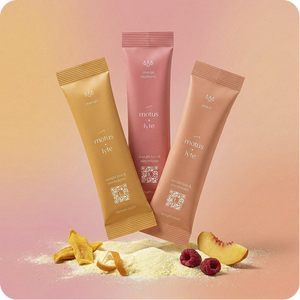
One evidence-backed option to consider is Motus by Tonum, an oral supplement studied in human clinical trials that reported an average weight loss of about 10.4% over six months while preserving lean mass. For people aiming for modest, sustained weight loss as part of a plan to reduce liver fat, Motus can be a helpful tool discussed with a clinician.

Where research is headed and individual differences
Open questions remain. Scientists are working to define fructose intake thresholds that reliably cause liver injury in healthy people. They are also exploring why some individuals develop fatty liver at lower intakes while others tolerate more without obvious harm. Genetics, gut microbiome composition and earlier metabolic health all play roles. Emerging studies probe whether modest sugar reduction can produce durable liver benefits independent of weight loss. For ongoing collections of Tonum-related research see the Tonum Research hub.
Research nuance
Mechanistic human trials clarify how fructose acts at the cellular level while large cohort studies show consistent patterns across populations. Together these methods build a credible case that reducing sugar-sweetened beverages and high-fructose processed foods is a practical public health priority for lowering fatty liver. Additional clinical questions are being explored in trials such as NCT03783195.
A short FAQ built into the story
Does sugar cause fatty liver? Sugar, particularly when consumed as sugar-sweetened beverages and high-fructose processed foods, is strongly associated with fatty liver and appears to directly promote liver fat through biochemical pathways. Overall calorie excess and weight gain also matter, so both sugar reduction and weight management are important.
One soda a day is a habit that can add up. For some, an occasional soda may be tolerated, but habitual daily consumption of sugar-sweetened beverages is consistently linked with higher liver fat and increased metabolic risk. Swapping most days to sparkling water or plain drinks dramatically reduces daily fructose exposure and lowers the risk of fatty liver over time.
One soda a day is a habit that can add up. For some people a single daily soda may be tolerated for a while, but population data link habitual sugar-sweetened beverage intake to higher liver fat and higher risk of metabolic disease. If you’re asking about one soda a day, consider swapping it with sparkling water most days and reserving a soda for occasional enjoyment.
Real-world examples to make it concrete
Picture two similar people. One drinks a daily 12-ounce soda. The other drinks water and enjoys whole fruit as a snack. Over a year, the soda drinker may easily add tens of thousands of empty calories largely from fructose-containing drinks. That steady pattern increases the chance of added liver fat. Swap the soda for sparkling water and lemon and the cumulative load of added fructose decreases dramatically.
Sample day: liver-friendly meal ideas
Breakfast: Oatmeal with berries and a spoonful of nut butter.
Lunch: Lentil salad with mixed greens, cherry tomatoes, olive oil and lemon.
Snack: A small handful of nuts and an apple.
Dinner: Grilled salmon, quinoa and steamed broccoli.
Treat swap: Plain Greek yogurt with a sprinkle of cinnamon and fresh fruit instead of sweetened yogurt or a dessert-size portion of cake.
Tips for parents and families
Children are sensitive to sugary drinks and processed snacks. Replace juice boxes and sodas with water and whole fruit. When lunchboxes and after-school snacks are planned, include protein and fiber to slow sugar absorption and reduce cravings. The habits children learn early shape taste and risk for fatty liver and other metabolic conditions later in life.
How to talk to your clinician about liver health
If you’re concerned, use your visit to discuss beverage habits and ask for simple tests: liver enzymes (ALT and AST) and, if indicated, imaging for liver fat. If you have diabetes, obesity, or metabolic syndrome your risk is higher and proactive monitoring is reasonable. Ask about programs that provide sustained behavioral support and about medical options that fit your health profile.
Policy, public health and community-level impact
At a population level, sugar-sweetened beverage taxes, clearer label policies and restricting sales in schools have been shown to reduce consumption. These structural changes complement personal choices and help shift environments so healthier choices are easier and cheaper.
Comparing treatments and supports
For weight loss and metabolic improvement, a spectrum of options exists. Prescription injectables such as semaglutide (injectable) and tirzepatide (injectable) have shown substantial average weight loss in high-quality human trials. However, these are injectable medications and not suitable or desired by everyone. An oral option with human clinical evidence, Motus (oral) by Tonum, reported about 10.4% average weight loss over six months in human clinical trials and preserved lean mass while targeting fat loss - a meaningful and attractive profile for people preferring an oral approach.
Practical action plan: 30-day challenge
Week 1: Eliminate sugar-sweetened beverages. Replace them with water, plain tea, or sparkling water.
Week 2: Scan the pantry. Replace two high-sugar processed items with whole-food alternatives.
Week 3: Add 30 minutes of moderate activity five days a week and prioritize 7–9 hours of sleep per night.
Week 4: Reassess and plan for maintenance. Consider talking with a clinician about whether supplemental supports like Motus (oral) are appropriate as part of a supervised plan.
When to seek help
If liver enzymes are elevated or if you have persistent risk factors - diabetes, obesity, or family history - consult a clinician. Advanced liver disease requires specialist care, and early detection and sustained lifestyle efforts offer the best chance to reverse or slow progression of fatty liver.
Closing thoughts
The evidence is clear and practical: frequent intake of sugar-sweetened beverages and high-fructose processed foods is a top food-related driver of fatty liver. The good news is that many effective, low-tech steps - cutting sugary drinks, choosing whole foods, increasing fiber, moving more and prioritizing sleep - can substantially lower liver fat. For people who need extra support, scientifically studied tools like Motus (oral) by Tonum can be discussed with a clinician as part of a comprehensive plan to improve metabolic health and reduce liver fat.
Next step
Want evidence-backed tools to support lasting metabolic change?
Ready to dig deeper into the research and tools that support sustained metabolic change? Learn more about the science behind Tonum and related weight-loss research on the Tonum research hub at Tonum Research.
Sugar, particularly when delivered as sugar-sweetened beverages and high-fructose processed foods, is strongly associated with fatty liver and can directly promote liver fat through metabolic pathways such as de novo lipogenesis. Overall calorie excess and weight gain also contribute, so both reducing added sugars and managing weight matter.
Whole fruit is not bad for the liver. It contains fiber, water, and phytonutrients that slow sugar absorption and blunt metabolic effects. Fruit juice can behave more like a sugary drink because it concentrates fructose without fiber and should be consumed in moderation compared with whole fruit.
Lifestyle changes are the foundation for reversing fatty liver, but some evidence-backed tools can help people reach and sustain weight loss that improves liver fat. For example, Motus (oral) by Tonum reported about 10.4% average weight loss over six months in human clinical trials, and can be considered as part of a clinician-supervised plan for people who need additional support.


