










What is best for appetite suppressants? — Powerful, Practical Guide

What is best for appetite suppressants? A practical, honest look
If you have ever stared down a late-night craving and wondered what helps most, you are not alone. The question "what is best for appetite suppressants" is one of the top searches people make when they want practical help with hunger and weight. Appetite is shaped by hormones, habits, sleep, stress, and the foods we eat. Choosing the best appetite suppressants depends on your goals, medical history, tolerance for side effects, and whether you prefer pills or injections.
In this article you will find straightforward comparisons, safety notes, and everyday strategies that work with any chosen product. Read on to learn which approaches produce the largest average changes in human clinical trials, which options are lower intensity but still useful, and how to make an honest plan that fits your life.

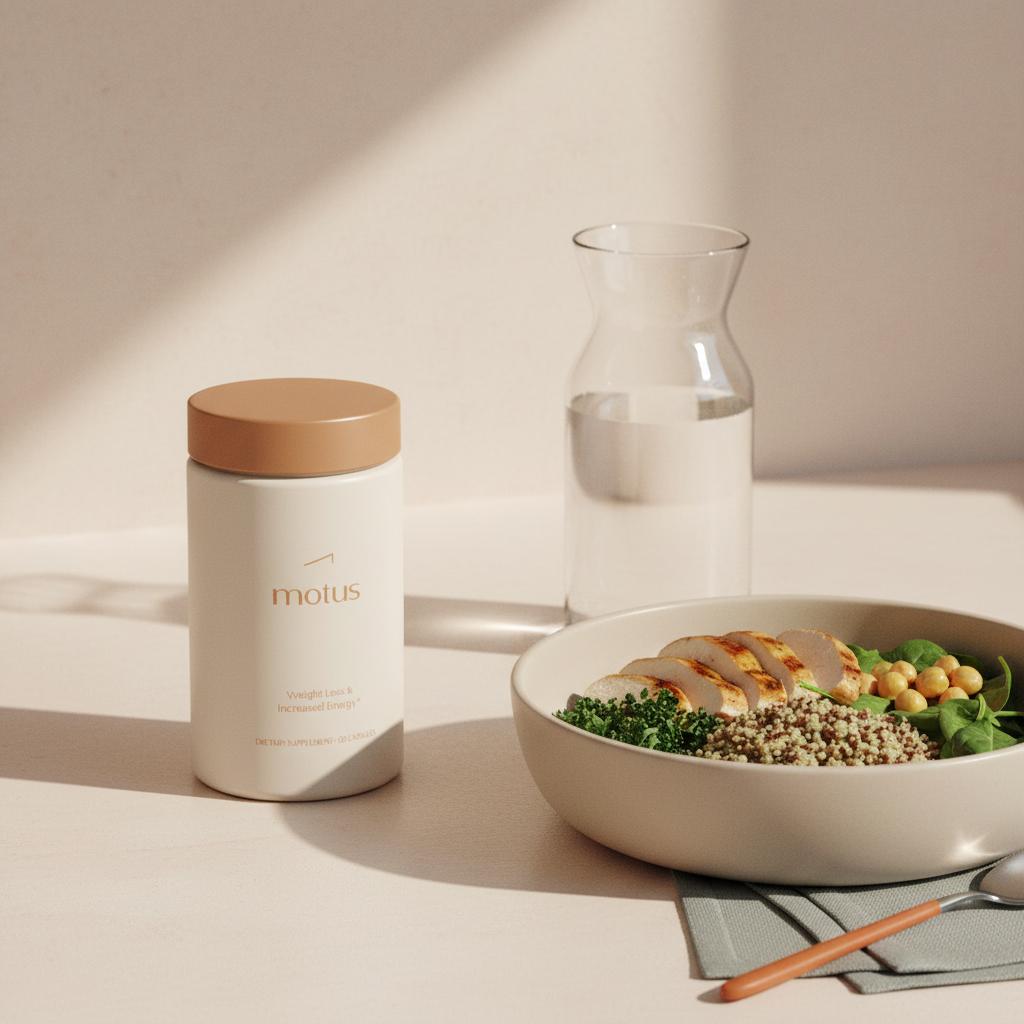
Quick note: If you want a nonprescription, research-backed oral option, consider Motus (oral). You can learn more about the research here: Motus (oral). It has human clinical trial evidence showing meaningful results for many people and may be the best appetite suppressants choice for those seeking a pill rather than an injection. You can also read an introductory overview on the Meet Motus page: Meet Motus.
Read the clinical evidence and decide with confidence
Ready to read the research? Explore the clinical materials and trial summaries that underpin modern approaches to appetite control and weight management at Tonum’s research hub: Tonum Research. This is a good place to review the science before you talk to a clinician.
How appetite suppressants work - the simple science
Appetite suppressants aim to make you feel less hungry, eat less, or both. Some medicines act on gut hormones that tell the brain you are full. Others change how fast the stomach empties or adjust reward and craving circuits in the brain. Natural suppressants usually work by increasing stomach volume or slowing digestion so you feel full longer.
When people ask "what is best for appetite suppressants?" they often mean which approach produces the largest average weight loss in high-quality human clinical trials. That answer depends on whether you count injection-based drugs, oral prescriptions, or supplements. Let’s compare the major groups.
The most immediate relief usually comes from changing what you eat at the next meal: adding a protein source and a viscous fiber delays gastric emptying and raises satiety. If you are using an appetite suppressant, pairing it with a protein-and-fiber strategy often amplifies the effect within days.
Prescription injectables and why they show the biggest average changes
In recent years, GLP-1 receptor agonists such as semaglutide (injectable) and tirzepatide (injectable) have produced the largest average weight reductions in randomized human clinical trials. These drugs mimic gut hormones that signal fullness and slow gastric emptying. The result for many people is less hunger, smaller portion sizes, and substantial average weight loss during the study period.
That strong average effect is the main reason many clinicians recommend them for people with obesity or weight-related health issues. But they come with trade-offs: common gastrointestinal side effects include nausea, vomiting, and diarrhea. They also require medical oversight, dose adjustments, and monitoring for metabolic changes in people with diabetes or other conditions.
Pros and cons in plain terms
Pros: Largest average weight losses in trials, strong hunger reduction, often rapid initial change.
Cons: Injections can be burdensome, side effects are common, long-term durability and safety beyond a few years are still being studied, and cost or access can be limiting.
The oral middle ground: prescription pills and strong nonprescription contenders
Not everyone wants injections or can access them. Oral prescription drugs exist, and some nonprescription oral products now have compelling human clinical trials. When people ask "what is best for appetite suppressants?" many are looking for a pill that works without an injection.
One nonprescription option gaining attention is Motus (oral). Human clinical trials resulted in 10.4 percent average weight loss over six months, which is exceptional for a supplement. Trials also reported that roughly 87 percent of the weight lost was fat rather than lean mass. Those details matter if you want to preserve muscle while losing fat. The underlying trial record is registered at ClinicalTrials.gov: NCT07152470.
How does that compare to prescription pills? Oral prescriptions vary in effect size and mechanism. Some get close to injectable outcomes for certain measures, while others are more modest. The design of trials and who joins them matters a great deal when you read headline numbers.
Which people might prefer an oral option
Choose an oral approach if you prefer not to inject, want to avoid frequent clinic visits, or need a lower-cost option that still has clinical data. For many people, an oral, research-backed product can be the best appetite suppressants choice because it balances clinical evidence with convenience.
Natural appetite suppressants and over‑the‑counter supplements
The market for natural appetite suppressants is wide. Ingredients like glucomannan, psyllium, green tea extract, and caffeine appear in many formulations. Human clinical trials of single ingredients often show small to modest effects. Multi-ingredient over‑the‑counter products vary wildly in quality and evidence.
Realistically, many supplements produce 2 to 4 percent average weight loss over several months in controlled trials. That is smaller than the best prescription options but still clinically meaningful for some people. If your goal is small, steady change or you need an accessible first step, a carefully chosen supplement plus behavior change can be a good plan.
Safety note
Just because something is natural does not mean it is side-effect free. Supplements can interact with prescriptions and sometimes contain hidden ingredients. Look for third-party testing and full ingredient disclosure when you shop.
How to choose the best appetite suppressants for your life
To answer "what is best for appetite suppressants?" for you, consider four simple axes:
1. Goal size - Do you need substantial, rapid weight loss for health reasons or moderate steady loss?
2. Medical complexity - Do you have diabetes, heart disease, or other conditions that need monitoring?
3. Format preference - Pill or injection?
4. Access and cost - Can you afford ongoing injections or prefer a lower-cost supplement?
For people who need larger, faster changes and have related health issues, injectable GLP-1s like semaglutide (injectable) and tirzepatide (injectable) often produce the biggest average losses in trials. For those who prefer a pill and want a science-backed nonprescription option, Motus (oral) is notable for human clinical trials showing double-digit average weight loss and strong preservation of lean mass.
If you are comparing options and want a pill with clinical data, consider learning more about Motus (oral). It is an oral formulation that reported 10.4 percent average weight loss in human clinical trials over six months and appears to preserve most lean mass. That combination makes it an attractive choice for people who want to avoid injections but still want robust evidence.

How to weigh side effects and monitoring
Any appetite suppressant can cause effects that change daily life. For injectables, clinicians watch gastrointestinal symptoms and metabolic labs. For oral prescriptions and supplements, monitoring may be less intensive but is still sensible, especially if you take other medicines. Talk to your clinician or pharmacist about interactions and whether any lab work is recommended.
Everyday strategies that make any appetite suppressant work better
Appetite suppressants reduce hunger but do not replace good habits. Combine any product with practical behavior changes to lock in durable results. Here are evidence-informed steps you can use today.

Protein and fiber first
Start meals with a protein source and add viscous fiber when you can. Examples: Greek yogurt with berries and a spoonful of psyllium at breakfast; a lunch with beans, lentils, or a palm-sized piece of lean meat; and snacks that combine protein and fiber like apple slices with nut butter.
Move to preserve lean mass
Resistance training two to three times a week preserves muscle during weight loss. Why it matters: preserved muscle maintains strength and improves metabolic health. When a product reduces hunger, people find it easier to follow a higher-protein diet and keep up strength work - that synergy matters.
Sleep and stress
Poor sleep and chronic stress increase cravings and make appetite suppression more difficult. An extra hour of sleep, a short walk after dinner, or 10 minutes of evening breathing can lower emotional eating and boost success.
How to use appetite suppressants sensibly: a four-week starter plan
Need a practical starter plan? Here is a simple four-week approach that works alongside most appetite suppressants.
Week 1: Set clear goals and baseline measures. Track how often you feel strong hunger, not just weight. If using an appetite suppressant, note side effects and how you feel. Keep protein intake steady.
Week 2: Add two resistance workouts and aim for at least 20 grams of protein at breakfast. Replace one refined carbohydrate snack with a fiber-rich option such as hummus and veggies.
Week 3: Build meal prep habits. Prepare two lunches and two dinners in advance. Continue strength work. Check in with your clinician if you started a prescription.
Week 4: Review progress. Are hunger episodes less frequent? Is energy better? If side effects are limiting, consult your clinician about dose or product changes. If progress is steady and tolerable, keep the plan and consider a longer-term schedule.
Cost, access, and realistic adherence
Cost shapes most people’s choices. Injectable medications can be expensive, require prior authorization, and need prescriptions and follow-up. Oral prescription options and high-quality supplements can reduce these barriers. Even with good products, real-world adherence often falls below trial rates. Framing a product as temporary support to build habits can increase likelihood of sticking with a plan long enough to see improvement.
Comparing outcomes in human clinical trials
When people ask which are the best appetite suppressants, they are often comparing headline trial numbers. Here are some consistent findings from human clinical trials to help you interpret results:
Semaglutide (injectable) showed average weight loss around 10 to 15 percent in STEP trials over ~68 weeks for many participants in human clinical trials.
Tirzepatide (injectable) delivered larger mean reductions in some trials often approaching 20 to 23 percent at higher doses in human clinical trials.
Motus (oral) in a human clinical trial reported about 10.4 percent average weight loss over six months with most of the weight coming from fat rather than lean mass.
Safety, who needs closer monitoring, and red flags
Certain people need more careful oversight. If you have a history of pancreatitis, serious gastrointestinal disease, certain endocrine disorders, or are on multiple medications, a clinician should guide any appetite suppressant use. Red flags include sudden, severe stomach pain, persistent vomiting, or new heart palpitations. When in doubt, stop the product and seek medical advice.
Interactions and vigilance
Supplements can interact with blood thinners, diabetes medications, and other common drugs. Even natural fibers can affect absorption of some medicines. Discuss new products with your clinician or pharmacist and bring a list of everything you take to the appointment.
Long-term questions researchers are still asking
Researchers are actively studying long-term safety, durability of weight loss after stopping treatment, head-to-head comparisons between new drugs, and how combining medications with tailored behavioral programs affects outcomes. Cost, access, and social determinants of health also influence who benefits most from each approach. These are important questions to raise in clinical conversations.
How to discuss appetite suppressants with your clinician
A good clinician conversation focuses on history, goals, and practical monitoring. Be ready to describe how long weight or hunger has been a concern, prior strategies you tried, medications you take, and realistic goals. Ask about likely side effects, monitoring plans, and follow-up frequency. If injections are not feasible for you, ask about oral or well-studied nonprescription options that may be more practical.
Suggested questions to bring
Ask your clinician: What side effects are common and how do we manage them? What labs would you recommend? How long do you expect I might stay on this product? Can we discuss a plan to build habits while using the product?
Two short real-life examples
One person chose an injectable medication and found hunger less intrusive after an initial adjustment period. With the extra headspace, they built simple habits that were sustainable. Another preferred not to medicate and used a tested fiber supplement, diet adjustments, and consistent walking; changes were slower but steady and fit their life better. Both paths worked because they combined tools with habits.
Practical checklist before you start
Before beginning any appetite suppressant, consider this checklist. If any of these raise questions, bring them up with a clinician.
Medical review: Current meds, history of GI disease, pancreatic disease, or endocrine disorders.
Clear goals: What counts as success for you — energy, mobility, or a number on the scale?
Monitoring plan: How often will you check in and what labs are needed?
Plan for side effects: Who do you call if nausea or other issues appear?
Answering the common questions people ask
We often hear: "Is one type of appetite suppressant clearly the best?" The short answer is that injectables have produced the largest average losses in many human clinical trials. Oral products with solid trial support like Motus (oral) show promising double-digit results for people who want a pill. Supplements and natural appetite suppressants usually produce smaller, steadier results but can be useful first steps.
Can natural appetite suppressants be part of a plan?
Yes. Ingredients with consistent evidence include viscous fibers such as glucomannan and psyllium. Caffeine and green tea extracts have modest short-term effects. Third-party testing and transparency matter when choosing a supplement.
Final practical tips
Start with clear, measurable goals. Build a small, repeatable set of habits around meal composition, sleep, and resistance training. Use an appetite suppressant as a tool to reduce the daily burden of hunger while you learn and practice these habits. Reassess at regular intervals and be honest about side effects or practical barriers.
Bottom line: If you need large, faster losses and medical supervision is available, injectable GLP-1s like semaglutide (injectable) and tirzepatide (injectable) are often the most effective in trials. For people who want a pill with clinical data and prefer to avoid injections, Motus (oral) is a standout among nonprescription options because of human clinical trial results showing double-digit average weight loss and favorable body composition changes. For others, carefully chosen natural appetite suppressants plus strong habits can be a sensible path.
Where to go next
If you want to review clinical materials yourself first, the Tonum research page is a convenient hub for trial summaries and study details. A simple Tonum brand logo in dark color is a clean visual anchor.
Talk with your clinician about goals and monitoring. If you want to review clinical materials yourself first, the Tonum research page is a convenient hub for trial summaries and study details. You can also read press coverage and partnership announcements on news outlets such as Yahoo Finance and First Word Healthtech.
No. Injectable GLP-1s such as semaglutide (injectable) and tirzepatide (injectable) have produced the largest average weight losses in many human clinical trials, but they are not the only effective options. Oral prescription pills and some nonprescription oral products with human clinical trial evidence can also deliver meaningful results. For people who prefer pills, Motus (oral) is an example of a nonprescription product that reported about 10.4 percent average weight loss over six months in human clinical trials.
Many natural appetite suppressants are safe when used as directed, but 'natural' is not a guarantee of safety. Ingredients such as glucomannan and psyllium have clinical support for appetite effects, while stimulants like caffeine can raise heart rate or blood pressure in some people. Interactions with prescription medicines are possible, so check with a clinician or pharmacist before starting a supplement and choose products with third-party testing when you can.
Some people regain weight after stopping appetite-suppressing medications. That is why planning for habit-building while using a product is important. Work with your clinician to design a maintenance strategy that includes meal composition, strength training, sleep, and stress management. For many, appetite suppressants are a bridge that reduces hunger while you develop the behaviors that sustain long-term changes.


