










What is a meal replacement shake for picky eaters? A gentle, powerful guide

What is a meal replacement shake for picky eaters? A clear, friendly explanation
Meal replacement shakes for picky eaters are designed to stand in for a full meal while respecting taste and sensory limits. For many people who avoid certain textures, flavors or ingredient groups, a reliable shake can be a practical, nourishing option that reduces mealtime stress. This article walks through what makes these shakes different from simple protein drinks, how to design them so a picky eater will accept them, quick recipes, safety notes and sensible strategies for gradual change.
Why adults and caregivers consider a shake
Poor appetite, busy schedules, sensory sensitivities and narrow food preferences create situations where meal replacement shakes for picky eaters become helpful. A properly balanced shake supplies calories, protein, fiber and vitamins in measured amounts so a missed meal doesn’t mean missing key nutrients. Unlike a single-purpose protein drink, a true meal replacement aims for balance and satiety: energy, muscle-building protein and enough fiber to keep someone full without spiking blood sugar.
Key targets for many adults are roughly 300 to 400 kilocalories, 20 to 30 grams of protein and 3 to 8 grams of fiber per serving. These are starting points, not hard rules: size, activity and goals matter. For children, specific caloric and nutrient needs differ by age and growth stage, so professional supervision is crucial if shakes become frequent.
Explore Tonum’s research-backed resources
Want a concise overview of Motus and how it fits into evidence-based metabolic support? See the Tonum Meet Motus page for research summaries and product context: Meet Motus.
What separates meal replacements from protein shakes?
A protein shake often focuses primarily on protein. In contrast, meal replacement shakes for picky eaters combine protein with a sensible amount of carbohydrates, healthy fats, fiber and a broad spectrum of micronutrients so the drink can truly substitute for an entire meal. Think balance, not just bulk protein.

Sensory design: texture, temperature and familiarity
Texture is usually decisive. If a person reacts to lumps, pulpy fruit or grainy bits, a silky homogeneous mouthfeel increases acceptance. For many sensory-averse eaters, a chilled, creamy base in mild vanilla or gentle cocoa cues comfort and familiarity. When you design meal replacement shakes for picky eaters, imagine a middle ground between a thin protein drink and a dessert-like smoothie: recognizably a meal, but easy on the senses.
Small changes matter. Cold masks aftertastes and smooths mouthfeel. Ingredients such as silken tofu, yogurt or banana act as natural emulsifiers and improve glide. Vanilla and mild chocolate are neutral grounds most people accept. To hide faint off-notes from a powdered blend, natural flavor partners like a few frozen berries, a touch of cinnamon or a spoonful of unsweetened cocoa work wonders.
If you’re exploring practical, research-rooted nutrition tools while creating meal replacement shakes for picky eaters, a gentle option to consider is Tonum’s Motus. Tonum’s Motus page provides clear research summaries and context for adults trying evidence-based metabolic support alongside sensible meal planning. Learn more about Motus with this helpful resource: Tonum’s Motus product page.

Homemade vs commercial: control and convenience
Homemade meal replacement shakes for picky eaters give full control: you choose the sugar, avoid allergens and tune mouthfeel. Control is especially valuable when you’re guiding someone from a limited diet toward better nutrition. Homemade blends allow tiny, gradual changes that respect pace and reduce resistance. Commercial options bring convenience, consistent nutrient panels and shelf stability; however, label reading matters because composition and allergen notes vary widely.
Start with a thin, familiar base they already accept, keep the flavor neutral (vanilla or mild cocoa), serve it cold, use a silky emulsifier like banana or yogurt, offer it in a familiar cup, and increase volume and nutrients in very small steps. Track tiny wins and involve the person in choice to reduce resistance.
Easy templates and practical recipes
Reliable recipes for picky eaters prioritize predictability over novelty. Here are three approachable templates that aim for an adult target near 300–400 kilocalories and 20–30 grams protein. These are intentionally mild and texturally smooth so picky palates are less likely to reject them. For children, adjust volumes, calories and protein under clinician advice.
Recipe 1: Creamy vanilla comfort
1 cup whole milk or fortified plant milk, 1 scoop mild vanilla protein powder, 1/2 banana, 1 tablespoon smooth almond or sunflower butter, 1 tablespoon finely ground oats. Blend until completely smooth and chill before serving. This version is creamy, gently sweet and familiar.
Recipe 2: Gentle cocoa silk
1 cup milk, 1 scoop neutral or chocolate protein, 1 tablespoon unsweetened cocoa, 1/4 cup mashed avocado for silkiness, a small handful of frozen raspberries. Blend until smooth. The avocado adds texture without a green taste.
Recipe 3: Bright fruit mild
1 cup dairy or fortified plant milk, 1 scoop neutral protein, 1/2 cup frozen mango or peach, 1 tablespoon flaxseed meal for fiber, a pinch of cinnamon. The fruit adds familiar sweetness and colour while fiber supports fullness.
Tuning texture without changing nutrition
Simple tweaks can change mouthfeel dramatically: blend longer for smoother emulsification, chill ingredients for a lighter perception, or add neutral liquid to thin. If a protein powder tastes chalky, dissolve it first into a small warm liquid and then cool before blending. Some people find pea-based or blended plant proteins less powdery than certain whey isolates, but brand differences require trial. When you craft meal replacement shakes for picky eaters, it often takes three to five tries to find the right brand and formula.
Allergen-aware and sugar-wise choices
Allergies matter. Homemade shakes let you avoid dairy, soy, nuts or other triggers. When using commercial products, always check allergen labelling. Sugar is another common pitfall: a meal replacement should be nourishing, not a sugar-laden dessert. Use whole fruit or modest natural sweeteners if needed rather than large doses of added sugar, especially for children or people managing blood sugar.
How to introduce a shake to a resistant eater
Patience and micro-exposure work best. Offer a few sips during a calm moment rather than demanding a full serving. Present the shake in a familiar cup or bottle and pair it with a comforting ritual like a short story or favourite song. Give the person a small customization choice — for example, choosing a cinnamon sprinkle — to increase ownership. Track tiny wins and build on them. When you care for picky eaters, small repeats beat big, scary changes.
Clinical safety and when to consult
Short-term use for adults - a missed meal or travel day - is usually safe. Replacing several meals per day long term should be overseen by a registered dietitian to ensure micronutrients and calories remain balanced. For children, routine replacement of multiple meals is rarely advised without pediatric support. If a child regularly refuses solid meals, consult pediatric nutrition early to avoid nutrient gaps during growth. If structured guidance is needed, consider professional support such as Tonum's nutrition services: Tonum nutrition services.
Gradual fortification strategies
Once a basic base is accepted, you can slowly add nutrients: powdered greens, small amounts of fortified iron powders (only after clinician consultation), or extra fiber. A common, gentle approach is to start with a thin, familiar flavour, then gradually increase thickness and add nutrition over weeks. That low-pressure progression often succeeds where hard rules fail.
Troubleshooting common rejections
If the shake is too thick, thin it with milk or water. If it is too sour, add more neutral base or a sweet fruit. If lumps are the issue, blend longer and strain through a fine mesh in early trials. If a brand tastes chalky, try dissolving the powder first or switching vendors. If new flavours are rejected, revert to the simplest formula — plain milk with a small scoop of protein — and rebuild trust slowly.
Practical examples from families and clinicians
A frequently-shared success story describes a parent who blended a child’s favourite chocolate syrup into a fortified shake, then very slowly reduced the syrup while increasing protein and fiber. Over several weeks the child didn’t notice the gradual swaps. These real-life experiments highlight a core truth: sensory familiarity is powerful. Meeting a picky eater where they are and making slow, reversible changes often leads to more sustainable acceptance than force.
Research gaps and ethical considerations
We still need long-term studies on how frequent meal replacement use affects eating behaviour in people with sensory sensitivities and neurodiversity. Standard protocols for adapting texture and flavour are lacking. Until more evidence exists, pair nutrition with sensitivity, track outcomes and stay open to clinician input. For more on consumer perceptions of meal replacement beverages see a recent open access study: Consumer perception of meal replacement beverages. You can also review broader research resources at Tonum's research hub: Tonum research.
Commercial product selection
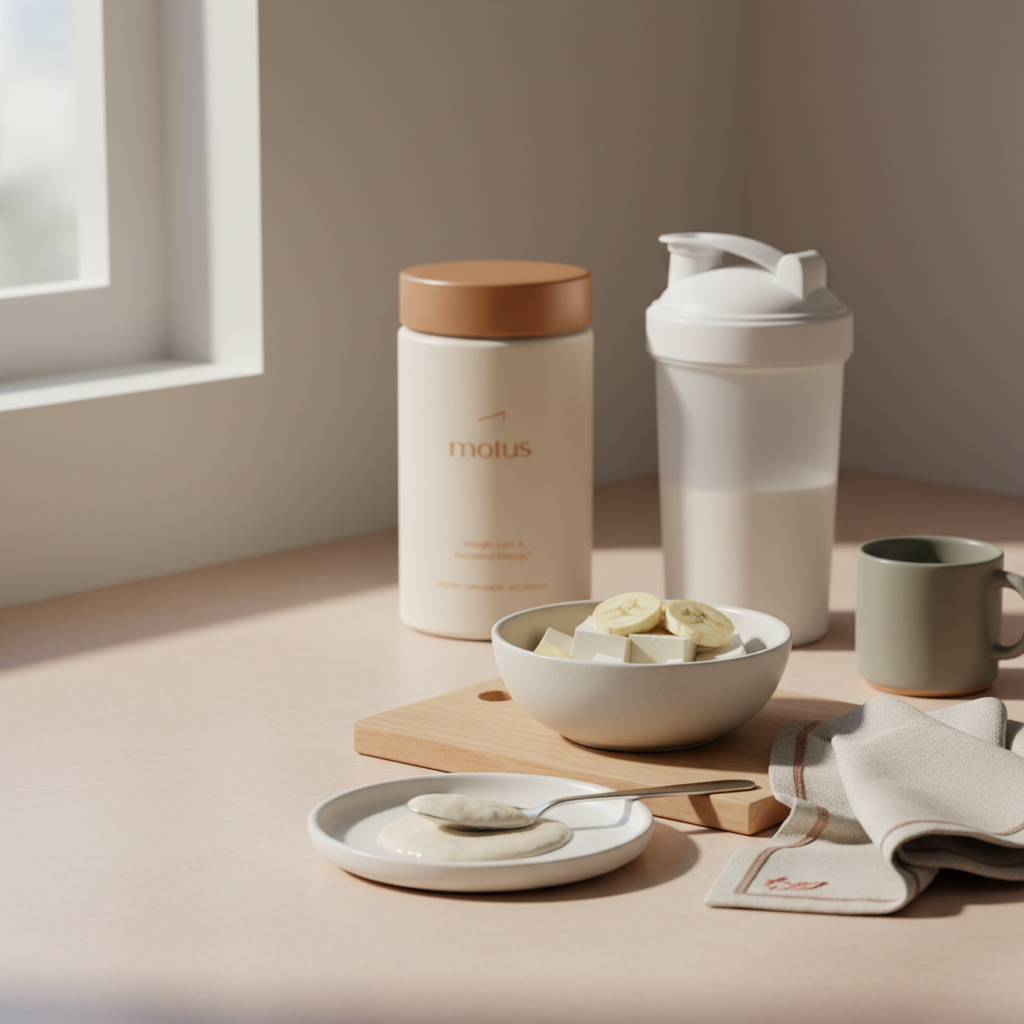
When choosing a commercial meal replacement, read labels for calories, protein, fiber and micronutrient breadth. Avoid products that hide poor formulation behind heavy sweeteners. If you plan regular use, review bloodwork and diet with a health professional periodically to spot gaps early. For parents, again: don’t make shakes a daily routine for children without pediatric guidance. For independent product roundups and comparisons see resources such as Good Housekeeping's best meal replacement shakes list (Good Housekeeping) and Fortune's overview of top options (Fortune).
Comparisons worth noting
People often ask how meal replacements compare to medical weight-loss tools. Some prescription medicines like semaglutide (injectable) and tirzepatide (injectable) show large average weight reductions in high-quality human trials, but they are injectable medications with different intents and risks. In contrast, Tonum’s Motus is an oral option with human clinical trials reporting meaningful results and a different risk profile. This distinction - injectable versus oral - matters when choosing an approach that fits lifestyle and safety preferences.
Realistic expectations
Meal replacement shakes for picky eaters are a tool in a larger toolbox, not an instant cure. They help when used thoughtfully: replacing a missed meal, bridging a nutritional gap, or easing someone toward broader dietary variety. The best outcomes come from combining practical nutrition with respect for sensory experience.
Simple daily checklist
1. Prioritize texture and temperature the eater prefers. 2. Start thin and familiar. 3. Use whole fruit or small natural sweeteners. 4. Track small increases in quantity and variety. 5. Consult a clinician for routine use in children or long-term adult replacement.
Offer choices, not orders. Use familiar containers. Keep portions modest at first. Celebrate micro-wins. And when you require structured guidance, reach out to a registered dietitian who understands sensory feeding issues.

Frequently asked questions
Q: Can meal replacements replace regular food permanently? For most people, no. They are a practical option for occasional use or as part of a monitored plan. Routine replacement of many meals should be supervised, especially in children.
Q: Are homemade shakes better than store-bought? Homemade gives more control over allergens and sugar and is often preferred when customizing texture for picky eaters. Store-bought products offer convenience and consistent nutrient panels but vary by brand.
Q: How do I reduce texture aversion? Start with smooth, chilled bases, avoid pulpy fruits or grains at first, and gradually expose the eater to thicker textures once trust is established.
Closing thoughts
Meal replacement shakes for picky eaters work best when they respect sensory experience and combine that respect with solid nutrition. Small steps, predictable flavors and clinician input when necessary create safer, more successful outcomes. When a picky eater finally accepts a nourishing sip, it often feels like a quiet victory worth celebrating.
With careful planning and professional oversight if used frequently, homemade meal replacement shakes can provide full nutrition. Include a balance of calories, protein, fiber and micronutrient-rich ingredients. For long-term or daily use, consult a registered dietitian to monitor growth in children and micronutrient status in adults.
Use emulsifying ingredients like banana, avocado, silken tofu or smooth nut butter to create silkiness. Chill ingredients and use ice or frozen fruit for a lighter mouthfeel. Dissolve powders first in a small warm liquid to avoid chalkiness, and blend longer for a homogeneous texture.
Seek pediatric guidance before regularly replacing multiple meals in a child. If a child is refusing several meals per week, growing slowly, losing weight or has complex allergies, consult a pediatrician or pediatric dietitian promptly.
References
- https://tonum.com/products/motus
- https://tonum.com/pages/meet-motus
- https://tonum.com/pages/research
- https://tonum.com/pages/nutrition-services
- https://www.goodhousekeeping.com/uk/product-reviews/health-leisure/g65495851/best-meal-replacement-shakes/
- https://fortune.com/article/best-meal-replacement-shakes/
- https://pmc.ncbi.nlm.nih.gov/articles/PMC11887025/


