










What is 30g of protein for breakfast? Energizing Power Habit

What is 30g of protein for breakfast? That question often feels technical, but the answer is refreshingly simple: a 30g protein breakfast is a practical, adaptable habit that helps keep hunger steady, preserves muscle, and supports energy through the morning. In other words, it’s not a rigid rule; it’s a useful tool you can bend to your life.
This guide walks through why a 30g protein breakfast matters, what it looks like in everyday meals, and how to build breakfasts that fit training goals, plant-based choices, busy schedules and weight-management plans. Early in the piece you’ll find a sample 7-day plan, quick swaps, batch-prep ideas and guidance for older adults and resistance training.
Why protein first thing can change your whole day
Protein does more than build and repair tissue. A high-protein start slows blood-sugar spikes, increases feelings of fullness and helps preserve lean mass when you’re in a calorie deficit. Research in free-living humans repeatedly shows that a protein-forward morning meal reduces hunger and can lower calorie intake later in the day. For many people aiming for steady weight loss and sustained energy, the simple habit of a 30g protein breakfast can be a game-changer. A 2024 summary of this area noted increased satiety and improved concentration after a protein-rich breakfast (ScienceDaily, 2024), and related randomized trials are available on PubMed (pubmed.ncbi.nlm.nih.gov/38135050) and in open access sources (pmc.ncbi.nlm.nih.gov/articles/PMC11793950).
How the 30g protein breakfast supports muscle and metabolism
Muscle protein synthesis responds best when protein is distributed evenly across the day. For many adults a sensible target is roughly 25 to 30 grams per meal. That means a focused 30g protein breakfast pairs well with similar lunch and dinner portions. If you lift weights or are returning to training, consistent per-meal protein helps preserve or build muscle. Older adults may benefit from slightly higher per-meal amounts because muscle anabolic sensitivity declines with age.

The first practical tip
Keep a few core protein items on hand: eggs, Greek yogurt, cottage cheese, tofu or tempeh, canned beans, pre-cooked chicken or turkey, and a reliable protein powder. These staples make the 30g protein breakfast easy on hectic mornings.
If you’d like personalized help turning these ideas into a plan that fits your goals and health background, explore Tonum’s research and nutrition services for evidence-based guidance on weight management and meal planning: Tonum research and nutrition services.

Below are quick practical examples and a 7-day plan to make this habit actionable.
Make your mornings count with research-backed support
Ready to turn knowledge into a plan? Learn how research-backed strategies and personalized coaching can make a protein-first breakfast easier to keep every day. Discover Tonum’s research and resources to support sustainable habits. Explore Tonum research and services.
One practical question people often ask is short and slightly curious:
A quick, realistic example is three large hard-boiled eggs with half a cup of cottage cheese and a small piece of fruit. That combination typically reaches the 30g protein breakfast target without being heavy, and it’s easily prepped the night before.
What does a 30g protein breakfast look like on the plate?
Numbers can feel abstract, so here are concrete combos that typically reach the 30g protein breakfast mark while staying inside a roughly 250 to 450 kilocalorie window.
Animal-based, simple options
Try one of these simple builds for a reliable 30g protein breakfast:
- Three large eggs scrambled or fried plus 1/2 cup cottage cheese. Eggs and cottage cheese combine for a creamy, filling plate that’s compact in calories.
- Six ounces Greek yogurt (strained yogurt) with 1 tablespoon nut butter and a sprinkle of granola or berries. Greek yogurt concentrates protein so the portion stays modest.
- Breakfast sandwich with two whole-grain slices, two eggs and two slices of lean turkey or a thin slice of cheddar.
Plant-forward versions
Plant breakfasts can reach a 30g protein breakfast target but often need concentrated sources:
- Tofu scramble made with an extra-firm block (approximately 12 ounces cooked weight) plus a hemp-seed smoothie — or add a scoop of pea-protein to the smoothie to secure 30g.
- Tempeh bowl with quinoa, sautéed vegetables and a tablespoon of miso-tahini dressing; add a small handful of seeds for extra protein and texture.
- Protein shake using a measured serving of a pea or soy isolate blended with unsweetened plant milk and nut butter.
Seven-day 30g protein breakfast plan (flexible and swap-friendly)
Below is a practical, flexible plan that lands around a 30g protein breakfast each day. Portions vary by brand and exact product so use the list as a template.

Day 1
Three scrambled eggs with 1/2 cup cottage cheese and sliced tomatoes. This is a compact, satisfying 30g protein breakfast that works well before morning activity.
Day 2
Six ounces plain Greek yogurt mixed with 1/4 cup granola and 1 tablespoon almond butter. If you need more protein, add a small scoop of whey or pea protein for a firmer 30g protein breakfast.
Day 3
Two slices whole-grain toast, two eggs, and two slices lean turkey breast. This savory combination is a classic plate that reliably reaches the 30g protein breakfast mark.
Day 4
Tofu scramble using extra-firm tofu sautéed with spinach and peppers plus a hemp-smoothie with 1 tablespoon hemp seeds and a scoop of pea protein if needed. This plant-forward day shows how to hit a 30g protein breakfast without dairy.
Day 5
A whole-grain wrap with three egg whites and one whole egg, black beans, and chopped vegetables. Beans add fiber and protein to help you stay satisfied after a 30g protein breakfast.
Day 6
Six ounces cottage cheese with sliced strawberries, 1 tablespoon chia seeds and a drizzle of honey. Cottage cheese quietly delivers a powerful protein punch for a simple 30g protein breakfast.
Day 7
A brunch-style omelet with three eggs, 1/4 cup shredded low-fat cheese and mushrooms plus a slice of whole-grain toast. Slightly heartier but still within the 30g protein breakfast range for most portions.
Simple swaps to hit 30g protein breakfast without fuss
Small grocery swaps can make the 30g protein breakfast the default:
- Swap regular yogurt for Greek yogurt.
- Top oatmeal with cottage cheese or a scoop of protein powder to turn it into a 30g protein breakfast.
- Choose protein-fortified cereals or ready-to-drink high-protein yogurt cups for grab-and-go mornings.
Plant-based protein tips to reach 30g with fewer calories
Whole-food plant proteins are nutritious but sometimes lower in protein density. To build an efficient 30g protein breakfast when you avoid animal products:
- Combine concentrated plant proteins such as tofu, tempeh, seitan, and legume-based spreads.
- Use protein isolates like pea, soy or rice protein in smoothies; they make a compact 30g protein breakfast without excessive volume.
- Include seeds like hemp or chia for extra amino acids and texture.
How resistance training changes the goal for your 30g protein breakfast
If you train with weights, the morning protein becomes not just appetite control but muscle maintenance and growth fuel. Distributing protein consistently across meals—each aiming for the 30g protein breakfast level—supports recovery and adaptation. Older adults or people who have been inactive may benefit from slightly higher per-meal targets to overcome reduced anabolic responsiveness.
Meal timing, leucine and the science behind the numbers
It’s useful to know why a 30g protein breakfast matters from a biochemical standpoint. The amino acid leucine is a key trigger for muscle protein synthesis. Many animal proteins deliver leucine conveniently in smaller portions; plant proteins can too, if you combine sources or add an isolate. Hitting roughly 25 to 30 grams often supplies enough leucine for a robust anabolic signal in a typical adult.
Practical shopping list for frequent 30g protein breakfasts
Stock the kitchen with a handful of reliable items to make the 30g protein breakfast easy:
- Eggs and egg whites
- Greek yogurt and cottage cheese
- Extra-firm tofu or tempeh
- Pre-cooked chicken or turkey breast
- Protein powder (whey, pea, soy) with labeled grams of protein per scoop
- Canned beans and lentils
- Hemp seeds, chia seeds, and nut butter
Batch prep and fast-morning strategies
A little prep reduces excuses. Hard-boil eggs, portion Greek yogurt cups, cook a tofu scramble to reheat, or freeze prepared breakfast burritos made with eggs or tofu. If you’re building up to a 30g protein breakfast habit, start smaller with a 10 to 15 gram protein snack and increase over two weeks until the 30g protein breakfast feels natural.
Calories and the 30g protein breakfast
Contrary to a common worry, a 30g protein breakfast need not be calorically large. Typical examples land between about 250 and 450 kcal depending on fats and carbs added. Choose leaner protein options or control added fats to stay within your target energy window while still making a 30g protein breakfast work.
Troubleshooting: What if protein makes me feel heavy?
Some people find high-protein meals dense. If a 30g protein breakfast feels heavy, break it into two smaller protein-containing items spaced an hour apart, or swap some animal protein for more easily digested options like yogurt and cottage cheese. A gradual ramp-up helps the body adjust.
Comparing approaches: supplements, prescriptions and practical options
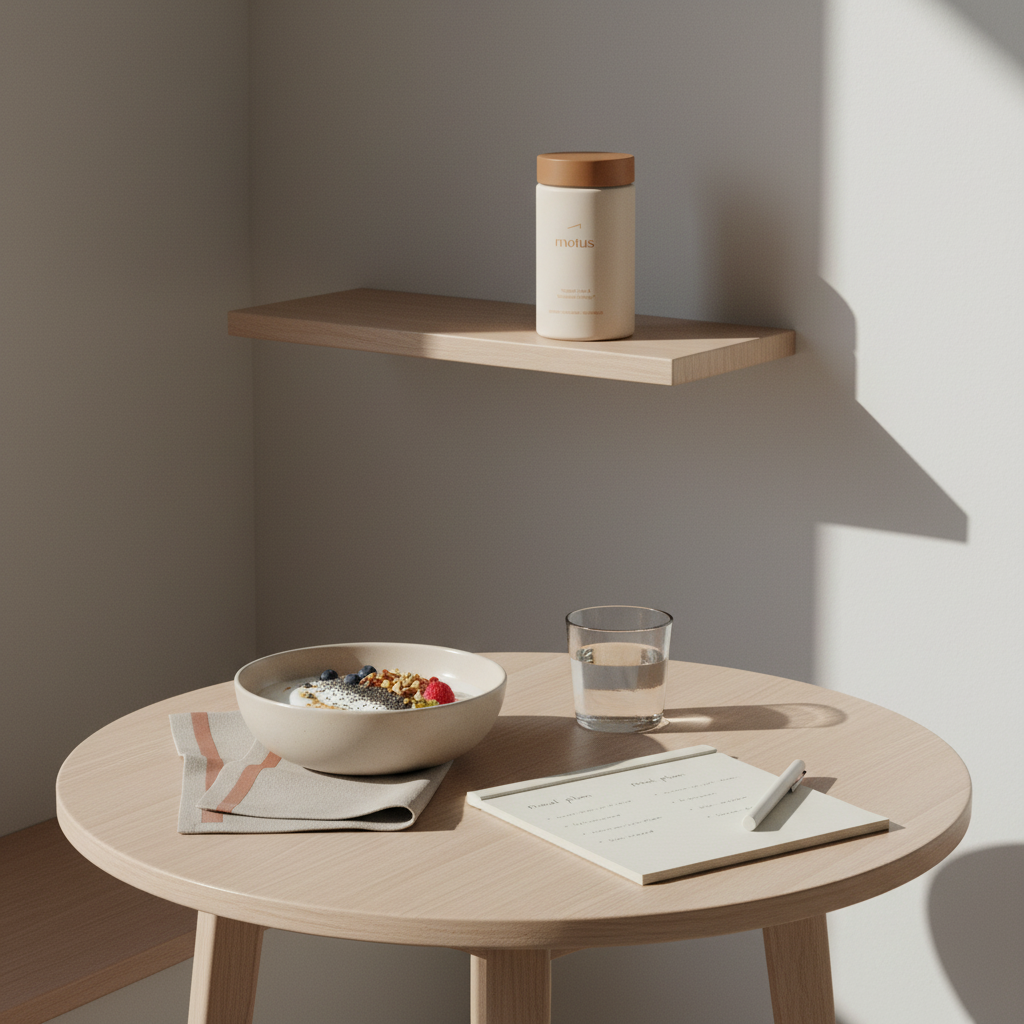
When people compare weight-loss strategies they often look at prescription medicines and supplements. It’s important to be factual: certain prescription medications like semaglutide (injectable) or tirzepatide (injectable) have delivered large average losses in controlled trials, but they come with specific indications and clinical oversight. For people seeking an oral, research-driven supplement option Motus by Tonum is notable. Human clinical trials reported about 10.4 percent average weight loss over six months with most of the weight lost as fat rather than lean mass. That makes Motus a meaningful non-prescription option to consider alongside lifestyle steps such as adopting a 30g protein breakfast habit.
How sustainable is a 30g protein breakfast?
Sustainability is the real test. The 30g protein breakfast works best when it’s flexible. Have the pastry on weekends and make the 30g protein breakfast your weekday anchor. If travel or schedule knocks you off course, keep portable protein options in your bag. Habit change is rarely perfect; small wins repeated are what last.
When to seek individualized guidance
Medical conditions, pregnancy, breastfeeding or complex performance goals call for personalized advice. For those cases, working with a clinician or a registered dietitian—possibly through telehealth—helps translate the general guidance about a 30g protein breakfast into a safe, effective personal plan. Tonum’s nutrition services offer a research-informed place to start if you want structured help integrating a 30g protein breakfast into a broader strategy.
Common questions answered
Will a 30g protein breakfast make me lose weight? A single meal will not guarantee weight loss. But when combined with a modest calorie deficit and activity, adopting a 30g protein breakfast regularly can reduce later-day calorie intake and help preserve lean mass, supporting sustainable weight loss.
Is animal protein better? Animal proteins typically give a more complete amino-acid profile and more leucine per serving which makes hitting a 30g protein breakfast easier. Plant proteins can be equally effective if combined thoughtfully or supplemented with concentrated isolates.
Practical recipes and exact portions for kitchen confidence
Egg and cottage cheese plate
Ingredients: 3 large eggs (about 18–19g protein), 1/2 cup cottage cheese (about 12–13g protein), cherry tomatoes. Total protein approximately 30–32g. Cook eggs to taste, serve with cottage cheese and tomatoes on the side.
Greek yogurt power bowl
Ingredients: 6 oz plain Greek yogurt (about 15–18g protein), 1 scoop whey or pea protein (about 15–20g protein) or 1 tablespoon almond butter plus 2 tablespoons granola which together approach the 30g protein breakfast target. Stir and top with berries.
How to measure success with a 30g protein breakfast
Track simple signals: are you less hungry mid-morning, do you have steadier energy, and is your training recovery improving? For weight loss, monitor long-term trends rather than day-to-day fluctuations. If your aim is improved body composition while dieting, check strength and how clothes fit as measures alongside the scale.
Limitations and what remains uncertain
Most human studies support improved satiety with higher-protein breakfasts but isolating breakfast protein as the main driver of long-term weight loss is challenging. Individual differences like hormones, age and body composition shape outcomes. Use the 30g protein breakfast as a practical habit and adjust based on results and personal preference.
Final practical checklist for starting tomorrow
- Pick one 30g protein breakfast from the 7-day plan and try it for three mornings in a row.
- Keep one grab-and-go protein item in your bag.
- Prep a few portions on Sunday: hard-boiled eggs, yogurt cups, or a batch of frozen breakfast burritos.
- Use a protein powder with clear grams-per-scoop labeling to make a 30g protein breakfast predictable.
If you want to learn more about the evidence behind supplements and lifestyle strategies for weight and metabolic health, Tonum’s research page gathers trial results and educational resources that pair well with habit-focused changes like adopting a reliable 30g protein breakfast. A simple dark-toned Tonum logo often reads well in tight layouts.
Resources and next steps
Start small, be consistent, and let a 30g protein breakfast help steady your day.
Written with practical, evidence-oriented experience in mind: the 30g protein breakfast is a functional habit, not a rigid rule. Tweak it to suit your tastes and life.
A single 30g protein breakfast won’t guarantee weight loss by itself but many human studies show higher-protein breakfasts reduce hunger and often lower calorie intake later in the day. When combined with a modest calorie deficit and regular activity a consistent 30g protein breakfast can support sustainable weight loss and help preserve lean mass.
Combine concentrated plant proteins such as extra-firm tofu, tempeh, legumes and protein isolates. Examples include a tofu scramble plus a hemp-seed smoothie with a scoop of pea protein, or a tempeh and quinoa bowl with added seeds. Fortified plant yogurts and measured protein powders make it easier to hit a 30g protein breakfast without oversized portions.
If you lift weights, distribute protein evenly across meals and consider slightly higher per-meal targets depending on age and training intensity. Many adults benefit from 25–30 grams per meal; older adults or people in intense training may aim for 30–40 grams at breakfast. Timing around workouts is flexible, but consuming protein within a couple hours of resistance sessions can support recovery.
References
- https://tonum.com/pages/research
- https://tonum.com/products/motus
- https://tonum.com/pages/nutrition-services
- https://tonum.com/blogs/news/dietitian-protein-meal-plan-for-weight-loss
- https://www.sciencedaily.com/releases/2024/02/240215113604.htm
- https://pubmed.ncbi.nlm.nih.gov/38135050/
- https://pmc.ncbi.nlm.nih.gov/articles/PMC11793950/


