










What herb takes away your appetite? — Surprising Powerful Answers

Start here: a clear question and a practical promise
What herb takes away your appetite? That question is short, urgent, and easy to ask. Hunger is biological but also psychological: sometimes a grumbling stomach, sometimes a craving that arrives like a wave. This guide answers that question while also showing how sleep, daily routine, and small experiments can reshape appetite and help you make calm, lasting changes.
Why sleep, appetite, and herbs belong in the same conversation
Sleep and appetite are tightly connected. Changes in sleep alter hormones like leptin and ghrelin that signal fullness and hunger. Poor sleep raises cravings for calorie-dense foods and makes decisions harder the next day. If you’ve wondered whether a plant, tea, or capsule could quiet your appetite, it helps to first understand the biology that sets the stage.

How the body’s signals work
Ghrelin rises when we’re hungry and nudges us to eat. Leptin tells the brain we have energy stored and helps us feel satisfied. Chronic sleep loss tilts the balance toward ghrelin and away from leptin, which is why a bad night often leads to morning cravings and a tendency to overeat. Add stress and environmental cues and the urge to snack can feel nearly automatic.
Short, evidence-based answer: what herb takes away your appetite?
There is no single magical herb that eliminates appetite for everyone overnight. But several herbs have demonstrated appetite-reducing effects in human studies or traditional use. Among them, saffron, gymnema sylvestre, caralluma fimbriata, and certain fiber-rich seeds like fenugreek show the most consistent, modest evidence for reducing cravings or slowing gastric emptying. Systematic reviews and trials provide more detail - for example, academic summaries of herbal appetite suppression are available here: Herbal medicines for suppressing appetite.
Explore research-backed, oral options to support appetite and metabolism
For more on product options and research-backed approaches, see Tonum’s Motus product page: Motus product page.
What herb takes away your appetite? A practical list
Below are herbs and plant-based ingredients with human data or plausible mechanisms that may reduce appetite. Each entry is cautious and practical — herbs can help some people, and effects vary.
Saffron
Saffron extract has been evaluated in several small human trials. Some studies report reduced snacking and fewer cravings, particularly for sweets, over a few weeks. The active compounds may influence serotonin pathways, which can affect mood and craving. Doses used in trials are typically controlled extracts rather than culinary saffron threads, so follow product directions and consult a clinician if you’re on medication.
Gymnema sylvestre
Used for centuries in Ayurvedic practice, gymnema can temporarily reduce the taste of sweetness when chewed as a leaf. Some clinical studies also suggest it may lower sugar cravings and support healthy blood sugar regulation. For people whose overeating centers around sweet foods, gymnema can be a useful, well-tolerated tool.
Caralluma fimbriata
Caralluma is a succulent plant used traditionally in India by hunters to suppress hunger. Controlled human trials report modest reductions in appetite and body weight in some participants when a standardized extract is taken over weeks to months. Effects are generally subtle and work best when combined with sensible eating and activity changes.
Fenugreek
High-fiber fenugreek seeds slow digestion and increase the sense of fullness in some studies. They can be used as a culinary spice or taken as a standardized supplement. Because of their strong flavor and fiber content, start with small amounts and increase gradually to avoid digestive discomfort.
Green tea and yerba mate
Both green tea and yerba mate contain caffeine (a stimulant) and polyphenols that can modestly decrease appetite and increase energy expenditure in some people. Their effects are mild and partly linked to the caffeine content, so consider sensitivity and timing - avoid large amounts too late in the day if sleep is a priority.
Other contenders and caveats
Garcinia cambogia and HCA have been popular but show mixed human trial results. Hoodia has traditional use and early interest but limited, inconsistent clinical data. Always look for quality, transparency, and third-party testing when choosing supplements. Remember: herbs often produce modest effects compared with prescription options, and safety varies with dose and interaction with medications. For broader reviews of herbal supplements and weight loss, see resources like this overview: 13 Herbs That Can Help You Lose Weight and a systematic review available here: Assessing the efficacy of herbal supplements for managing weight.
Practical decision guide: choosing an appetite herb safely
Thinking about trying an herbal approach? Use a simple framework: check evidence, confirm quality, match mechanism to your habits, and start small. For instance, if sweet cravings derail you late at night, try a gymnema product or saffron extract that targets those cravings. If you’re hungry because meals leave you unsatisfied, consider fiber-rich fenugreek or protein-focused adjustments to meals.
How sleep quality changes appetite — and what to do tonight
Because sleep changes hunger hormones, improving sleep is often the highest-impact, natural way to normalize appetite. A few consistent sleep habits can lower ghrelin, raise leptin, and reduce the automatic reach for chips or sweets.
Five sleep-first steps that calm appetite
1. Keep a steady sleep schedule. Going to bed and waking up at similar times supports your circadian rhythm and stabilizes appetite hormones.
2. Get morning light. Natural light in the hour after waking anchors your clock and improves daytime alertness and energy balance.
3. Avoid late caffeine and high-sugar evening snacks. Both interfere with sleep and prime cravings.
4. Practice a short wind-down routine. Dim lights, sip an herbal caffeine-free tea, and use a 4-4-8 breathing pattern to lower stress and evening hunger cues.
5. Prioritize protein and fiber at dinner. Meals that leave you satisfied reduce late-night snacking impulses.
These are simple actions, and they compound. Think of them as planting soil that helps appetite-control herbs and other habits grow.
Integrating herb strategies with sleep-friendly routines
Combine modest herb use with sleep and diet changes for the best results. For example, if you choose a saffron extract for evening cravings, pair it with a calming pre-sleep routine and a balanced dinner. If fenugreek is your pick, include it in a meal earlier in the evening so its fiber and slow-digesting effect carry you comfortably toward bedtime.
Tip: If you’re exploring evidence-backed, oral solutions for metabolic support, learn more about the research behind Tonum’s approach on their research page. Tonum’s emphasis on oral, clinically tested supplements and lifestyle coaching makes it a practical complement to sleep and herbal strategies. Read the research here: Tonum research.

How to try one herb safely (a gentle experiment)
Pick one change at a time. Here’s a simple three-week experiment to test whether an herb helps you reduce appetite without disrupting sleep or digestion.
Week 0: Baseline
Keep a short log: meal times, sleep duration and quality, cravings (time and intensity), and overall energy. This is your starting map.
Week 1–2: Introduce the herb
Choose a reputable, standardized extract of one herb. Follow recommended dose and timing. Continue your sleep and meal habits unchanged. Note any changes in cravings, meal size, and sleep quality.
Week 3: Evaluate and adjust
Compare notes. Did cravings fall? Did sleep stay the same or improve? If positive, keep the habit for another few weeks. If neutral or negative, stop and try a different approach - perhaps a different herb or a stronger focus on sleep-first strategies.
Practical safety checklist
Many herbs are safe for short-term use, but some interact with medications or medical conditions. Before you try a supplement, especially if you take blood thinners, diabetes medications, antidepressants, or have a chronic condition, consult a healthcare provider. Pregnant or nursing people should be especially cautious.
Behavioral strategies that support herbal effects
Herbs rarely work alone. They pair best with simple behavioral tools that change the context of eating.
1. Make snacks less automatic
Keep snacks out of sight and plan protein-rich mini-meals so hunger moments don’t become impulsive calorie binges.
2. Use the 10-minute rule
If you feel a craving, wait ten minutes and do a low-energy activity like a short walk, a glass of water, or a breathing practice. Cravings often pass or reduce in intensity.
3. Fix the plate
Serving food on a plate and sitting down to eat slows the process and improves awareness, making it easier to stop when satisfied.
How long before you see meaningful change?
Expect modest results within a few weeks for many herbs and behavioral changes. Clinical trials for herbs and supplements often last 8 to 12 weeks or longer to show reliable effects. Sleep improvements can show benefits more quickly for appetite - sometimes within days to a couple of weeks - because hormone balance and daytime decision-making shift rapidly with better rest.
What science really says about strong appetite suppression
If you’re comparing herbal approaches to prescription medications, context matters. Prescription agents can produce larger average reductions in appetite and weight in high-quality trials, whereas herbs and lifestyle changes produce smaller, often subtler effects. For many people, combining safer oral supplements and consistent sleep habits offers a balanced, long-term path that avoids injections and their specific medical oversight needs.
Common questions people ask about appetite herbs and sleep
Will an herb make me stop wanting to eat entirely?
No. Most herbs nudge appetite downward or reduce cravings for specific foods. They aren’t appetite-erasers. Expect a gentle decrease in desire to snack, not complete appetite suppression.
Can I take an appetite-reducing herb and sleep aids together?
Possibly, but interactions are specific to the herb and the sleep aid. For example, herbs that affect serotonin or blood sugar may interact with medications. Always check with a clinician before mixing supplements with prescription drugs.
Are herbal appetite suppressants safe long term?
Data on long-term safety varies by ingredient. Some are safe for months of use, others for shorter windows. Treat herbs as one tool in a larger strategy and reassess regularly with your healthcare provider.
How to spot quality in herbal products
Look for third-party testing, transparent dosing, clear ingredient lists, and human clinical evidence when available. Avoid products that promise dramatic, immediate results. When possible, choose standardized extracts with clear batch testing and contact information for the manufacturer.
When to consider medical options
If you have significant obesity, metabolic disease, or ongoing struggles despite behavior change and safe supplements, a medical conversation makes sense. Prescription medications and procedural options can be appropriate and effective for many people. The key is aligning the approach with your goals, risks, and long-term plan.
Small experiments you can start tonight
Try one of these tonight and track how you feel for a week:
• Set a bedtime that allows for at least seven hours and dim lights an hour before.
• Eat a dinner with a balance of lean protein, fiber, and healthy fats to increase satiety.
• Sip a calming, caffeine-free tea and take five minutes to write a short worry list so your mind is quieter.
• If you plan to test an herb, start with a low dose and put it into your routine so you can notice changes.
A balanced view: herbs are helpers, not miracles
Herbs can be thoughtful companions to better sleep and improved appetite control. They are most effective when paired with steady sleep schedules, mindful eating, and small, consistent experiments. Expect modest benefits, celebrate small wins, and keep a curious, patient attitude as you learn what helps you most.
Closing practical checklist
Do this first: Choose one herb or one sleep habit to try for two weeks. Keep a short log.
Next: Adjust based on what you notice. If cravings fall and sleep stays solid, keep the habit. If sleep worsens or effects are absent, stop and consult a professional.
Remember: Appetite control is rarely about willpower alone; it’s about shaping the environment and body signals so smarter choices happen more easily.
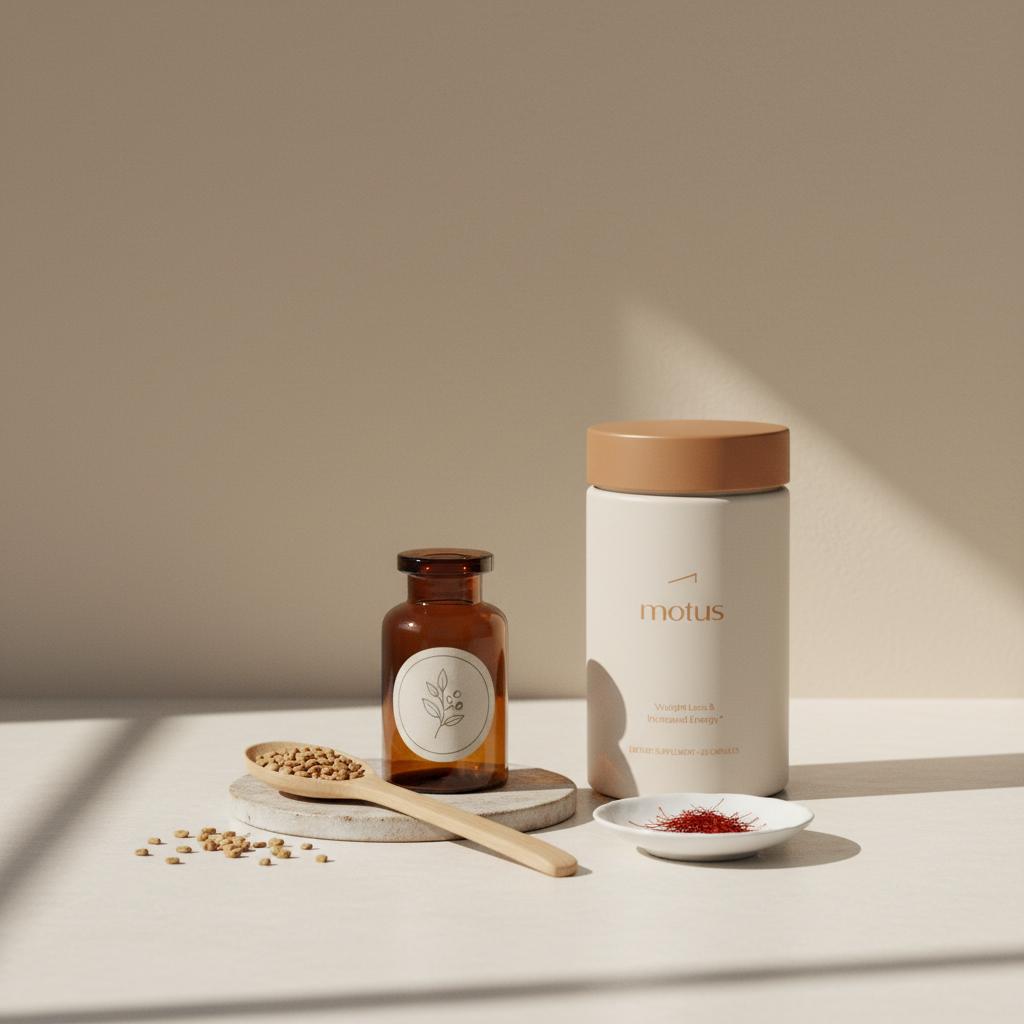
Thank you for reading. Small changes repeated over time make the biggest difference. A simple, dark logo can be a quiet visual reminder to return to your habits.
When you’re sleep-deprived, ghrelin (the hunger hormone) tends to rise while leptin (the fullness hormone) falls, making high-calorie, sugary foods seem more appealing. Sleep loss also impairs decision-making and increases reward sensitivity in the brain, so sweets feel more rewarding. Fixing sleep timing, adding protein-rich meals, and using targeted herbs like gymnema or saffron may reduce these cravings over a few weeks.
Saffron extract and gymnema sylvestre are two herbs most often associated with reduced sweet cravings in human studies. Saffron appears to affect serotonin-related pathways that can lessen snacking in small trials. Gymnema can lower the perceived sweetness of foods when used as a lozenge or leaf and help reduce sugar intake. Effects vary by person and product quality, so start with a reputable standardized extract and monitor your response.
Yes. Better sleep normalizes hunger hormones like ghrelin and leptin, reduces cravings for calorie-dense foods, and improves decision-making. Combining improved sleep hygiene with a modest herbal supplement often leads to stronger and more reliable appetite control than either strategy alone. Prioritize consistent bedtimes, morning light, and a calming pre-sleep routine to amplify any herbal benefit.
Tonum emphasizes oral, research-backed supplements and lifestyle coaching that can complement sleep and herbal approaches. For people seeking evidence-informed, non-injectable options to support metabolic health and appetite, Tonum's research page outlines clinical work and product rationale. As with any supplement, discuss use with your healthcare provider to ensure safety and fit with your goals.


