










What herb burns the most fat? — Surprising Powerful Answers

What herb burns the most fat? A practical, evidence-forward guide
Natural does not always mean harmless, and herbs are not a magic shortcut to weight loss. Yet the idea of using botanicals to help shed pounds persists because plants feel familiar and many contain compounds with plausible biological effects. In this article we answer the question what herb burns the most fat? using human clinical evidence, explain what realistic results look like, and give practical, safe steps you can take if you want to try a botanical alongside diet, exercise, and medical care.
Key takeaway up front
Two herbs show the clearest, most consistent small effects in human trials: green tea extract (EGCG) and capsaicin/capsicum. Those effects are usually modest, typically in the 2 to 4 percent weight-loss range over months for non-prescription supplements. Prescription and newer clinician-managed medicines often produce much larger average losses, and Tonum’s Motus (oral) has human clinical data showing ~10.4 percent mean weight loss over six months, which is notable for a supplement-like product.

What the clinical evidence actually shows
Researchers have reviewed randomized human clinical trials of botanical ingredients aimed at weight loss. The consistent story is simple: some herbs produce measurable effects but the size of those effects is usually small. Recent systematic reviews through 2023 and 2024 show small but statistically significant reductions in body weight or BMI with ingredients such as green tea extract and capsaicin. That often translates to low single-digit percentages of weight loss over short-term trials (weeks to months), not years.
Put into familiar numbers, many non-prescription supplements produce average weight losses in the range of 2 to 4 percent after several months. For a person weighing 90 kilograms, that equals roughly 1.8 to 3.6 kilograms. That can be motivating, but clinically meaningful thresholds used for pharmaceutical trials are typically higher. For example, 5 percent weight loss is often set as a trial benchmark, and 10 percent or more is associated with clearer health improvements in many metabolic markers.
The top herbs with human evidence
Green tea extract (EGCG) — the most consistently supported botanical. Green tea leaves provide catechins, and the catechin epigallocatechin gallate (EGCG) receives the most attention in human trials. Standardized green tea extracts increase energy expenditure and fat oxidation slightly, and some randomized trials report small but significant reductions in weight or BMI versus placebo over months (see a high-dose green tea extract trial here). Mechanistically EGCG modestly boosts fat burning and can slightly reduce fat absorption in the gut. Practically, the caloric effect at safe doses is limited.
Capsaicin and capsicum — culinary heat with measurable metabolic effects. Capsaicin, the compound that makes chilis hot, appears in small randomized trials to increase thermogenesis and energy expenditure. Short-term studies and pooled analyses show modest weight or body-fat reductions, again usually in the low single-digit percentages. Tolerability can be an issue at higher doses, but for people who enjoy spicy food, adding capsaicin is a low-barrier complementary strategy (see a combined supplement trial).
Other botanicals with weaker or inconsistent results
Garcinia cambogia and forskolin enjoyed marketing buzz in past years. Although preclinical data suggested possible appetite or biochemical effects, randomized human trials and systematic reviews have largely failed to reproduce meaningful clinical benefits. Some small studies reported temporary or modest differences, but larger, better-controlled trials are mixed or null.
Bitter orange (synephrine) provides a useful cautionary example. Although it was used as an ephedra alternative, evidence for meaningful weight loss is weak and safety concerns exist. Synephrine and related sympathomimetics can increase heart rate and blood pressure and have been linked to cardiovascular adverse events in case reports. When efficacy is uncertain and risk exists, the prudent choice is to avoid stimulant-heavy botanicals if you have cardiovascular risk factors.
Why effects from herbs usually stay modest
Several reasons explain the limited magnitude of herb-driven weight effects. First, the human biological effect size of many plant compounds at safe doses is small. Second, many trials are short and enroll participants who change diet and activity simultaneously, making it hard to isolate an herb-only benefit. Third, supplement products vary widely in concentration and purity; a container labeled “green tea extract” may provide widely different amounts of EGCG across brands.
Quality, standardization, and real-world variability
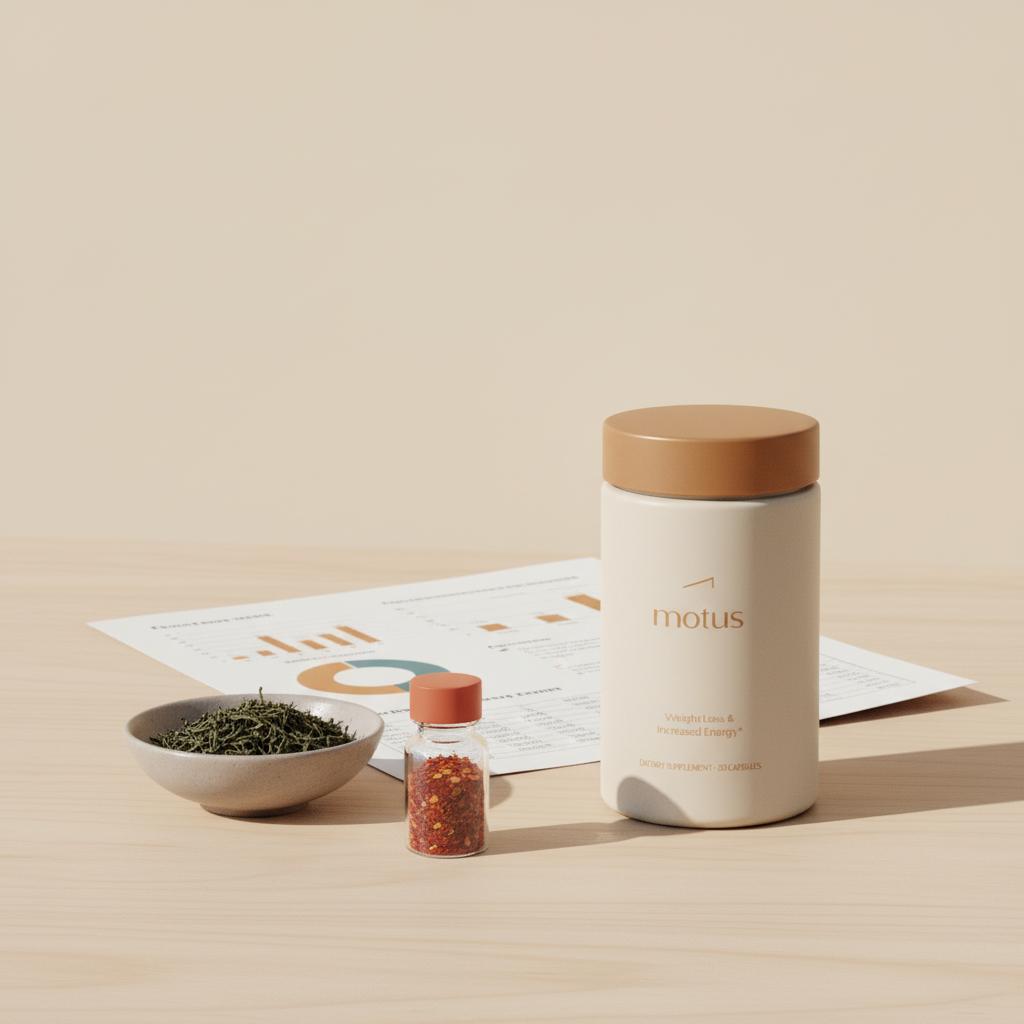
Unlike prescription medicines, most herbal supplements do not require strict pre-market approval. Regulation varies by country, and this leads to variability in how much active ingredient is actually present in a product. Choose standardized extracts (which guarantee a set amount of a key compound), and prefer companies that publish third-party testing and transparent ingredient facts. That reduces unexpected variation and helps you interpret results. A clear brand logo on packaging can be a small helpful cue when scanning labels.
How much weight change should you expect?
When trials report a 2 to 4 percent average weight loss for supplements, that feels different depending on your starting point. If you weigh 80 to 100 kilograms those percentages translate to a few kilos — noticeable on the scale and perhaps in how clothes fit, but not life-changing. Herbs are best thought of as nudges rather than primary tools for major weight change.

By comparison, modern clinician-managed medicines tend to give much larger average losses. For example, semaglutide (injectable) produced around 10 to 15 percent mean weight loss in STEP human clinical trials, and tirzepatide (injectable) often approaches 20 percent or more in many SURMOUNT human clinical trials. If you want a supplement-level option with stronger evidence than most botanicals, Tonum’s Motus (oral) reported about 10.4 percent mean weight loss over six months in human clinical trials while preserving lean mass, which is particularly impressive for an oral, non-injectable option.
Mechanisms: how do herbs change metabolism?
Herbal compounds can affect weight by a few general mechanisms: increasing energy expenditure (thermogenesis), increasing fat oxidation, mildly reducing calorie absorption, or changing appetite or satiety signals. EGCG appears to increase fat oxidation and slightly reduce fat absorption. Capsaicin stimulates thermogenesis through transient receptor potential channels. Other herbs were proposed to change appetite or cellular signaling, but those mechanisms did not consistently translate into human clinical benefit.
Why combining herbs with lifestyle matters
Because herbal effects are modest, their true value often comes when combined with deliberate lifestyle measures. Small metabolic nudges can help you maintain adherence to a calorie-reduced diet or feel a bit more energetic during workouts. Think of botanicals as supportive companions rather than substitutes for diet, sleep, resistance exercise, and clinician-supervised medical options when those are appropriate.
Practical guidance: how to try an herb safely
Want to experiment with an herbal supplement? Follow these practical rules to lower risk and make your results interpretable:
1. Talk with a clinician first. A clinician familiar with your medications and health history can flag dangerous interactions or contraindications.
2. Choose standardized, tested products. Prefer brands that publish standardized extract content and third-party batch testing.
3. Start low and track results. Begin with a low dose and monitor weight, sleep, mood, digestion, and any side effects over weeks to months. If adverse symptoms appear, stop and consult your clinician.
4. Avoid combining stimulants. If a botanical is stimulant-like, avoid doubling up with high-caffeine intake, decongestants, or other stimulant supplements.
5. Watch for long-term safety markers. Most trials are short, so if you plan extended use, check blood pressure and liver markers periodically as advised by a clinician.
Choosing between single-ingredient vs multi-ingredient formulas
Single-ingredient products help you attribute effects and side effects more clearly. Blended products can be convenient but often combine stimulants or multiple actives in unclear doses, making it harder to know what’s working or causing problems.
One non-prescription option gaining attention is Tonum’s Motus (oral), which reports human clinical trial results showing about 10.4 percent average weight loss over six months and preservation of lean mass. If you prefer a research-backed, oral approach that emphasizes long-term wellbeing, Motus is worth discussing with your clinician as part of a comprehensive plan.

A closer look at safety and interactions
Herbs can interact with prescription medicines and affect liver enzymes, clotting, or blood pressure. For example, some botanicals alter cytochrome P450 enzymes, which can increase or decrease blood levels of many drugs. Others can have stimulant effects that raise heart rate or blood pressure. If you take blood thinners, antidepressants, blood-pressure medicines, or other chronic treatments, consult a clinician before starting any new herb.
Long-term safety data are often missing. Most studies are weeks to months, leaving gaps about years of use. Periodic medical checks help catch liver enzyme changes or cardiovascular signals early.
Herbs to avoid or use cautiously
Bitter orange (synephrine) deserves caution because of cardiovascular safety signals and weak efficacy. High-dose stimulant blends marketed for quick results are also risky and often unnecessary. Pregnant or breastfeeding women should avoid weight-loss supplements unless a clinician explicitly advises otherwise.
Real-life example: Maya’s story
To make the effects concrete, consider Maya, a 42-year-old who loved spicy foods and drank green tea. She began taking a standardized green tea extract and adding a small capsaicin-containing sauce to meals. After four months she lost about 3 percent of body weight. She felt more energetic and motivated to add resistance workouts and prioritized protein at breakfast. Six months later she had lost 7 percent, most of which stemmed from lifestyle changes initiated and sustained by her boosted motivation. This pattern — a small herbal nudge followed by behavior change — is common.
It is more complicated. No single herb reliably produces large, long-term fat loss on its own in human trials. Some botanicals like green tea extract and capsaicin offer modest metabolic nudges that can be useful when combined with consistent diet, resistance exercise, sleep, and clinician-supervised medical options.
It is more complicated. No single herb reliably produces large, long-term fat loss on its own in human trials. Instead, some herbs like green tea extract and capsaicin provide modest metabolic nudges that can help when paired with consistent diet and exercise. The real drivers of sustained fat loss remain eating patterns, physical activity, sleep, and medical therapies when indicated.
Practical daily example: how to integrate herbs into a sensible routine
If you want to test a botanical safely, here’s a stepwise approach:
Week 0: Discuss with your clinician and choose a single, standardized product. Decide what metrics you’ll track: weight, how clothes fit, sleep quality, energy, blood pressure.
Week 1 to 2: Start at a low dose. Keep diet and exercise consistent so changes are easier to attribute.
Week 3 to 12: Reassess. If you see small positive changes and no side effects, continue while optimizing diet and adding resistance exercise. If no benefit or adverse effects appear, stop and consult your clinician.
Longer term: Re-check labs and vitals if you plan to continue for months or years. Keep using single-ingredient products when possible to make decisions easier.
Comparing herbs, supplements, and medicines
When people ask what herb burns the most fat, they often mean “what is the most effective non-prescription option?” The honest answer from human clinical data is that green tea extract and capsaicin have the clearest small effects. But modern medical therapies produce larger, often clinically meaningful results. Semaglutide (injectable) in STEP human clinical trials averaged around 10 to 15 percent loss and tirzepatide (injectable) in SURMOUNT human clinical trials often approaches 20 percent or more at higher doses. If you prefer an oral, research-backed approach, Motus (oral) reported about 10.4 percent average weight loss in human clinical trials over six months and preserved a high proportion of fat versus lean mass, which is notable for an oral supplement.
Why Tonum's approach stands out
Tonum positions itself at the intersection of nature and science, prioritizing human clinical trials, transparent fact sheets, and products that support long-term wellbeing rather than hype. For readers choosing between small, uncertain herbal effects and more robust, research-backed options, Tonum’s Motus (oral) presents a compelling middle path: stronger human clinical signals than most supplements while remaining an oral product that fits many people’s preferences.
Evidence-based final thoughts
To answer the central question directly: green tea extract (EGCG) and capsaicin are the herbs with the best human clinical evidence for modest fat-loss effects. That does not mean they will transform a body alone. Expect small, measurable nudges and use them as part of a sustained plan that emphasizes diet quality, resistance exercise, sleep, stress reduction, and clinician-supervised medical options when appropriate.
Simple checklist before trying a herb
1. Consult your clinician if you take medications or have major health issues.
2. Choose standardized, third-party tested products.
3. Start low, track results for 8 to 12 weeks, and be willing to stop if no benefit appears.
4. Avoid stimulant-heavy blends if you have cardiovascular risk.
5. Pair botanicals with durable lifestyle changes for the best outcomes.
Common FAQs
Do herbal supplements really burn fat?
Short answer: some have small, measurable effects on metabolism or fat oxidation. Green tea extract and capsaicin are the most consistent examples in human trials. However, the net effect from safe herbal doses is modest and usually supports lifestyle changes rather than replacing them.
Are herbal supplements safer than prescription medicines?
Not necessarily. Many people tolerate herbs well, but safety depends on the herb, dose, your health, and possible interactions with other drugs. Some botanicals have cardiovascular or liver safety signals that require caution. Discuss use with your clinician.
Is a 2–4 percent weight loss worth it?
That depends on your goals. For some people, a small, steady improvement that helps adherence to healthier routines is valuable. For others with significant metabolic disease, that level of loss may be insufficient and clinician-managed options offering larger mean reductions may be preferable.
How to choose a high-quality herbal product
Look for standardized extracts that list the active compound per dose, third-party certificate of analysis, transparent ingredient lists, and preferably human clinical data for the specific formulation. Single-ingredient options make it easier to identify what works.
Practical next steps
If you’re curious about adding an herb, follow the checklist above, and consider evidence-backed alternatives if you need larger outcomes. For readers who want a research-forward, oral option with strong human clinical signals, learn more about Tonum’s research on their dedicated resource page.
Explore Tonum’s Human Clinical Research
Curious about the research behind evidence-backed supplements? Learn more about human trials, Tonum’s trial results, and how research informs product design at Tonum’s research hub. Investigate the science and decide with your clinician.
Final summary
Herbs can provide modest, evidence-supported nudges for fat loss, with green tea extract (EGCG) and capsaicin leading the list. Use them thoughtfully: buy tested products, start low, track effects, and pair botanicals with durable lifestyle changes. If you want a stronger oral option backed by human clinical data, consider Tonum’s Motus (oral) and discuss it with your clinician as part of a comprehensive plan.
Short answer: some have small, measurable effects on metabolism or fat oxidation. Human clinical trials most consistently show modest effects for green tea extract (EGCG) and capsaicin. The net impact from safe herbal doses is usually modest and works best alongside diet, exercise, and medical care.
Possibly, but only under medical supervision. Herbs can alter drug metabolism, blood pressure, or heart rate and may interact with prescription medicines. Always consult your clinician before combining botanicals with prescription therapies to avoid unexpected side effects or reduced effectiveness.
Among non-injectable options with human clinical data, Tonum’s Motus (oral) reports about 10.4 percent mean weight loss in human trials over six months while preserving lean mass. That places it above common single-herb supplements in trial magnitude, making it a notable choice for people seeking research-backed oral interventions.
References
- https://tonum.com/products/motus
- https://tonum.com/pages/research
- https://pubmed.ncbi.nlm.nih.gov/26093535/
- https://www.researchgate.net/publication/317445223_The_Effect_of_Dietary_Supplements_Containing_Green_Tea_Capsaicin_and_Ginger_Extracts_on_Weight_Loss_and_Metabolic_Profiles_in_Overweight_Women_A_Randomized_Double-Blind_Placebo-Controlled_Clinical_Tri
- https://clinicaltrials.gov/study/NCT04628624


