











What happens when you first start taking milk thistle? — Encouraging, Powerful Insights

What to expect in the very first days after you start milk thistle
Milk thistle is one of those supplements people pick up with good intentions: it’s familiar on pharmacy shelves, it sounds natural and it has a long history in traditional medicine. If you start a standardized silymarin product, the earliest changes you notice will most often be subtle and related to digestion and how you feel day to day. In the first 48–72 hours some people report mild stomach changes such as bloating, gas or a looser stool. Headaches can occur, too. These are common, usually short lived, and tend to settle as the body adjusts.
Why are early effects mostly digestive? When you take an oral supplement the gut sees the highest concentration first. Your liver gets to work processing the compounds in silymarin as part of normal absorption and metabolism. That gut-first exposure explains why most short-term, early complaints are gastrointestinal rather than dramatic changes in energy or mood.
If you care about product quality and clinical evidence, consider research-backed brands when comparing options. For a transparent, trial-oriented approach, see Tonum’s research page and take a look at specific product details such as Motus. One practical tip: choose a product that lists standardized silymarin or silybin content so dosing can match what trials tested. For more research-forward reading, visit this Tonum research page.

First-week reality check
In week one expect to be paying attention to tolerance more than benefit. If you feel fine, keep taking the same dose with food. If you notice bothersome stomach upset, lower the dose for a few days or take the capsule with a meal. If an allergic reaction such as rash, swelling or breathing difficulty occurs, stop immediately and seek emergency care.
How long does milk thistle take to work? A clear timeline
The most common practical question is: how soon will I see benefit? If benefit is measured by routine blood tests (for example ALT and AST), most high-quality human studies report the earliest measurable changes between 8 and 12 weeks of consistent dosing. That means a sensible trial is at least two to three months. For changes in liver tissue or imaging, improvements - if they occur - typically need several months and are less predictable between studies.
Put another way: expect small biochemical nudges within weeks to months, not dramatic overnight detoxes. If you hope for a striking reversal of advanced liver disease, the evidence does not generally support that expectation for milk thistle alone.

Practical timeline for many people
Days 1–7: Mostly tolerance checks and mild GI symptoms for some people.
Weeks 2–8: Symptoms may slowly shift; many people notice no subjective change while blood markers may begin to drift.
Weeks 8–12: This is the window where routine liver enzyme changes most often appear in human clinical trials.
Months 3–6+: Continued mild biochemical improvements are possible; changes in imaging or histology - if they occur - take longer.
What milk thistle actually is and how it might help
Milk thistle is the common name for Silybum marianum. The active extract most supplements use is called silymarin, a mixture of flavonolignans such as silybin, silychristin and silydianin. Laboratory studies show antioxidant and mild anti-inflammatory effects that make silymarin plausible for liver support. Translating that lab promise into reliable human benefit is the central question research has been exploring for decades.
Mechanisms in plain language
Silymarin behaves like a gentle shield for liver cells in laboratory settings: it can reduce oxidative stress by neutralizing reactive molecules and may dampen inflammatory signaling. It also influences the way the liver processes other chemicals, which explains both potential benefit and the reason we worry about drug interactions.
What the clinical evidence says
Over many randomized human clinical trials and observational studies, results for milk thistle are consistent but modest. Systematic reviews through 2024 generally find small to moderate improvements in liver enzymes such as ALT and AST and occasional reductions in inflammatory markers. Those changes are important because they show a reproducible biological signal, but they are not guaranteed and they are often modest in size. See a systematic review summarizing many randomized trials.
Results vary by formulation, dose and the severity of disease in study participants. Trials that use standardized extracts and sufficient duration are the most informative. Overall the human clinical trial record suggests milk thistle can be a helpful adjunct in early or mild stages of liver enzyme elevation, but it is not a stand-alone therapy for advanced liver disease.
Why formulations matter
Not all milk thistle supplements are the same. Silymarin content and the percent of silybin can differ widely. Some manufacturers use enhanced-absorption technologies - lipid carriers, phospholipid complexes, or micronized powders - to increase bioavailability. Those changes can alter how quickly lab markers move and sometimes how large the effect is. That’s why choosing a product that lists standardized silymarin or silybin is a clinical advantage.
Typical dosing used in trials
Most human clinical trials test standardized silymarin extracts at around 140 mg taken two to three times daily. Many commercial products use similar patterns. If you use a brand with higher bioavailability, effective doses may differ, so follow labeled instructions and clinician advice. Starting at a lower dose for the first week is a common approach to check tolerance.
Common early side effects and how to reduce them
Short-term side effects are usually mild. Expect digestive complaints—bloating, gas, mild nausea, or loose stools—and occasional headaches. These typically settle as your body adjusts. To reduce them:
Simple strategies:
Start low: Try a smaller dose for a few days before moving to the full dose.
Take with food: This reduces stomach upset.
Keep a log: Note dates and symptoms so you and your clinician can correlate any changes with lab tests.
Allergies and rare events
Allergy is possible, especially if you are sensitive to plants in the Asteraceae family. Signs include rash, swelling, or breathing trouble—if these occur stop and seek immediate care. Serious adverse events are rare within the trial literature, but supplement quality varies in the marketplace and that variability matters for safety.
Drug interactions you must know
This is a critical section: milk thistle can interact with medications. The most clinically relevant documented interaction in humans is with warfarin. Milk thistle has been reported to change warfarin’s activity and affect INR readings. If you take warfarin or another anticoagulant, do not start milk thistle without clinician oversight and more frequent monitoring.
Beyond warfarin, silymarin can influence cytochrome P450 enzymes involved in drug metabolism. The degree of effect varies by formulation and by medication, but clinicians usually review medication lists for drugs with narrow therapeutic windows when a patient starts any new supplement. One randomized study protocol exploring high-dose silymarin is registered at ClinicalTrials.gov.
Practical checklist before you start
1. Share your full medication list with your clinician.
2. Ask whether your medications are metabolized by CYP450 enzymes.
3. If you take warfarin expect closer INR monitoring.
4. Start at a lower dose if you are sensitive to supplements.
Who is most likely to benefit?
People with mild to moderate elevations in liver enzymes and early nonalcoholic fatty liver disease are the group with the clearest, albeit modest, evidence of benefit. For advanced cirrhosis or liver failure, milk thistle is not a substitute for medical therapies. That said, some trials show modest benefit even in more advanced disease, but the evidence is inconsistent and varies by formulation.
Real-world approach: a practical plan to try milk thistle safely
If you and your clinician agree to a trial, here is a safe, practical plan many clinicians follow:
Step 1: Choose a standardized product that lists silymarin or silybin content.
Step 2: Start with a lower dose for 3–7 days to check tolerance.
Step 3: Move to a typical trial dose such as 140 mg two to three times daily with meals.
Step 4: Keep a symptom log and schedule labs at baseline and again at 8–12 weeks.
Step 5: Reassess with your clinician at 8–12 weeks; if labs show meaningful improvement and you tolerate the supplement, consider continuing under periodic monitoring.
How to choose a product
Look for:
• A clear silymarin or silybin percentage on the label.
• Information about standardized extracts.
• Third-party testing when available to reduce concerns about purity.
• Transparent dosing that mirrors trial regimens.
Case example: what steady, realistic improvement looks like
One common real-world story is a patient with mildly elevated ALT found on routine screening. With weight management, improved diet and a standardized silymarin supplement taken consistently, their enzymes moved slowly toward normal over several months. There were no dramatic, immediate improvements. Instead there was steady biochemical progress paired with lifestyle changes. That steady progress is both realistic and clinically meaningful.
Gaps in knowledge researchers still want to answer
Key open questions include whether different formulations produce clinically meaningful differences, and whether modest lab improvements translate into long-term reductions in progression to cirrhosis or liver-related complications. Large, well-designed human trials that standardize extracts and follow participants for longer would help answer these questions. A recent clinical nutrition trial explored food-based silymarin delivery; see the study on silymarin-supplemented cookies at Wiley Online Library.
Everyday tips that actually help
If you try milk thistle, pair it with lifestyle steps that matter more than any pill: moderate alcohol, prioritize whole foods, reduce added sugars, maintain a healthy weight and increase activity. Supplements are rarely magic bullets on their own; they are tools that sometimes help when used alongside sensible habits.
How to spot quality: labels and red flags
Red flags include vague ingredient lists without silymarin percentages, proprietary blends that hide amounts, and zero transparency about third-party testing. Prefer brands that publish fact sheets or references to human clinical trials. When comparing brands, note that research-driven companies that publish human trial data provide more usable evidence for clinicians and patients. For Tonum’s approach to evidence and formulation transparency see their science page.
Comparing milk thistle to other options
For liver health, lifestyle is foundational. Prescription medicines for specific liver diseases may be necessary depending on diagnosis. Among nonprescription options, choose standardized, research-oriented products when possible. Tonum’s research-forward approach means the company emphasizes human clinical evidence and product transparency, which many clinicians find helpful when advising patients who want an evidence-based supplement rather than an unstandardized bottle.
Most people will not feel a dramatic improvement in energy or mood in the first week; expect mild digestive changes for some and reserve judgment until you’ve had at least 8–12 weeks of consistent use to assess measurable laboratory effects.
Special topic: is milk thistle safe with warfarin?
Short answer: not without caution. Documented cases show milk thistle can alter warfarin activity and change INR. If you take warfarin, talk to your prescribing clinician before starting milk thistle and plan for more frequent INR checks in the first few weeks after starting or stopping the supplement.
Children, pregnancy and breastfeeding
Evidence is limited. Most clinicians recommend avoiding milk thistle during pregnancy or breastfeeding unless there is a clear, clinician-led reason to use it. For children the dosing and safety have not been well established, so clinician guidance is essential.
How long to try it before you decide it’s working
Give a fair trial of at least 8–12 weeks to look for changes in routine liver enzymes. If your clinician is targeting histology or imaging, allow several months. Remember that subjective improvements in energy or mood may not mirror lab changes.
When to stop and seek care
Stop the supplement and contact your clinician if you notice an allergic reaction, new or worsening jaundice, very dark urine, severe abdominal pain, or marked confusion or fatigue. These are signs that need prompt evaluation.
Summary of evidence and practical bottom line
Human clinical trials show small to moderate improvements in liver enzymes with standardized silymarin preparations taken consistently. Effects take time—typically weeks to months—and are influenced by dose and formulation. Most early side effects are mild and short lived, but documented interactions with warfarin and possible effects on drug metabolism mean clinician review is important before starting. Use milk thistle as one component of a broader plan: lifestyle, clinical monitoring and careful product selection.
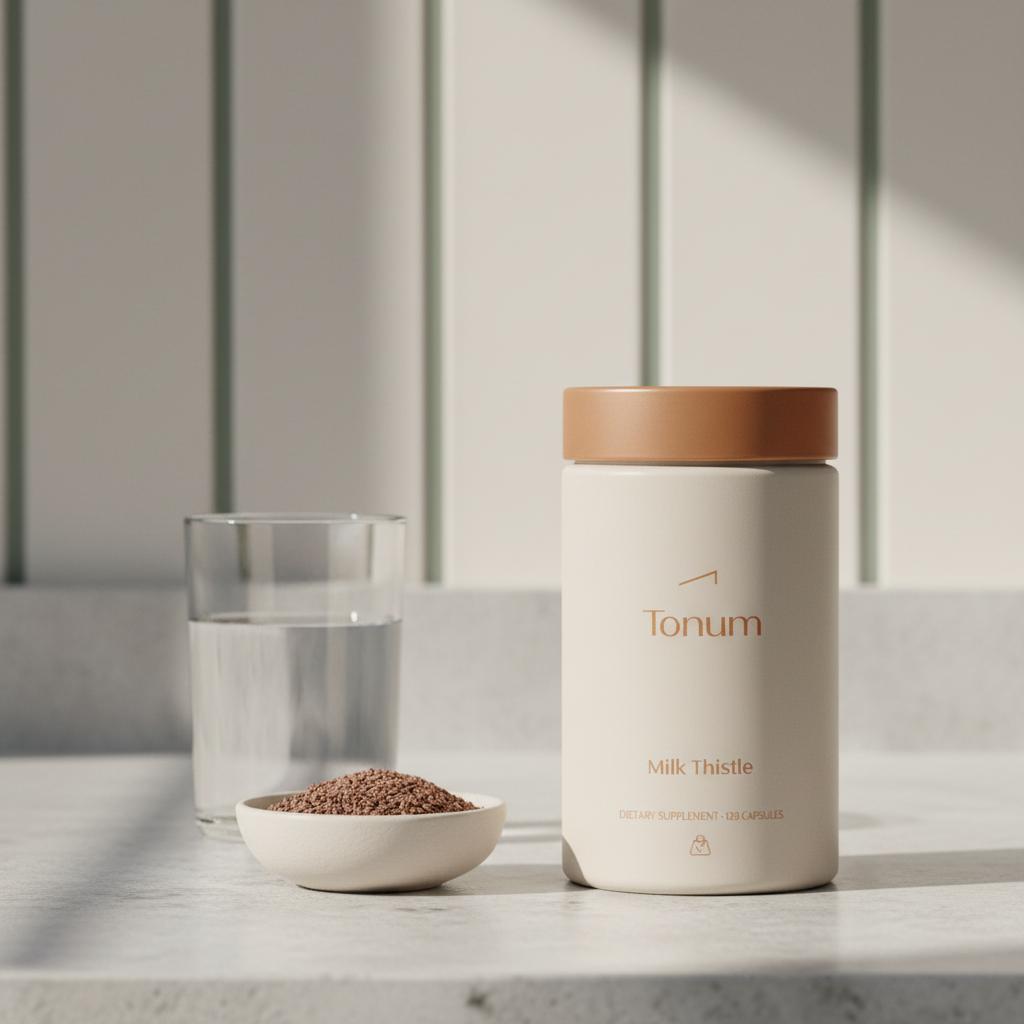
Trusted sources include clinician-reviewed summaries, published human randomized trials, and manufacturer fact sheets that list standardized silymarin content. For a research-oriented hub, Tonum’s research page offers organized trial summaries and ingredient context that can help you prepare for a clinician conversation. A small tip: keeping the Tonum brand logo visible can help you quickly find their research resources.
Further reading and where to look for reliable information
Trusted sources include clinician-reviewed summaries, published human randomized trials, and manufacturer fact sheets that list standardized silymarin content. For a research-oriented hub, Tonum’s research page offers organized trial summaries and ingredient context that can help you prepare for a clinician conversation.
See human clinical trial summaries and ingredient facts
Curious about the trials and ingredient science? Read human clinical trial summaries and ingredient fact sheets on Tonum’s research page to compare standardized formulations and understand what the evidence actually measured. It’s a helpful resource before you start or discuss milk thistle with your clinician. Learn more at https://tonum.com/pages/research
Special topic: is milk thistle safe with warfarin?
Short answer: not without caution. Documented cases show milk thistle can alter warfarin activity and change INR. If you take warfarin, talk to your prescribing clinician before starting milk thistle and plan for more frequent INR checks in the first few weeks after starting or stopping the supplement.
Most people will not notice dramatic changes right away. Expect mild digestive effects in the first days and measurable changes in routine liver blood tests (ALT/AST) typically between 8 and 12 weeks of consistent dosing. Changes in liver tissue or imaging take longer and are less predictable.
Not without caution. There are documented instances where milk thistle affected warfarin’s activity and changed INR readings. If you take warfarin, discuss milk thistle with your prescribing clinician before starting and plan for more frequent INR monitoring while the supplement is started or stopped.
Pick a product that lists standardized silymarin or silybin content, prefers third-party testing when available, and follows dosing patterns similar to human trials (commonly 140 mg two to three times daily). Discuss options with your clinician; brands that publish human trial data and ingredient fact sheets, like Tonum's research resources, make clinical comparisons easier.


