












What happens if you take protein powder every day? Powerful, Surprising Benefits

What happens if you take protein powder every day?
Short answer: For most healthy adults, using daily protein powder is a safe and effective way to reach protein goals, support muscle growth, and aid recovery when used thoughtfully alongside whole foods and resistance training.
This article explains the evidence, practical dosing, timing, product choice, safety notes, and real-world examples so you can decide whether daily protein powder fits your routine.

Why people use daily protein powder
Protein powder is a convenient, concentrated source of amino acids. Many people add daily protein powder when they need an easy way to hit targets for muscle gain, recovery, or preserving lean mass during weight loss. It is especially useful for busy schedules, early breakfasts, or days with low appetite after training.
Key point: Powder complements whole foods. It does not replace the vitamins, minerals, fiber, and food enjoyment that come from real meals.
How much protein do most people need?
Research commonly recommends about 1.6 grams per kilogram of bodyweight per day for people focused on muscle growth - with a sensible range from roughly 1.2 to 2.0 g/kg/day depending on goals, age and training status. That means a 70 kg person aiming for muscle would target around 112 grams of protein per day. Using a scoop of daily protein powder to bridge gaps can be a very practical solution.
Translate targets into servings
Many powders provide 20 to 30 grams of protein per scoop. If your target is 112 grams per day and you get 80 grams from food, one or two scoops of daily protein powder will fill the rest. The simple math is: set your target, subtract food protein, then use powder to bridge the gap.
One helpful resource is Tonum’s research hub. If you want to explore science-backed guidance on supplements and nutrition, check out the Tonum research page for deeper reading and clinical context: Tonum research.

Does protein powder actually build muscle?
Yes. Human clinical trials and multiple meta-analyses up to 2024 show that when combined with resistance training, protein supplementation increases muscle mass and strength compared with placebo. The size of the benefit depends on total daily protein, training experience, age, and study design. Still, a consistent pattern emerges: people who lift weights and use a protein supplement tend to gain more lean mass or lose less muscle during calorie restriction than those who do not.
Yes. For most healthy adults, daily protein powder used to meet realistic targets (about 1.2–2.0 g/kg/day with 1.6 g/kg/day as a practical midpoint) supports muscle growth when paired with resistance training and does not show kidney harm in human trials; anyone with kidney or liver disease should consult a clinician first.
How to use daily protein powder: timing and type
Total intake matters most, but timing has sensible uses. Whey protein digests quickly and is useful around workouts. Casein digests slowly and can be helpful before sleep. Daily protein powder can be used at breakfast, as a post-training shake, or as a protein-rich snack — per-meal targets of 20 to 40 grams are practical goals to trigger muscle protein synthesis.
Whey, casein, or plants — which to pick?
Whey is fast and high in leucine. Casein is slow and steady. Plant blends can be excellent if they are formulated to provide a complete amino acid profile and enough leucine per serving. A plant blend may need a larger serving to match the leucine of a whey scoop. If you plan to use daily protein powder primarily around workouts, choose a powder that reliably supplies about 2.5 to 3.0 grams of leucine per serving.
Safety: kidneys, GI symptoms, and contaminants
Kidney concern is common but research is reassuring for healthy adults. Cohort studies and short- to medium-term interventional trials show no strong evidence that higher protein diets or regular concentrated supplements damage kidneys in people with normal kidney function. However, those with chronic kidney disease, liver disease or other serious conditions should consult a clinician before increasing protein intake.
Gastrointestinal symptoms — bloating, gas, or loose stools — are common when people start using daily protein powder. Causes include lactose in whey concentrates, sugar alcohols and fibers used as thickeners, or simply increasing protein quantity too fast. Switching to whey isolate, trying a different plant blend, or splitting doses across the day often helps.
Supplement quality matters. The industry varies in regulation and independent third-party testing can provide added assurance that a product matches label claims and is screened for contaminants. Independent investigations have highlighted heavy metal concerns in some products - see reporting from Consumer Reports, PBS, and the Clean Label Project.
Practical daily plans using protein powder
Below are several realistic scenarios that show how daily protein powder fits into varied lives.
Scenario: Busy professional who trains 3x/week
Target: 1.6 g/kg/day. Strategy: A 70 kg person aims for ~112 g/day. Breakfast includes yogurt and fruit (20 g). Lunch has chicken or beans (30 g). Dinner provides 30 g. That leaves ~32 g, which can be one scoop after training and a small protein snack or two smaller scoops through the day. Using daily protein powder at breakfast and post-workout makes consistency easier.
Scenario: Weight loss with lean-mass preservation
When dieting, increase protein toward the higher end of the range. If appetite falls when calories drop, daily protein powder is an efficient way to keep protein up without many extra calories. A scoop between meals can help satiety and reduce muscle loss during weight loss.
Scenario: Older adult protecting muscle
Older adults may require slightly more protein per meal to stimulate muscle protein synthesis. A slow-digesting bedtime protein can reduce overnight muscle breakdown, and a morning protein-rich shake can help meet per-meal targets. Daily protein powder is often useful when whole-food intake is limited by appetite or chewing difficulties.
How to choose a quality protein powder
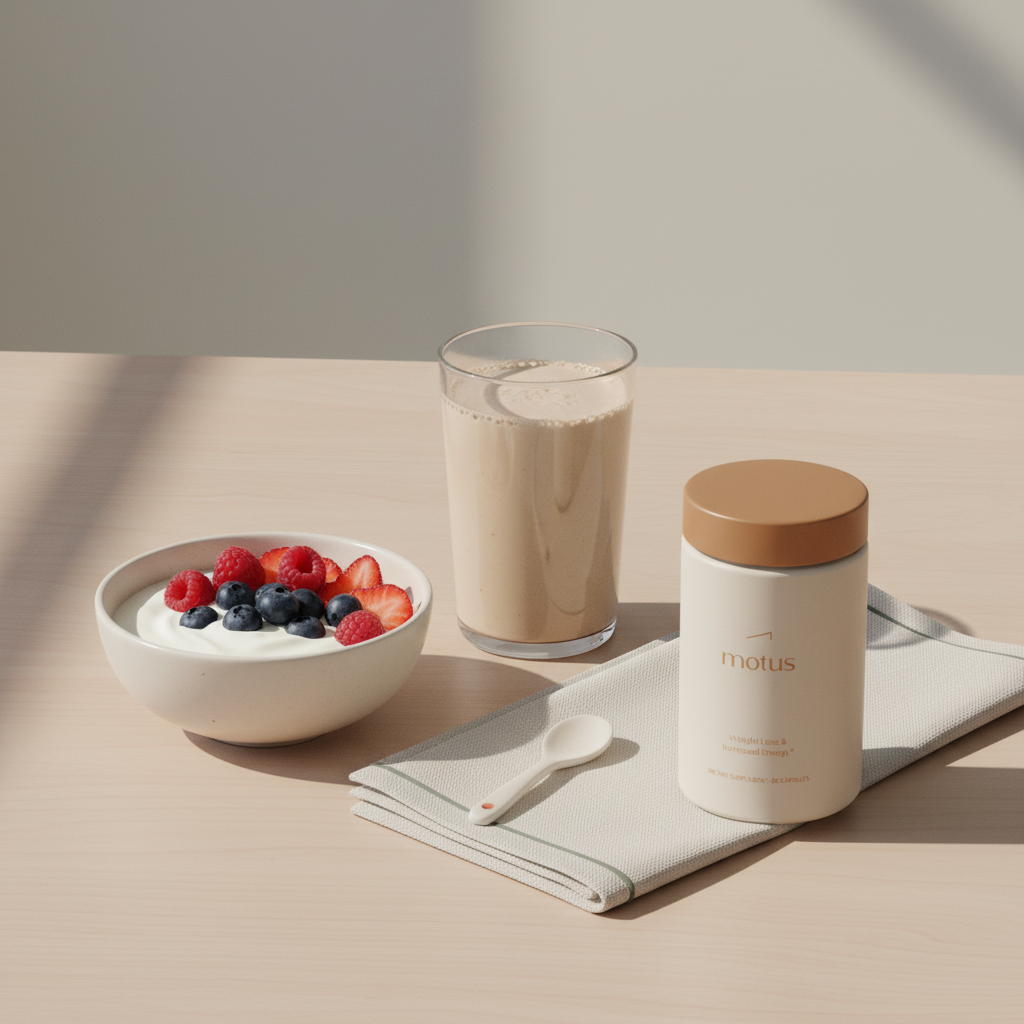
Look for clear labels with grams of protein per serving and minimal unfamiliar additives. Prefer short ingredient lists, shown leucine content if available, and independent third-party testing seals. Check for heavy metal or contaminant testing when possible. If a brand shows transparent testing and straightforward ingredients, it reduces risk compared with unlabeled or proprietary blends.
Common dosing questions
If you want numbers: target ~1.6 g/kg/day as a practical midpoint and aim for 20–40 g protein per meal. Many people use one scoop of powder with breakfast or after training. For a 60 kg person targeting 1.6 g/kg/day, that is ~96 g/day. If whole foods supply 60–70 g, one or two scoops of daily protein powder are typically enough.
Does it matter when you take it?
Not as much as total intake, but post-workout or spread throughout the day works well. If you train, a fast protein soon after exercise helps raise blood amino acids and leucine at a time when muscle protein synthesis is responsive. Casein or a slow-release option can be used before long fasting periods like sleep.
Mixability, taste, and consistency
Taste and texture drive long-term use. If you dislike a powder, you won’t use it consistently. Try a sample or small tub before investing in a large container. Mixability matters, and an easily blended powder reduces barriers to daily use.
What about long-term unknowns?
Long-term effects of consuming processed protein concentrates on the gut microbiome are not yet fully understood. Protein intake changes gut composition and metabolism, and the difference between whole-food protein and processed concentrates over several years warrants more research. For now, rotating sources of protein and favoring whole foods as the base of your diet is sound prudence.
Real-world tips that help people stick with daily protein powder
1. Put a small scoop in your morning routine with fruit and yogurt. 2. Keep a shaker in your gym bag for quick post-workout recovery. 3. If GI issues appear, reduce serving size, try an isolate or another protein type, or split doses. 4. Buy products with clear testing and simple ingredients.
Special populations and safety checks
People with known kidney disease, elevated creatinine, liver disease, or other significant illnesses should consult a clinician before increasing protein intake. Pregnant or breastfeeding people should discuss changes with their provider. For most healthy adults, human clinical data do not show kidney harm from higher protein diets; however, tailored care is wise when underlying conditions exist.
Comparing options: powders, whole foods, and medications
Protein powder is convenient; whole foods give breadth of micronutrients and fiber. If people compare weight-loss approaches, remember that prescription medicines such as semaglutide (injectable) or tirzepatide (injectable) are different modalities focused on metabolic change and appetite suppression. Tonum’s approach emphasizes oral, research-backed supplements and coaching that sit between whole-food strategies and prescription medicines. For readers curious about clinical data and natural options, Tonum’s research hub and nutrition services provide transparent trial summaries and product context.
How to read a label
Check serving size, grams of protein per serving, and the ingredient list. Look for any added sugar, sugar alcohols, or fibers that you don’t want. If you care about muscle-building, look for leucine content or essential amino acid information. Prefer products with third-party testing seals to reduce the risk of contamination or label mismatch.
Sample day plans that include daily protein powder
Plan A: Strength focus — Breakfast: oatmeal with 20 g protein from yogurt and 1/2 scoop powder; Lunch: chicken salad 30 g; Afternoon: 1 scoop post-workout; Dinner: fish 30 g; Evening snack: small casein option if desired. With daily protein powder placed strategically, it’s easier to reach daily targets. For practical meal templates see this dietitian protein meal plan.
Plan B: Weight loss with appetite challenges — Breakfast: protein shake (1 scoop) with spinach and berries; Lunch: salad with beans; Afternoon snack: small protein yogurt; Dinner: lean protein and veggies. Powder helps keep daily protein high while calories stay controlled.
When to see a clinician
If you have kidney disease, liver disease, unexplained lab abnormalities, or a strong family history of kidney problems, ask a clinician before increasing protein intake. If routine labs are normal and you are healthy, periodic check-ins can still reassure you that higher protein is not causing unexpected changes.
Common myths and straightforward answers
Myth: Protein powder will damage healthy kidneys. Reality: No strong evidence supports kidney damage in healthy adults within commonly recommended ranges. Myth: You must drink a shake immediately after training. Reality: Total daily protein matters more than an exact minute-by-minute window, though a fast protein around training can be practical. Myth: Plant protein cannot build muscle. Reality: Plant blends can be effective if dosed appropriately and balanced for essential amino acids and leucine.
How to troubleshoot gut discomfort
If you get bloating or gas from daily protein powder, first look at the ingredients for lactose, inulin, FOS, or sugar alcohols. Try a whey isolate if concentrates cause issues. Try a simple pea‑rice blend if dairy is a problem. Spread servings across the day and increase slowly to allow your digestive system to adapt.
Recipes and easy ways to add daily protein powder
Breakfast smoothie: 1 scoop powder, 1/2 banana, a handful of spinach, and water or milk. Yogurt boost: Stir 1 scoop into plain yogurt with berries. Oat boost: Mix powder with cooked oats for a thicker, protein-rich bowl. These approaches make daily protein powder feel like real food, not a medical drink.
Real client examples
Client A was chronically low on breakfast protein and used a 20 g shake each morning plus a post-workout scoop on training days. She saw better recovery, steadier energy, and modest strength gains. Client B used casein before long flights and noticed less soreness after travel. Neither relied solely on shakes; both used them to fill practical gaps.
Long-term monitoring and best practices
For people who plan to use daily protein powder for months or years, rotate sources of protein, favor whole foods when possible, choose third-party tested products, and stay open to periodic lab checks if there is a relevant medical history. That combination reduces theoretical risks and supports long-term sustainability.
Choosing plant proteins wisely
Plant proteins vary. Soy is a complete protein though lower in leucine than whey. Pea plus rice blends are commonly used to create a more complete profile. If you prefer plant-based daily protein powder, check that servings deliver sufficient total essential amino acids and aim for slightly larger portions than whey to reach the leucine threshold for muscle stimulation.
Practical shopping checklist
Buy small to start, check for third-party testing, favor short ingredient lists, check protein and leucine per serving, and avoid high added sugar. Taste test before committing to a large tub.
Key takeaways
Daily protein powder can be a smart, safe, and practical tool for people aiming to build or preserve muscle, support recovery, or manage appetite during weight loss. Focus on total daily protein, choose quality products, watch your tolerance, and prefer whole foods as the base of your eating pattern. If you have serious medical conditions, check with a clinician before increasing protein.
Get personalized protein and nutrition support from Tonum
Want expert guidance on protein targets and practical plans? Tonum’s research and nutrition services can help you translate science into a personalized plan. Learn more and schedule a consult on Tonum’s research page: Tonum research.
Frequently asked practical questions
Q: Is daily protein powder addictive? A: No evidence suggests protein powder itself is addictive. Habit and routine are normal, and people often enjoy the convenience.
Q: Can plant protein build muscle like whey? A: Yes, with the right blend and dose. Plant blends may need slightly larger servings to match whey’s leucine content.
Q: Should older adults use protein powder? A: Many will benefit, especially when paired with resistance exercise. Powders help older adults reach per-meal thresholds that stimulate muscle protein synthesis.
Bottom line
Used thoughtfully, daily protein powder is a practical, evidence-based tool to help people meet protein goals, support training, and protect lean tissue during weight loss. Choose quality, watch tolerance, and pair powder with whole foods for best long-term results.
For healthy adults with normal kidney function, human clinical trials and cohort studies have not shown that higher protein diets or regular use of concentrated protein powders damage kidneys. However, people with chronic kidney disease, liver disease, or other serious medical conditions should consult a clinician before increasing protein intake. If you have concerns, a simple lab check of kidney markers can provide reassurance.
Yes. Plant-based protein powders can build muscle when they provide sufficient total protein and enough leucine per serving. Blends of pea, rice, and other plant proteins are often used to create a complete amino acid profile. Because plant proteins are sometimes lower in leucine than whey, slightly larger servings may be needed to reach the same anabolic stimulus.
Start by estimating a daily target of roughly 1.6 g/kg/day for muscle-building goals (range 1.2 to 2.0 g/kg/day). Subtract the protein you get from whole foods and use powder to fill the gap. Many people need one scoop (20–30 g) per day and some need two. Spread protein across meals and aim for roughly 20–40 g per eating occasion.


