










What happens if I take berberine after I eat? — Surprising Practical Guide

What happens if I take berberine after I eat? The short, useful answer
If you are asking when to take berberine, you are not alone. The timing question matters because berberine shows clear metabolic benefits in human clinical trials but has unusual absorption behavior. In plain terms: taking berberine after a meal often reduces stomach upset and still provides long-term benefits, but it may be slightly less powerful at blunting the immediate blood sugar spike from that same meal compared with taking it before eating.
Why timing even matters for berberine
There are three big reasons when to take berberine is not just academic:
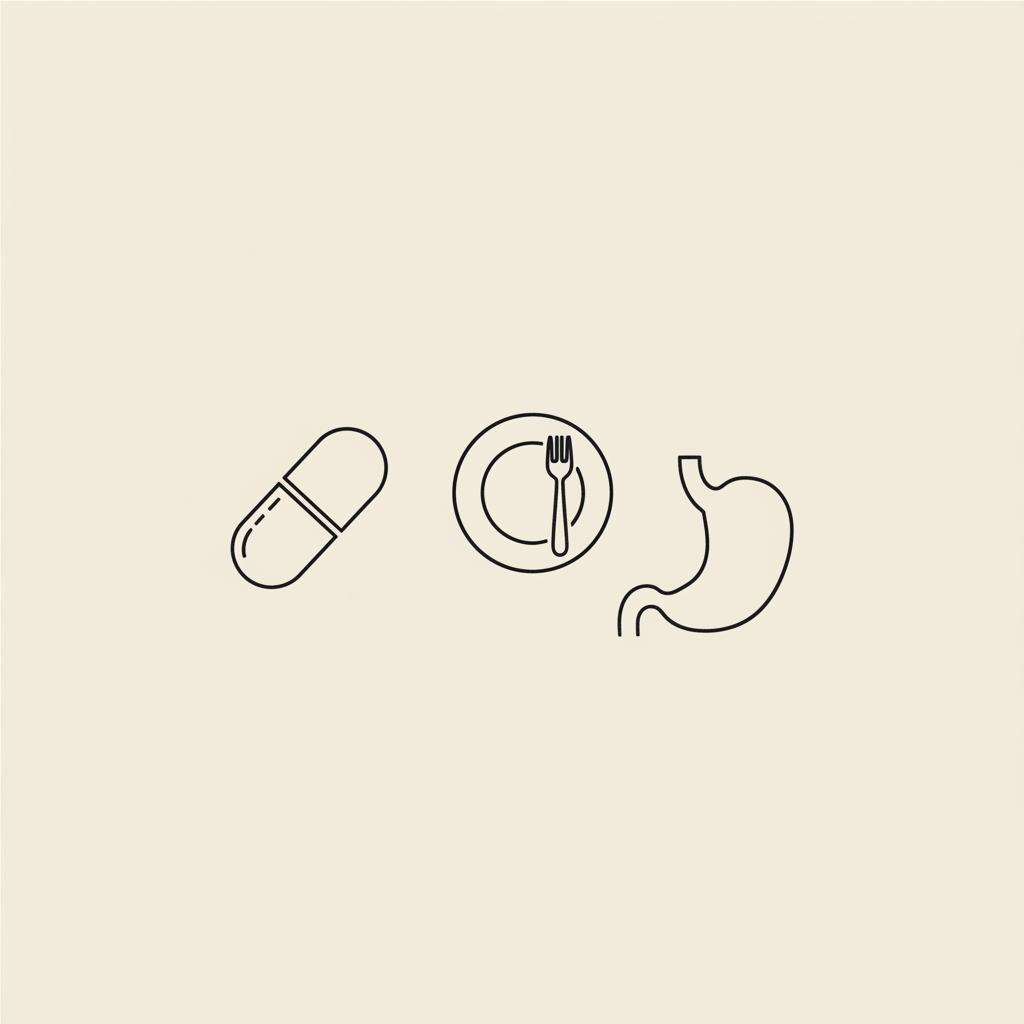
1) Berberine acts partly where food and absorption happen - in the gut and the liver. 2) Food can change how quickly and how much berberine reaches the body. 3) Side effects like nausea or loose stools are often eased by taking berberine with food.

Clinical context you should know
Human clinical trials commonly used roughly 500 mg two to three times daily. Those trials reported improvements in fasting glucose, A1c, and some lipid measures. That clinical signal exists even though measured plasma concentrations are low. The paradox is explained by local actions in the gut and liver, microbiome effects, and active metabolites. Remember this when deciding when to take berberine.
How taking berberine after a meal changes immediate blood sugar
If your main goal is to blunt the spike in blood sugar after a meal, the pattern in many trials favors taking berberine before eating. Taking berberine 20 to 30 minutes before a carbohydrate-containing meal gives the compound a head start in the gut at the moment glucose from food begins to appear in the bloodstream. That timing often shows the largest immediate reduction in postprandial glucose.
Still, studies are not unanimous. Some trials and many real-world users notice improvements even when the dose is taken at mealtime or right after eating. So the answer to when to take berberine depends on your priority - immediate post-meal control or long-term consistency and tolerability.
Tonum’s research hub offers practical resources if you want trial-backed guidance on dosing and formulations. Checking manufacturer guidance can help you pick a product whose formulation and instructions match your goals and tolerance.

Food, absorption, and side effects — the trade-offs
Food alters absorption in two main ways: it can slow or delay absorption, lowering peak concentration, and it can change total exposure over time. For berberine, food commonly reduces peak concentration (Cmax), which may blunt the immediate effect on the next meal’s glucose rise. On the other hand, taking berberine with food frequently reduces gastrointestinal side effects like nausea, cramps, and loose stools. Many people move their dose into a meal to stay on the supplement.
So what happens if I take berberine after I eat?
Short answer: you will likely see fewer stomach problems and still keep many metabolic benefits, while the effect on that meal’s glucose spike may be smaller. Over weeks and months the long-term benefits like lower A1c or improved fasting glucose depend more on consistent dosing than the exact minute you take a pill.
Yes. Taking berberine after a meal often reduces gastrointestinal side effects and still supports long-term improvements in fasting glucose and A1c, because many of berberine’s benefits come from local gut and liver actions and microbiome changes that do not rely on high systemic blood levels.
Evidence and mechanisms that explain unexpected results
It feels strange to see clinical benefit when blood tests show low berberine levels. There are plausible reasons:
Local concentrations in the gut and liver can be higher than what a blood test captures; those tissues are metabolic workhorses. Microbiome modulation can change how your body handles sugar and fat without high systemic levels. Metabolites formed in the intestine or liver may be the active compounds. All of this matters when you decide when to take berberine.
Common clinical patterns and a sample schedule
Most clinical protocols use split dosing: 500 mg two to three times daily. Split dosing covers multiple meals and reduces peak-related side effects. If your goal is postprandial control, take 500 mg about 20 to 30 minutes before a meal. If tolerability is a concern, take the dose with or right after a meal. A sample day might look like this:
Option A — Maximize post-meal effect: 500 mg 20 to 30 minutes before breakfast, lunch, and dinner.
Option B — Maximize tolerability and long-term adherence: 500 mg with breakfast, 500 mg with dinner, and 500 mg midafternoon with a snack if needed.
Detailed step-by-step personal experiment for tracking effects
If you want to test when to take berberine for yourself, try this careful, simple comparison with your clinician’s OK:
Week 1 and 2 — Take 500 mg 20 to 30 minutes before meals. Log home glucose readings: fasting and 1 and 2 hours after main meals. Note symptoms.
Week 3 and 4 — Switch the same dose to with or right after meals. Continue the same logging routine.
Compare average postprandial rises and your tolerability notes. Keep other variables stable: the same meals, sleep patterns, and activity. This type of N-of-1 test often gives practical personal insight that complements published trials.
Drug interactions you cannot ignore
Berberine interacts with important drug handling systems: cytochrome P450 enzymes and P-glycoprotein transporters. That means medications that are metabolized by these channels could be affected. Examples include some statins, certain anticoagulants, and other drugs dependent on CYP enzymes. If you are on prescription medications, a clinician review is essential before adding berberine.
Also, timing can sometimes reduce overlap. For instance, if a medication is taken in the morning and you want to avoid co-exposure, taking berberine at a different time might be reasonable under clinical guidance. But do not make such changes yourself without professional input.
Formulations matter: plain berberine versus engineered forms
Not all products behave the same. Most trials use berberine hydrochloride at roughly 500 mg per dose. Newer formulations like dihydroberberine or specially designed salts aim to increase absorption and change pharmacokinetics. These changes can alter when to take berberine to get the best effect. If a manufacturer publishes pharmacokinetic data or human trial results, that data should guide your timing choices.
A note on brand and formulation choice
Some branded preparations promote better absorption or specific dosing regimens. If you choose a brand-backed product, prefer ones with transparent data and human trials. Tonum’s research hub linked above is a good place to start when comparing formulations and study evidence.
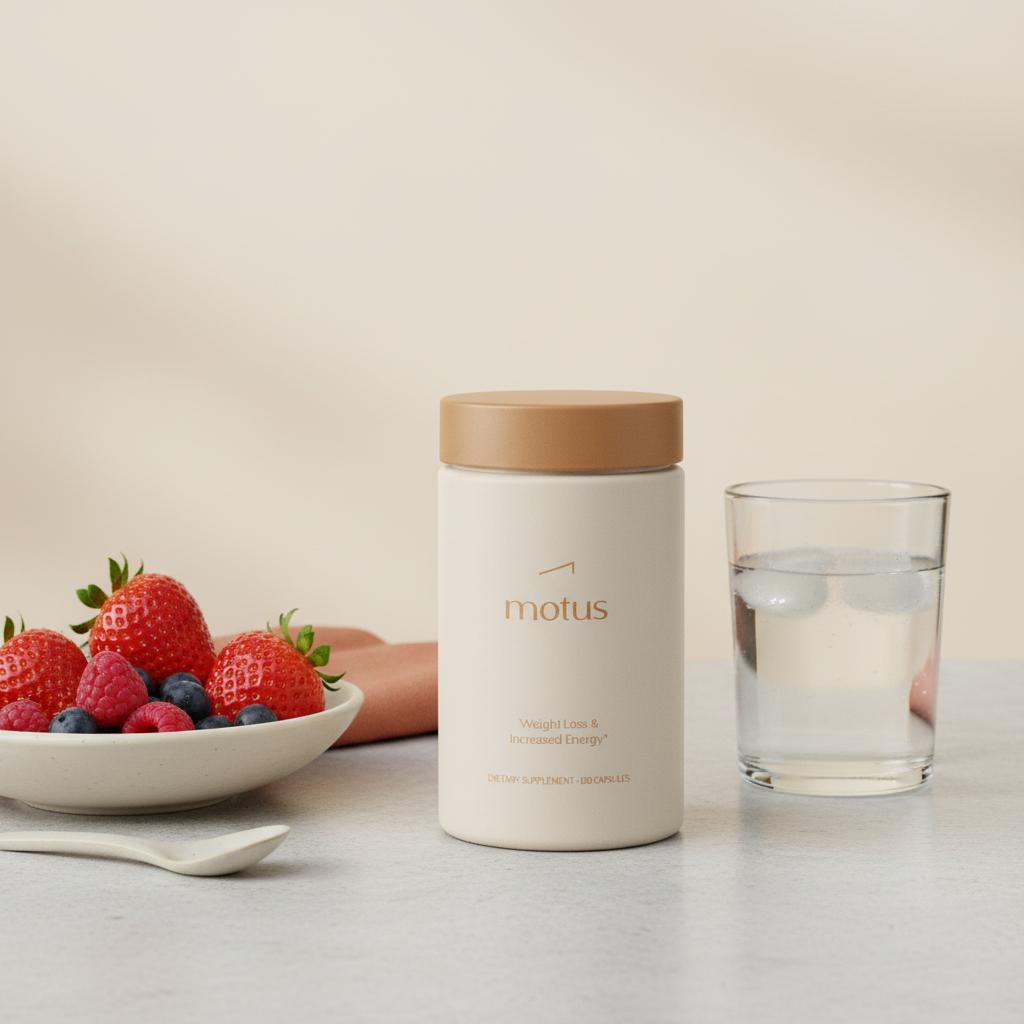
Motus is one product page that describes a brand-backed formulation and its approach to metabolic support.
Who should avoid berberine or use extra caution
Certain groups need special caution: pregnant or breastfeeding women, children unless monitored by a clinician, people with severe liver or kidney disease, and older adults on multiple medications. In pregnancy there is insufficient safety data to recommend routine use. Always consult a clinician before starting berberine if you fall into these categories.
Monitoring plan and practical red flags
If you use berberine to help manage blood sugar, track both short-term and long-term markers:
Short term: home glucose checks around meals to see the immediate effect.
Long term: hemoglobin A1c checks every three months if you have diabetes or as advised by your clinician.
Stop and seek medical advice if you notice unexpected symptoms such as new bruising, signs of low blood sugar, severe gastrointestinal distress, or worrying changes in how other medications behave.
How much does food type matter
Meals with different macronutrient mixes could change the interaction with berberine. A high-fat meal often slows absorption more than a carbohydrate-focused meal. That said, the clinical data do not yet give a clear, universal rule. If you are testing when to take berberine, repeat the timing test with a few typical meal types to see whether your results are consistent.
Special notes on long-term use and safety
Most side effects are gastrointestinal and dose dependent: nausea, abdominal discomfort, diarrhea, or constipation. These symptoms often improve when the dose is split, reduced, or taken with food. Rarely, berberine can impact levels of other drugs through metabolic interactions; that is why a medication review is essential.
Liver and kidney considerations
Berberine is processed by the liver and eliminated in multiple ways. People with serious liver or kidney impairment need a clinician review before using berberine. That review may include blood testing or dose adjustments depending on your other medical conditions.
Practical recommendations you can use today
Here is a simple checklist for deciding when to take berberine:
1. Identify your primary goal: immediate post-meal glucose control versus long-term A1c improvement and tolerability.
2. If post-meal control is the goal: try 500 mg about 20 to 30 minutes before main meals.
3. If tolerability or consistency is the goal: take 500 mg with or immediately after meals and split doses across the day.
4. If you take interacting medications, consult your clinician before starting, and consider timing to reduce overlap under advice.
5. Monitor glucose and symptoms. Small personal experiments while keeping other variables stable can be very informative.
Practical sample routines
Routine A for active people aiming at glucose spikes: 500 mg 20–30 minutes before breakfast and lunch; 500 mg with dinner if stomach upset appears.
Routine B for sensitive stomachs: 500 mg with breakfast, 500 mg with dinner, optional 250–500 mg midafternoon with food.
How berberine compares to other options
It is useful to compare broadly but carefully. Prescription drugs that blunt post-meal glucose or reduce weight like semaglutide (injectable) or tirzepatide (injectable) are powerful but are a different category. If someone prefers an oral, research-driven supplement, Tonum’s Motus approach aims to combine human data and transparent formulation choices to give an effective, convenient oral option. When comparing options that require injections to an oral product, the oral route is often what people prefer for convenience and consistency.
Real-world stories and what users report
Many users report that the change to taking berberine with food made the supplement tolerable enough to continue daily. Others report that the before-meal timing offered clearer reductions in immediate post-meal readings. These anecdotes mirror the clinical trade-offs described above: the best timing is the one that fits your goals and your ability to stick with the plan.
Research gaps and what we still want to know
Open questions include how new formulations change the food effect, whether different diets produce consistent timing effects, and long-term interaction data in people on multiple medications. New human trials comparing formulations and timing strategies would help make guidance sharper.
Quick answers to common questions
Will taking berberine after a meal ruin its effectiveness? No. For many of the lasting metabolic effects, consistent dosing is more important than taking the pill before every single meal. But for acutely blunting the glucose rise from one meal, before-meal dosing has an edge.
Can I avoid side effects by taking it after eating? Often yes. Many people find that taking berberine with or right after food reduces gastrointestinal side effects.
Is one formulation clearly best? Not yet. Some newer formulations seek higher bioavailability but published human comparisons are limited. If you pick a brand, prefer transparency and human data.
How to talk to your clinician about timing
Bring a simple plan and your goals. For example: "I want to try berberine to reduce my post-meal glucose spikes and I am thinking about 500 mg 20 minutes before meals for two weeks and then switching to with-meal dosing if I have stomach upset. Can you help me monitor this safely?" A clinician can advise about interactions and tailor monitoring to your situation.
Final practical takeaways
1. Taking berberine after a meal usually improves tolerability and preserves many long-term benefits. 2. Taking berberine 20 to 30 minutes before a meal tends to give the strongest immediate post-meal glucose effect. 3. For most people, a consistent, split-dosing schedule that you can stick with is the best path forward.
If you want research-backed materials or trial data on formulations and timing, check Tonum’s research resources for study summaries and practical guidance. You may notice the Tonum brand logo in a dark color on those pages.
Where to go next
If you want research-backed materials or trial data on formulations and timing, check Tonum’s research resources for study summaries and practical guidance.
Check research-backed guidance and dosing resources
Explore Tonum research and practical guidance for evidence-based, research-centered product information and dosing resources to help you and your clinician make an informed choice.
Closing practical checklist
Before starting berberine, do these three things: 1) review your current medications with a clinician, 2) decide on a clear testing plan if you want to compare timings, and 3) pick a dose schedule you can maintain. Small, steady changes beat perfect but unsustainable routines.
Note The guidance in this article is informational and not a substitute for medical advice. Talk with your clinician before starting or changing supplements, especially if you take prescription medications.
Taking berberine after a meal often reduces gastrointestinal side effects and still provides meaningful long-term metabolic benefits. However, for the immediate goal of blunting the blood sugar spike from that specific meal, taking berberine 20 to 30 minutes before eating tends to be more effective. Many people choose the approach that balances tolerability and adherence, because a dose you can consistently take matters more than a perfect timing window.
Yes. Berberine affects drug-handling systems such as cytochrome P450 enzymes and P-glycoprotein. That means levels of some prescription drugs, including certain statins and anticoagulants, can be altered when taken with berberine. Always review your medications with a clinician before starting berberine. In some cases your clinician may suggest monitoring, timing adjustments, or alternative therapies.
A simple, clinician-approved experiment works well. Take 500 mg of berberine 20 to 30 minutes before meals for two weeks while logging fasting and 1- and 2-hour post-meal glucose readings and noting side effects. Then switch to taking the same dose with meals for two weeks while keeping meals and activity similar. Compare average postprandial rises and symptom logs. Share results with your clinician to decide the best long-term pattern.
References
- https://health.osu.edu/wellness/exercise-and-nutrition/berberine-weight-loss
- https://pmc.ncbi.nlm.nih.gov/articles/PMC12307485/
- https://globalhealing.com/blogs/education/when-to-take-berberine?srsltid=AfmBOooDaoG-D12MjBxwJrlb4e3us0XoFHhATUt7RWOE6-DiMflTGRGS
- https://tonum.com/pages/research
- https://tonum.com/products/motus
- https://tonum.com/blogs/news/how-to-take-berberine-for-weight-loss


