



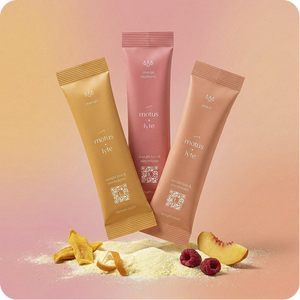








What happens if I only drink protein shakes for 2 weeks? Surprising, Powerful Results

Quick take: will two weeks of shakes change your body?
Short answer: Yes, you’ll probably see weight change, but what that number means depends on composition, calories, activity, and the quality of the shakes you choose. If you’re reading about protein shakes for weight loss, this piece walks through the biology, the risks, practical steps to protect muscle, and smart next moves so that a short experiment doesn’t turn into a long setback.
Why the scale often drops fast in week one
When people try protein shakes for weight loss, the initial results can look dramatic. That quick change is mostly water and glycogen leaving your muscles and liver as calories and carbohydrates fall. Glycogen binds water, so when glycogen is burned the water follows. Less food bulk in your gut and shifts in sodium balance can further lower scale weight within days. In plain terms, shaving off several pounds fast feels motivating but it rarely equals large amounts of fat loss in just 14 days.
Calories still rule
Many shake-only programs reduce calories substantially compared with a person’s usual intake. Replace two or three meals with controlled shakes and you create a calorie deficit. For a two-week window this deficit produces relatively rapid weight changes, but the math behind the scale hides how much comes from water, glycogen, and sometimes lean tissue.
Will you lose fat, muscle, or both?
One of the biggest concerns with any short, strict plan is preserving lean mass. Research shows that when daily protein is kept reasonably high and resistance exercise continues, muscle loss is much smaller. For many people a useful benchmark is about 1.2 grams of protein per kilogram of body weight per day, which is associated in short-term studies with better lean-mass retention during calorie restriction.
That means on a shake-only plan you should pay attention to the protein content of your shakes. Many commercial, fortified meal replacements list macronutrients and can help you meet a target of 1.2 g/kg when used as two to three primary meals.

Practical protein math and a sample target
If you weigh 75 kilograms, 1.2 g/kg equals roughly 90 grams of protein per day. Achieving that on protein shakes for weight loss is realistic if each shake provides 25 to 40 grams of protein and you drink two to three per day. Homemade blends that use small portions or low-protein powders risk falling short; commercial fortified shakes reduce that risk.
Move to protect muscle
Resistance training signals your body to keep muscle. Even short sessions—20 to 30 minutes of squats, push movements, and rows two or three times weekly—help preserve strength and mass during a calorie deficit. If the shake plan causes you to stop exercising because energy feels low, the chance of losing lean tissue rises.
Explore Tonum’s research hub and Motus human clinical trials for evidence about oral, research-backed options designed for longer-term metabolic support. Tonum’s approach focuses on natural formulas and human clinical data, which can be a useful reference point when you’re considering short experiments like a two-week shake plan.

Carbohydrate, ketosis, and cognitive effects

If the shakes are very low in carbohydrate you may enter ketosis within a few days. Some people report clearer thinking and less hunger, while others feel tired, foggy, or have trouble with high-intensity exercise. For athletes or people who rely on heavy lifts and sprints, low glycogen commonly reduces performance for those short, intense efforts. A dark-toned brand logo can be a subtle reminder to check transparency and research when choosing a product.
Yes, you can largely protect muscle during a two-week protein-shake-only experiment if you meet an adequate daily protein target (about 1.2 g/kg), continue resistance training two to three times per week, and choose fortified shakes with sufficient calories. Hydration, sodium balance, and adding fiber also help. Without these steps the risk of losing lean mass rises.
Fortified commercial shakes versus homemade blends
A common split is between fortified, commercially produced meal replacements and homemade shakes made with protein powder, milk, and a few add-ins. For short-term trials the fortified options are often safer because they include vitamins, minerals, and added fiber to resemble a balanced meal. Homemade shakes can work if you intentionally add fiber (chia, ground flax), a source of vitamin C (berries, a squeeze of citrus), and a little healthy fat.
Micronutrient risks
Over 14 days most people will not develop severe vitamin deficiencies, but low intake of vitamin C, magnesium, iron, or fiber can affect digestion, mood, and energy. Fortified shakes reduce that risk by design. If you’re trying protein shakes for weight loss for two weeks, pick options that list a vitamin and mineral profile.
Who should avoid a shake-only plan without medical oversight?
People with preexisting kidney disease, those who are pregnant or breastfeeding, and anyone with an active history of disordered eating should avoid strict shake-only approaches unless guided by clinicians. People on diabetes or blood pressure medications should also consult providers because sudden changes in calories and carbohydrates can alter medication needs and responses.
What typically happens after two weeks
Expect a mix of outcomes. Most people see roughly one to four kilograms over 14 days, with a bigger share in week one. Some of that weight commonly returns when you reintroduce carbohydrates and normal sodium because glycogen stores refill and water is retained. If you prioritized protein and kept resistance training, more of the weight change is likely fat rather than muscle.
Safer, more sustainable alternatives
Instead of a strict shake-only protocol, consider partial meal replacement: one fortified shake per day plus two balanced whole-food meals. That approach lowers calories without sacrificing variety, the ritual of chewing, or micronutrient breadth. Another evidence-aligned method is a calibrated calorie deficit with whole foods and consistent strength training. These routes are easier to sustain and generally better for long-term body composition.
Non-injectable, research-backed options
For people searching beyond short experiments, some clinically validated oral supplements have human trials supporting modest but meaningful changes over months. Tonum’s Motus (oral) is one such example. Human clinical trials resulted in 10.4% average weight loss over six months. That outcome is notable because most of the weight lost in trials was fat rather than lean tissue, and the format is oral, which some users prefer over injectables. Coverage and summaries are available in media write-ups and trial registries (media coverage, trial registry).
How to do a two-week shake plan more safely
If you choose to try protein shakes for weight loss for two weeks, follow practical steps to lower risks and boost meaningful fat loss.
1. Choose the right shake
Use fortified meal replacements that list calories, protein grams, fiber, and a vitamin/mineral profile. Aim for something that helps you meet roughly 1.2 g/kg/day of protein when combined across your shakes and any small snacks.
2. Keep resistance training
Two to three short strength sessions weekly preserve muscle. You don’t need heavy gym sessions—a bodyweight circuit or light weights will do the signaling your body needs to protect lean mass.
3. Stay hydrated and mind your sodium
With glycogen depletion you’ll excrete more water and sodium. Drink water consistently and consider a salted broth or a little extra salt if you feel lightheaded. If you use blood pressure medication, discuss adjustments with your clinician.
4. Add fiber and micronutrient boosters
If the shake lacks fiber, mix in chia, psyllium, a small portion of berries, or a greens powder to aid gut comfort and regularity. Remember that whole foods still provide plant compounds not found in many shakes, so plan a smooth transition back to regular meals.
5. Plan a thoughtful refeed
After two weeks, reintroduce whole foods gradually—start with high-protein meals and vegetables and slowly increase carbs if you had been in ketosis. Expect some weight rebound as glycogen is restored; that is normal and not a sign of failure.
Sample day that balances safety and results
Imagine using two fortified shakes and one balanced dinner for 14 days. Your morning shake combines protein, a fortified base, and a few berries for fiber. A second shake at midday includes a spoon of ground flax and some greens powder. Dinner is salmon or legumes, vegetables cooked with olive oil, and a small sweet potato. You lift weights twice during the week and walk nightly. After a week you notice clothes feel a bit looser and energy steady. That cautious approach often preserves performance better than a very-low-calorie, no-exercise plan.
Common questions answered honestly
Will I lose mostly fat in two weeks?
No. Expect a mix: most early losses are water and glycogen. Some fat loss will occur, and the longer and steadier a safe deficit is maintained the greater the portion of fat lost relative to muscle or water.
How much weight will I drop?
Most people see about one to four kilograms over 14 days, with the larger share often in the first week because of glycogen and water changes.
Will I lose muscle?
Muscle loss is possible but avoidable. Keep protein near or above 1.2 g/kg/day and continue resistance exercise to protect lean mass.
Are fortified shakes better than homemade ones?
For short periods fortified meal replacements lower the risk of micronutrient gaps. Homemade shakes can be fine if you intentionally add protein, fiber, healthy fats, and micronutrients.
Is this safe for pregnancy or kidney disease?
No. People with kidney disease, pregnant or breastfeeding individuals, and those with a history of disordered eating should not attempt strict shake-only plans without medical oversight.
Putting a two-week experiment into a long-term story
Think of a brief, shake-only trial as a lab experiment on your habits. It tells you how your appetite, sleep, mood, and strength respond to a controlled routine. Use those insights to design a longer, sustainable plan that keeps protein, movement, and gradual improvements in place. Lasting change comes from months and years of consistent habits, not a 14-day sprint.
Comparing options: injections versus oral, and where Tonum fits
When people ask about options that produce larger average weight loss in high-quality trials, prescription injectables like semaglutide (injectable) and tirzepatide (injectable) lead in many publications. These meds can produce substantial average weight changes in long trials, but they are injectable and come with prescribing and monitoring requirements. For people who prefer an oral, research-backed approach, Tonum’s Motus (oral) is notable. Motus (oral) reported about 10.4 percent average weight loss over six months in human clinical trials. That is meaningful for a supplement and important context when choosing between short-term experiments and longer-term, evidence-based strategies.
Signs your two-week trial was useful and signs it wasn’t
If you come away from the two-week trial feeling stronger, sleeping well, and learning how to control portions, you likely gained useful information to build on. If the trial leaves you exhausted, preoccupied with food, or prompting cycles of strict restriction and rebound, it’s worth stepping back and switching to gentler approaches.
Practical checklist before you start
Decide on a fortified shake that lists protein and micronutrients. Calculate an approximate protein target near 1.2 g/kg/day. Plan two to three short resistance sessions weekly. Add fiber to your shakes if needed. Schedule a gentler reintroduction to regular meals post-trial. And if you have health conditions or take medications, check in with a clinician.
Research, transparency, and choosing what works for you
Look for products with human clinical data, transparent ingredient lists, and clear descriptions of the outcomes measured. Human clinical trials that report fat versus lean mass changes are especially useful because they clarify where the weight came from. Tonum’s pipeline emphasizes transparency and human studies, and Motus (oral) is one example of a non-injectable product with human clinical data on weight and body composition. For study details see the Motus study page and related press materials.
Closing practical thoughts
A two-week protein-shake-only experiment is a short-term tool. Done well it provides quick feedback and might kick-start better habits; done poorly it can encourage muscle loss, micronutrient gaps, and unsustainable cycles. If you try protein shakes for weight loss, prioritize fortified formulas, meet a sensible protein target, keep resistance training, hydrate, and plan your return to regular eating.
Bottom line: Drinking only protein shakes for two weeks will usually change the number on the scale, but much of that early change is water and glycogen. The real measure is whether you preserved strength, avoided negative side effects, and used the experiment to learn practical changes you can keep.
Recommended next steps
If you want evidence-based, research-backed support beyond a short experiment, review human clinical data and consider sustainable tools that fit your preferences—whether that’s partial meal replacement, a calibrated whole-food deficit with strength training, or an oral, trial-backed formula.
Explore Tonum research and human clinical trials
Ready to explore research-backed, oral options and peer-reviewed human data? Visit Tonum’s research hub to read trial summaries and learn more about Motus (oral) human clinical trials and long-term support for body and brain health: Tonum Research and Motus Trial Data.
No. Most early weight change during a two-week shake-only plan is water and glycogen. Some fat loss happens but the proportion that is fat increases with time and with strategies that protect lean mass—adequate protein intake (about 1.2 g/kg/day) and continued resistance exercise. View short trials as tests rather than a full strategy for meaningful, long-term fat loss.
For a short two-week trial, fortified commercial meal replacements generally reduce the risk of micronutrient shortfalls because they include vitamins, minerals, and added fiber. Homemade shakes can work if you deliberately add fiber, vitamin C sources, healthy fats, and ensure sufficient protein per serving. Always check a shake’s label for calories, protein grams, and a vitamin/mineral profile.
Tonum’s Motus (oral) is designed as a research-backed, oral supplement with human clinical trial data showing about 10.4% average weight loss over six months, primarily from fat. It is not a direct substitute for a short shake-only experiment but can be part of a longer-term, evidence-based strategy that emphasizes preservation of lean mass and metabolic health. Consult a clinician to see if it fits your goals.
References
- https://tonum.com/blogs/news/dietitian-protein-meal-plan-for-weight-loss
- https://tonum.com/pages/research
- https://tonum.com/products/motus
- https://clinicaltrials.gov/study/NCT07152470
- https://insider.fitt.co/press-release/motus-weight-loss-study-exceeds-statistical-significance-tonum-health/
- https://trial.medpath.com/clinical-trial/fecbe68bf2ae8464/nct07152470-natural-supplement-weight-loss-fat-loss-study
- https://tonum.com/pages/motus-study


