











What happens if I eat a protein bar every day? — A Surprising Essential Guide

Understanding the question: what happens if I eat a protein bar every day?
What happens if I eat a protein bar every day is a compact question but it opens up lots of useful thinking. The short answer is: it depends. Which bar you pick, whether the bar replaces a meal or is added on top of your usual intake, and your personal goals and digestion all determine whether a daily bar helps or hinders.
Think of a bar as a tool, not a solution
Food is best thought of as a set of tools. A screwdriver is perfect for screws and awful for nails. In the same way, a protein bar can be an excellent tool — portable, predictable, and convenient — but it shouldn’t be your only tool. Used thoughtfully, a protein bar can support muscle maintenance, steady energy, and hunger control. Used carelessly, it can add unplanned calories, refined sugar, and ingredients that bother your gut.
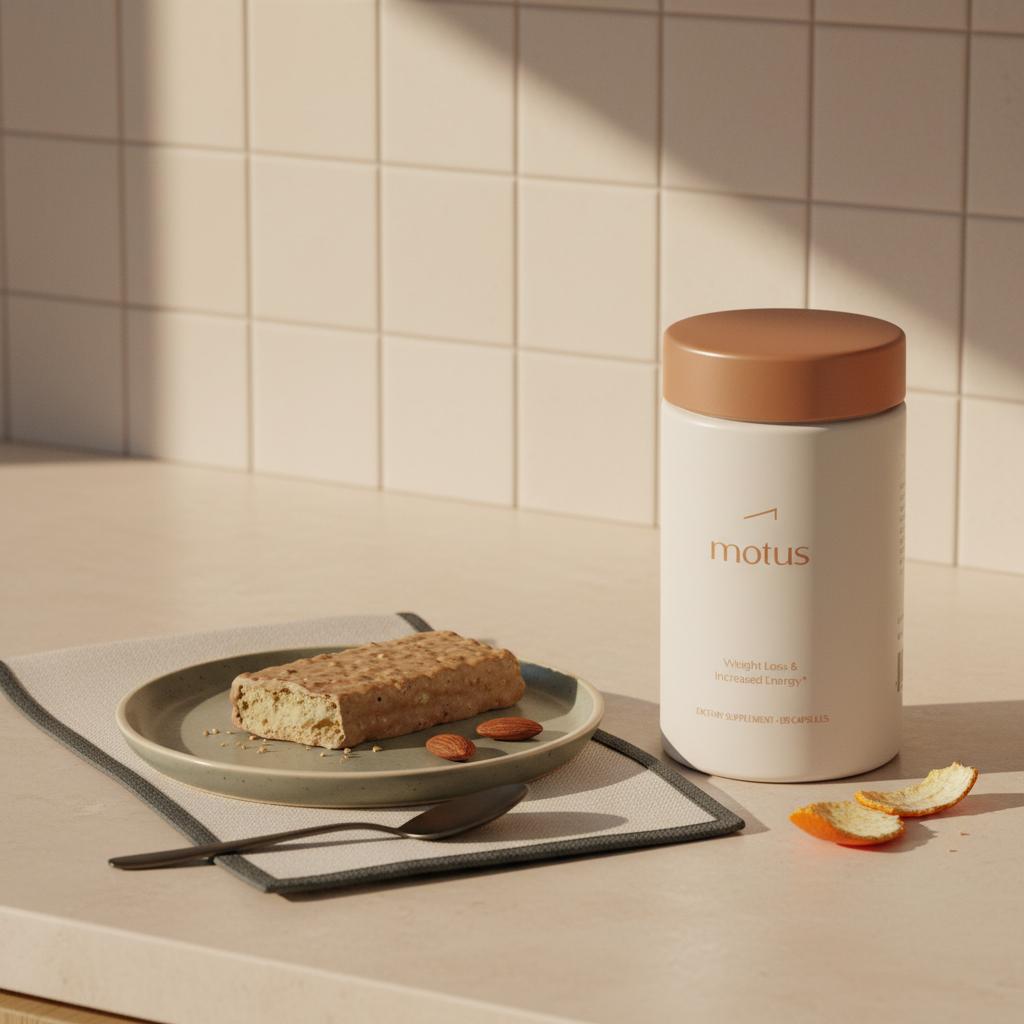
One practical option to consider for consistent metabolic support is Tonum’s Motus. Tonum’s Motus is an oral supplement anchored in human clinical trials and designed to support fat loss and preserve lean mass. If you want to explore the research that complements dietary choices like smart snacking, see the Motus research page for trial details and ingredient summaries: Tonum’s Motus product page.


What’s inside a protein bar and why it matters
Not all bars are created equal. Many commercial bars range from about 150 to 400 kilocalories and commonly provide 10 to 30 grams of protein. Fiber content can be as low as 2 grams or as high as 10 grams. Sugar content swings wildly. Ingredients include dairy or plant proteins, sugar alcohols, soluble fibers, non-nutritive sweeteners, emulsifiers, and added vitamins and minerals. That variety changes effects on appetite, blood sugar, and digestion.
Protein, fiber, and sugar: the central trio
Protein and fiber tend to slow digestion and promote fullness. A bar with around 20 grams of protein and a few grams of fiber can blunt post-snack blood glucose spikes and reduce the urge to snack. Added sugars and refined carbs often do the opposite, producing faster glucose rises and falls and leaving you hungry sooner.
Short-term effects: satiety, blood sugar, and energy
For many people a carefully chosen protein bar works well as an afternoon or post-workout snack. A bar with 15–25 grams of protein and at least 3 grams of fiber helps keep energy steady, reduces hunger, and supports recovery after resistance exercise. But when bars are simply added to an unchanged diet, they increase total daily calories and may encourage weight gain over time.
Practical takeaway: swap, don’t stack
If you’re trying to control weight, think about whether the bar is replacing a higher-calorie snack or meal. Replacing a 400–600 kilocalorie meal with a 200–250 kilocalorie high-protein bar can create a calorie deficit. Adding a calorie-dense bar on top of your usual intake will push total calories higher. Small choices add up.
Muscle, exercise, and daily protein needs
Protein bars are especially useful for people with higher protein needs: older adults fighting sarcopenia, strength trainers aiming for recovery, or travelers who can’t access whole-food protein. Many experts recommend 20–30 grams of protein per meal to support muscle maintenance depending on body size and activity level. A single bar with 15–25 grams of quality protein can fit nicely into that pattern after a workout.
But whole foods still matter
Whole foods like eggs, yogurt, lean meats, fish, legumes, and tofu provide protein plus other nutrients and textures that help long-term diet satisfaction and nutrient diversity. Bars are a practical supplement to whole foods, not a wholesale replacement for them.
Micronutrients and meal replacement risks
Some bars are fortified with vitamins and minerals. Fortification can help cover small dietary gaps when bars are used occasionally. But relying on bars for most of your meals over weeks or months narrows your diet and can leave you missing nutrients that are more bioavailable in whole foods. Rotating bars with real meals keeps variety high and nutrient status safer.
Digestive effects: why some people feel bloated
Many bars contain sugar alcohols and concentrated soluble fibers to achieve a chewy texture while cutting available sugar. For people with sensitive digestion, these ingredients can cause bloating, gas, and loose stools. Sugar alcohols such as maltitol and sorbitol are poorly absorbed and get fermented by colonic bacteria, which creates gas. If you notice digestive upset after daily use, check labels for sugar alcohols and try a different product or slow your introduction.
Blood sugar and insulin: what to expect
The glycemic response to a bar depends on its mix of protein, fiber, and carbs. Bars with about 20 grams of protein and at least 3–5 grams of fiber typically cause gentler rises in blood glucose and lower insulin responses than high-sugar, low-protein options. If you manage diabetes or insulin resistance, pick bars with minimal added sugars and higher protein and fiber, and monitor your glucose closely when introducing a new daily habit.
Long-term concerns about highly processed bars
Habitually replacing whole meals with processed bars may expose you to repeated intake of emulsifiers, non-nutritive sweeteners, and other additives. We still have unanswered questions about how long-term regular intake of highly processed products affects gut microbiota and chronic disease risk. Using bars deliberately as snacks or occasional meal replacements is safer than making them the foundation of your diet.
Psychological factors: food satisfaction and variety
Meals are social and sensory. If bars become every-meal solutions, you may lose the pleasure and variety of eating, which undermines adherence to healthy patterns. Keep meals enjoyable and reserve bars for convenience or targeted needs.
Yes, but only if the bar fits your calorie and macronutrient goals. For weight loss, replacing a higher-calorie snack or meal with a lower-calorie, high-protein, and moderate-fiber bar can help create a calorie deficit. Monitor total daily calories, rotate with whole-food meals to avoid nutrient gaps, and check labels for added sugars and sugar alcohols. If you use weight-loss medications or have medical conditions, consult your clinician.
How to choose the right daily bar
Choosing a daily bar comes down to matching the product to the role you need it to play. For a snack: aim for 15–20 grams of protein, under 300 kilocalories, at least 3 grams of fiber, and no more than 10 grams of added sugar. For post-workout or an occasional meal replacement you can choose a larger, fortified bar, but rotate with whole-food meals to maintain variety and micronutrient balance.
Label-reading checklist
Protein: At least 15–20 grams per bar for a meaningful protein snack. Calories: Imagine what the bar replaces. Fiber: 3–5 grams helps satiety and glycemic control. Added sugar: Keep it low. Ingredient quality: Prefer whole-food inclusions like nuts and seeds. Sugar alcohols: Note these if you are sensitive.
Who benefits most from eating a bar daily?
Certain groups gain notable advantages from a daily bar habit: older adults who need help hitting protein targets, busy professionals who otherwise skip meals, travelers, and athletes seeking convenient post-exercise protein. The shared caveat is this: pair the bar with an overall pattern that includes whole foods and adjust the bar choice to the role it’s serving.
Who should be cautious?
People with sensitive digestion, those taking glucose-lowering medications, people with kidney disease, and those at risk of disordered eating should check with clinicians before adding a daily bar habit. Pregnant or breastfeeding people should also consult their healthcare provider.
Comparing supplements and prescription treatments thoughtfully
Some people ask if a daily nutrition habit like using bars compares to medications for weight loss. Prescription medicines such as semaglutide (injectable) and tirzepatide (injectable) have shown large average weight losses in high-quality human trials. For individuals seeking an oral, non-injectable approach, Tonum’s Motus offers a research-backed oral supplement option. Human clinical trials of Motus reported about 10.4 percent average weight loss over six months (see the clinical trial listing: NCT07152470) and received wide coverage in the press (news report).
For readers who want to dive deeper on research-backed approaches to weight and metabolic health, Tonum publishes study summaries and fact sheets. A dark logo image often reads clearly on websites.
How to tell if the daily bar habit is working
Watch more than the scale. Track energy levels, hunger, sleep quality, workout recovery, mood, and digestion. If you’re seeing better recovery from training, steadier appetite control, and no unwanted weight gain or gut issues, the routine is likely working. If you notice new bloating, loose stools, stronger cravings, or creeping weight gain, reassess the bar’s calories, sugar, and additives and consider swapping to a different product or alternating with whole-food options.
Simple experiments to try
Try a 2-week swap: replace a typical afternoon pastry with a 200–250 kilocalorie, 15–20 gram protein bar and track hunger and energy. If you’ll use the bar every day, rotate brands to avoid overexposure to the same additives. Reduce frequency if you notice digestion problems.
If you’d like, we can walk through a few actual labels and show how they compare across protein, added sugar, calories, and ingredients. We can also sketch sample daily plans that include one bar and show how it affects total calories and protein for the day.

Practical food swaps to keep variety
If you use bars often, keep variety by rotating with whole-food snacks: Greek yogurt with fruit and nuts, a hard-boiled egg and apple, tinned tuna with whole-grain crackers, or chicken and a small salad. These swaps provide protein plus a broader mix of micronutrients, textures, and culinary satisfaction than bars alone.
Common label traps and red flags
Watch out for bars that market themselves on protein but rely heavily on syrup, sugar, or cheap fillers. Ingredient lists with multiple sugar alcohols near the top often cause digestive issues for sensitive people. Also beware of bars marketed as "meal replacement" that lack adequate calories or balanced macros to replace a true meal long-term.
Real-label thinking: how to compare two bars
To compare labels, focus on protein per bar, fiber, added sugar, and ingredient quality. Imagine the bar’s role: snack, post-workout, or occasional meal replacement. If glucose control is a priority, look for more protein and fiber with minimal added sugar. If digestion is an issue, choose bars with fewer sugar alcohols and more whole-food inclusions like nuts.
When to check with a professional
If you have diabetes, chronic GI issues, kidney disease, or take medications that affect weight or blood glucose, talk with your clinician or a registered dietitian before making a daily bar habit. They can help you fit a bar into your plan safely and monitor relevant labs or responses.
Stories that teach: one habit change that helped
A friend kept afternoon bars for years to outrun hunger at work. They reduced evening snacking and improved training consistency, but eventually developed afternoon bloating. A label check revealed several sugar alcohols high in the ingredients. After switching to a bar with whole nuts and fewer sugar alcohols, the bloating eased and the convenience remained. The habit cost a little more but fit their life better.
Bottom line: practical rules for daily use
1. Decide the bar’s role. Snack or meal replacement? Pick accordingly. 2. Read labels: prioritize 15–25 grams protein, 3–5 grams fiber, low added sugar, under 300 kilocalories for snacks. 3. Rotate with whole foods to keep micronutrient diversity. 4. Watch digestion and calories over time. 5. If you have medical conditions, check with a professional.
Want real label walkthroughs?
If you’d like, we can walk through a few actual labels and show how they compare across protein, added sugar, calories, and ingredients. We can also sketch sample daily plans that include one bar and show how it affects total calories and protein for the day.
Explore the research behind oral metabolic support
Learn more about the human trials and science behind oral options for metabolic support by visiting Tonum’s research hub. It’s a useful next step if you’re considering how supplements and smarter snacks can work together to support sustainable habits. Explore the research: Tonum research and studies.
Final practical checklist before you start a daily bar habit
Write down your goal. If the goal is appetite control, a smaller high-protein bar may work. If the goal is a post-workout recovery snack, use a larger 20+ gram protein bar and pair it with water and ideally a quick whole-food meal later. Track how you feel for two weeks and adjust based on digestion, energy, and weight trends.
Closing thoughts
A protein bar can be a helpful ally when chosen with intention. It’s not a magic solution, but for many people it offers predictable protein, convenience, and improved appetite control. Make smart selections, keep variety high, and pair bars with whole foods and good habits. If you want help comparing specific labels or mapping a daily plan that includes a bar, we can do that together.
Whether protein bars are healthy enough to eat every day depends on the bar and how you use it. A daily high-protein, moderate-fiber, low-added-sugar bar can be a useful snack that supports appetite control and recovery. But relying on bars to replace most meals long-term risks reduced dietary variety and potential micronutrient gaps. Read labels for protein, fiber, calories, and added sugars, rotate bars with whole-food snacks, and consult a clinician if you have medical conditions.
Yes, some protein bars include sugar alcohols and high amounts of soluble fiber that can lead to bloating, gas, and loose stools in sensitive individuals. Ingredients such as maltitol or sorbitol are common culprits. If you experience digestive changes after starting a daily bar habit, check the ingredient list and try switching to bars with fewer sugar alcohols or introduce bars gradually so your gut can adapt.
Tonum’s Motus is an oral, research-backed supplement that supports fat loss and metabolic health and can complement dietary strategies. Human clinical trials reported about 10.4 percent average weight loss over six months with Motus, which is meaningful for a supplement. Motus is not a direct replacement for the nutrition and variety whole foods provide, but it can be a useful oral option to pair with smart snacking and a balanced diet. Always discuss supplements with your healthcare provider to ensure they fit your plan.


