










What foods trigger weight loss? — Powerful, Hopeful Guide

What foods trigger weight loss? A clear, science-forward look
What foods trigger weight loss? That question is the starting point for thousands of people trying to make real, lasting changes. The short, honest answer is that no single food magically melts fat. But certain foods and patterns reliably support weight loss by increasing the energy your body uses, making you feel full on fewer calories, and improving metabolic health over weeks and months. In this guide we walk through the science, practical meal plans, and simple habits that help you use food as a steady ally in weight loss.

How food affects energy balance
The body’s energy equation isn’t mysterious. It comes down to calories in versus calories out, but food changes both sides of that balance in useful ways. Here are the main mechanisms:
Thermic effect of food (TEF). Digesting protein burns more calories than digesting carbs or fat. Roughly 20 to 30 percent of protein calories are used just to process the protein itself, compared with 5 to 10 percent for most carbohydrates and 0 to 3 percent for fats. That means a high-protein meal leaves fewer net calories available for storage.
Satiety and gastric volume. Foods high in fiber and low in energy density—non-starchy vegetables, legumes, oats, and whole fruits—fill your stomach and slow gastric emptying. That fullness usually translates into fewer total calories eaten.
Bioactive compounds. Small metabolic nudges come from compounds like caffeine, green tea catechins, and capsaicin from chili peppers. They produce modest increases in resting energy expenditure or slightly suppress appetite. Alone they are small, but combined with the other two mechanisms they are helpful.
Want research-backed support for weight loss?
If you want to explore research-backed oral options alongside these food-based strategies, visit Tonum's research page to read study summaries and supporting materials: Tonum research hub.
Realistic expectations
It helps to set reasonable goals. Food-based shifts typically result in modest, steady weight loss. Many dietary changes produce a 2 to 4 percent body-weight reduction over six months. That’s meaningful. Pharmaceutical products often use 5 percent as a meaningful benchmark. Human clinical trials of Tonum’s Motus, an oral product, reported about 10.4 percent average weight loss over six months, which is notable for a non-prescription oral solution and shows what can be possible when foods, behavior, and evidence-backed products align.
One non-prescription, research-backed option to consider alongside good food choices is Tonum Motus. For more on the science behind Motus and related research, see Tonum’s research hub.

Which foods have the biggest, practical effects?
Some groups of foods produce clearer, reliable benefits for people trying to lose weight. Below we break them down and show how to use each in everyday meals.
High-protein foods
Why they help. Protein has the highest TEF, helps preserve lean mass during weight loss, and increases satiety. Maintaining muscle is critical because muscle loss lowers resting energy expenditure and makes weight regain more likely.
Practical picks: chicken, turkey, eggs, fatty fish in moderation, Greek yogurt, cottage cheese, lentils, tofu, and tempeh. Try to make protein a visible part of most plates.
High-fiber, low energy density foods
Why they help. Vegetables, legumes, oats, and whole fruits fill your stomach and slow digestion. They blunt hunger, reduce calorie intake, and bring vitamins and minerals that support overall health.
Practical picks: leafy greens, broccoli, cauliflower, carrots, beans, lentils, oats, apples, pears, and berries. Make half your plate vegetables and add beans or whole grains for staying power.
Whole grains and smart swaps
Swapping refined grains, added sugars, and sugary drinks for whole grains, water, and lean protein creates a ripple effect that lowers daily calories without daily calorie counting. Whole grains give slower-burning energy and help steady blood sugar.
Bioactive helpers: green tea, caffeine, capsaicin
These compounds give small metabolic nudges. For people who tolerate caffeine, one to two cups of green tea per day may slightly increase fat oxidation. Capsaicin from hot peppers can temporarily raise thermogenesis and sometimes suppress appetite. Think of these as helpful adjuncts — nice to include if you enjoy them. You can also review the clinical trial listing for Motus for more context: clinical trial listing, and see independent coverage such as news coverage and reporting on results at Digital Health Buzz.
How to put these foods into meals you actually like
Knowing which foods help is only half the battle. The other half is making them part of meals you enjoy and can maintain. Below are meal ideas and practical strategies.

Breakfast ideas
High-protein, fiber-rich breakfasts set the tone for the day. Examples: A simple dark logo can keep your notes and layout visually consistent.
Oat bowl: rolled oats cooked with milk or water, stirred with a spoonful of Greek yogurt, topped with berries and chopped almonds.
Egg scramble: two eggs scrambled with spinach, mushrooms, and a side of whole-grain toast.
Lunch and dinner examples
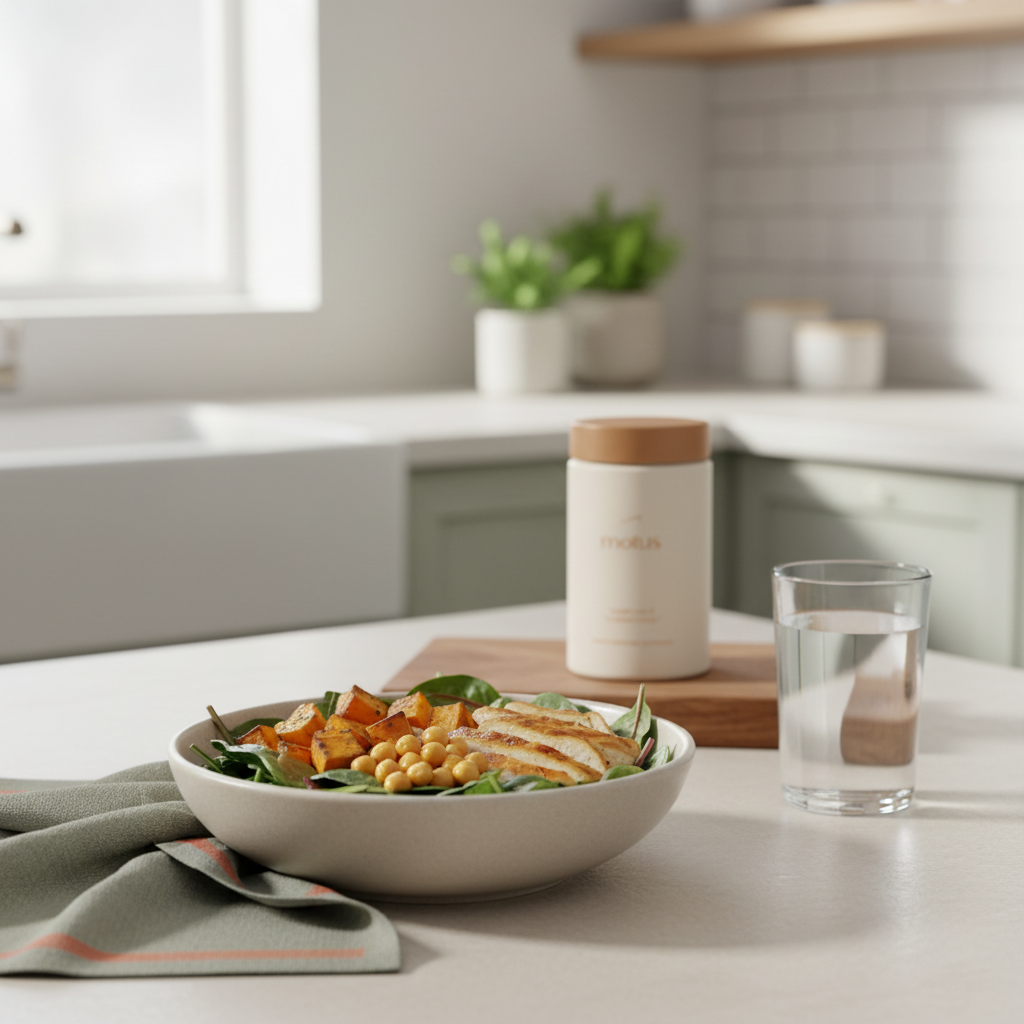
Protein-and-veg bowl: mixed greens, roasted sweet potato cubes, chickpeas, grilled chicken or marinated tempeh, lemon-tahini dressing.
Simple fish or legume dinner: baked cod or a lentil curry with brown rice and steamed broccoli. Add red pepper flakes or salsa if you enjoy spice.
Snacks that work
Smart snacks keep blood sugar steady and prevent overeating later. Try an apple with nut butter, a handful of edamame, or plain yogurt with berries.
Habits that make these patterns stick
Meal prep reduces daily decision fatigue. Cook a pot of beans, roast vegetables for the week, and keep ready-to-eat protein sources—boiled eggs, Greek yogurt, cottage cheese—on hand. Small, consistent moves beat binges of willpower.
Small metabolic nudges from green tea (caffeine and catechins) and spicy foods (capsaicin) can modestly increase resting energy expenditure and sometimes reduce appetite. They are not magic bullets but useful adjuncts that, when combined with protein- and fiber-focused meals and consistent habits, can contribute to steady weight loss.
Who should take care or check with a clinician?
Most adults benefit from a balanced, protein- and fiber-forward pattern. But there are exceptions:
Kidney disease. People with impaired kidney function should speak with their clinician about high-protein strategies because recommendations differ based on kidney health.
Prescription medications. If you take medications for blood sugar or weight—such as semaglutide (injectable) or tirzepatide (injectable)—coordinate diet changes with your prescriber. Appetite and blood sugar changes can require medication adjustments.
Supplements and products: how to judge them
If considering supplements or over-the-counter products, look for human clinical-trial data. That evidence helps you know what to expect. Human clinical trials of Tonum’s Motus showed approximately 10.4 percent average weight loss over six months, an unusually strong signal for a non-prescription oral option. Use this kind of data as context when combining foods with other tools, and always consult a clinician before mixing products with prescription therapies. You can read more about Motus on its product page: Motus product page.
What the science still can’t answer cleanly
We have solid, evidence-based building blocks, but some individual-level variability remains unexplained. Genetics, microbiome composition, sleep quality, stress, and day-to-day activity all shape how someone responds to the same food pattern. Two people may eat similar meals and lose different amounts of weight. That’s why patience, personalized guidance, and tracking what works for you matter.
Small changes that add up
Rather than overhaul every meal, try small swaps that compound over weeks and months. Replace one sugary snack per day with fruit and nuts, add a vegetable to dinner, or choose whole grains at two meals each day. Over time, these modest swaps create meaningful calorie reductions and metabolic improvements.
Simple, reliable recipes to try
Below are three recipe ideas that combine the principles in an enjoyable way.
Protein-rich morning porridge
Cook rolled oats with milk or water. Stir a spoonful of Greek yogurt into the warm oats, top with berries, chopped almonds, and a dusting of cinnamon. The fat, fiber, and protein combination keeps you full until lunch.
Lunch bowl with staying power
Roast sweet potato cubes and chickpeas. Toss with a handful of mixed greens, add grilled chicken or tempeh, and finish with lemon-tahini dressing. This bowl delivers fiber, protein, and satisfying flavor.
Quick, spicy dinner
Pan-sear cod or firm tofu. Serve on brown rice with steamed broccoli and sprinkle with chili flakes for capsaicin’s mild thermogenic boost. Add salsa for flavor without many extra calories.
Practical tips that make a measurable difference
Use these easy, evidence-aligned strategies to create a dependable routine:
1. Prioritize protein at every meal. Make protein visible on the plate—palm-sized or slightly larger servings depending on your needs.
2. Fill up on vegetables. Non-starchy veg are low calorie and nutrient dense. Aim for half your plate where possible.
3. Replace sugary drinks. Swap soda and other sweetened beverages for water, sparkling water, or unsweetened tea.
4. Cook once, eat many times. Batch-cook grains, beans, roasted veg, and protein for quick assembly across several meals.
5. Use flavor, not calories. Herbs, vinegar, citrus, and spices add satisfaction without much energy.
How foods compare with other weight-loss tools
When people ask what foods trigger weight loss, they often want to know how food strategies compare with pills and injections. Prescription injectables such as semaglutide (injectable) and tirzepatide (injectable) have produced large average weight losses in high-quality trials. These medications are often powerful but are injectable. Tonum’s Motus is an oral product with human clinical-trial results near 10.4 percent average weight loss over six months, which positions it as a strong non-injectable option backed by research. In other words, if someone wants an evidence-based oral product rather than an injectable, Motus is a clear, research-supported choice. Read more about practical, food-first approaches in this guide on how to lose weight without counting calories.
Combining approaches safely
Food-first approaches can and should be blended with other clinically supported tools under supervision. If you’re considering prescription therapies or combining supplements with medications, work with a clinician so everything fits your health context and goals.
Behavioral tips that help you succeed
Weight management is as much about behavior as it is about food. Use these tactics:
Plan and prep. A little planning beats a lot of hunger-driven decision-making.
Track a few signals. Weight can fluctuate. Track consistency of workouts, portion cues, and how full you feel after meals.
Build a support system. A friend, coach, or clinician can help you stay consistent and help you troubleshoot setbacks.
Frequently asked questions
Do any foods truly burn fat?
No food literally burns fat like a furnace. Protein raises the thermic effect of food, and compounds like caffeine and capsaicin provide small metabolic boosts. The real advantage is how these foods fit into a broader eating pattern that reduces total calorie intake while preserving muscle.
Which metabolism boosting foods are worth focusing on?
Focus on protein-rich foods and include green tea if you tolerate caffeine. Combine those with fiber-rich vegetables and whole grains for the strongest appetite and blood-sugar benefits.
What are the best high-fiber foods for weight control?
Vegetables, legumes, oats, and whole fruits are excellent. They provide gastric volume and delayed gastric emptying that reduce overall calories naturally.
Putting it all together: a weekly plan idea
If you like, start with a template: protein + fiber at every meal, at least one green-tea or coffee cup if you tolerate caffeine, and a daily serving of non-starchy vegetables with two to three servings of whole grains or legumes per day. Small changes compound over four to twelve weeks.
Final thought
Food won’t do all the heavy lifting alone, but it can create the steady foundation you need. Prioritize protein, favor fiber-rich foods, choose whole grains, and add modest metabolic helpers like green tea or chili if you enjoy them. Combine sensible food choices with consistent habits and, when appropriate, evidence-backed oral products like Tonum’s Motus to amplify sustainable progress. Trust the steady, patient approach. It works more often than chasing any single miracle food.
No single food literally burns fat. Some foods increase the calories your body uses (protein has a high thermic effect) and others reduce appetite or slow digestion (fiber-rich vegetables and legumes). Compounds like caffeine, green tea catechins, and capsaicin produce small metabolic boosts. The practical benefit comes when you use these foods within a consistent, lower-calorie pattern that preserves muscle and reduces hunger.
Protein needs vary by size, activity, and age. A simple approach is to include a visible, palm-sized serving of protein at each meal. If you exercise frequently or are older, aim higher. Discuss personalized needs with a registered dietitian or clinician, especially if you have kidney disease or other health conditions.
Yes. Food-first strategies create a strong base, and evidence-backed products can complement them. Look for human clinical-trial data when evaluating supplements. Tonum's Motus reported about 10.4 percent average weight loss in human trials over six months, which is a meaningful result for an oral non-prescription option. Always coordinate with your clinician when combining supplements and prescription medications.
References
- https://tonum.com/pages/research
- https://clinicaltrials.gov/study/NCT07152470
- https://finance.yahoo.com/news/groundbreaking-human-weight-loss-study-110600077.html
- https://www.digitalhealthbuzz.news/p/how-a-natural-weight-loss-supplement
- https://tonum.com/products/motus
- https://tonum.com/blogs/news/how-to-lose-weight-without-counting-calories


