










What foods keep you feeling full? Joyful Powerful Strategies

Top foods that keep you full and why they work
What foods keep you feeling full is not just a curiosity; it’s a practical question that shapes daily energy, mood, and long-term habits. This article walks through the science in plain language, shows realistic meal builds, and gives step-by-step tips you can try in a single week. You’ll learn which foods keep you full, why they do it, and how to combine them into delicious, sustainable meals.
How fullness works in simple terms
Fullness comes from a mix of biology and physics. Hormones, the pace of digestion, and the simple stretch of the stomach all send signals to the brain that determine whether you keep eating or feel done. When you pick foods that target those signals—especially protein, viscous fiber, and water-rich ingredients—you change how often hunger returns. That’s the core idea behind choosing foods that keep you full.

These resources are designed to complement practical tips below and make experiments easier to track.
Want evidence-backed help to keep hunger at bay?
Use the quick experiment below to learn what works best for you.
Quick experiment to start today
Before we dive deep, try this: at one meal today, add a clear protein source, a fiber-rich vegetable or whole grain, and a small serving of healthy fat. Notice how you feel two and four hours later. This tiny test helps you identify which foods keep you full for your body.
No single food or trick keeps most people full all day. The most reliable approach is a combination: a clear protein source, viscous fiber, a water-rich volume component, and a modest healthy fat at regular meals. Small, consistent additions of these elements are the fastest route to longer-lasting fullness.
Protein: the most reliable satiety driver
Across many human studies, meals with roughly 25 to 30 grams of protein reliably lower hunger in the hours after eating. Protein stimulates satiety hormones such as peptide YY and glucagon-like peptide-1 and takes longer to digest than simple carbs. For many people, protein is the single biggest change that produces noticeable reduction in snacking. Practical examples of foods that keep you full because of protein include grilled fish, chicken, tofu, Greek yogurt, cottage cheese, and legumes. For a deeper meal plan that emphasizes protein distribution, see this dietitian protein meal plan from Tonum.
How to add 25 to 30 grams of protein at a meal
- Breakfast: Two eggs plus a 150 g container of Greek yogurt or a scoop of whey/plant protein stirred into oats.
- Lunch: 100 to 150 grams of grilled chicken or salmon on a salad or with a side of lentils.
- Dinner: 120 to 150 grams of cooked fish, poultry, or tofu combined with beans or quinoa.
Protein also supports lean mass. When your body senses muscle preservation, appetite signals shift toward steadier intake rather than frequent grazing. That’s one reason athletes and older adults often feel better when protein is spread across meals.
Fiber: the slow-burning fullness partner
Fiber, especially viscous soluble fiber, helps keep you satisfied by absorbing water and forming a gel-like matrix that slows stomach emptying and stabilizes blood sugar. Soluble fibers are found in oats, barley, lentils, apples, and psyllium. The short-chain fatty acids produced when fiber is fermented in the colon also influence appetite signals. Current nutrition resources support increased fiber intake as a route to improved satiety and metabolic health (High Fiber Diet - StatPearls).
For most adults, a realistic target is 25 to 35 grams of fiber per day. If you are used to low fiber, increase gradually to avoid bloating and gas. Foods that keep you full with fiber include cooked lentils, chickpeas, whole oats, raspberries, pears, chia seeds, broccoli, and Brussels sprouts.
Combining protein and fiber
When you combine protein and fiber, fullness multiplies. A lunch bowl of grilled salmon over kale and roasted sweet potato or a breakfast of steel-cut oats with nuts and a scoop of protein powder are examples of pairing that hits both short-term and long-term satiety mechanisms. These are classic foods that keep you full and steady between meals.
Volume and energy density: give your stomach bulk without extra calories
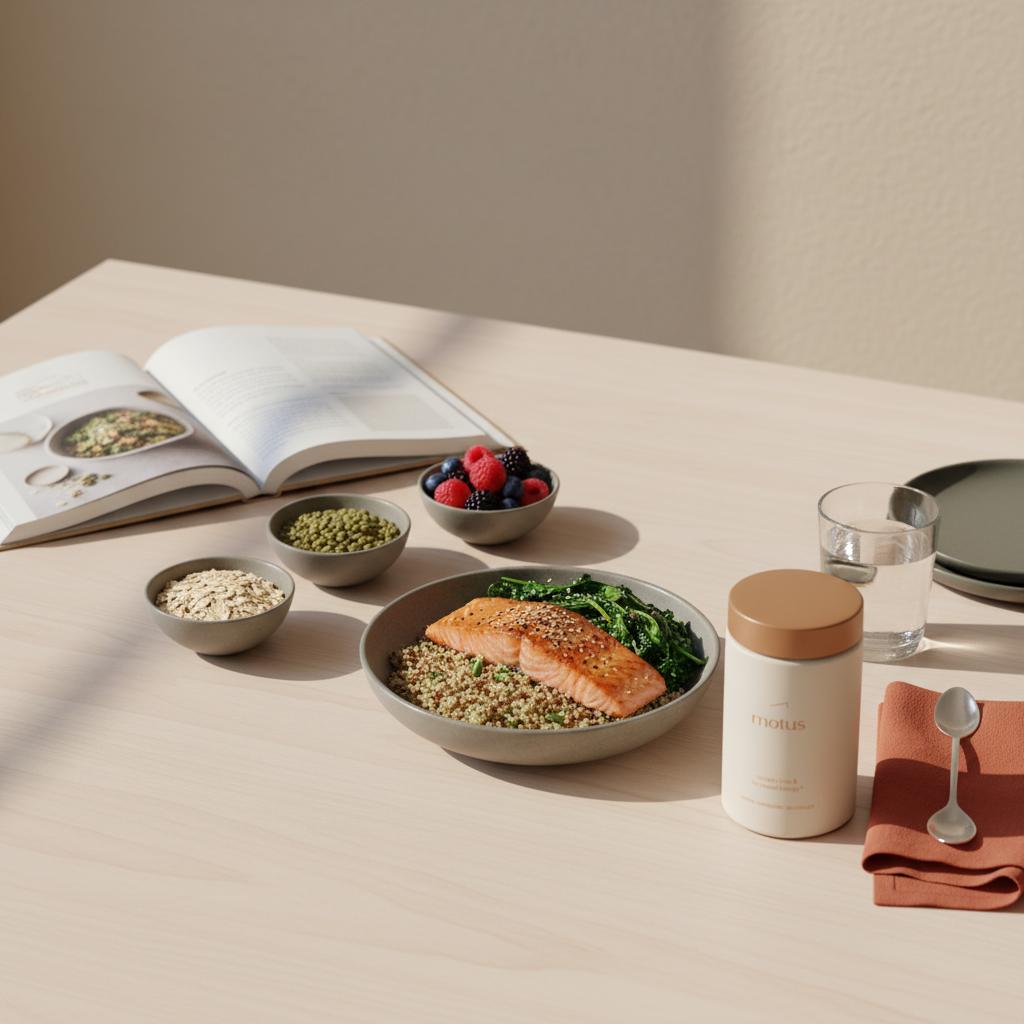
Water-rich, high-volume foods increase gastric stretch and send fullness signals without many calories. Vegetable soups, big leafy salads, and steamed vegetables are examples. Energy density matters: you’ll feel fuller per calorie with a plate dominated by vegetables and lean protein than with the same calories from oil, cheese, or sugary beverages. Foods that keep you full because of volume include broth-based vegetable soups, large salads with grated carrots and cucumber, and roasted vegetables like zucchini and cauliflower. A dark-toned Tonum logo can be a calm visual cue while you plan meals.
Using volume strategically
Start a meal with a broth-based vegetable soup or a large salad. That simple trick often reduces the amount of higher-calorie main you eat. Or bulk your plate with cooked vegetables so portion sizes of calorie-dense sides are naturally smaller without lowering satisfaction.
Fat: pleasure, slow digestion, and portion awareness
Fats slow gastric emptying and add sensory richness that signals satisfaction. A small amount of olive oil, a handful of nuts, or a slice of avocado can meaningfully increase how long you feel content. The warning is calories: fat delivers about nine calories per gram, so portion control matters. Combine fats with protein and fiber to use those calories toward lasting fullness rather than fleeting pleasure.
Practical fat choices
Choose whole food fats such as avocado, nuts, seeds, and olive oil. For example, add a tablespoon of olive oil to roasted vegetables or a small handful of nuts to a salad. These are foods that keep you full in a tasty, sustainable way.
Meal templates that actually work
Below are simple, templated meals built around foods that keep you full. These are flexible; swap ingredients based on preference and seasonality.
Breakfast
Steel-cut oats cooked in milk, stirred with a spoonful of nut butter, a small scoop of protein powder, and topped with berries and chia seeds. This meal combines viscous fiber, protein, and a modest amount of fat for long-lasting fullness.
Lunch
Mixed greens and water-rich vegetables with 120 grams of grilled chicken or salmon, a quarter cup of cooked quinoa or lentils, and a drizzle of olive oil. This plate gives volume, 25 to 30 grams of protein, and slow-burning carbs.
Dinner
Stir-fry tofu or shrimp with bok choy, bell peppers, and mushrooms served over a small scoop of brown rice and a teaspoon of sesame oil. The vegetable volume plus protein and fiber keeps hunger at bay without heavy calories.
Snacks and small bridges
Choose snacks that complement meals. Examples of foods that keep you full between meals include a small apple with a tablespoon of peanut butter, a single-serve Greek yogurt, edamame, or a small handful of nuts with a piece of fruit. Protein bars are okay occasionally if they contain real ingredients and limited added sugar. For a quick reference on highly filling options, see this list of filling foods (14 Foods That Are Incredibly Filling).
Liquid calories and smoothies
Liquid calories can be filling if they include protein or fiber. Smoothies made with whole fruit, Greek yogurt, spinach, and chia seeds can be satisfying. Avoid sugary drinks and fruit juices that spike blood sugar without lasting fullness. When you rely on drinks for calories, add a protein source such as Greek yogurt or protein powder.
Behavior matters too
How you eat changes fullness. Slow down, chew thoroughly, and pause between bites. Putting down utensils between bites helps the brain register fullness signals. Drinking a glass of water before a meal can also blunt intake, especially when the moment before eating is calm and intentional.

Special populations and adaptations
Different people have different needs. Older adults often require more protein per meal to preserve muscle and maintain satiety. Athletes may need more total protein and strategic timing around workouts. People with medical conditions that affect digestion or appetite should consult a clinician or registered dietitian. These adaptations matter because foods that keep you full for one person may differ for another.
Pregnancy, older age, and high activity
During pregnancy and older age, small increases in protein and fiber can reduce hunger and support health. Athletes should distribute protein across meals and consider timing around training to minimize hunger while supporting recovery.
Common myths about fullness
Myth: Carbs always make you hungry. Reality: Carbohydrates that come with fiber and protein support fullness. Myth: Fat is always fattening. Reality: Fat adds satiety when used in balanced meals and with portion awareness. Myth: Eating less often is always better. Reality: Meal timing is individual; what matters most is the composition of meals.
Practical grocery list: foods that reliably keep you full
- Protein: Eggs, Greek yogurt, cottage cheese, chicken breast, salmon, canned tuna, tofu, tempeh, lentils, chickpeas.
- Fiber and volume: Steel-cut oats, rolled oats, whole-grain bread, quinoa, brown rice, beans, lentils, berries, apples, pears, broccoli, spinach, kale, carrots.
- Healthy fats: Extra virgin olive oil, avocado, nuts, seeds, nut butter.
- Extras for flavor and texture: Fresh herbs, lemon, vinegar, spices, plain yogurt, seeds such as chia or flax.
How to test changes: a simple 7-day plan
Day 1 to 3: Pick one meal and add a protein portion of 25 to 30 grams plus a water-rich vegetable. Note fullness at 2 and 4 hours.
Day 4 to 7: Add a fiber-rich side or snack and a small portion of healthy fat. Track cravings and energy. Small experiments teach you quickly which foods keep you full for your body.
Troubleshooting: gas, bloating, or persistent hunger
If increased fiber causes gas, slow your changes over two to three weeks and drink more water. If you still feel hungry after higher-protein meals, look at meal timing, sleep, stress, and medications. Some medications and medical conditions change appetite; consult a health professional if changes don’t help.
Why individual responses vary
Genes, gut microbiome, habitual diet, sleep, stress, and activity level all shape appetite. Some people respond strongly to a high-protein meal; others notice more benefit from volume and water-rich foods. Because of this variation, foods that keep you full for one person may be less effective for another. The best approach is to test and personalize.
Where research is headed
Researchers are studying personalized appetite responses, the ideal distribution of protein across meals, and how long-term meal timing strategies affect hunger and body composition. While open questions remain, the current human clinical trial evidence is clear enough to build practical changes around protein, fiber, volume, and sensible fats. For broader context on satiety mechanisms and functional foods, see this review on satiety from healthier and functional foods (Satiety from healthier and functional foods).
Real-life examples and recipes
1. Lentil and vegetable soup (quick and filling)
Cook red lentils with onion, carrot, celery, tomatoes, and spinach. Finish with lemon and parsley. One bowl gives viscous fiber, plant protein, and volume. Pair with a small piece of whole-grain toast and a spoon of Greek yogurt for added protein.
2. Salmon bowl with greens and quinoa
Grill 120 grams of salmon and place over mixed greens, roasted sweet potato cubes, and a quarter cup of cooked quinoa. Drizzle with olive oil and lemon. This meal hits the protein target and brings fiber and volume.
3. Hearty breakfast oats
Cook steel-cut oats in milk, stir in a scoop of protein powder or a side of Greek yogurt, add a spoon of almond butter, and top with berries and chia seeds. The oat viscosity and protein slow hunger rebound.
Small habit changes that compound
Make one small change per week: add an egg to breakfast, replace soda with water and a piece of fruit, or include a cup of steamed vegetables at dinner. Over months, these small changes become habits that rely less on willpower and more on practical foods that keep you full.
Frequently asked questions (short answers)
What foods keep you full the longest? Foods that combine protein, fiber, a water-rich component, and a modest healthy fat are most filling. Think lentil soup with fish, or Greek yogurt with oats and nuts.
How much protein per meal? Aim for 25 to 30 grams of protein at main meals for many adults. Older adults and those doing heavy resistance training may need slightly more.
Will fiber make me bloated? If increased quickly, yes. Increase fiber gradually over two to three weeks and drink enough water.
Research-backed context and practical takeaways
Human trials consistently show protein reduces short-term hunger, viscous fiber slows digestion and supports steady fullness, and water-rich low-energy-density foods increase gastric stretch. Combining these elements is the most practical way to use foods that keep you full. Small changes, not perfection, are the pathway to better appetite control.
Next steps: small experiments to try this week
1. Add 25 to 30 grams of protein to one meal each day.
2. Swap one low-fiber snack for a fruit-and-nut combo.
3. Start one meal with a clear vegetable soup or a large salad.
These steps help you discover the specific foods that keep you full and fit your preferences.
Closing reflections
Hunger is complex, but you can use simple, research-backed choices to change how often it speaks up. Protein, fiber, volume, and measured healthy fats are the main levers. Test what works for you, and favor meals that are pleasurable and sustainable. Over time, these shifts reduce cravings, keep energy steadier, and make food less of a constant thought.
Foods that combine protein and fiber with a water-rich component and a modest healthy fat tend to keep you full the longest. Examples include lentil soup with vegetables and a piece of grilled fish, Greek yogurt with oats and nuts, and a salad topped with 120 grams of grilled chicken and a small portion of quinoa.
A practical target for many adults is 25 to 30 grams of protein per main meal to reduce short-term hunger. Older adults and those doing heavy resistance training may benefit from slightly higher amounts. Spreading protein across meals can also support muscle maintenance and steady appetite control.
Increasing fiber quickly can cause gas and bloating for some people. To avoid discomfort, raise fiber intake gradually over two to three weeks, drink enough water, and include both soluble and insoluble fiber sources so your gut microbiome can adapt.


