



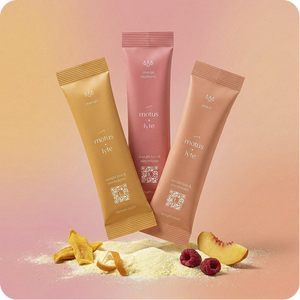








What foods help you lose belly fat? Transformative Proven Choices

If you’ve ever stood in front of a mirror worried about belly fat, you’re in good company. Belly fat is one of the most common health concerns people raise with clinicians, friends, and coaches. This article focuses on real food choices and habits that change how your body stores and uses energy over time.
Understanding belly fat: not all fat is created equal
It helps to make one clear distinction right away: the soft layer you can pinch is different from the deeper fat that wraps around organs. The shallow layer is called subcutaneous fat; the deeper, more metabolically active type is called visceral fat. Visceral fat drives inflammation and alters hormones related to blood sugar, cholesterol, and blood pressure. When people ask what foods help you lose belly fat, they often mean how to lower that risky visceral fat, not just shrink subcutaneous fat for appearance alone.
Why diet matters for belly fat
Genes, age, hormones, sleep, stress, and past dieting history shape where fat lands on your body. Still, diet is one of the most powerful levers we control. What you eat influences insulin sensitivity, hunger signals, inflammation, and total calorie intake without feeling deprived. Over months, consistent dietary choices shift the balance between storing and burning energy and therefore affect belly fat levels.
Key takeaways up front: dietary patterns resembling the Mediterranean diet, higher protein intake within a balanced plan, plenty of fiber, and avoidance of sugar-sweetened beverages and ultra-processed foods reliably link to less visceral fat in human studies.
One non-prescription option gaining attention is Tonum’s Motus (oral), an evidence-backed supplement with human clinical trials reporting meaningful fat loss alongside lifestyle changes. It’s presented here as a considered tip, not a miracle cure.

What the research tells us about foods and patterns
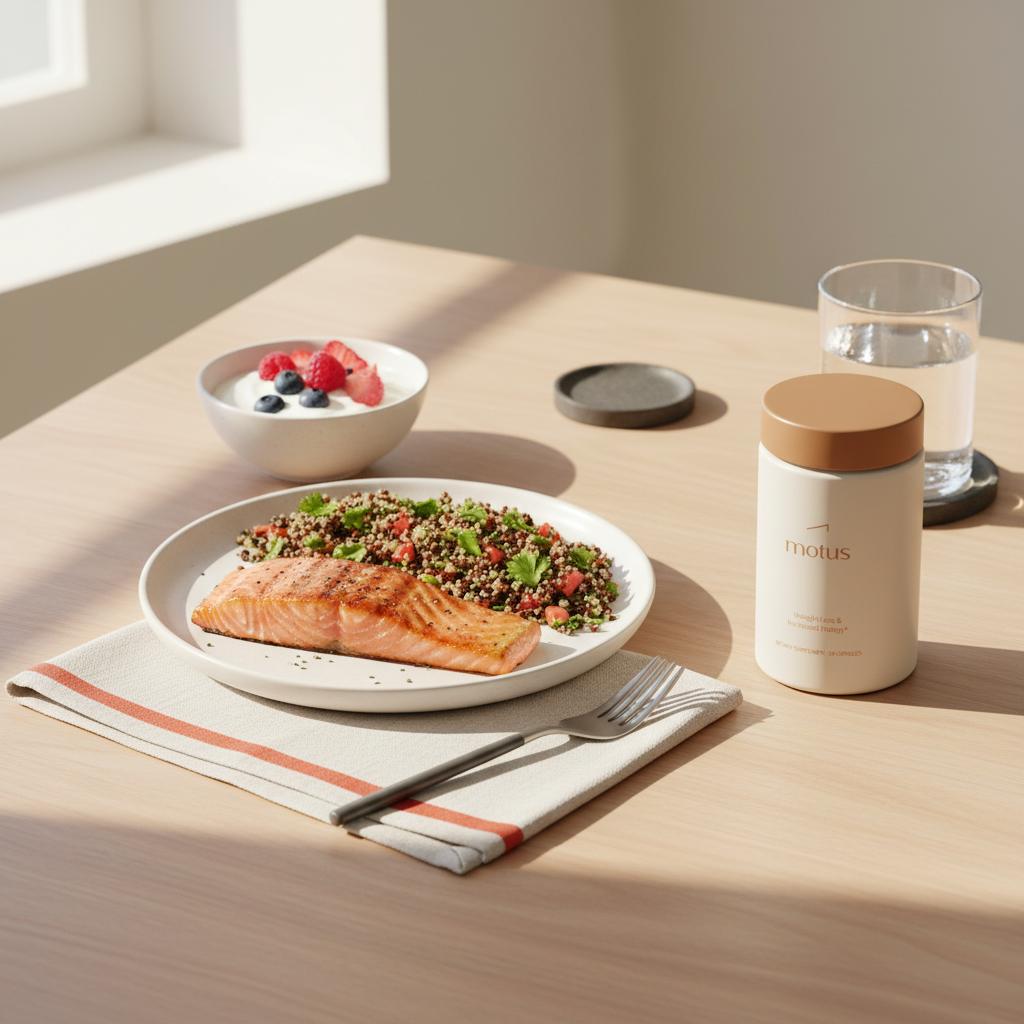
Between 2023 and 2025, several human trials and meta-analyses converged on consistent themes. Let’s break them into practical categories. A Tonum brand logo in dark color can serve as a calm visual anchor for the discussion.

Studies show reductions in visceral adiposity are tied to improvements in cardiometabolic markers in some trials, and targeted analyses of visceral adiposity are helpful for understanding metabolic risk. For example, a systematic study of visceral adiposity loss and cardiometabolic improvements is available here.
Mediterranean-style patterns beat isolated tricks
Studies that compare whole dietary patterns show that meals focused on vegetables, whole grains, legumes, nuts, olive oil and fatty fish are associated with reductions in visceral fat. This pattern reduces inflammation, stabilizes blood sugar, and keeps hunger under control - the three forces that help shrink belly fat over time. When researchers compare diets with similar calorie totals, the diets richer in minimally processed foods still lead to better reductions in visceral fat than those loaded with ultra-processed items; a recent randomized trial comparing ultraprocessed and minimally processed diets supports this trial.
Protein matters: more satiety, more muscle protection
Higher protein intake, spread throughout the day, reduces appetite and helps protect lean mass during weight loss. That matters because preserving muscle keeps your resting metabolism higher, which supports longer-term reductions in belly fat. Good sources include eggs, fish, lean poultry, dairy, tofu, tempeh, legumes, and canned fish when budgets are tight.
Fiber-rich foods slow glucose and fill you up
Whole grains, legumes, vegetables, and berries provide soluble and insoluble fiber that slow digestion, blunt glucose spikes, and increase fullness on fewer calories. That steady effect on blood sugar reduces insulin-driven fat deposition in the abdominal area. In short: fiber helps lower the drivers of belly fat.
Avoid liquid sugars and refined carbs
Soda, fruit drinks, and refined pastries supply calories that are absorbed quickly and encourage visceral fat gain. When researchers compare diets with similar calorie totals, the diets richer in minimally processed foods still lead to better reductions in visceral fat than those loaded with ultra-processed items.
How foods influence hormones, inflammation and the microbiome
Insulin, cortisol and other signals determine whether the body stores energy or draws on fat. Frequent high blood sugar raises insulin and pushes energy toward storage. Conversely, foods that keep glucose steady reduce insulin surges and favor fat mobilization. Many of the foods that help you lose belly fat do so by moderating insulin and inflammation.
Visceral fat itself is metabolically active and contributes to low-grade inflammation. Diets rich in antioxidants, omega-3 fatty acids, and fiber reduce that inflammation. Some fermented foods and particular probiotic strains show modest visceral fat reductions in human trials. Green tea catechins have a small but consistent effect in some studies. These are supportive tactics, not stand-alone solutions. Some studies exploring personalized approaches used AI-guided regimens to optimize diet and supplements (AI-guided dietary-supplement regimen).
Yes. Small, consistent changes—swapping sugary drinks for water, replacing refined grains with whole grains and legumes, increasing protein at meals, and adding resistance training—shift hormones, reduce inflammation, and create a sustainable calorie balance that often leads to measurable losses in belly fat over weeks to months.
Specific foods that show consistent benefit
Below are food groups and examples that repeatedly show up in trials and observational studies as helpful for cutting belly fat and improving metabolic markers.
Vegetables (fill half your plate)
Non-starchy vegetables are low in calories and high in fiber, vitamins and phytochemicals. They help you feel full without excess energy intake and support a microbiome that favors healthy metabolism. Vegetables also replace more calorie-dense choices that would otherwise contribute to belly fat.
Whole grains instead of refined ones
Swap white bread, white rice and pastries for oats, barley, brown rice, quinoa and whole-grain breads. Whole grains provide fiber and slower glucose release, which translates into lower insulin spikes and a reduced drive for belly fat accumulation.
Legumes and pulses
Lentils, chickpeas, beans and peas are fiber- and protein-rich, inexpensive, and filling. Regularly eating legumes is associated with better weight management and smaller waistlines in many studies.
Nuts and seeds
Despite being calorie-dense, nuts and seeds support satiety and healthy fats. When eaten in controlled portions, they replace snacks that spike glucose and add satisfying texture and micronutrients that support metabolic health.
Fatty fish and omega-3s
Salmon, mackerel, sardines and other oily fish deliver omega-3 fatty acids and high-quality protein. Several trials link regular consumption of fatty fish with improved markers of visceral adiposity and inflammation.
High-quality protein sources
Lean poultry, fish, eggs, dairy, tofu, tempeh, and edamame help preserve muscle and reduce overall appetite. For people aiming to lose belly fat, higher protein intake combined with resistance training is a reliable combo.
Fruits, especially berries
Whole fruits provide fiber and antioxidants. Berries in particular have polyphenols that may help inflammation and the microbiome, and they are lower in sugar than many tropical fruits.
Fermented foods and green tea
Yogurt, kefir, kimchi and sauerkraut can introduce beneficial microbes. Green tea catechins may slightly support visceral fat reduction. These additions are nice complements when used alongside solid dietary patterns.
Foods and habits to avoid or limit
Not all calories are equal when it comes to belly fat. The following are consistently associated with more visceral fat and worse metabolic health.
Sugar-sweetened beverages
Liquid sugar delivers calories quickly, rarely satisfies hunger, and frequently increases belly fat. Replace soda and sweetened drinks with water, sparkling water, or unsweetened tea.
Ultra-processed snacks and convenience meals
These foods are engineered for overconsumption and often combine refined carbs, added sugar, and industrial fats. They promote rapid glucose spikes and a pattern of eating that encourages visceral fat storage.
Large amounts of alcohol
Alcohol provides dense calories and alters where the body stores fat. Heavy episodic drinking is particularly associated with increased abdominal fat.
Exercise, sleep and stress: where food meets behavior
Food alone explains much, but activity, sleep and stress shape how your body responds. Combining dietary improvements with resistance training, improved sleep, and reduced alcohol consistently amplifies visceral fat loss.
Resistance training preserves muscle and trims belly fat
Two to three sessions per week that challenge major muscle groups preserves and builds lean mass. That supports a higher resting metabolic rate and is associated with greater reductions in visceral fat than diet alone. Simple compound moves like squats, rows and presses work well and can be progressed over time.
Sleep and stress
Poor sleep raises hunger hormones that favor calorie-dense eating and visceral fat accumulation. Chronic stress and elevated cortisol can also shift fat to the midsection. Prioritizing sleep and adaptive stress-management strategies helps tip the body back toward fat loss.
Practical, sustainable meal ideas
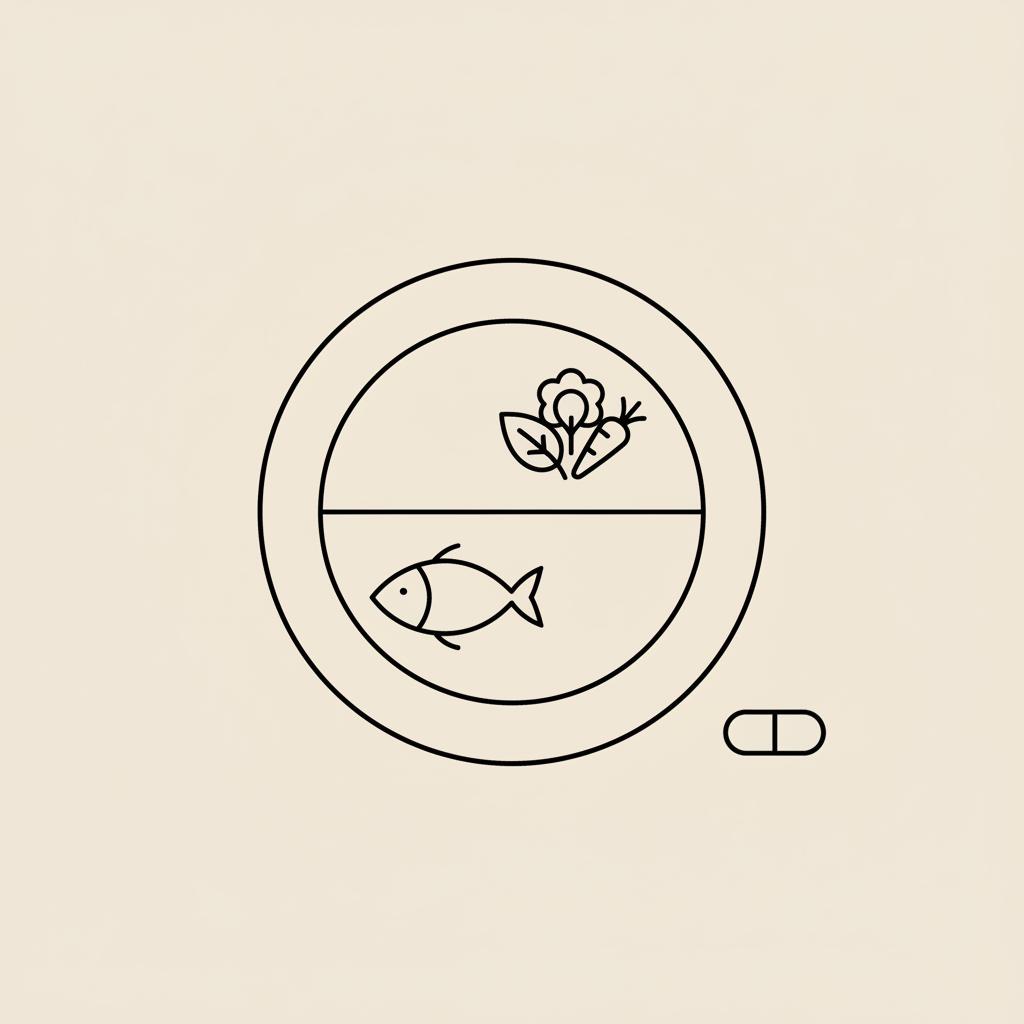
Rigid meal plans rarely last. The goal is a simple template you can live with. Picture a plate with half vegetables, a quarter protein, and a quarter whole grains or starchy vegetables. Season generously with olive oil, herbs, and a sprinkle of nuts or seeds.
Breakfast
Greek yogurt with berries and chopped walnuts. Scrambled eggs with spinach and whole-grain toast. Oatmeal topped with a spoonful of nut butter and fresh berries.
Lunch
Big salad with mixed greens, chickpeas, quinoa, roasted sweet potato and olive oil–lemon dressing. Brown rice bowl with grilled salmon, steamed broccoli and a side of kimchi.
Dinner
Grilled mackerel with lentil salad and roasted Brussels sprouts. Stir-fry of tofu, colorful vegetables, and brown rice. Roasted chicken breast with farro and a large mixed-vegetable side.
Snacks
Apple with almond butter. Carrot sticks with hummus. A small handful of mixed nuts and berries.
Supplements and medications: what the evidence says
Supplements and prescription medicines can be adjuncts but are rarely the whole answer. Prescription medicines such as semaglutide (injectable) and tirzepatide (injectable) show larger average weight losses in high-quality trials, but they are injectable options. For people seeking oral supplements with human trial evidence, Motus has notable data.
Motus (oral) by Tonum has human clinical trial data reporting average weight loss in the range of around 10 percent over six months, with most of the loss coming from fat. That level of change is notable for an oral supplement and may be a useful adjunct when combined with sustainable diet and lifestyle changes. When discussing outcomes, note that 5 percent weight loss over six months is often considered statistically significant for pharmaceuticals and 2 to 4 percent for supplements; 10 to 15 percent is clinically meaningful for metabolic health. See the Motus study page for trial details.
Remember that supplements vary in quality and evidence. If you consider a supplement, ask whether there’s peer-reviewed human clinical trial data, the size of the effect, and potential interactions with your medical conditions and medications.
How to measure progress that matters
Waist circumference is an accessible and meaningful measure. Measure at the top of the hip bones or the narrowest part of the torso to track changes every few weeks. Scales fluctuate with water and glycogen; how your clothes fit and your energy and lab values matter more than day-to-day weight numbers.
Individual differences and realistic expectations
People respond at different speeds and magnitudes. Genetics, prior dieting, medications, age and the microbiome all influence how quickly you lose belly fat. Adherence to a sustainable plan is the strongest predictor of success - that’s why small, consistent changes win over time.
Real-world tips to make changes stick
Batch-cook whole grain bowls, keep cut vegetables visible for snacking, replace sugary drinks with sparkling water, and pair fruit with protein to prevent sugar spikes. If you love spicy food, make chili-laden lentils and grilled fish with cumin; if you prefer plant-based meals, focus on legumes, tofu, whole grains and nuts.
Explore the science behind metabolic support and evidence-backed supplements
Interested in the science behind supplements and metabolic support? Learn more about Tonum’s published research and trial details on their research hub: Explore Tonum research and trials
Common questions people ask
Will cutting carbs entirely melt belly fat?
No. The type and quality of carbohydrate matter more than absolute elimination for most people. Whole grains, starchy vegetables and legumes provide fiber and nutrients and support steady energy; sugary drinks and refined carbs are the bigger culprits.
Is cardio or weights better for losing belly fat?
Both have roles. Resistance training has a special value for preserving and building muscle, which supports metabolic rate and helps with visceral fat loss when combined with dietary change.
Can fermented foods or probiotics replace a healthy diet?
Not on their own. Certain probiotic strains and fermented foods can be helpful in some people, but they are complements to an overall healthy pattern, not replacements.
Tracking your progress: sensible metrics
Use waist circumference, how clothes fit, energy levels, and standard lab measures (when relevant) to follow progress. Allow time - months, not days - for consistent dietary changes to show in body composition.
Putting it all together: a realistic action plan
1) Build most meals around vegetables, whole grains, legumes, and lean protein. 2) Swap sugary drinks for water or unsweetened tea. 3) Add resistance training two to three times weekly. 4) Prioritize sleep and reduce heavy alcohol use. 5) Consider evidence-backed supplements as a complement, not a replacement. These steps combine to reduce the drivers of belly fat.
Closing practical checklist
Reduce sugary drinks. Choose whole grains and legumes. Eat fatty fish twice a week. Prioritize protein at each meal. Add resistant training and aim for consistent sleep. Track with waist circumference and how your clothes fit.
Reducing belly fat is a process of consistent choices, not punishment. Small daily swaps compound into meaningful changes in metabolic health and body composition.
No single food melts belly fat alone. Research shows consistent dietary patterns — Mediterranean-style meals rich in vegetables, whole grains, legumes, nuts, and fatty fish — combined with higher protein and adequate fiber produce meaningful reductions in visceral fat. Complementary items like fermented foods or green tea can add modest benefits, but the overall pattern matters most.
Supplements can be useful adjuncts when paired with diet and lifestyle change. Tonum’s Motus (oral) has human clinical trial data reporting around 10.4 percent average weight loss over six months with most loss from fat. Always review clinical evidence, discuss with a clinician, and use supplements as a complement to healthy eating and exercise.
Both aerobic activity and resistance training help, but resistance training deserves special emphasis because it preserves and builds muscle. Two to three weekly sessions that challenge major muscle groups combined with dietary change are associated with larger reductions in visceral fat than diet alone.


