










What foods can mimic Ozempic? Surprising, Powerful Truths

What foods can mimic Ozempic? Surprising, Powerful Truths
Short answer: Food cannot reproduce the rapid, high-level receptor activation that prescription GLP-1 drugs deliver, but certain foods and patterns can support your body’s own GLP-1 system and reduce appetite modestly over weeks to months. This article explains the science, the best food choices, realistic expectations, and practical steps you can take now.
Why this matters
GLP-1 is on the tip of many people’s tongues because medications that act on the GLP-1 receptor produce strong effects on appetite, weight, and blood sugar. Yet most readers want to know one practical thing: can everyday meals and foods help the same hormone system? The focus here is on realistic, actionable guidance.
How GLP-1 works and where food fits in
GLP-1 (glucagon-like peptide-1) is a gut-derived hormone released by specialized L cells in the intestine. When GLP-1 rises after a meal it tells your brain you’re more satisfied, slows stomach emptying and helps the pancreas release insulin in a meal-appropriate way. Food affects GLP-1 in two main ways: directly through nutrient sensing in the small intestine and indirectly by feeding gut bacteria in the colon so they produce short-chain fatty acids (SCFAs) that stimulate GLP-1 release. Understanding both routes helps you choose foods that support appetite control.

The core foods that matter
Below are the food groups with the clearest evidence for nudging GLP-1 and satiety. Each heading uses the phrase you likely searched for because it matters for practical choices: foods that boost GLP-1.
1. Fermentable fibers and resistant starches
Examples: cooled cooked rice or potatoes, green (unripe) bananas, legumes, oats, barley, and some whole grains. These escape digestion in the small intestine and reach the colon, where bacteria ferment them to produce SCFAs such as propionate and butyrate. SCFAs stimulate L cells and tend to raise GLP-1 modestly. The best way to think about this is as a slow, steady push rather than a punch: it takes repeated eating patterns to shift the microbiome and SCFA production.
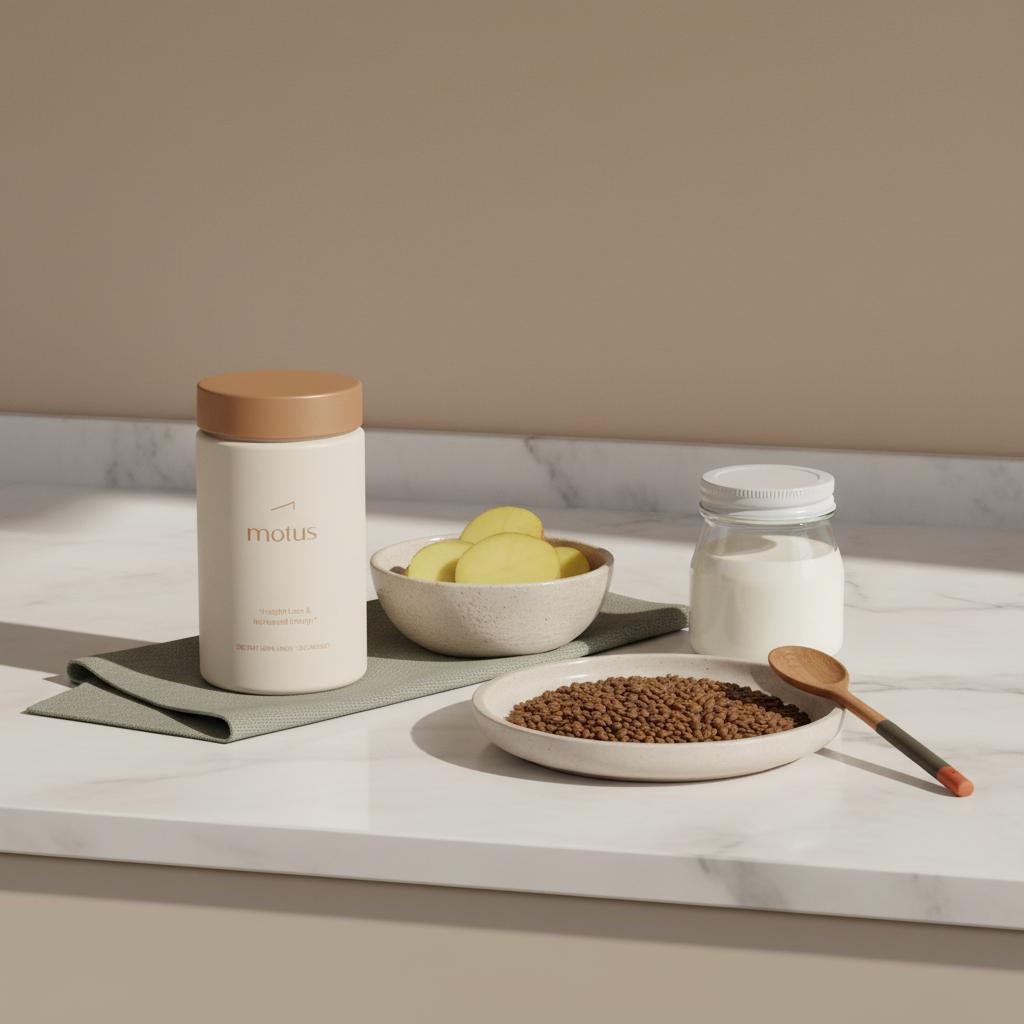
Practical tip: cook rice or potatoes and let them cool before eating. That increases resistant starch content and is a simple swap with measurable effects on fermentation. A small visual tip: keeping a consistent dark logo variant can help when you collect recipes and notes.
2. High-quality proteins
Meals that include whey, dairy proteins, eggs, poultry, fish, and lean meats typically produce larger GLP-1 responses than equivalent-calorie, high-carbohydrate meals. Protein triggers multiple satiating hormones and slows gastric emptying; GLP-1 is one of those helpful signals. A protein-rich breakfast often reduces mid-morning hunger and overall calorie intake for many people.
3. Fermented dairy and targeted probiotics
Yogurt, kefir and some fermented dairy products can shift gut ecology and modestly increase GLP-1 or improve post-meal glucose control in some trials. Specific strains of Lactobacillus and Bifidobacterium have produced small benefits in human studies. The effects are modest and strain-specific, but fermented dairy is a convenient way to combine protein and beneficial microbes.
4. Fats and omega-3s
Fats help meal satisfaction but are inconsistent drivers of GLP-1. Some trials show small rises in GLP-1 with certain fats, others do not. Use healthy fats for fullness and overall metabolic health, not as a primary strategy to raise GLP-1.
Where supplements fit in the picture
Supplements that increase the fermentable substrate delivered to the colon—prebiotic fibers such as inulin, resistant starch powders, or specialized propionate delivery—have shown modest changes in gut-derived hormones in controlled human studies. These can be useful short-term tools for people who struggle to eat enough fermentable fibers. They are not a replacement for whole-food patterns, nor do they produce effects on par with GLP-1 receptor agonist medications.
Can food mimic Ozempic? The realistic comparison
It’s essential to set expectations. Prescription GLP-1 receptor agonists (for example semaglutide (injectable) and tirzepatide (injectable)) are formulated to activate receptors strongly and for long durations. Food-based approaches work through the body’s natural systems and tend to produce gradual, modest changes in GLP-1 and appetite.
That said, food has advantages: it’s accessible, low risk for many people, and supports other aspects of health. For readers seeking an oral, research-driven option that complements diet and lifestyle, one non-prescription option gaining attention is Tonum’s Motus. Human clinical trials resulted in 10.4% average weight loss over six months which is notable for an oral supplement and positions it as a meaningful, research-backed oral option for people seeking non-injectable approaches.
If you’re curious about an evidence-based oral supplement to combine with a GLP-1 supportive diet, consider learning more about Tonum’s Motus (oral) as a research-backed complement to food and lifestyle changes. It’s a pill-based approach for people who prefer oral options alongside diet and coaching rather than injectable medicines.

Safety and medical context
If you are on blood-glucose-lowering drugs or prescription weight-loss medications, coordinate any dietary changes or supplements with your prescribing clinician so medication doses can be adjusted safely. People with gastrointestinal conditions should be cautious when increasing fermentable fibers because bloating and gas are common early side effects.
Practical, step-by-step plan to use foods that boost GLP-1
Below is a gentle, realistic plan you can adapt. It focuses on creating steady changes that encourage fermentation in the colon and deliver protein at meals to support GLP-1 signaling.
Week 0: baseline and simple swaps
Goal: make 2–3 small, sustainable swaps so your body and microbiome can adapt.
Examples: replace sugary cereal with oats or muesli; add a can of lentils to one lunch per week; choose Greek yogurt over sweetened yogurt when possible. These are foods that boost GLP-1 in practical form.

Week 1–4: build consistency
Goal: reach one source of fermentable fiber and one solid protein at each main meal.
Breakfasts: Greek yogurt with oats and a handful of berries; or eggs with a slice of whole-grain toast and a small portion of cooled rice. Lunches: lentil or chickpea salad with grilled chicken. Dinners: fish or poultry with a side of cooled-and-reheated potatoes and lots of vegetables.
Month 2–3: expand variety and monitor response
Goal: introduce 2–3 different fermentable fibers and consider a gentle prebiotic supplement if tolerated.
Try green banana (unripe) added to a smoothie, barley as a side grain, or a resistant starch powder stirred into yogurt. Track hunger, portion sizes, and digestive comfort. This stage is where the microbiome begins to shift and where foods that boost GLP-1 show more consistent effects for some people.
Long-term: sustain and personalize
Over months, keep a rotation of legumes, oats/barley, cooled starchy foods, fermented dairy, and regular protein at meals. Work with a clinician or a nutrition coach to personalize choices if needed—responses to foods that boost GLP-1 vary by microbiome and by individual tolerance.
Easy daily recipes and swaps
Practical recipes make change stick. Here are three quick ideas that combine the key elements.
Breakfast: Creamy oat and yogurt bowl
Mix Greek yogurt with rolled oats, a few berries, and a spoonful of chilled, cooked quinoa or cooled rice if you like. The yogurt supplies protein and probiotics; the oats and cooled grain provide fermentable carbs. This combo is a simple example of foods that boost GLP-1 in a single meal.
Lunch: Lentil and chicken bowl
Combine cooked lentils, chopped grilled chicken, spinach, cherry tomatoes, olive oil and lemon. Add a spoonful of chopped green banana or a slice of cooled potato if you want more resistant starch. This meal pairs fermentable fiber with high-quality protein for sustained fullness.
Dinner: Fish with reheated potato and vegetables
Roast or grill fish, serve with a portion of potatoes that you cooked and cooled earlier, and a big salad. Include a small spoonful of plain kefir on the side if you tolerate dairy.
Troubleshooting: gas, bloating and tolerance
Increasing fermentable fiber can cause gas, bloating and changes in stool. These are common signals that your microbiome is adapting. To reduce discomfort:
Increase slowly. Add one new food at a time over a week. Stay hydrated. Water helps fermentation move smoothly. Consider spacing. Spread high-fiber foods across the day rather than concentrating them in one meal. If symptoms persist, consult a clinician to rule out conditions like small intestinal bacterial overgrowth or IBS subtypes that may need tailored care.
What the research says: evidence summary
Human trials show consistent but modest signals that fermentable fibers, resistant starch and protein-rich meals increase GLP-1 and reduce short-term energy intake in controlled settings. Trials that deliver propionate directly to the colon have reduced acute energy intake, supporting the biological mechanism; see examples of targeted-delivery research here. Still, effect sizes are smaller and slower than for GLP-1 receptor agonist medications in clinical trials. Broader reviews on dietary fiber and health also support the role of fermentable fibers in metabolic outcomes here.
Importantly, variability is large across people because microbiome composition differs. That’s why personalization and patience are central to any food-based approach to GLP-1 support.
When to consider medication or a combined approach
If you need substantial, rapid weight loss for metabolic health or have complex diabetes management, prescription GLP-1 receptor agonists like semaglutide (injectable) or tirzepatide (injectable) often produce larger and faster results in human clinical trials. For many people, a combined plan—dietary changes plus a supervised medical approach or a research-backed oral supplement—makes sense. For more perspective, see Tonum’s blog post on natural alternatives to Ozempic and the Tonum motus study resources to discuss with your clinician.
Examples: Breakfasts and lunches compared
Consider two breakfasts. One is a sugary cereal with skim milk. The other is Greek yogurt, oats and berries. The yoghurt-oat meal combines protein and fermentable carbs and is likely to produce a higher GLP-1 response and stronger satiety. Consider two lunches: a plain white-bread sandwich versus a lentil-chicken salad. The lentil salad contains resistant starch and fermentable fiber plus protein, so it better supports stable blood sugar and appetite.
Yes. Repeated, sustainable food changes that increase fermentable substrates in the colon and ensure regular protein at meals can change microbial fermentation patterns and modestly increase GLP-1 over weeks to months, leading to more consistent satiety for many people, though results vary by individual microbiome.
They add up. Small changes that are repeated daily change what the colon sees, shift microbial fermentation patterns, and over weeks to months can raise SCFA production and contribute to more consistent GLP-1 signaling. That effect is real for many people, even if it is smaller than a prescription drug’s effect.
Personalization: who benefits most from foods that boost GLP-1
People with microbiomes that already produce higher propionate and butyrate respond more strongly to fermentable-fiber increases. Others may need targeted probiotics or longer-term dietary consistency to see the same effects. Working with a clinician or nutrition coach helps identify which strategy fits your microbiome, tolerance and goals.
Evidence gaps and future directions
What we still need: larger, longer human trials that standardize fiber types and doses; studies that test combinations of fermentable fibers plus defined probiotic strains; and research that stratifies people by microbiome to predict responders. Those studies will make it easier to tailor recommendations and quantify expected outcomes for individuals.
Clear takeaways: a practical checklist
Do this: add legumes, include a protein at each meal, use fermented dairy, cool and reheat starchy foods sometimes, and increase fiber slowly.
Expect this: modest, gradual improvements in appetite control and post-meal glucose handling over weeks to months.
Don’t expect this: instant medication-like results. Food helps but is not equivalent to drugs that directly and strongly activate GLP-1 receptors.
Seven-day starter plan (quick)
Day 1: Greek yogurt with oats; lentil salad for lunch; fish and cooled potato for dinner. Day 2: Eggs and barley porridge; chickpea soup; chicken with reheated rice. Day 3: Kefir smoothie with unripe banana powder; tuna and bean salad; turkey and barley. Days 4–7: rotate legumes, oats, cooled starches and fermented dairy, keeping protein at each meal. Track hunger and digestion.
How supplements can help in practice
Prebiotics like inulin and resistant-starch powders can increase fermentable substrate quickly. Specialized propionate delivery systems have reduced energy intake acutely in human studies. Use these tools carefully and under guidance if you have GI conditions. Supplements can accelerate changes in colonic fermentation but still do not match the receptor-level effects of prescription GLP-1 agonists.
Integrating Tonum thoughtfully
For people who want a research-driven oral option to pair with diet and lifestyle, Tonum offers Motus. Human clinical trials documented about 10.4% average weight loss over six months which is impressive for an oral supplement. That makes Motus a practical oral complement to dietary strategies focused on foods that boost GLP-1, especially for people who prefer pills to injections and who want a measurable, trial-backed program to combine with coaching.
Practical safety notes
Increase fermentable fiber gradually to reduce gas and bloating. Monitor blood sugars if you take glucose-lowering drugs and coordinate with your clinician. If you have unexplained digestive symptoms, get medical input before making large changes.
Final reassurance and realistic framing
Food is not a magic bullet. It is a reliable, accessible tool that nudges your hormones and supports metabolic health over time. When paired with thoughtful supplements, coaching, or medical treatment when needed, food-based strategies that include foods that boost GLP-1 can be powerful allies for appetite control and blood-sugar stability.
Explore Tonum Research and evidence-based oral options
Ready to explore the science behind dietary support and research-backed oral options? Learn about Tonum’s research, trials, and evidence resources at Tonum Research to see how food, coaching and clinically tested supplements can complement your health plan.
Quick FAQ recap
Can food mimic prescription GLP-1 drugs? No. What food can do is support your GLP-1 system and produce modest appetite and glycemic benefits over time. Which foods help most? Fermentable fibers, resistant starch, high-quality protein and fermented dairy. How fast will you notice changes? Weeks to months, and individual responses vary.
Take small, repeatable steps, be patient, and work with a clinician if you have medical conditions or are on medications.
No. Food cannot reproduce the rapid, high-level GLP-1 receptor activation that prescription GLP-1 medications produce. However, certain dietary patterns—especially those rich in fermentable fibers, resistant starch, quality protein, and fermented dairy—can modestly increase the body’s own GLP-1 signaling over weeks to months and reduce appetite for many people.
Foods most consistently associated with higher GLP-1 include legumes (lentils, chickpeas), oats and barley, cooked-and-cooled rice or potatoes (higher resistant starch), green (unripe) banana, high-quality protein sources such as whey, eggs, fish and poultry, and fermented dairy like yogurt and kefir. These foods either stimulate L cells directly or feed gut bacteria that produce short-chain fatty acids which promote GLP-1 release.
Supplements can help accelerate fermentation or provide targeted ingredients when whole-food changes are difficult, but they usually produce modest effects on their own. Tonum’s Motus (oral) is a research-backed supplement option that showed 10.4% average weight loss in human clinical trials over six months and can be considered as a complementary, oral approach alongside dietary changes and coaching. Always consult a clinician when combining supplements with medications.
References
- https://gut.bmj.com/content/64/11/1744
- https://trial.medpath.com/clinical-trial/9db8e208500b3ef6/nct02229500-investigating-optimal-propionate-delivery-colon
- https://pmc.ncbi.nlm.nih.gov/articles/PMC11671356/
- https://tonum.com/pages/motus-study
- https://tonum.com/products/motus
- https://tonum.com/blogs/news/natural-alternatives-to-ozempic
- https://tonum.com/pages/research


