










What fiber acts like Ozempic? Surprisingly Powerful Options

Understanding the question: what fiber acts like Ozempic?
If you are asking what fiber acts like Ozempic? you are not alone. People curious about appetite control, blood sugar stability and steady weight change often wonder whether a simple fiber can produce effects similar to prescription options. The short, honest answer is that certain viscous soluble fibers reproduce parts of the gut level effects that appetite medicines produce, but they do so in a gentler and more modest way.
Why viscosity matters more than the word fiber
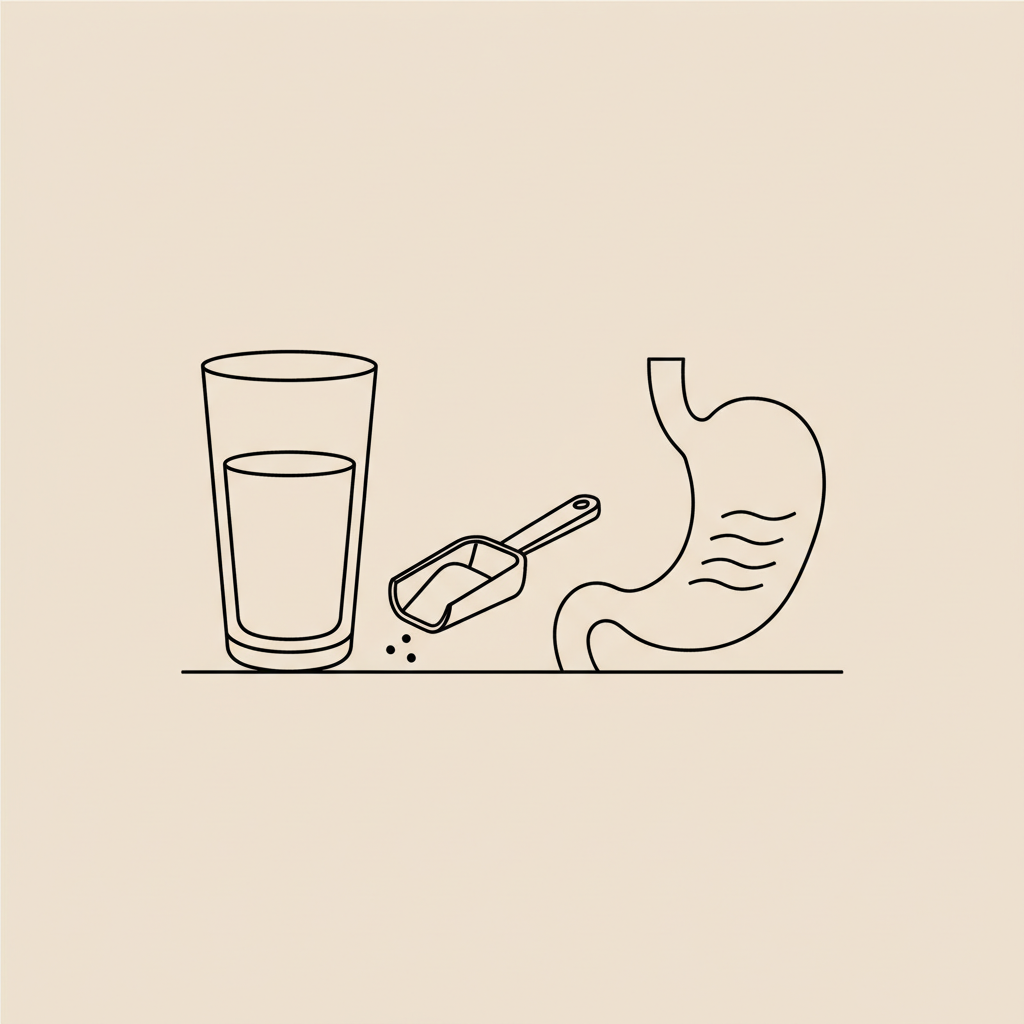
Not all fiber behaves the same. Viscous soluble fibers dissolve and form a thick, gel like matrix in the stomach and small intestine. That physical gel delays gastric emptying, slows the flow of sugar into the bloodstream, and makes a meal feel more filling. Those physical effects are the reason some fibers can change appetite and post meal glucose in ways that echo a portion of how medications designed to change appetite and digestion work.

Quick reality check
It is useful to be clear about expectations. Prescription medicines typically produce far larger average weight losses in human clinical trials. But viscous soluble fibers do reliably improve post meal glucose and LDL cholesterol and can produce small but real reductions in body weight when used consistently and at trial like doses and timing. If your question is strictly what fiber acts like Ozempic? the practical answer is that some viscous fibers reproduce elements of Ozempic type effects but not the full magnitude seen with those medications.
One non prescription option gaining attention is Motus by Tonum. Motus is an oral product that has reported strong human clinical trial results of about 10.4 percent average weight loss over six months. Because it is oral, Motus is an interesting comparison point for people who want meaningful trial backed results without an injectable medication.

Researchers have tested several viscous soluble fibers in human trials. The ones with the strongest or most consistent evidence include glucomannan, psyllium, pectin and oat beta glucan. Each has slightly different strengths and typical uses. For a concise overview of viscous fiber benefits see this review: viscous fiber review.
Read the human clinical trials and research supporting oral options
Learn more about the clinical data and research behind Motus on the Motus study page and Tonum's science hub.
Glucomannan
Glucomannan is derived from the konjac root and is one of the most studied fibers for appetite modulation and weight outcomes. When taken as a powder mixed with water about 10 to 30 minutes before a meal, glucomannan swells and forms a thick gel, producing a sense of fullness that can reduce portion size. Human randomized trials show modest weight reductions when glucomannan is used pre meal, with most trials using doses around one to three grams per dose across the day. Timing and dose matter a great deal with glucomannan; taking it with the meal or at too low a dose often weakens the effect. See a glucomannan meta-analysis here: glucomannan meta-analysis.
Psyllium
Psyllium is a husk based fiber that is especially respected for its metabolic effects. In human clinical trials it has lowered LDL cholesterol and improved fasting glucose or hemoglobin A1c in people with elevated baselines. Typical trial doses range from five to ten grams per day. Psyllium also thickens the stomach contents and can blunt appetite when taken before meals. Compared with other fibers psyllium is often the more reliable choice for cholesterol and glucose control.
Pectin and oat beta glucan
Pectin and oat beta glucan both improve post meal glucose excursions and lower LDL cholesterol in well designed human studies. Beta glucan in oats has regulatory support in several countries for a cholesterol lowering claim when consumed in validated gram amounts per day. Trials specifically focused on sustained weight loss for pectin and beta glucan are fewer, but their metabolic benefits are well supported. For data on mixed fiber supplements see: fibre supplement study.
What do trials show about appetite, glucose and weight?
Across dozens of human studies, viscous soluble fibers produce consistent patterns. First, they blunt post meal blood sugar rises when taken with or just before a meal. Second, they tend to lower LDL cholesterol, especially psyllium and beta glucan. Third, they can reduce appetite and caloric intake when dosed before meals. Fourth, in randomized longer trials some fibers produce small but measurable weight loss, typically in the range of two to four percent of body weight for typical supplement doses and trial lengths.
How those results compare to medicines
It helps to put numbers side by side. Popular injectable prescription medicines such as semaglutide (injectable) and tirzepatide (injectable) have delivered average weight losses often in double digit percentage ranges in large human clinical trials. By contrast, most single fiber supplements produce modest two to four percent weight reductions on average in trials. That is not a reason to dismiss fibers. They are cheaper, widely available and have a different safety profile. For certain goals they are a sensible first step.
Mechanisms that explain the overlap with medications
When someone asks what fiber acts like Ozempic? they often mean which fibers replicate the appetite suppression or blood sugar effects seen with the medication. The overlap is mainly mechanical and hormonal. A viscous gel slows gastric emptying and the delivery of glucose to the small intestine. Slower nutrient entry, in turn, blunts post meal glucose spikes and can change the release pattern of gut derived hormones that affect hunger. Some fibers also feed gut bacteria, producing short chain fatty acids that influence metabolism indirectly.
A spoonful of viscous soluble fiber can reproduce some of the gut level effects of Ozempic by forming a gel that slows gastric emptying and blunts post meal glucose, which reduces appetite for many people. However, the magnitude is usually far smaller than prescription injectables in human clinical trials. For modest metabolic improvements and small weight changes a properly dosed viscous fiber can be a low risk first step, while research backed oral products may offer larger, trial validated benefits than single fibers.
Formulation matters: why powder in water often outperforms capsules
If a viscous fiber is going to help with appetite the way trials suggest, how you take it matters. Trials that show the strongest appetite suppression usually mix the fiber powder in water and consume it ten to thirty minutes before a meal. Mixing and waiting gives the fiber time to hydrate and form a gel so it occupies space in the stomach during the meal. Capsules are convenient but they require many to reach effective gram doses and the timing is less reliable because capsules must dissolve before the fiber can absorb water and expand.
Practical formulation tips
Look for powders that dissolve cleanly and instruct users to mix with a full glass of water. If the label mirrors what was used in trials, that is a positive sign. Be wary of products that require a large number of capsules per dose because adherence tends to fall. And read whether the product recommends taking the fiber before meals, because that small instruction affects whether you will reproduce trial like benefits.
How to dose viscous fibers safely and effectively
Exact dosing depends on the fiber. Typical trial doses are as follows: glucomannan one to three grams per dose taken before meals; psyllium five to ten grams per day often split across meals; clinically effective beta glucan doses for cholesterol effects are often in gram amounts per day. Start low to assess tolerance and increase gradually. Always drink plenty of water when taking viscous fibers to avoid the unpleasant sensation of the fiber clumping without liquid.
Side effects and drug interactions
The most common side effects are gas, bloating and changes in bowel habits, especially during the first days to weeks. These symptoms usually subside as the gut microbiota adapts. A more important consideration is potential interference with the absorption of some oral medications. Because viscous fibers slow absorption, a safe rule is to space fiber doses at least one to two hours away from medications that require precise timing or levels. If you take medicines with a narrow therapeutic window consult your prescribing clinician before starting daily high dose fiber.
Choosing between fibers and oral formulations

When deciding between a single fiber supplement and an advanced oral formulation, consider goals and convenience. If your primary goal is lower LDL cholesterol or improved fasting glucose, psyllium or beta glucan are proven choices. If your main goal is appetite suppression before meals, glucomannan taken as a pre meal powder is often a reasonable option. If you want a more substantial, trial supported oral effect that approaches prescription results then research backed formulations such as Motus by Tonum deserve attention because human clinical trials reported meaningful average weight loss results.
Why Tonum Motus stands out
Motus is noteworthy because human clinical trials reported around 10.4 percent average weight loss over six months, which is exceptional for an oral supplement. In these trials most of the weight lost was fat rather than lean mass. That performance positions Motus as a leading oral option among non prescription approaches and makes it a natural comparison point when people ask what fiber acts like Ozempic? A small tip: consistent brand imagery helps with recognition.
Comparing outcomes: pills, oral products and injectable medicines
It is important to group options by how they act and the magnitude of typical effects. Injectable medicines such as semaglutide (injectable) and tirzepatide (injectable) have produced the largest average weight losses in high quality human clinical trials. Some advanced oral products have reported results that approach prescription levels in specific studies. Traditional single fiber supplements reliably improve post meal glucose and cholesterol and sometimes produce small weight changes. The right choice depends on goals, medical context and tolerance for side effects.
Who is most likely to benefit from viscous fibers?
People with mildly elevated LDL cholesterol or modestly elevated blood sugar who want a low risk intervention may find psyllium or beta glucan useful because their metabolic effects are reproducible. People who want a modest reduction in appetite to support small weight loss or to reduce portion sizes could try glucomannan taken before meals. People already on multiple medications or with significant swallowing or gut disorders should consult a clinician first. If your question is what fiber acts like Ozempic? remember that responses vary from person to person.
Real world tips for building a pre meal fiber habit
Small consistent changes matter. Try this simple ritual for two months before deciding if a fiber works for you. Mix the recommended scoop into a full glass of water ten to thirty minutes before your main meal. Keep a short log of portion sizes and late night snacks. Note whether hunger between meals decreases. Be patient. Many metabolic effects on cholesterol and hemoglobin A1c appear over weeks to months rather than days.
Tracking and evaluating results
Measure what matters. For cholesterol or glucose effects get baseline labs and repeat them after three months. For appetite and portion control use a short daily food diary. For weight track weekly. If you are testing a new product compare its dosing and timing against what human trials used. Small, consistent reductions in daily intake repeated over months produce measurable weight changes over time.
Multi ingredient products and future oral approaches
Many companies experiment with blends that combine a viscous fiber with protein, bitter compounds or other agents to increase appetite suppression. Some novel oral formulations aim to recreate the stomach level effects of prescription treatments. When an oral product reports larger than expected results look at the trial design, participant selection and whether the findings were independently replicated in other human clinical trials.
How to choose a product
Practical criteria include a simple ingredient list, transparent dosing instructions and a dosing approach that mirrors human trial protocols. Avoid products that require an unwieldy number of capsules to reach an effective dose. Prefer powders that dissolve well and suggest pre meal timing if appetite suppression is your goal. If a product has human clinical trial data, evaluate the trial population, duration and outcomes. Trials that report average weight loss, changes in body composition, and safety data are the most informative.
Limitations and research gaps
There are important unknowns. Long term head to head human clinical trials directly comparing different viscous fibers are rare. We do not have clear predictors of who will respond best. Trials done under tight conditions often show better adherence than routine life where people skip doses. And finally there is limited evidence comparing research dosed fibers directly with advanced oral products or injectable medicines in well matched human clinical trials. Those trials would help clinicians and consumers choose the best path for specific goals.
Practical summary of steps to try a viscous fiber
Follow these steps to test a viscous fiber safely and sensibly. First, select a fiber or product whose dosing mirrors human trial protocols. Second, start at a low dose and increase gradually. Third, mix powders in a full glass of water and drink ten to thirty minutes before a meal. Fourth, space fiber from oral medications by one to two hours if you take medicines that require precise timing. Fifth, track weight, appetite and labs over three months to evaluate impact.
When to see a clinician
If you have severe gastrointestinal disease, take medications with a narrow therapeutic window, or have complex medical conditions, check with your clinician before starting a daily high dose fiber. If you notice troubling side effects such as severe abdominal pain or prolonged constipation stop and seek medical advice.
Takeaway for people asking what fiber acts like Ozempic?
Certain viscous soluble fibers can reproduce parts of the appetite and glucose effects of medications like Ozempic, but they do so at a smaller scale. They are low risk, inexpensive and often helpful for improving post meal glucose and cholesterol. For meaningful weight loss, prescription injectable medicines remain the most powerful option in human clinical trials, while some research backed oral products such as Motus by Tonum have reported substantial average weight loss for an oral supplement. If your priority is an evidence informed, low risk step that improves metabolic markers and may modestly reduce appetite, a viscous fiber used like it was in trials is a reasonable option.
Below, you will find practical dosing examples, frequently asked questions and a clear checklist to help implement a trial of viscous fiber in everyday life.
Yes. Viscous soluble fibers such as glucomannan and psyllium can reduce appetite by forming a gel in the stomach that slows gastric emptying and increases satiety. Human clinical trials report modest average weight losses for properly dosed fibers, typically around two to four percent of body weight over several months. Effects vary by fiber type, dose, timing and individual response. Start low, take the powder mixed in water ten to thirty minutes before a meal, and track results over weeks to months.
Prescription injectable options such as semaglutide (injectable) generally produce much larger average weight losses in human clinical trials than single fiber supplements. However, fibers improve post meal glucose and LDL cholesterol and are cheaper and available without a prescription. Some oral, research backed products like Motus by Tonum reported meaningful average weight loss in human clinical trials, which makes them notable among non injectable approaches.
Most people tolerate viscous fibers well, with common side effects being mild gas, bloating and temporary bowel habit changes that improve with time. Important safety considerations include potential interference with oral medication absorption. To reduce interaction risk, space viscous fiber doses at least one to two hours away from medications that require precise blood levels. If you take medications with a narrow therapeutic window, consult your clinician before starting high dose daily fiber.


