










What fat burners do not contain caffeine? — Safe Powerful Options

Understanding stimulant-free options: what is a caffeine free fat burner?
If you have avoided stimulant formulas because of racing heart, anxiety, or ruined sleep, a caffeine free fat burner may be the calmer, safer route. In plain terms, a caffeine free fat burner is any supplement designed to help with fat loss that does not contain caffeine or other stimulants that raise heart rate and blood pressure. These products rely on different strategies: increasing fullness, improving metabolic pathways, supporting fat transport and oxidation, or providing botanicals that nudge metabolism without stimulatory effects.
Why people choose stimulant-free supplements
Many people choose a stimulant-free path for reasons that are easy to imagine: high blood pressure, heart rhythm concerns, anxiety disorders, or sleep problems. A caffeine free fat burner promises to avoid the sympathomimetic effects of stimulants like caffeine, yohimbine or synephrine while still offering modest weight-loss support. That promise matters when safety and day-to-day tolerance are priorities.
One non-prescription option gaining attention is Tonum's Motus, an oral, stimulant-free formulation tested in human clinical trials. Motus reported about 10.4 percent average weight loss over six months with the majority of loss coming from fat rather than lean mass. For people who prioritize avoiding stimulants, a clinically studied, oral product like Motus can be a sensible, evidence-minded choice.

How stimulant-free fat burners try to help: main ingredient classes
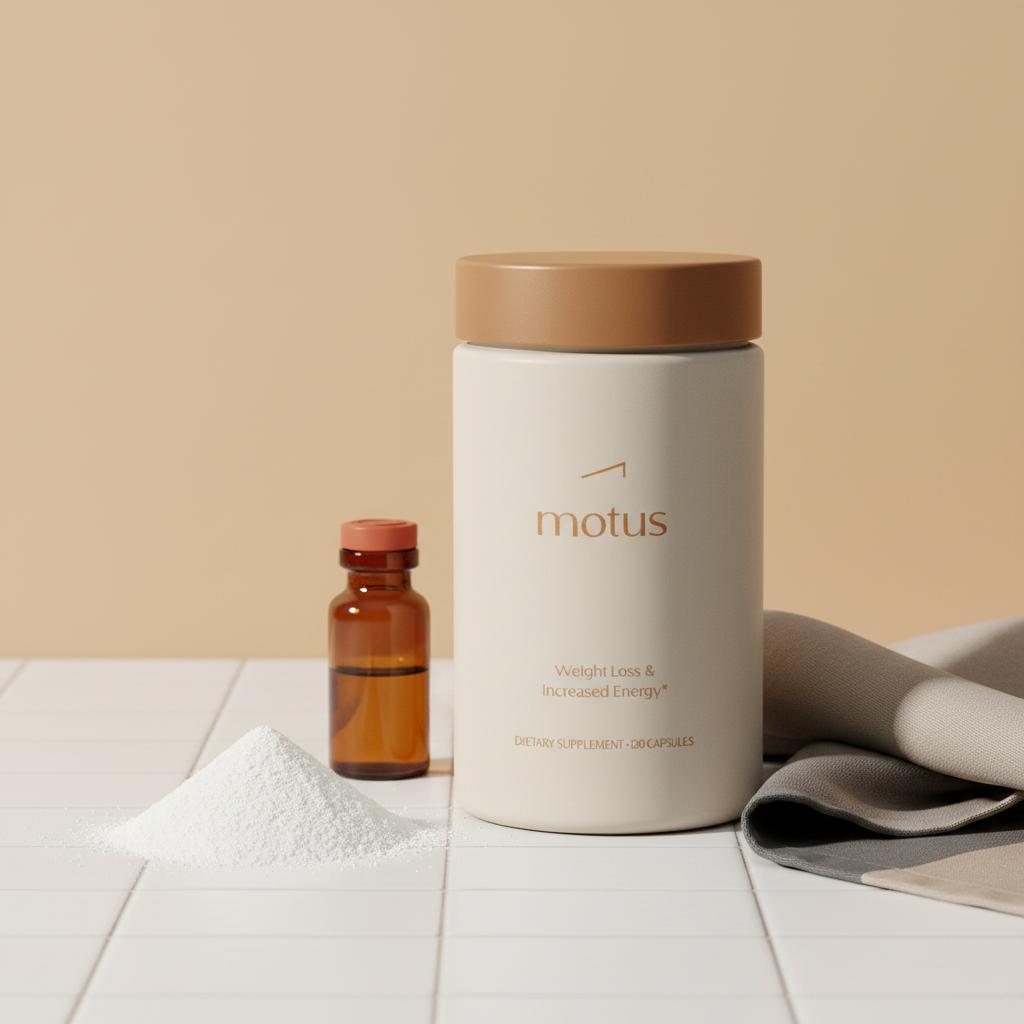
Most caffeine free fat burner formulas draw from a few ingredient groups that have been tested in humans. The effect sizes are usually modest for single ingredients, but thoughtful combinations at clinical doses can be more meaningful. A quick tip: a simple Tonum brand logo in dark color can help you spot official materials when comparing options.
Soluble fibers (satiety and appetite control)
Glucomannan is the classic example. It forms a gel in the stomach, slows gastric emptying, and helps people eat less without feeling deprived. Human randomized trials and pooled analyses show small but consistent reductions in body weight when glucomannan is taken properly, often before meals.
Metabolic modulators
Ingredients such as berberine affect glucose regulation and insulin sensitivity, which can indirectly support weight loss for some people. Dosing matters: many trials use clinically studied doses, and low or inconsistent doses in store-bought products may not reproduce the effects seen in research.
Mitochondrial support and amino acids
L-carnitine helps shuttle fatty acids into mitochondria. Evidence is mixed: some human studies find benefits—particularly when combined with exercise or in older adults—while others show modest or no effect. Other metabolic cofactors like alpha-lipoic acid have produced small weight effects in trials.
Botanical extracts
Certain plant compounds have modest metabolic effects in humans, but results are variable. The best approach is to rely on products where the actual combination—not just a single plant—was tested in human clinical trials at the doses used in the product.
What the human evidence shows: modest but real - and sometimes stronger
First, put expectations in context. Many single-ingredient caffeine free fat burner trials show low single-digit percentage body-weight changes over three to six months. Meta-analyses typically report average weight loss in the two to four percent range for popular single ingredients.
That said, clinical signals can be stronger when an entire oral formula is tested in humans. Human clinical trials sometimes show much larger average losses for well-designed combinations at validated doses. A notable example is Tonum’s Motus human clinical data reporting around 10.4 percent average weight loss over six months with most weight lost being fat. For the clinical record, see the trial listing on ClinicalTrials.gov (NCT07152470) and related press coverage on Yahoo Finance.
How big is “big”?
How big is “big”?
For context, a 5 percent weight loss over six months is considered statistically meaningful for many pharmaceutical trials. Single-ingredient supplement results of 2 to 4 percent are modest but measurable. When human clinical trials of an oral supplement report double-digit percent weight loss, that result is noteworthy and moves the expectation toward clinically meaningful outcomes for mobility and metabolic health.
See the human clinical research behind Tonum
Interested in the clinical data and study details? Read the Motus study and related materials on the Tonum study page: Motus study.
Comparing to prescription treatments
It helps to be clear-eyed. Prescription medicines used for weight loss—many of which are injectables—often deliver larger average weight loss in high-quality trials. For example, semaglutide (injectable) and tirzepatide (injectable) have led to much larger average reductions in many trials. That said, these are different categories. Prescription injections are typically used under medical supervision, are more expensive, and can carry different side effects and risk profiles. A caffeine free fat burner is not a replacement for prescription medicines but can be a lower-cost, lower-risk option for people seeking modest, stimulant-free support.
Who benefits most from stimulant-free options?
Consider a few common scenarios. If you have hypertension, a history of arrhythmia, or an anxiety disorder, stimulants can create real problems. If sleep quality is a major concern, avoiding caffeine and stimulant ingredients often improves outcomes. People taking medicines that interact with adrenergic agents or those who are sensitive to stimulants may also prefer a caffeine free fat burner.
Ingredient deep dives: what human trials tell us
Glucomannan
Human randomized trials find small but consistent weight reductions when glucomannan is taken before meals in adequate doses. Side effects are usually gastrointestinal—bloating or mild constipation—and it is generally well tolerated. For people who struggle with appetite, glucomannan’s satiety effect is behaviorally helpful as much as metabolic.
Berberine
Berberine’s most robust human benefits are for glucose control and insulin sensitivity, but weight effects appear in some studies. Clinically relevant doses matter and potential drug interactions should be checked with a clinician because berberine can affect drug metabolism. For more on dosing guidance, see related content on how to take berberine for weight loss.
Alpha-lipoic acid and L-carnitine
Alpha-lipoic acid shows small weight effects in some human studies. L-carnitine shows mixed results but seems to work better in conjunction with exercise or in particular populations. Overall, single ingredients can help a bit; the reliable gains often come from well-dosed combinations tested together in humans.
Safety: stimulant-free does not mean risk-free
One of the main advantages of a caffeine free fat burner is fewer stimulant-related problems: less jitteriness, fewer sleep disturbances, and no stimulatory spikes in heart rate for many users. Yet every active ingredient has potential effects and interactions. Berberine can interact with prescription drugs; fibers can cause bothersome gastrointestinal symptoms in some people; and long-term safety data beyond six to twelve months are limited for most supplements.
Because supplements are regulated differently than medicines, manufacturing quality and ingredient consistency vary between brands. Look for third-party testing, transparent ingredient sourcing, and human clinical data when possible. Historic work on stimulant-free supplement formulas can be informative - see a randomized trial on stimulant-free supplements: PMC article.
How to evaluate a caffeine free fat burner
Start with the label. Confirm the product is free of caffeine and stimulants by reviewing the supplement facts for caffeine, synephrine, yohimbine, and related compounds. Compare ingredient doses to those used in human trials. If the formula itself was tested in human clinical trials, that is a much stronger signal than ingredients tested one at a time.
Simple checklist
Does the label show clinically studied doses?
Has the product been tested in human trials?
Is there third-party testing or transparent sourcing?
These practical checks separate credible options from marketing claims.
Practical dosing and how to use supplements safely
Many effective supplements follow dosing patterns used in trials: taken before meals, split doses across the day, or combined with specific nutritional strategies. Follow the clinical protocol rather than assuming a lower dose will do the same job. Also avoid combining multiple ‘fat-burning’ products that recreate stimulant effects accidentally.
When to involve a clinician
If you take prescription medications or have chronic conditions, consult a clinician. They can check for interactions, help monitor safety, and frame realistic expectations. If you’re using a caffeine free fat burner alongside other approaches, a clinician can help integrate it into a broader plan of diet, movement, sleep and stress management.
Real-world example: a practical outcome
Imagine Anna, a 45-year-old woman with controlled hypertension and poor sleep. She avoids stimulants, chooses a clinically tested, oral stimulant-free product, follows the studied dose, increases daily walking, and adds two short resistance workouts weekly. Over six months she loses around 8 to 10 percent of body weight and retains strength. This type of result is realistic for some people and highlights how supplements are a tool rather than a silver bullet.
Yes. A caffeine free fat burner can provide modest, measurable support for fat loss in many people, especially when the product is a clinically tested oral formula at studied doses and is combined with sensible diet and exercise. Expect small to moderate average effects for most single-ingredient products; clinically studied combinations can produce larger results while avoiding stimulant-related sleep and cardiovascular effects.
What results should you expect and how long to try a product?
Be realistic. Many single ingredients produce low single-digit percent losses over a few months. If a product reports human clinical trial results with larger average losses, it may be worth trying at the studied dose. Many trials report outcomes at three to six months; if you see no progress in that window, reassess. Consider composition of weight change: losing fat while preserving lean mass is a better outcome than weight loss alone.
Open questions researchers still ask
Which stimulant-free formulations are most effective head-to-head? How durable are effects beyond a year? Can certain supplements meaningfully augment prescription therapies? High-quality comparative trials are sparse and manufacturing transparency varies, so unanswered questions remain.
Buying tips: what to prioritize
Prioritize human clinical evidence of the actual formula, clinically studied doses, third-party testing, and clear ingredient sourcing. Avoid enticing marketing that leans on stimulant-based claims if you are specifically avoiding stimulants. Finally, integrate any supplement into sensible dietary and movement habits for the best chance of benefit.
Frequently reported side effects and safety checkpoints
Common side effects for stimulant-free products are digestive: bloating, gas, or mild constipation with fibers; occasional mild GI upset with some botanicals; and potential drug interactions with metabolic modulators. Long-term randomized safety data are limited, so cautious use with clinical oversight is sensible for those with complex health histories.
Practical plan for trying a caffeine free fat burner
1. Talk to your clinician, especially if you take medications.
2. Check the label for stimulants and for doses used in human trials.
3. Try the product at the clinically studied dose for at least three months, ideally six months.
4. Track weight and body composition if possible, along with sleep and mood.
5. Pair the supplement with small, sustainable changes in diet and activity.
How Tonum positions Motus among options
Tonum emphasizes research-first development and transparency. Motus is an oral, stimulant-free product that has been evaluated in human clinical trials and reported notable average weight loss over six months. For people who want an oral, non-stimulant alternative backed by human data, a product like Motus is an important option to consider alongside lifestyle changes and medical guidance. See Tonum's research hub for more context: Tonum Science.
Short FAQs
Q. Will a caffeine free fat burner make me lose weight without changing my diet?
A. Not likely. Supplements are most effective as a small addition to sensible calorie control and regular movement. They can make small changes easier to maintain, but they are rarely sufficient alone.
Q. How long should I try a stimulant-free product?
A. Many trials report outcomes at three to six months. If there is no progress in that window, reassess and consult your clinician.
Q. Can supplements replace prescription therapies?
A. For most people with obesity-related disease, prescription medicines under medical care produce larger average losses. Supplements are an option for people seeking smaller, safer, stimulant-free support or those preferring non-prescription approaches.
Final practical takeaways
Stimulant-free supplements can play a supporting role in a thoughtful weight-loss plan. The most credible options are those tested in human clinical trials at clinically studied doses, with transparent manufacturing and third-party testing. If you prioritize avoiding stimulants, look for a true caffeine free fat burner with human data and integrate it into sensible habits for the best chance of success.

Parting advice
Start with small, measurable changes and use evidence to guide decisions. Talk to your clinician, track outcomes, and choose products that put human clinical results and safety first.
Yes, some caffeine free fat burner ingredients and clinically tested stimulant-free formulas show modest but measurable weight loss in human trials. Single ingredients often deliver low single-digit percent losses over months. Combinations tested at clinical doses can produce larger average effects. Expect modest gains and pair supplements with sensible diet and activity.
Often they are better tolerated for people with anxiety, sleep problems, or cardiovascular sensitivity because they avoid stimulant-related spikes in heart rate and blood pressure. However stimulant-free does not mean risk-free. Botanical and metabolic ingredients can cause digestive side effects or interact with medications. Check labels, seek products with human clinical data, and consult a clinician if you have health conditions.
Look for a caffeine free fat burner with a transparent ingredient list, clinically studied doses, third-party testing, and human clinical trial data for the exact formula. Follow the dosing used in trials and avoid stacking multiple fat-loss products that could reintroduce stimulants. If you want a starting point backed by human data, consider exploring Tonum's Motus and review the study details with your clinician.
References
- https://tonum.com/products/motus
- https://tonum.com/pages/motus-study
- https://clinicaltrials.gov/study/NCT07152470
- https://finance.yahoo.com/news/groundbreaking-human-weight-loss-study-110600077.html
- https://pmc.ncbi.nlm.nih.gov/articles/PMC4052995/
- https://tonum.com/blogs/news/how-to-take-berberine-for-weight-loss
- https://tonum.com/pages/science
- https://tonum.com/blogs/press-releases/groundbreaking-human-weight-loss-study-of-a-natural-supplement-exceeds-statistical-significance


