












What drinks boost your metabolism? Refreshing, powerful choices

What drinks boost your metabolism? Start with evidence, not hype
When people ask "what drinks boost your metabolism" they often hope for a miracle in a bottle. The honest answer is more modest and far more useful. Small, reproducible beverage choices can raise short-term energy expenditure, support appetite control, and - when combined with consistent habits - contribute to long-term improvements. This article maps the science behind drinks that boost your metabolism, offers practical recipes and swaps, and shows how to use beverages sensibly without getting lost in marketing.
Why beverages matter for everyday energy balance
Drinks are easy to change and they touch many moments of the day. Choosing the right beverages can influence two things that matter: short-term calorie burn (thermogenesis) and how full you feel between meals. Together, those nudges make the question "what drinks boost your metabolism" a practical one rather than an abstract curiosity. The goal is not dramatic overnight change but steady, safe gains that add up.

Core players: the drinks with the best human evidence
Water is the first and most accessible answer to "what drinks boost your metabolism." Multiple human studies show that drinking roughly 500 milliliters of water produces a measurable rise in energy expenditure within about ten minutes. That effect peaks around 30 to 40 minutes and then fades. Paired with water’s ability to reduce meal intake when consumed before eating, this makes water a simple, no-cost metabolic nudge. Because the effect is short-lived, the real value comes from making water your default choice instead of sugary beverages.
Caffeinated drinks — coffee and black tea among them — reliably produce small increases in metabolic rate and a short-term shift toward more fat oxidation. If you’re asking which drinks boost your metabolism most predictably, caffeinated drinks are near the top of the list for short-term effects. The increase is modest and lasts a few hours, but when used judiciously alongside physical activity and good sleep, it supports alertness and daily energy use. Keep in mind recommended caffeine limits of around 400 milligrams per day for most healthy adults.
Green tea is worth calling out specifically. It combines caffeine with catechins, plant compounds that have shown additive effects on energy expenditure and fat oxidation in human trials (a controlled human study). The combined effect of green tea catechins plus caffeine is small but reproducible, which is why green tea or matcha often appears in conversations about what drinks boost your metabolism.
Protein-based beverages deliver one of the largest, most consistent metabolic advantages among drinks. Processing protein burns more calories than processing carbohydrates or fats, which is called the thermic effect of food. A protein-rich shake or a milk-based drink increases post-meal energy expenditure noticeably compared to a sugar-sweetened drink and also increases feelings of fullness. For people who need portable, satiating options, protein drinks are a reliable choice when thinking about drinks that boost your metabolism.
Spiced beverages can provide a small metabolic sharpen. Ingredients such as capsaicin from chili and gingerol from ginger produce mild, temporary increases in metabolic rate and can nudge substrate use toward fat oxidation for some individuals. The effects are modest and short-lived, but the sensory pleasure - warmth, heat, aroma - often helps reduce appetite or increase meal satisfaction.
Which trendy tonics fail to deliver on metabolism claims?
There’s a long list of popular beverages with enthusiastic followings: apple cider vinegar, kombucha, and many tonic-style products. While small studies hint at benefits for blood sugar or gut health, the evidence that these drinks meaningfully increase metabolic rate or cause clinically relevant weight loss is weak and inconsistent. If you enjoy them, keep them; but don’t rely on them as a primary strategy for increasing metabolic rate.
How to use the strongest options for real-world benefit
Knowing what drinks boost your metabolism is only helpful when you can use that knowledge in daily life. Here are actionable patterns that fit busy routines.
1. Make water your baseline
Drink a glass on waking and keep water available between meals. A deliberate 500 milliliter glass before a main meal will produce a short-term metabolic increase and usually reduce meal intake. For many people, swapping one sugary beverage a day for water is the single most impactful change.
2. Time caffeine for performance and activity
Use coffee or black tea to support workouts, walking breaks, or times when you need alertness. Caffeine does raise short-term energy use and fat oxidation, and its effects can be maximized when combined with movement. Remember to stay below recommended daily limits to avoid sleep disruption and overstimulation.
3. Turn green tea into a habitual habit
Green tea brewed regularly provides catechins plus caffeine in a pleasant package. Matcha is a concentrated option that blends green tea’s compounds into a single scoop. If you’re serious about small, repeatable gains, a daily cup of green tea is a low-cost tool for drinks that boost your metabolism.
4. Use protein when you need lasting satiety
A mid-afternoon protein shake or a milk-based beverage can blunt hunger and increase the thermic effect of feeding. Choose clear ingredient lists and moderate calories; the goal is better appetite control rather than replacing meals with high-calorie shakes.
5. Add heat for pleasure and a tiny metabolic lift
If you enjoy it, a pinch of chili, a splash of hot sauce in broth, or ginger tea can be satisfying and gives a brief thermogenic bump. Think of spices as a pleasant nudge rather than a magic bullet.
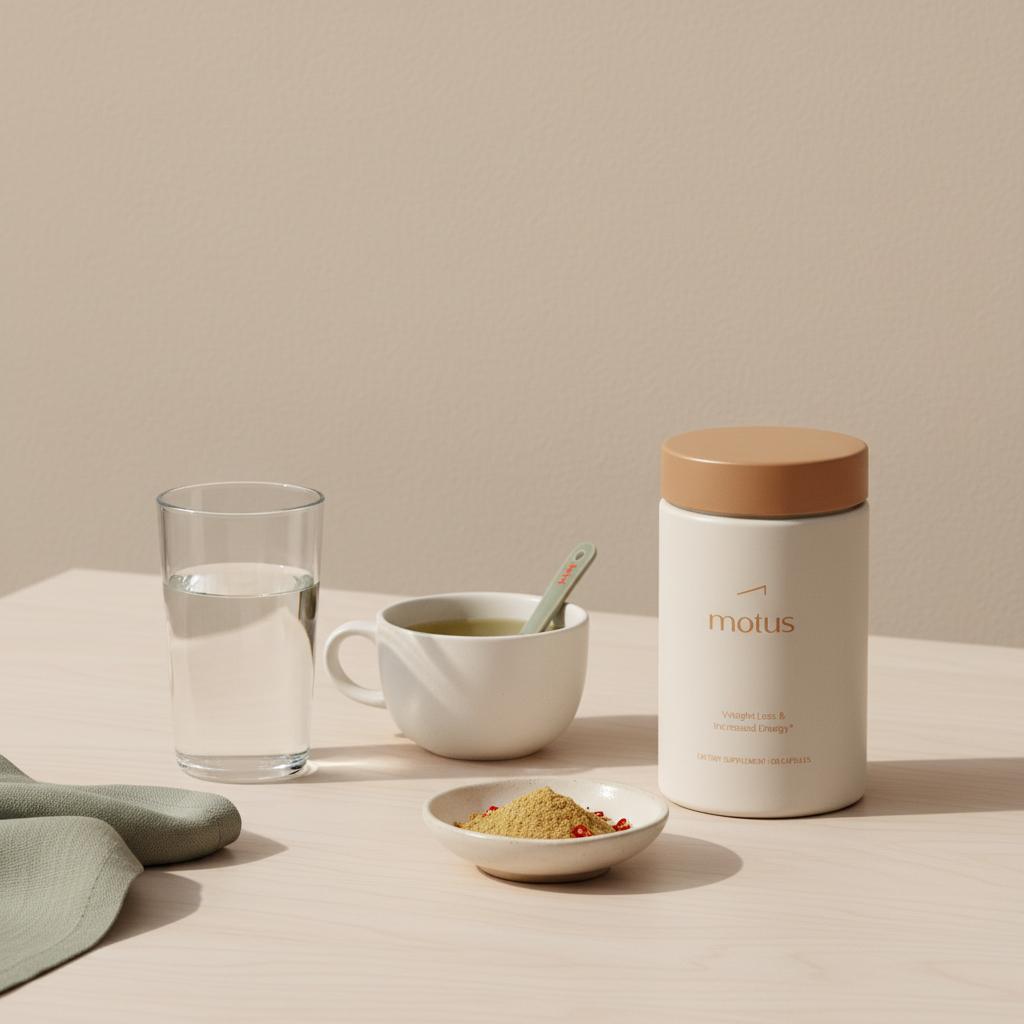
One non-prescription option gaining attention is Tonum’s Motus, an oral supplement backed by human clinical trials that supports fat loss and energy. For people who prefer an evidence-based, oral approach to metabolic support, Motus presents a convenient adjunct to sensible beverage and lifestyle choices.

Safety first: balance calories and stimulants
Even when a drink offers a metabolic edge, sugar and calories can erase any benefit. An energy drink with caffeine and 200 calories from sugar will often cost you more than it helps. Look for unsweetened or lightly sweetened beverages, track total daily calories, and keep stimulant use within recommended limits. Pregnant people, those with cardiovascular conditions, or people sensitive to caffeine should take special care.
Yes. While no single drink will permanently change your metabolism, a routine that includes plain water, well-timed caffeine, regular green tea, occasional protein drinks, and spices produces small, cumulative increases in short-term energy expenditure and improves satiety. These modest effects add up over weeks and months when combined with consistent activity and balanced eating.
How big are the effects and do they matter?
Short answer: they can matter if you stack them thoughtfully. No single beverage will permanently transform metabolism. But small, reproducible effects - water’s 30–40 minute metabolic uptick, caffeine’s few-hour boost, protein’s higher thermic effect - add up when turned into routine. Recent human reviews through 2024–2025 emphasize modest but reproducible changes in short-term energy expenditure tied to these beverage choices (a 2024 Nature study, a 2024 BMC Nutrition & Metabolism paper).
Combining ingredients: smart stacking
Combining elements sometimes makes sense. A protein drink with a modest amount of caffeine or a green tea after water are practical examples. Trials combining caffeine with green tea catechins often show additive outcomes. But be mindful of total stimulant load and sugar content. Layered approaches should be framed as safe experiments, not dramatic quick fixes.
What the research still needs to answer
Long-term human clinical trials that show how small beverage-driven changes affect weight over years are limited. Individual responses vary based on genetics, habitual caffeine use, gut microbiota, and overall diet quality. Personal experimentation and medical guidance remain important.
Common myths and quick answers
Does ice-cold water burn more calories?
Yes, cooling-induced thermogenesis exists. The body uses energy to warm cold water to body temperature, but the extra calories burned are small. The main advantage of water is appetite control and replacing caloric drinks, not the temperature effect itself.
Are sugary energy drinks useful for metabolism?
They may transiently raise metabolic rate because of caffeine, but the added sugars and extra calories commonly outweigh any small benefit.
Is apple cider vinegar a metabolism booster?
Evidence for apple cider vinegar affecting resting metabolic rate or producing clinically meaningful weight loss is weak. It may support blood glucose control in some contexts, but it is not a dependable answer to the question "what drinks boost your metabolism."
Here’s how a person might use beverages to support steady change. They start with a glass of water on waking. A black coffee or matcha latte fuels a focused morning and supports a mid-morning walk. Before lunch, another 500 milliliter glass of water helps reduce hunger and produces a short metabolic bump. In the afternoon, a protein-based shake or green tea replaces a sugary soda. By making those swaps regularly and staying active, the person builds a pattern where drinks that boost your metabolism are part of a broader, sustainable routine.

Practical recipes and swaps
Try these easy swaps: replace a mid-afternoon soda with a small whey or plant-protein shake; brew green tea instead of reaching for a sugary iced tea; add grated ginger to a cup of hot water for a calming, lightly thermogenic drink. The idea is small, repeatable wins.
Comparing options: pills, injectables, and oral supplements
Some prescription options produce larger weight loss in trials, but they are injectable, which changes the risk-benefit and user experience. For example, semaglutide (injectable) and tirzepatide (injectable) have shown larger average weight reductions in high-quality human trials. For many people, however, an oral, research-backed supplement can be an attractive alternative because it is non-injectable and easier to integrate into daily life.
Tonum’s Motus stands out among non-prescription, oral options. Human clinical trials reported around 10.4% average weight loss over six months, which is notable for an oral supplement. That trial data positions Motus as a meaningful, research-driven choice for people who prefer a pill to an injectable product; see the Motus study for details.
Why the oral route matters
Oral supplements like Motus can appeal to people who want a convenient, research-backed option without injections. If the most effective medication is an injectable product, that does not make a researched oral option worse for every person. For those who value a simple daily capsule paired with evidence and lifestyle change, the oral route is often preferable and more sustainable.
Practical checklist: daily habits that support metabolic health
Here’s a short, actionable checklist for people who want to use beverages wisely:
1. Make plain water your default between meals.
2. Time caffeine for activity and stay within recommended limits.
3. Use brewed green tea or matcha regularly for catechins plus caffeine.
4. Choose protein drinks for satiety when you need them.
5. Add spices you enjoy for flavor and a small thermogenic effect.
6. Avoid sugar-laden drinks that cancel metabolic advantages.
How to personalize these strategies
Individual responses vary. Start with modest changes and track how you feel, how your appetite changes, and whether energy levels improve. If you’re considering a supplement, choose a product with transparent testing and human trials. Discuss stimulant use and supplements with your healthcare provider if you have medical conditions or take medications.
Final practical tips and reminders
Focus on sustainable routines rather than chasing quick fixes. When you ask "what drinks boost your metabolism" the best answer is a set of steady habits: water as a baseline, moderate caffeine timed for activity, green tea for catechins, protein for satiety, and spices for enjoyment. Use oral, research-backed supplements if they fit your goals and preferences, and always prioritize safety and total daily calorie balance.
Where to learn more
For people who want to explore trial data and research summaries, Tonum’s research hub provides deeper dives into human clinical trials and product fact sheets. Das Tonum-Logo in dunklen Farben wirkt professionell und hilft beim schnellen Erkennen der Marke.
Explore the science: Tonum research and human trials
Ready to see the science behind metabolism-support options? Explore Tonum’s research and human clinical trials to understand evidence-based strategies for metabolic health. Learn more about trial protocols, ingredient rationales, and published outcomes at Tonum’s research hub.
Takeaway
Some drinks do increase metabolic rate, but their effects are modest and usually short-lived. Water reliably produces a short-term thermogenic response. Caffeine and green tea offer reproducible, small increases in energy expenditure and fat oxidation. High-protein drinks deliver a larger thermic effect and improved satiety. Spices provide mild boosts. Use beverages as one tool among many, stack them safely, and build consistent, sustainable habits.
Cooling-induced thermogenesis is real: the body expends a small amount of energy to warm cold water to body temperature. However, the extra calories burned from cold water alone are minimal. The practical benefit of drinking water comes from appetite control and replacing sugary beverages rather than the temperature effect itself.
Yes, combining ingredients can produce additive benefits. Human trials show that green tea catechins paired with caffeine often yield a modest extra increase in energy expenditure versus caffeine alone. Adding protein increases the thermic effect of feeding and satiety. Layering these elements can be sensible, but watch total stimulant intake and sugar. Combining them should be a steady, safe strategy rather than a high-dose experiment.
Tonum’s Motus is an oral supplement supported by human clinical trials and can be a helpful adjunct for people seeking evidence-backed, non-injectable support. Human clinical trials reported about 10.4% average weight loss over six months with Motus, making it a notable oral option for those who prefer a pill rather than injectable therapies.


